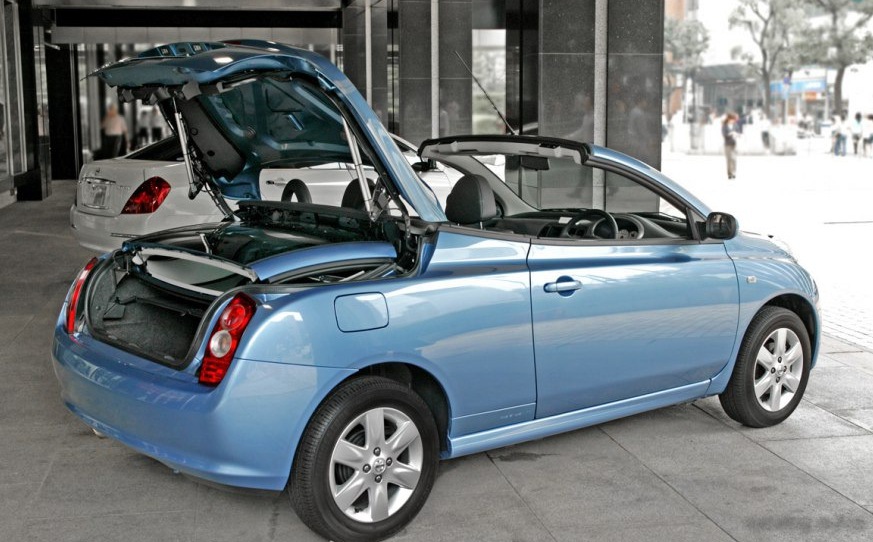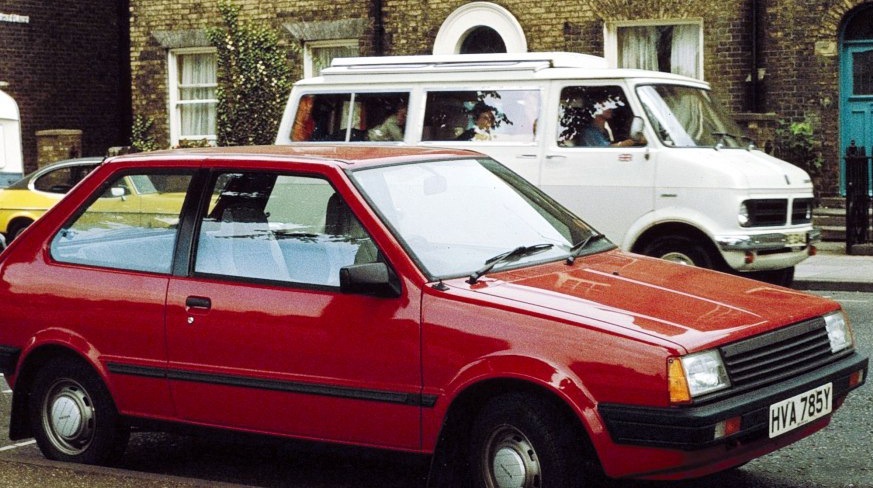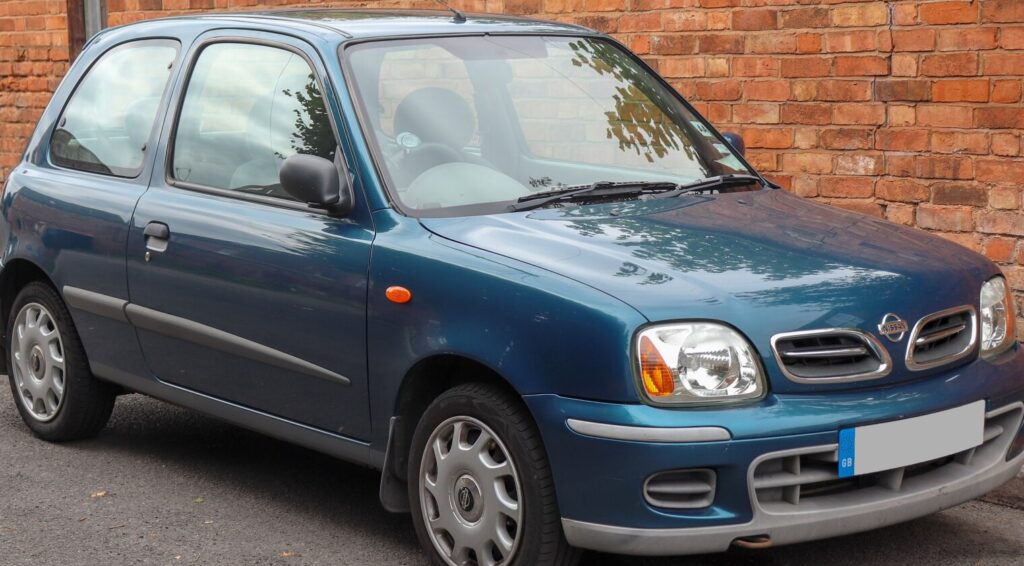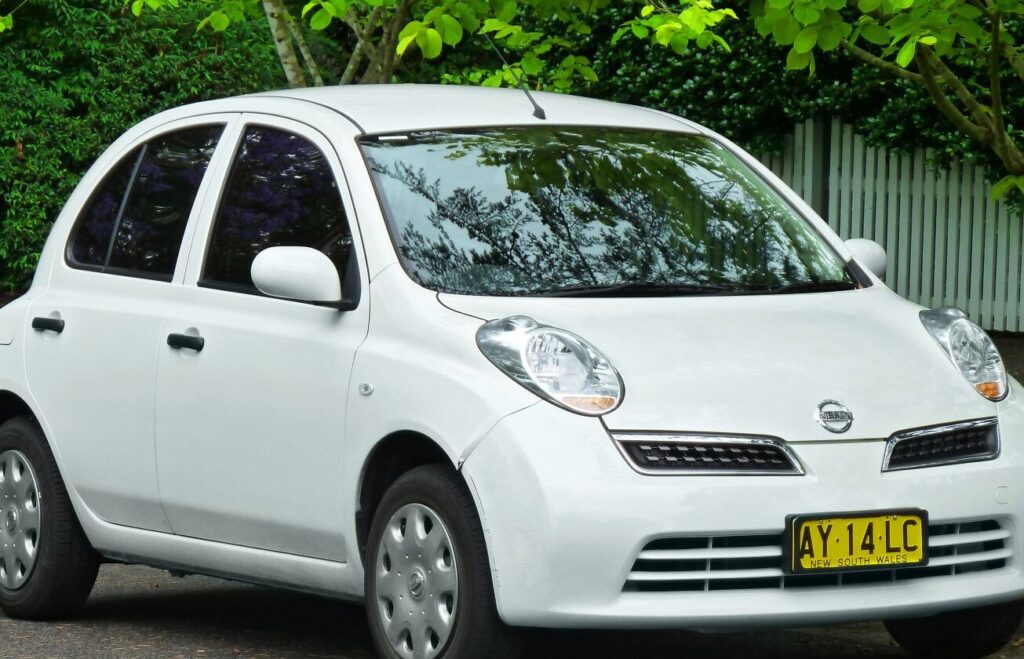
The Nissan Micra K12, produced from 2003 to 2005, represented a significant step forward for Nissan’s supermini offering. The 1.2 i 16V variant, equipped with an automatic transmission and producing 80 horsepower, was positioned as an entry-level to mid-range option within the K12 lineup. It aimed to provide affordable and convenient transportation, particularly appealing to drivers prioritizing ease of use over outright performance. This generation Micra, built on the B-platform, was a departure from its predecessor, offering increased interior space and a more modern design. The K12 was primarily marketed in Europe and other international markets, with limited sales in the United States.
Technical Specifications
| Brand | Nissan |
| Model | Micra |
| Generation | Micra (K12) |
| Type (Engine) | 1.2 i 16V (80 Hp) Automatic |
| Start of production | 2003 |
| End of production | 2005 |
| Powertrain Architecture | Internal Combustion engine |
| Body type | Hatchback |
| Seats | 5 |
| Doors | 3/5 |
| Fuel consumption (urban) | 8.2 l/100 km (28.7 US mpg, 34.4 UK mpg, 12.2 km/l) |
| Fuel consumption (extra urban) | 5.7 l/100 km (41.3 US mpg, 49.6 UK mpg, 17.5 km/l) |
| Fuel consumption (combined) | 6.6 l/100 km (35.6 US mpg, 42.8 UK mpg, 15.2 km/l) |
| Fuel Type | Petrol (Gasoline) |
| Acceleration 0 – 100 km/h | 17.9 sec |
| Acceleration 0 – 62 mph | 17.9 sec |
| Acceleration 0 – 60 mph | 17 sec |
| Maximum speed | 145 km/h (90.1 mph) |
| Weight-to-power ratio | 12.1 kg/Hp, 82.5 Hp/tonne |
| Weight-to-torque ratio | 8.8 kg/Nm, 113.4 Nm/tonne |
| Power | 80 Hp @ 3600 rpm |
| Power per litre | 64.5 Hp/l |
| Torque | 110 Nm @ 3600 rpm (81.13 lb.-ft. @ 3600 rpm) |
| Engine layout | Front, Transverse |
| Engine Model/Code | CR12DE |
| Engine displacement | 1240 cm3 (75.67 cu. in.) |
| Number of cylinders | 4 |
| Engine configuration | Inline |
| Cylinder Bore | 71 mm (2.8 in.) |
| Piston Stroke | 78.3 mm (3.08 in.) |
| Compression ratio | 9.8:1 |
| Number of valves per cylinder | 4 |
| Fuel injection system | Multi-port manifold injection |
| Engine aspiration | Naturally aspirated engine |
| Valvetrain | DOHC |
| Engine oil capacity | 3 l (3.17 US qt | 2.64 UK qt) |
| Coolant capacity | 5.3 l (5.6 US qt | 4.66 UK qt) |
| Kerb Weight | 970 kg (2138.48 lbs.) |
| Max. weight | 1475 kg (3251.82 lbs.) |
| Max load | 505 kg (1113.33 lbs.) |
| Trunk (boot) space – minimum | 371 l (13.1 cu. ft.) |
| Trunk (boot) space – maximum | 584 l (20.62 cu. ft.) |
| Fuel tank capacity | 46 l (12.15 US gal | 10.12 UK gal) |
| Length | 3715 mm (146.26 in.) |
| Width | 1660 mm (65.35 in.) |
| Height | 1525 mm (60.04 in.) |
| Wheelbase | 2430 mm (95.67 in.) |
| Front track | 1470 mm (57.87 in.) |
| Rear track | 1445 mm (56.89 in.) |
| Minimum turning circle | 9.8 m (32.15 ft.) |
| Drivetrain Architecture | Front wheel drive |
| Number of gears | 4 |
| Gearbox type | Automatic transmission |
| Front suspension | Spring Strut |
| Rear suspension | Torsion |
| Front brakes | Ventilated discs |
| Rear brakes | Disc |
| Assisting systems | ABS (Anti-lock braking system) |
| Steering type | Steering rack and pinion |
| Tires size | 165/70 R14 |
| Wheel rims size | 5.5J x 14 |
Powertrain & Engine Architecture
The heart of this Micra variant is the CR12DE engine, a 1.2-liter inline-four cylinder gasoline engine. This engine utilizes a multi-port fuel injection system and a double overhead camshaft (DOHC) valvetrain, contributing to reasonable efficiency and smooth operation. The CR12DE is a naturally aspirated engine, meaning it doesn’t rely on a turbocharger or supercharger for increased power. The 80 horsepower output is achieved at 3600 rpm, while peak torque of 110 Nm (81.13 lb-ft) arrives at the same engine speed. Paired with this engine is a four-speed automatic transmission. This transmission, while providing convenience, is a traditional hydraulic automatic and lacks the efficiency of more modern continuously variable transmissions (CVTs). The automatic transmission was designed for smooth, comfortable shifts, prioritizing ease of driving over sporty responsiveness.
Driving Characteristics
The 1.2L automatic Micra delivers a decidedly unhurried driving experience. Acceleration from 0-100 km/h takes approximately 17.9 seconds, and top speed is limited to 145 km/h (90.1 mph). The four-speed automatic transmission contributes to this leisurely pace, with relatively wide gear ratios. Compared to the five-speed manual version of the same engine, the automatic suffers a noticeable performance deficit. The automatic transmission also impacts fuel economy, typically returning slightly lower MPG figures than its manual counterpart. However, the automatic’s smooth shifts and ease of use made it a popular choice for urban drivers and those less concerned with maximizing performance.
Equipment & Trim Levels
The 1.2 i 16V Automatic Micra typically came equipped with basic but functional features. Standard equipment generally included power steering, central locking, electric front windows, and an AM/FM radio. Interior upholstery was typically cloth, with a relatively simple dashboard layout. Optional extras could include air conditioning, alloy wheels, and a CD player. Trim levels varied slightly depending on the market, but this variant generally occupied a middle ground, offering a step up from the most basic models while remaining more affordable than the higher-specification trims.
Chassis & Braking
The K12 Micra utilizes a front-wheel-drive layout with a relatively simple suspension setup. The front suspension consists of MacPherson strut springs, while the rear employs a torsion beam. This configuration provides a comfortable ride, although it doesn’t offer the same level of handling precision as more sophisticated suspension systems. Braking duties are handled by ventilated discs at the front and solid discs at the rear. An Anti-lock Braking System (ABS) was standard, enhancing safety by preventing wheel lockup during hard braking. The relatively light weight of the vehicle (970 kg / 2138.48 lbs) helps to offset the modest braking performance.
Market Reception & Comparison
The 1.2 i 16V Automatic Micra was generally well-received as an affordable and practical city car. Critics praised its comfortable ride, spacious interior (for its class), and ease of driving. However, the engine’s lack of power and the automatic transmission’s sluggishness were common criticisms. Compared to other small cars available at the time, such as the Ford Fiesta or Peugeot 206, the Micra offered a more comfortable ride but less engaging driving dynamics. Fuel economy was competitive, but not class-leading. Reliability was generally good, although some owners reported minor issues with the automatic transmission over time.
Legacy
The Nissan Micra K12, particularly the 1.2 i 16V Automatic variant, remains a relatively common sight on used car markets today. The CR12DE engine is known for its durability, and with regular maintenance, can provide many years of reliable service. The automatic transmission, while not the most efficient, is generally robust. These Micras are often sought after as inexpensive and practical transportation, particularly for first-time drivers or those needing a reliable city car. However, potential buyers should be aware of the engine’s modest power output and the transmission’s age-related wear and tear. Overall, the K12 1.2 i 16V Automatic represents a solid, if unspectacular, entry in the supermini segment.