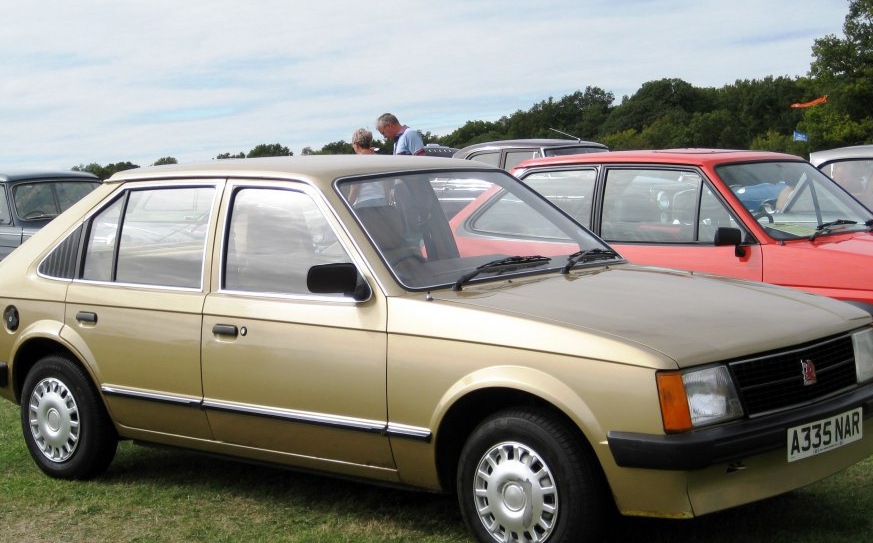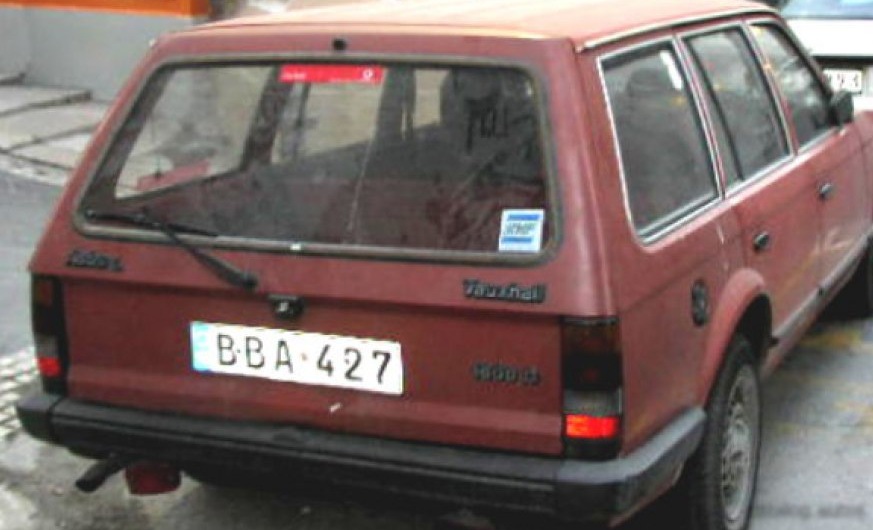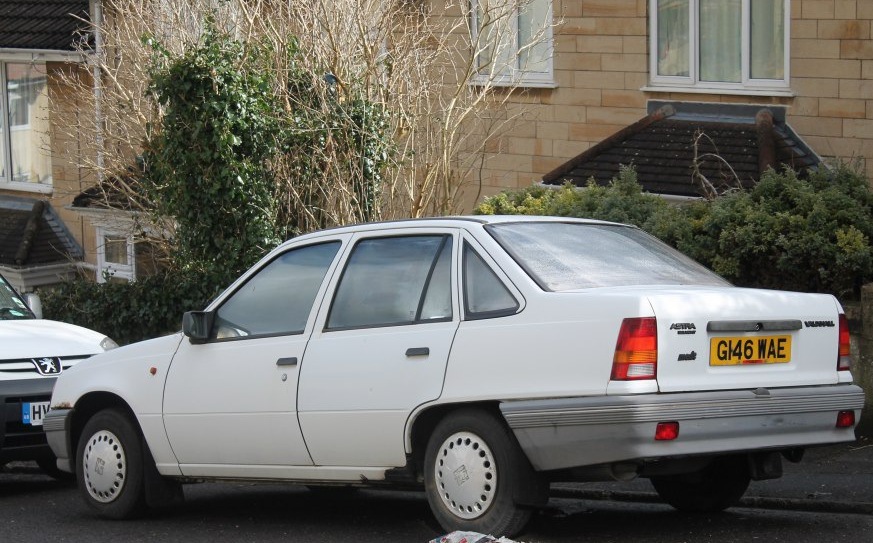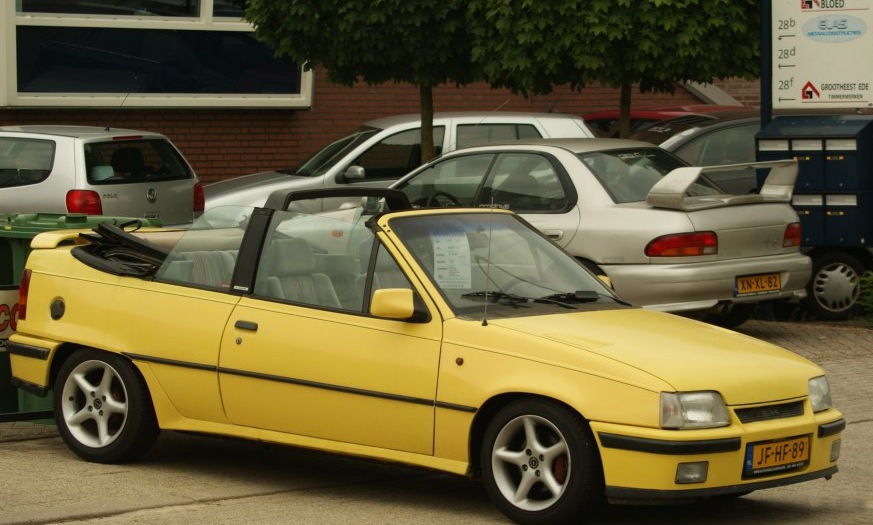
The Vauxhall Astra Mk II Convertible 1.6i, producing 82 horsepower, was a popular choice in the late 1980s and early 1990s, particularly within the United Kingdom and broader European markets. Produced between 1987 and 1991, this variant occupied an entry-level position within the Mk II Convertible range, offering open-top motoring at a relatively accessible price point. It was based on the Astra Mk II (GTE/Kadett D) platform, known internally as the 41B, and represented Vauxhall’s attempt to capitalize on the growing demand for affordable convertibles. The 1.6i model aimed to provide a balance between fuel efficiency and acceptable performance for everyday driving.
Technical Specifications
| Brand | Vauxhall |
| Model | Astra |
| Generation | Astra Mk II Convertible |
| Type (Engine) | 1.6i (82 Hp) |
| Start of production | 1987 |
| End of production | 1991 |
| Powertrain Architecture | Internal Combustion engine |
| Body type | Cabriolet |
| Seats | 4 |
| Doors | 2 |
| Fuel consumption (combined) | 6.8 l/100 km (34.6 US mpg, 41.5 UK mpg, 14.7 km/l) |
| Fuel Type | Petrol (Gasoline) |
| Weight-to-power ratio | 11.8 kg/Hp, 84.5 Hp/tonne |
| Weight-to-torque ratio | 7.5 kg/Nm, 134 Nm/tonne |
| Power | 82 Hp @ 5400 rpm |
| Power per litre | 51.3 Hp/l |
| Torque | 130 Nm @ 2600 rpm (95.88 lb.-ft. @ 2600 rpm) |
| Engine layout | Front, Transverse |
| Engine Model/Code | 16SV |
| Engine displacement | 1598 cm3 (97.52 cu. in.) |
| Number of cylinders | 4 |
| Engine configuration | Inline |
| Cylinder Bore | 80 mm (3.15 in.) |
| Piston Stroke | 79.5 mm (3.13 in.) |
| Compression ratio | 10:1 |
| Number of valves per cylinder | 2 |
| Fuel injection system | Carburettor |
| Engine aspiration | Naturally aspirated |
| Engine oil capacity | 3.5 l (3.7 US qt | 3.08 UK qt) |
| Coolant | 6.2 l (6.55 US qt | 5.46 UK qt) |
| Kerb Weight | 970 kg (2138.48 lbs.) |
| Trunk (boot) space – minimum | 290 l (10.24 cu. ft.) |
| Fuel tank capacity | 52 l (13.74 US gal | 11.44 UK gal) |
| Length | 3998 mm (157.4 in.) |
| Width | 1663 mm (65.47 in.) |
| Height | 1385 mm (54.53 in.) |
| Wheelbase | 2520 mm (99.21 in.) |
| Front track | 1400 mm (55.12 in.) |
| Rear (Back) track | 1405 mm (55.31 in.) |
| Ride height (ground clearance) | 140 mm (5.51 in.) |
| Drag coefficient (Cd) | 0.34 |
| Minimum turning circle (turning diameter) | 10.5 m (34.45 ft.) |
| Drivetrain Architecture | The Internal combustion engine (ICE) drives the front wheels of the vehicle. |
| Drive wheel | Front wheel drive |
| Number of gears and type of gearbox | 5 gears, manual transmission |
Powertrain & Engine Architecture
The Astra Mk II Convertible 1.6i was powered by the 16SV engine, a 1.6-liter inline-four cylinder unit. This engine utilized a single overhead camshaft (SOHC) valvetrain with two valves per cylinder. Fuel delivery was managed by a carburetor, a relatively common setup for vehicles of this era, though increasingly being replaced by fuel injection. The 16SV engine produced 82 horsepower at 5400 rpm and 130 Nm (95.88 lb-ft) of torque at 2600 rpm. The engine was transversely mounted at the front of the vehicle, driving the front wheels. The five-speed manual transmission was the standard offering, providing a reasonable spread of gears for both acceleration and cruising.
Driving Characteristics
The 1.6i Convertible, with its 82 horsepower, offered modest performance. Acceleration was adequate for everyday driving, but it wasn’t a particularly sporty vehicle. The 0-60 mph time was estimated to be around 12-13 seconds. The carburetor-equipped engine delivered a somewhat peaky power delivery, requiring the driver to rev the engine to access its full potential. Compared to the more powerful Astra Mk II variants, such as the 2.0-liter GTE, the 1.6i felt noticeably slower. However, the lighter weight of the 1.6i, compared to the GTE, did offer a slightly more nimble feel in corners. The five-speed manual transmission allowed for reasonable control over the engine’s power band, but the gear ratios were not particularly optimized for performance.
Equipment & Trim Levels
The 1.6i Convertible typically came with a fairly basic level of equipment. Standard features included cloth upholstery, a basic instrument cluster, and manual windows and door locks. The interior trim was generally functional rather than luxurious. Optional extras included upgraded upholstery, a sunroof (in addition to the convertible top), and a basic stereo system. The trim level was positioned as the entry point to the convertible range, appealing to buyers prioritizing affordability and open-air driving over luxury features.
Chassis & Braking
The Astra Mk II Convertible utilized a MacPherson strut front suspension and a twist-beam rear suspension. The front suspension provided reasonable handling characteristics, while the rear suspension was designed to prioritize space efficiency and cost-effectiveness. Braking was typically accomplished with disc brakes on the front wheels and drum brakes on the rear wheels. The braking system was adequate for normal driving conditions, but lacked the stopping power of more advanced systems found on higher-performance models. A stabilizer bar was fitted to the front suspension to reduce body roll during cornering.
Market Reception & Comparison
The Astra Mk II Convertible 1.6i was generally well-received as an affordable and stylish open-top car. Critics praised its value for money and its relatively comfortable ride. However, the 1.6i engine was often criticized for its lack of power, particularly when compared to the more potent 2.0-liter GTE variant. Fuel economy was reasonable for the time, averaging around 34.6 US mpg. In terms of reliability, the 16SV engine was generally considered to be fairly robust, but the carburetor required periodic maintenance and adjustment. Compared to the fuel-injected engines offered in other Astra Mk II models, the 1.6i carburetor engine was more prone to running issues.
Legacy
Today, the Vauxhall Astra Mk II Convertible 1.6i is considered a classic car, particularly among enthusiasts of 1980s and 1990s motoring. While not the most powerful or technologically advanced variant, it remains a popular choice for those seeking an affordable and enjoyable classic convertible. The 16SV engine, while simple in design, is relatively easy to maintain and repair. The availability of spare parts is generally good, although some components may be becoming increasingly difficult to find. Well-maintained examples of the 1.6i Convertible are holding their value, and are often sought after by collectors and enthusiasts alike. The car represents a significant moment in Vauxhall’s history, offering a taste of open-top motoring to a wider audience.