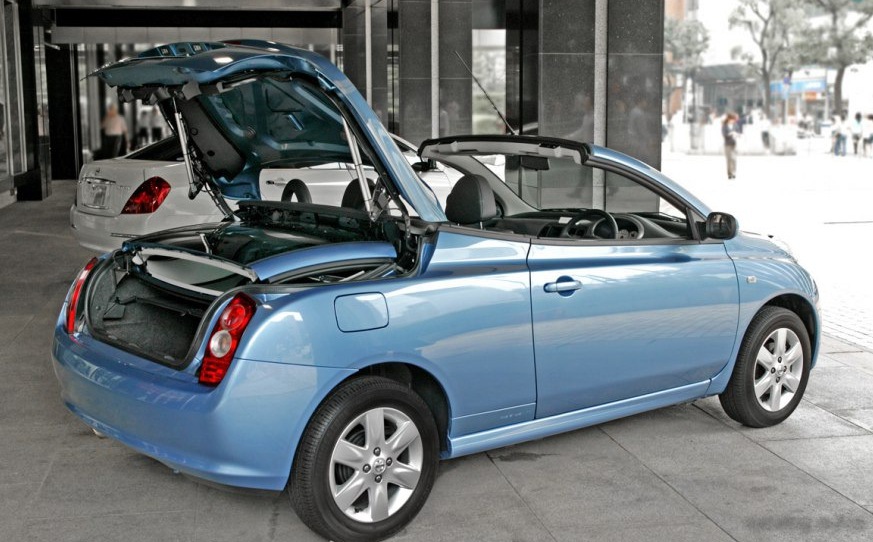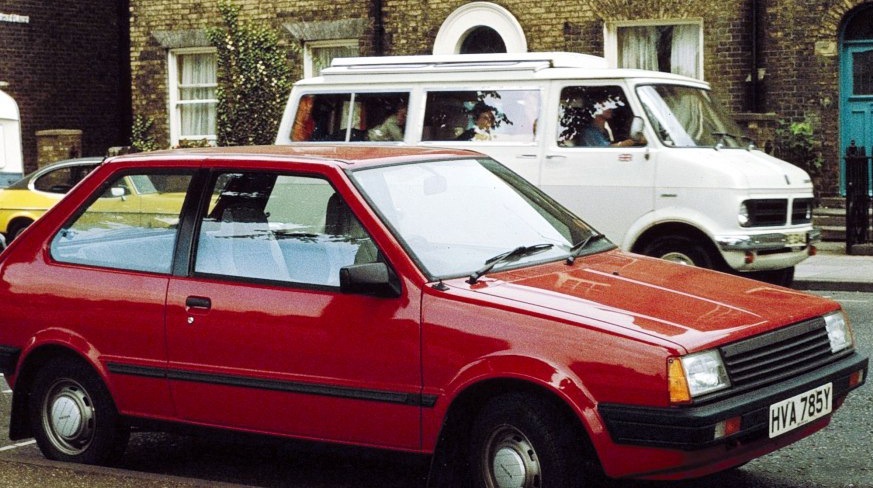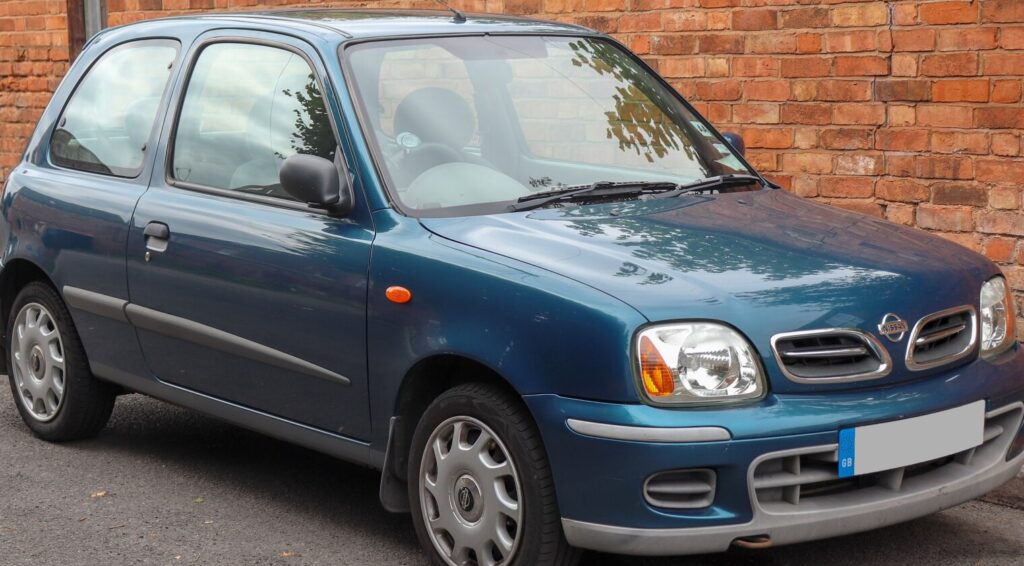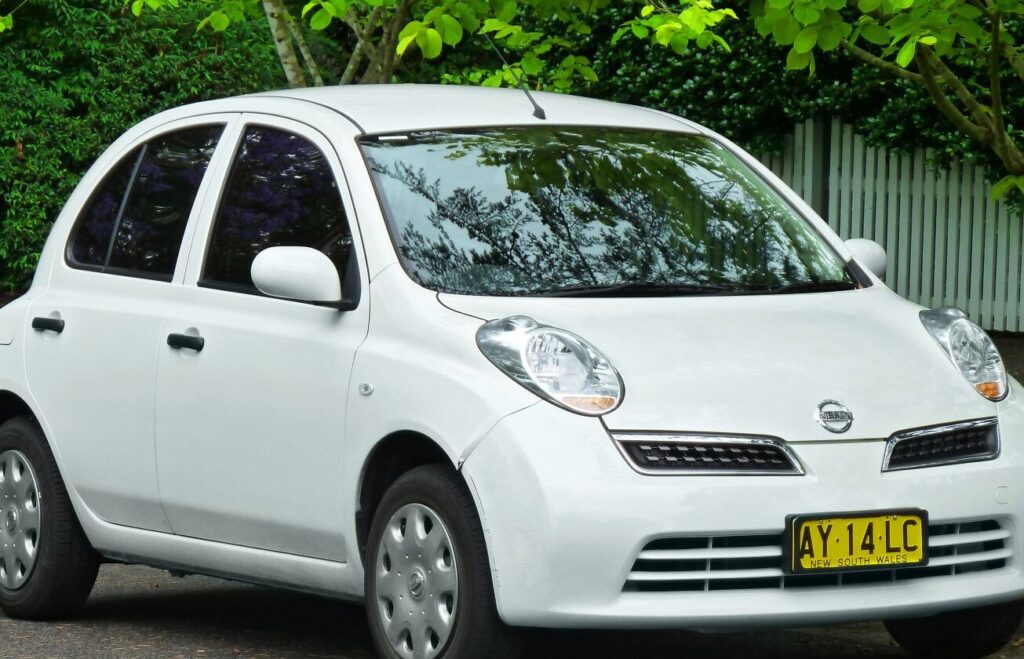
The Nissan Micra K12, produced from 2003 to 2010, represented a significant departure from its predecessors, embracing a more contemporary and rounded design. Within the K12 range, the 1.5 Di variant, powered by the K9K 704 engine and producing 65 horsepower, occupied the entry-level position in many European markets. Introduced primarily to appeal to buyers seeking economical motoring, this version offered a diesel option in a segment traditionally dominated by petrol engines. Production of this specific configuration ran from 2003 to 2005, before being superseded by later iterations of the K9K engine with increased power outputs.
Technical Specifications
| Brand | Nissan |
| Model | Micra |
| Generation | Micra (K12) |
| Type (Engine) | 1.5 Di (65 Hp) |
| Start of production | 2003 |
| End of production | 2005 |
| Powertrain Architecture | Internal Combustion engine |
| Body type | Hatchback |
| Seats | 5 |
| Doors | 3/5 |
| Fuel consumption (urban) | 5.6 l/100 km (42 US mpg, 50.4 UK mpg, 17.9 km/l) |
| Fuel consumption (extra urban) | 4 l/100 km (58.8 US mpg, 70.6 UK mpg, 25 km/l) |
| Fuel consumption (combined) | 4.6 l/100 km (51.1 US mpg, 61.4 UK mpg, 21.7 km/l) |
| Fuel Type | Diesel |
| Acceleration 0 – 100 km/h | 17 sec |
| Acceleration 0 – 62 mph | 17 sec |
| Acceleration 0 – 60 mph | 16.2 sec |
| Maximum speed | 155 km/h (96.31 mph) |
| Weight-to-power ratio | 15.1 kg/Hp |
| Weight-to-torque ratio | 6.1 kg/Nm |
| Power | 65 Hp @ 4000 rpm |
| Power per litre | 44.5 Hp/l |
| Torque | 160 Nm @ 2000 rpm (118.01 lb.-ft. @ 2000 rpm) |
| Engine layout | Front, Transverse |
| Engine Model/Code | K9K 704 |
| Engine displacement | 1461 cm3 (89.16 cu. in.) |
| Number of cylinders | 4 |
| Engine configuration | Inline |
| Cylinder Bore | 76 mm (2.99 in.) |
| Piston Stroke | 80.5 mm (3.17 in.) |
| Compression ratio | 18.8:1 |
| Number of valves per cylinder | 2 |
| Fuel injection system | Diesel Commonrail |
| Engine aspiration | Turbocharger, Intercooler |
| Valvetrain | OHC |
| Engine oil capacity | 4.55 l (4.81 US qt | 4 UK qt) |
| Coolant capacity | 6.5 l (6.87 US qt | 5.72 UK qt) |
| Kerb Weight | 980 kg (2160.53 lbs.) |
| Max. weight | 1510 kg (3328.98 lbs.) |
| Max load | 530 kg (1168.45 lbs.) |
| Trunk (boot) space – minimum | 371 l (13.1 cu. ft.) |
| Trunk (boot) space – maximum | 584 l (20.62 cu. ft.) |
| Fuel tank capacity | 46 l (12.15 US gal | 10.12 UK gal) |
| Length | 3715 mm (146.26 in.) |
| Width | 1660 mm (65.35 in.) |
| Height | 1525 mm (60.04 in.) |
| Wheelbase | 2430 mm (95.67 in.) |
| Front track | 1470 mm (57.87 in.) |
| Rear track | 1445 mm (56.89 in.) |
| Minimum turning circle | 9.8 m (32.15 ft.) |
| Drivetrain | Front wheel drive |
| Number of gears | 5 |
| Gearbox type | Manual transmission |
| Front suspension | Spring Strut |
| Rear suspension | Torsion |
| Front brakes | Ventilated discs |
| Rear brakes | Disc |
| Assisting systems | ABS (Anti-lock braking system) |
| Steering type | Steering rack and pinion |
| Tires size | 175/60 R15 |
| Wheel rims size | 5.5J x 15 |
Powertrain & Engine Architecture
The heart of the Micra 1.5 Di was the K9K 704 engine, a 1.5-liter inline-four cylinder diesel. This engine was part of the K9K family developed by Renault, and utilized in numerous vehicles across the Renault-Nissan alliance. The K9K 704 featured a turbocharger with an intercooler, boosting power output to 65 horsepower. Crucially, it employed a diesel common rail direct injection system, which improved fuel efficiency and reduced emissions compared to older diesel technologies. The engine’s overhead camshaft (OHC) configuration and two valves per cylinder were relatively simple, contributing to its reliability and ease of maintenance. The 5-speed manual transmission was the only gearbox option available with this engine, prioritizing fuel economy over outright performance.
Driving Characteristics
The 1.5 Di Micra was not designed for spirited driving. With 65 horsepower and 160 Nm (118 lb-ft) of torque, acceleration was modest, taking approximately 17 seconds to reach 62 mph. However, the engine’s torque delivery, peaking at 2000 rpm, provided adequate pulling power for everyday driving situations, particularly in urban environments. The gear ratios were optimized for fuel efficiency, meaning the engine often needed to be revved to maintain speed on inclines or during overtaking maneuvers. Compared to the later 1.5 dCi variants with higher power outputs, the 1.5 Di felt noticeably slower, but offered a smoother, more linear power delivery. The manual transmission, while not particularly sporty, was light and easy to operate.
Equipment & Trim Levels
The 1.5 Di Micra typically came with a basic level of equipment, reflecting its position as the entry-level model. Standard features generally included power steering, central locking, and an immobilizer. Interior upholstery was typically cloth, and the dashboard featured a simple, functional design. Optional extras, such as air conditioning, electric windows, and alloy wheels, were available, but often added significantly to the vehicle’s price. Trim levels varied slightly depending on the market, but generally focused on providing essential features at an affordable price point.
Chassis & Braking
The K12 Micra utilized a front-wheel-drive layout with a relatively simple suspension setup. The front suspension consisted of MacPherson strut springs, while the rear employed a torsion beam. This configuration provided a comfortable ride quality, although it wasn’t particularly sporty. Braking duties were handled by ventilated discs at the front and solid discs at the rear. Anti-lock Braking System (ABS) was standard, enhancing safety. The Micra’s relatively light weight (around 980 kg or 2160 lbs) helped to compensate for the modest braking performance.
Market Reception & Comparison
The 1.5 Di Micra was generally well-received by critics as an economical and practical city car. Its fuel efficiency was a major selling point, particularly in Europe where diesel fuel was often cheaper than petrol. However, its performance was often criticized as being underwhelming. Compared to the higher-powered 1.6-liter petrol variants, the 1.5 Di offered significantly less performance, but superior fuel economy. The 1.5 dCi models that followed offered a better balance of performance and economy, eventually replacing the 1.5 Di in many markets. Reliability was generally good, although the diesel particulate filter (DPF) could be a potential issue on early models, particularly if the vehicle was primarily used for short journeys.
Legacy
The Nissan Micra K12 1.5 Di, while not the most powerful or exciting version of the K12, remains a popular choice in the used car market, particularly for buyers seeking an affordable and fuel-efficient city car. The K9K engine, despite its age, is known for its durability and relatively low maintenance costs. However, potential buyers should be aware of the possibility of DPF issues and ensure the vehicle has been properly maintained. The 1.5 Di Micra represents a significant step in Nissan’s efforts to offer economical diesel options in the small car segment, paving the way for the more advanced dCi engines that followed.