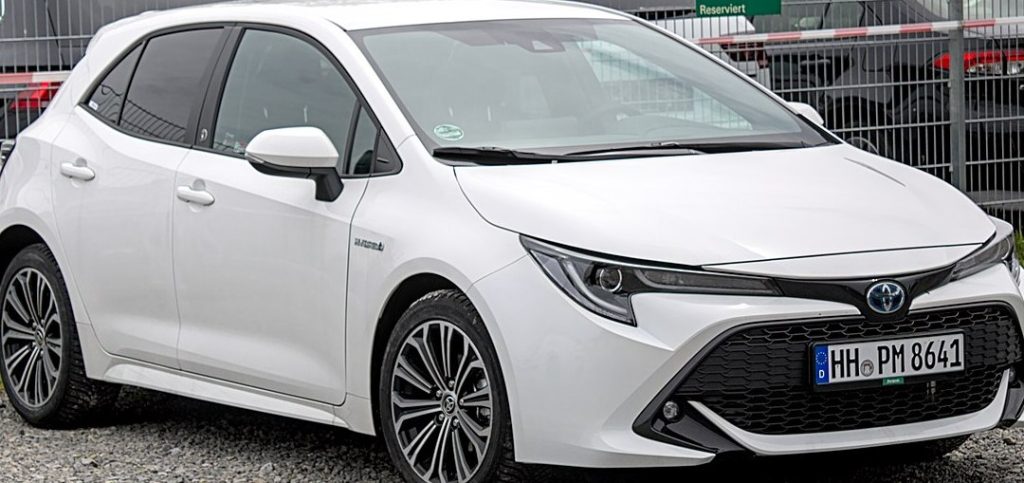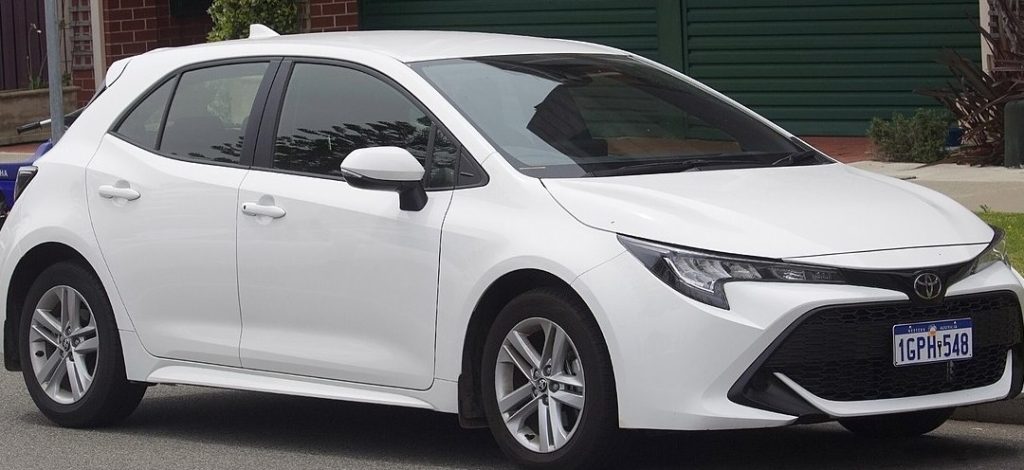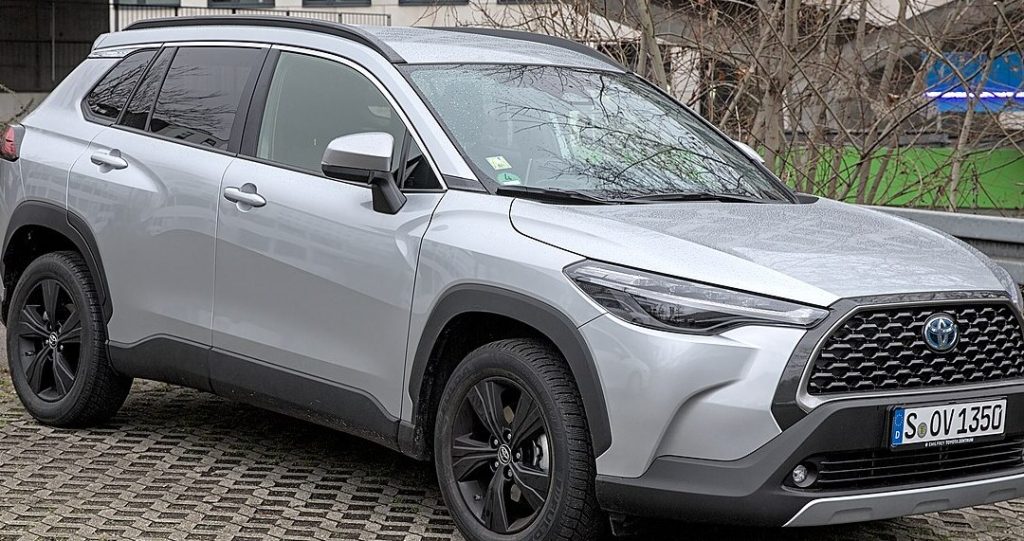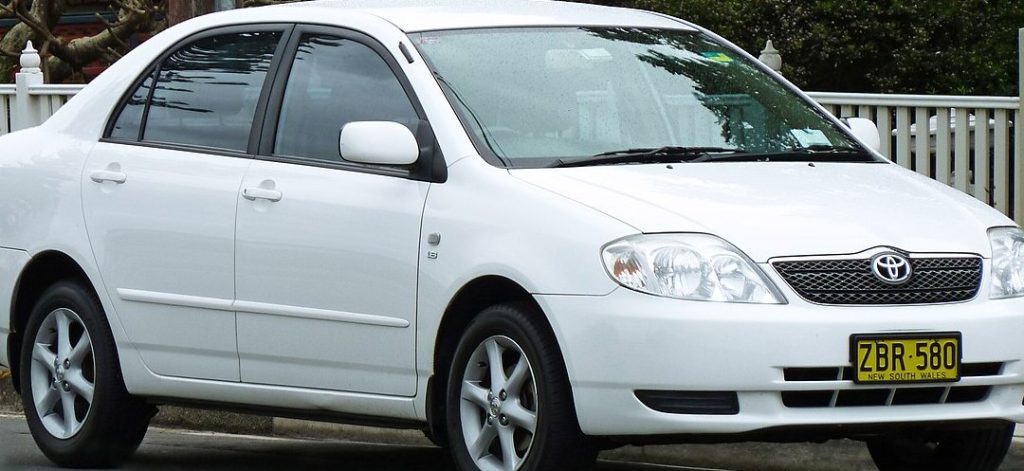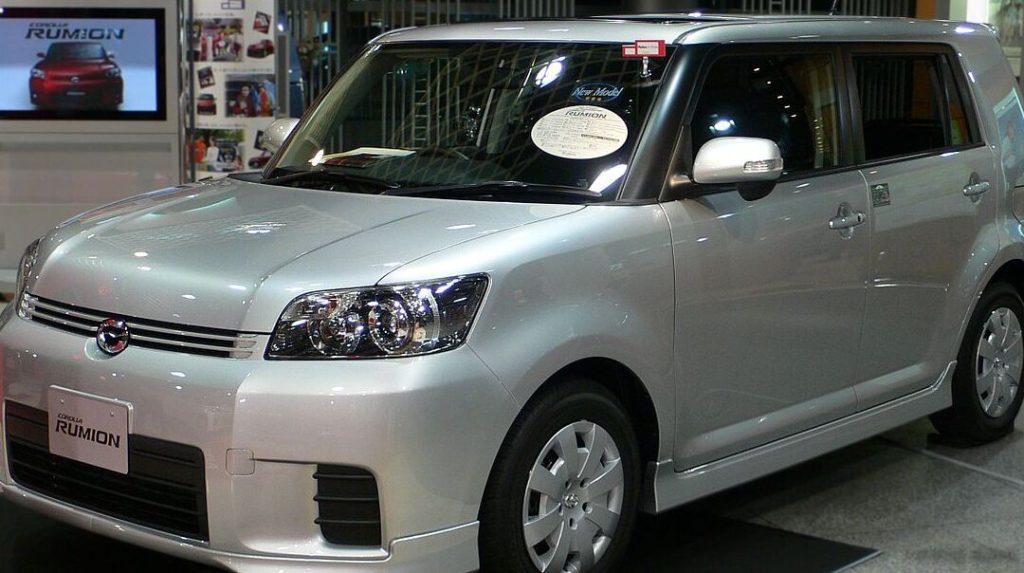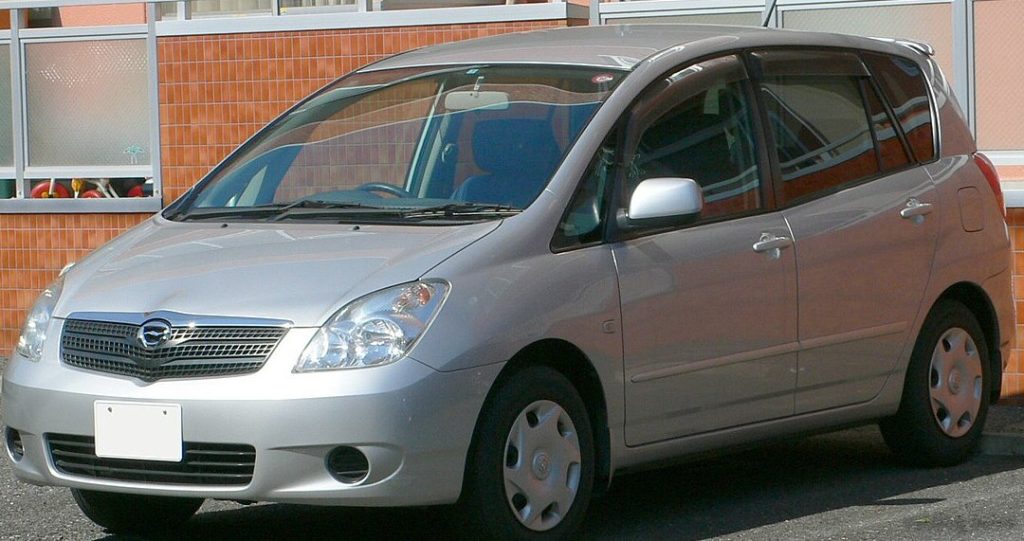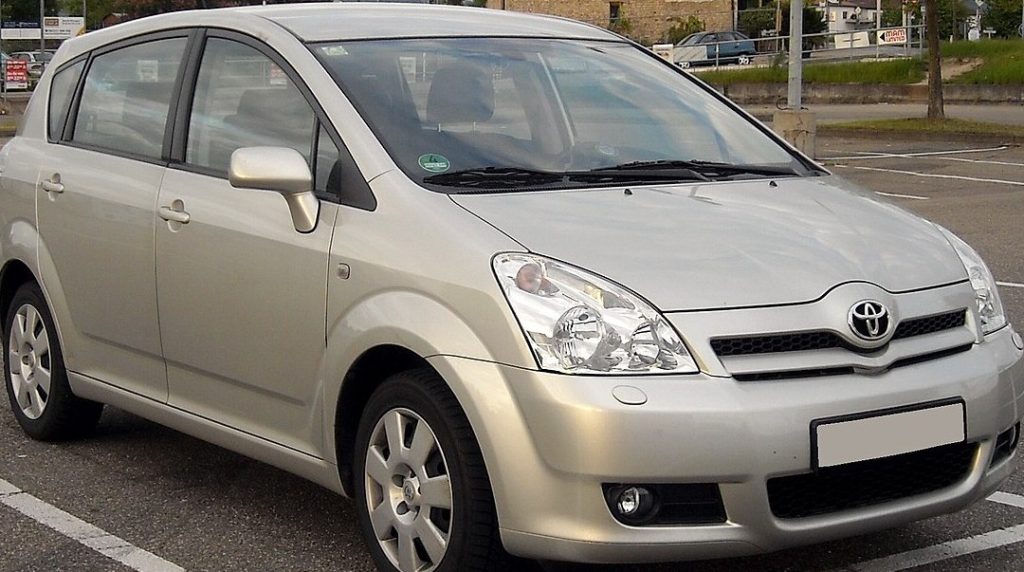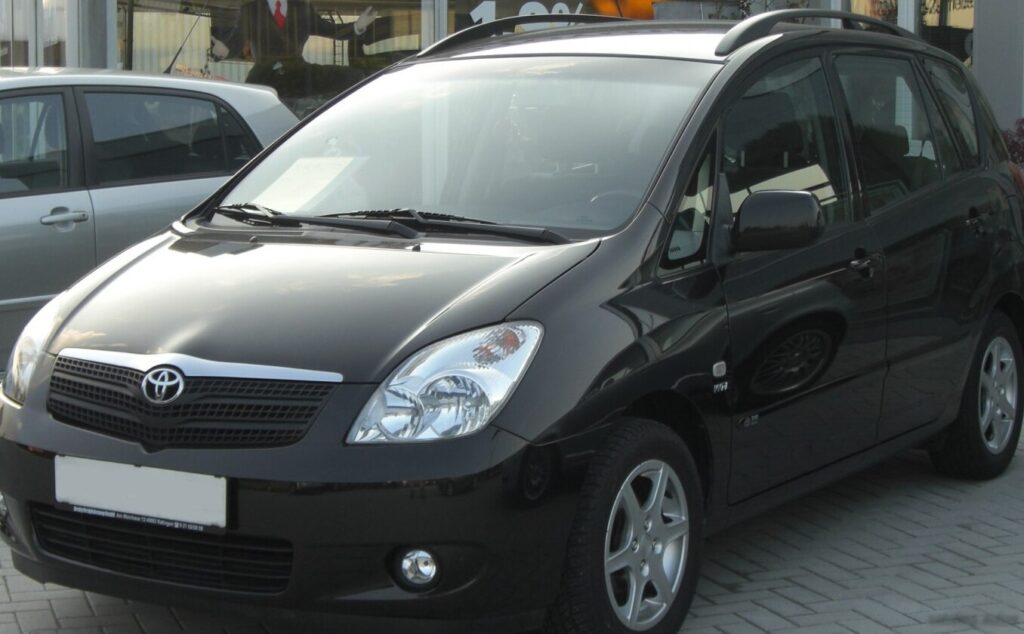
The Toyota Corolla Verso I (E120) 1.5i, produced between 2001 and 2003, represented Toyota’s entry into the compact MPV (Multi-Purpose Vehicle) segment in Europe and other markets. Positioned as a practical and family-oriented vehicle, the E120 Verso offered seven-seat capability in a relatively small footprint. This 1.5-liter variant served as the base engine option, prioritizing affordability and fuel efficiency over outright performance. It was part of the first generation Corolla Verso, built on the E120 platform, and aimed at buyers needing flexible space and seating without the cost of larger vehicles. The Verso aimed to compete with vehicles like the Renault Scenic and Opel Zafira, offering a Toyota reputation for reliability alongside a versatile interior.
Technical Specifications
| Brand | Toyota |
| Model | Corolla Verso |
| Generation | Corolla Verso I (E120) |
| Type (Engine) | 1.5 i (110 Hp) |
| Start of production | 2001 |
| End of production | 2003 |
| Powertrain Architecture | Internal Combustion engine |
| Body type | MPV |
| Seats | 7 |
| Doors | 5 |
| Fuel Type | Petrol (Gasoline) |
| Weight-to-power ratio | 10.9 kg/Hp, 92.1 Hp/tonne |
| Weight-to-torque ratio | 8.4 kg/Nm, 119.7 Nm/tonne |
| Power | 110 Hp @ 6000 rpm |
| Power per litre | 73.5 Hp/l |
| Torque | 143 Nm @ 4200 rpm (105.47 lb.-ft. @ 4200 rpm) |
| Engine layout | Front, Transverse |
| Engine Model/Code | 1NZ-FE |
| Engine displacement | 1496 cm3 (91.29 cu. in.) |
| Number of cylinders | 4 |
| Engine configuration | Inline |
| Cylinder Bore | 75 mm (2.95 in.) |
| Piston Stroke | 84.7 mm (3.33 in.) |
| Compression ratio | 10.5:1 |
| Number of valves per cylinder | 4 |
| Fuel injection system | Multi-port manifold injection |
| Engine aspiration | Naturally aspirated engine |
| Valvetrain | DOHC |
| Engine oil capacity | 3.7 l (3.91 US qt | 3.26 UK qt) |
| Coolant | 5.9 l (6.23 US qt | 5.19 UK qt) |
| Kerb Weight | 1195 kg (2634.52 lbs.) |
| Trunk (boot) space – minimum | 415 l (14.66 cu. ft.) |
| Fuel tank capacity | 55 l (14.53 US gal | 12.1 UK gal) |
| Length | 4240 mm (166.93 in.) |
| Width | 1710 mm (67.32 in.) |
| Height | 1610 mm (63.39 in.) |
| Wheelbase | 2600 mm (102.36 in.) |
| Front track | 1480 mm (58.27 in.) |
| Rear (Back) track | 1490 mm (58.66 in.) |
| Drivetrain Architecture | The Internal combustion engine (ICE) drives the front wheels of the vehicle. |
| Drive wheel | Front wheel drive |
| Number of gears and type of gearbox | 4 gears, automatic transmission |
| Front suspension | Spring Strut |
| Rear suspension | Torsion |
| Front brakes | Ventilated discs |
| Rear brakes | Disc |
| Assisting systems | ABS (Anti-lock braking system) |
| Steering type | Steering rack and pinion |
| Power steering | Hydraulic Steering |
| Tires size | 185/70 R14 |
Powertrain & Engine Architecture
The heart of the Corolla Verso 1.5i is the 1NZ-FE engine, a 1.5-liter inline-four cylinder gasoline engine. This engine is known for its reliability and fuel efficiency, rather than high performance. It utilizes a multi-port fuel injection system, delivering fuel directly into the intake ports, and a double overhead camshaft (DOHC) valvetrain for improved breathing and efficiency. The 1NZ-FE features a compression ratio of 10.5:1, a common figure for naturally aspirated engines of this era. Paired with this engine is a four-speed automatic transmission. This transmission was chosen to provide ease of use, particularly appealing to family buyers, but at the expense of some fuel economy and responsiveness compared to the available manual gearbox. The automatic transmission’s gear ratios were tuned for comfortable cruising and adequate acceleration in typical driving conditions.
Driving Characteristics
The 110 horsepower and 143 Nm (105 lb-ft) of torque produced by the 1.5-liter engine resulted in modest, but adequate, performance. Acceleration was not brisk, and overtaking required careful planning. The four-speed automatic transmission, while smooth, lacked the responsiveness of more modern transmissions. Compared to the higher-output 1.8-liter variants, the 1.5i felt noticeably slower, especially when fully loaded with passengers and luggage. However, the engine was willing enough for everyday commuting and urban driving. The automatic transmission’s shift points were programmed for fuel economy, which meant the engine often operated at lower RPMs, contributing to a quieter and more relaxed driving experience. The Verso’s front-wheel-drive configuration provided predictable handling, but it wasn’t particularly sporty.
Equipment & Trim Levels
The 1.5i trim level typically represented the entry point into the Corolla Verso range. Standard equipment generally included power steering, central locking, electric front windows, and an AM/FM radio. Air conditioning was often an optional extra. Interior upholstery was typically cloth, and the dashboard featured a functional, if somewhat basic, design. Higher trim levels, such as the 1.8 variants, added features like alloy wheels, upgraded audio systems, and more luxurious interior trim. The seven-seat configuration was standard across all Verso models, but the 1.5i often lacked some of the convenience features found in the more expensive trims.
Chassis & Braking
The Corolla Verso I utilized a relatively simple chassis design. Front suspension consisted of MacPherson strut springs, while the rear employed a torsion beam setup. This configuration provided a reasonable balance between ride comfort and handling. Braking was handled by ventilated discs on the front wheels and solid discs on the rear. Anti-lock Braking System (ABS) was standard, enhancing safety. The Verso’s suspension was tuned for comfort, prioritizing a smooth ride over sporty handling. Stabilizer bars were fitted to both the front and rear axles to reduce body roll during cornering.
Market Reception & Comparison
The Corolla Verso 1.5i was generally well-received as a practical and affordable family vehicle. Critics praised its spacious interior, versatile seating arrangement, and Toyota’s reputation for reliability. However, the 1.5-liter engine was often criticized for being underpowered, particularly when the vehicle was fully loaded. Compared to the 1.8-liter versions, the 1.5i offered better fuel economy but significantly less performance. The 1.8L offered a more refined driving experience and was better suited for long journeys or frequent highway driving. In terms of reliability, the 1.5i proved to be a dependable powertrain, with few major issues reported.
Legacy
The Toyota Corolla Verso I (E120) 1.5i remains a relatively common sight on used car markets today. The 1NZ-FE engine is known for its longevity and relatively low maintenance costs. While not a performance standout, the 1.5i’s reliability and fuel efficiency make it a sensible choice for budget-conscious buyers seeking a practical family vehicle. Parts availability is generally good, and the Verso’s simple mechanical design makes it relatively easy to repair. The E120 Verso laid the foundation for subsequent generations of the Corolla Verso, establishing it as a popular choice in the compact MPV segment.