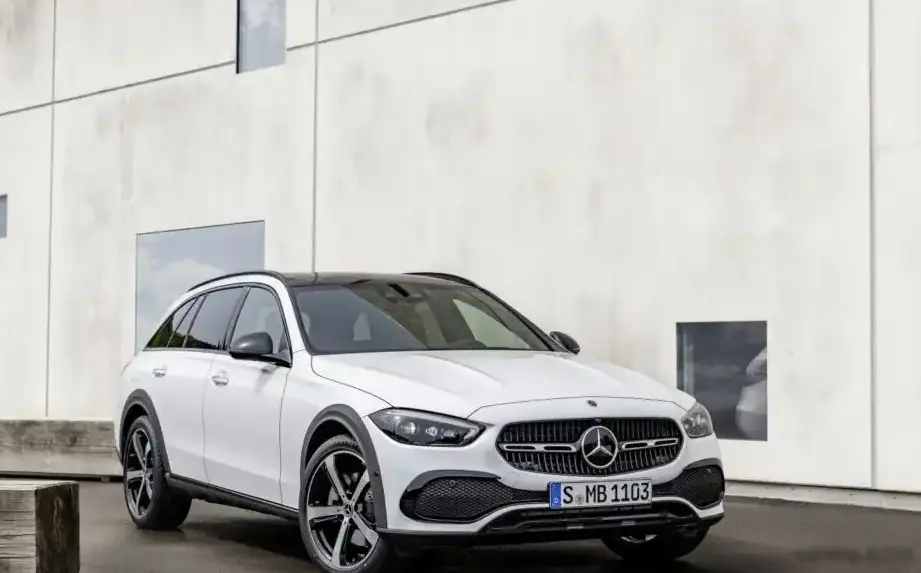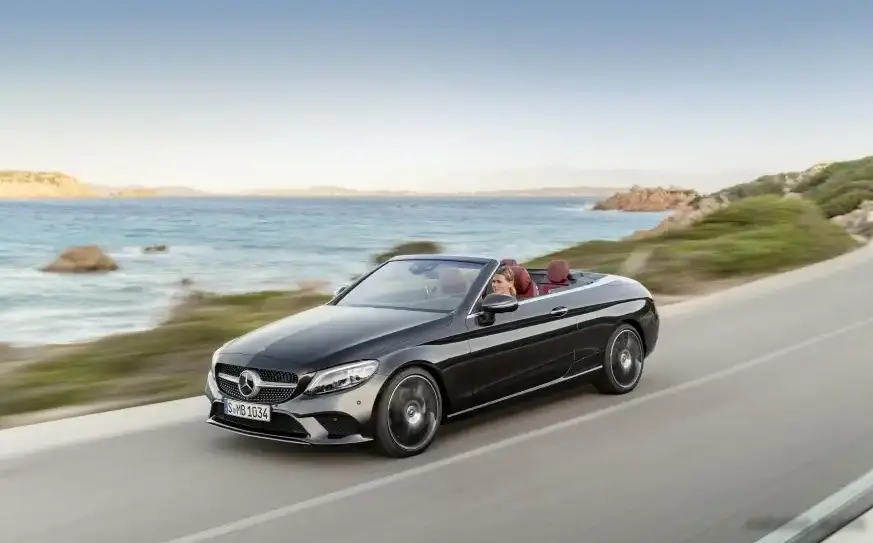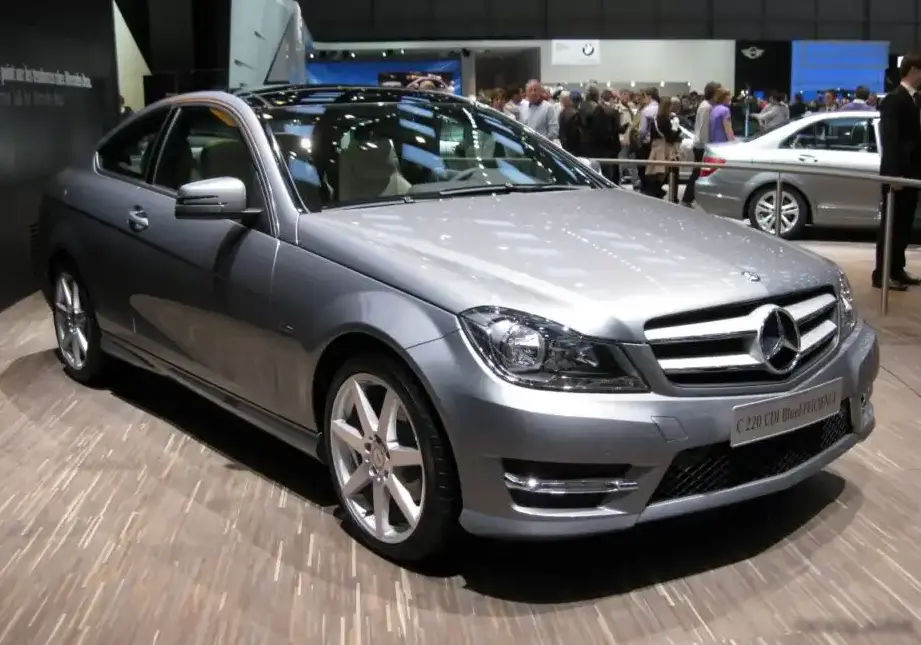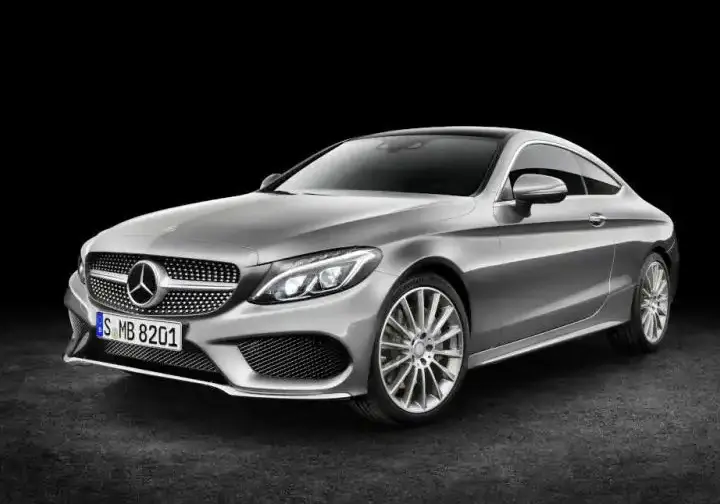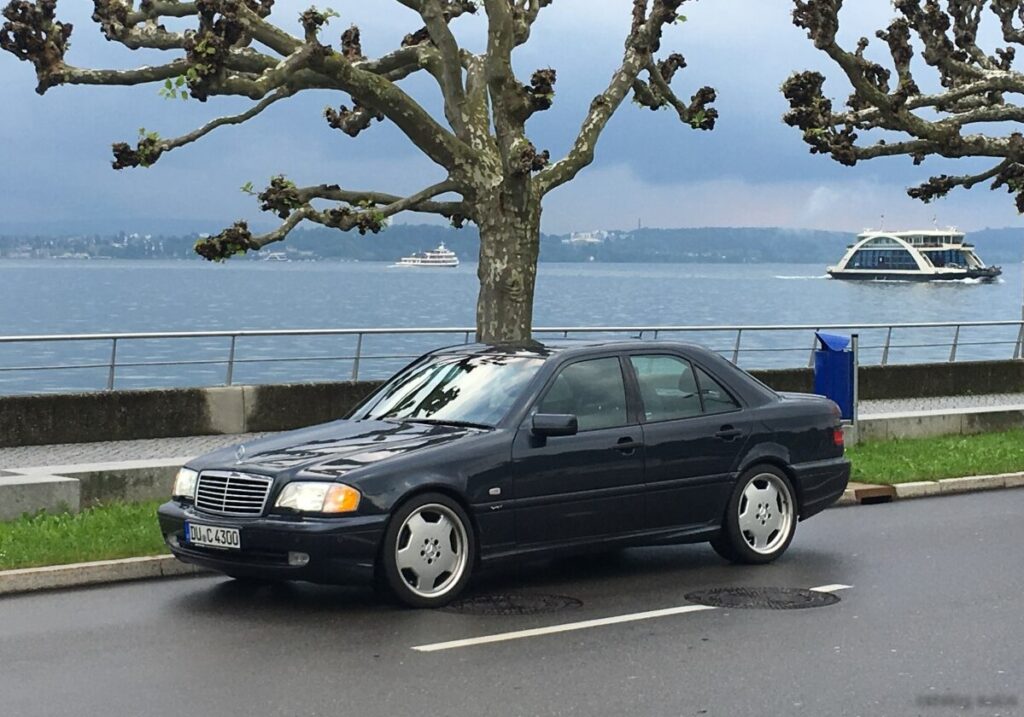
The Mercedes-Benz C 180, equipped with the 5G-TRONIC automatic transmission, was a key variant within the W202 C-Class range, particularly after the 1997 facelift. Produced from June 1997 to May 2000, this model aimed to provide a more accessible entry point into the C-Class lineup while still delivering the brand’s renowned comfort and build quality. It occupied a mid-range position, slotting below the more powerful C 200 and C 230 Kompressor models, and above any base-level offerings in certain markets. The W202 C-Class, as a whole, represented Mercedes-Benz’s attempt to create a smaller, more affordable luxury sedan to compete with rivals like the BMW 3 Series and Audi A4.
Technical Specifications
| Brand | Mercedes-Benz |
| Model | C-class |
| Generation | C-class (W202, facelift 1997) |
| Type (Engine) | C 180 (122 Hp) 5G-TRONIC |
| Start of production | June, 1997 |
| End of production | May, 2000 |
| Powertrain Architecture | Internal Combustion engine |
| Body type | Sedan |
| Seats | 5 |
| Doors | 4 |
| Fuel consumption (urban) | 10.6 l/100 km (22.2 US mpg) |
| Fuel consumption (extra urban) | 6.3 l/100 km (37.3 US mpg) |
| Fuel Type | Petrol (Gasoline) |
| Acceleration 0 – 100 km/h | 13 sec |
| Acceleration 0 – 62 mph | 13 sec |
| Acceleration 0 – 60 mph | 12.4 sec |
| Maximum speed | 190 km/h (118.06 mph) |
| Weight-to-power ratio | 11.1 kg/Hp |
| Weight-to-torque ratio | 7.9 kg/Nm |
| Power | 122 Hp @ 5500 rpm |
| Torque | 170 Nm @ 2700-4500 rpm (125.39 lb.-ft.) |
| Engine layout | Front, Longitudinal |
| Engine Model/Code | M 111 E 18 / 111.921 |
| Engine displacement | 1799 cm3 (109.78 cu. in.) |
| Number of cylinders | 4 |
| Engine configuration | Inline |
| Cylinder Bore | 85.3 mm (3.36 in.) |
| Piston Stroke | 78.7 mm (3.1 in.) |
| Compression ratio | 9.8:1 |
| Number of valves per cylinder | 4 |
| Fuel injection system | Multi-port manifold injection |
| Engine aspiration | Naturally aspirated engine |
| Valvetrain | DOHC |
| Engine oil capacity | 5.5 l (5.81 US qt | 4.84 UK qt) |
| Coolant | 8.5 l (8.98 US qt | 7.48 UK qt) |
| Kerb Weight | 1350 kg (2976.24 lbs.) |
| Max. weight | 1830 kg (4034.46 lbs.) |
| Max load | 480 kg (1058.22 lbs.) |
| Fuel tank capacity | 62 l (16.38 US gal | 13.64 UK gal) |
| Length | 4516 mm (177.8 in.) |
| Width | 1723 mm (67.83 in.) |
| Height | 1427 mm (56.18 in.) |
| Wheelbase | 2690 mm (105.91 in.) |
| Front track | 1499 mm (59.02 in.) |
| Rear track | 1464 mm (57.64 in.) |
| Drag coefficient (Cd) | 0.32 |
| Drivetrain Architecture | Rear wheel drive |
| Drive wheel | Rear wheel drive |
| Number of gears | 5 |
| Gearbox type | automatic transmission 5G-TRONIC |
| Front suspension | Double wishbone |
| Rear suspension | Independent multi-link spring suspension with stabilizer |
| Front brakes | Disc |
| Rear brakes | Disc |
| Assisting systems | ABS (Anti-lock braking system) |
| Steering type | Cone worm with recirculation balls |
| Power steering | Hydraulic Steering |
| Tires size | 195/65 R15 |
| Wheel rims size | 6.5J x 15 |
Powertrain & Engine Architecture
The C 180 utilized the M111 E 18 engine, a 1.8-liter inline-four cylinder powerplant. This engine was a significant departure from the older, less efficient engines previously used in the C-Class. The M111 featured multi-port fuel injection and a double overhead camshaft (DOHC) valvetrain, contributing to its improved performance and fuel economy. The engine code, 111.921, specifically identifies this variant. The 5G-TRONIC transmission, a five-speed automatic, was a key component of this package. It offered smoother shifts compared to earlier Mercedes-Benz automatics and contributed to a more relaxed driving experience. The transmission was electronically controlled, adapting shift points based on driving conditions and throttle input. Unlike some competitors, the C 180 did not offer a manual transmission option in many markets.
Driving Characteristics
The C 180 Automatic delivered a comfortable, refined driving experience, prioritizing smoothness over outright performance. With 122 horsepower and 170 Nm (125 lb-ft) of torque, acceleration was adequate for everyday driving, but not particularly brisk. The 0-60 mph time of around 12.4 seconds reflects this. The 5G-TRONIC transmission’s gear ratios were tuned for fuel efficiency and comfort, resulting in a less sporty feel compared to the manual transmission options available in other C-Class models. The automatic transmission did offer a ‘winter’ mode, altering shift points for improved traction in slippery conditions. Compared to the C 200 or C 230 Kompressor, the C 180 felt noticeably less powerful, especially during overtaking maneuvers or when climbing hills.
Equipment & Trim Levels
The C 180 typically came standard with features like power windows, central locking, and air conditioning. Interior upholstery was usually cloth, although leather was available as an option. The dashboard layout was typical of the W202 C-Class, featuring a straightforward design with clearly labeled controls. Optional extras included a sunroof, upgraded audio system, and alloy wheels. The C 180 was often chosen by buyers who prioritized comfort and convenience over performance and luxury, making it a popular choice for families and commuters. The ‘Classic’ trim level was common, offering a balance of features and affordability.
Chassis & Braking
The C 180 utilized a double wishbone front suspension and an independent multi-link rear suspension, providing a comfortable ride and good handling characteristics. Brakes were disc brakes on all four wheels, offering adequate stopping power for the vehicle’s weight and performance. Anti-lock Braking System (ABS) was standard, enhancing safety. The suspension was tuned for comfort, resulting in a slightly softer ride compared to the sportier C-Class variants. Stabilizer bars were fitted to both the front and rear axles to reduce body roll during cornering.
Market Reception & Comparison
The C 180 Automatic was generally well-received by critics as a sensible and practical option within the C-Class range. It was praised for its comfortable ride, refined interior, and fuel efficiency. However, some reviewers noted its lack of outright performance compared to its more powerful siblings. Fuel economy was a strong point, with combined figures around 8.5 liters per 100 kilometers (approximately 33 US mpg). Compared to the C 200, the C 180 offered a lower purchase price but sacrificed performance. The C 230 Kompressor, with its supercharged engine, provided significantly more power but came at a higher cost. The C 180’s reliability was generally good, although regular maintenance was essential to prevent issues with the engine and transmission.
Legacy
The M111 engine, found in the C 180, proved to be a durable and reliable powerplant. Today, well-maintained examples of the C 180 are still found on the road, demonstrating the build quality of the W202 C-Class. The 5G-TRONIC transmission, while not as sophisticated as modern automatics, has also proven to be relatively reliable. In the used car market, the C 180 represents an affordable entry point into Mercedes-Benz ownership, appealing to buyers who prioritize comfort, reliability, and fuel efficiency over outright performance. However, potential buyers should be aware of the age-related issues common to older vehicles, such as corrosion and wear and tear on suspension components.