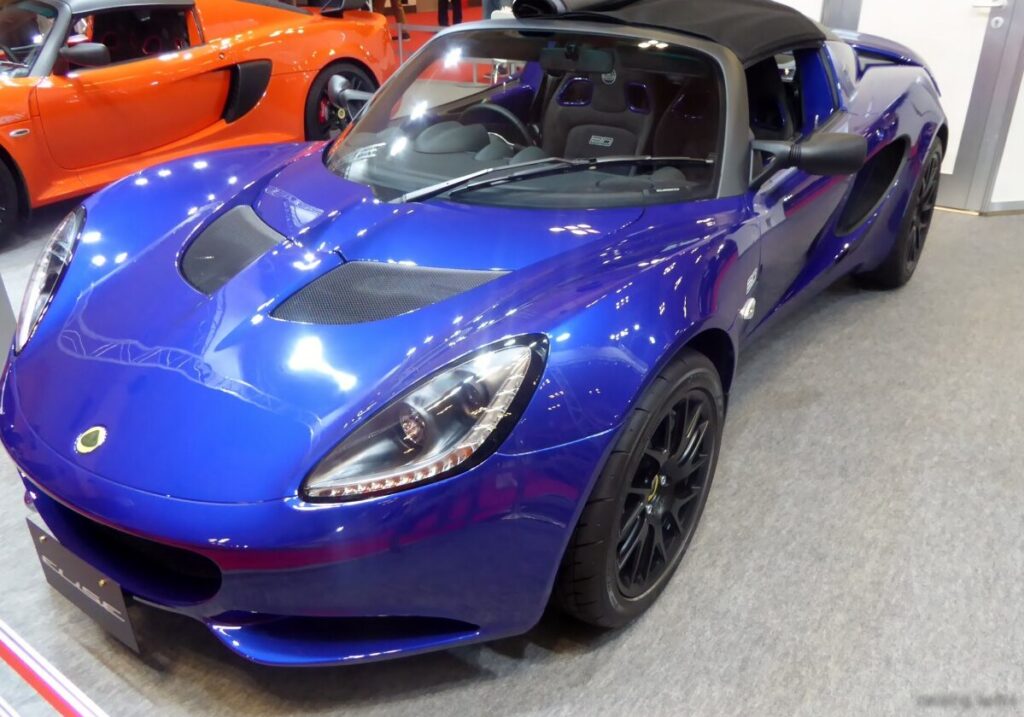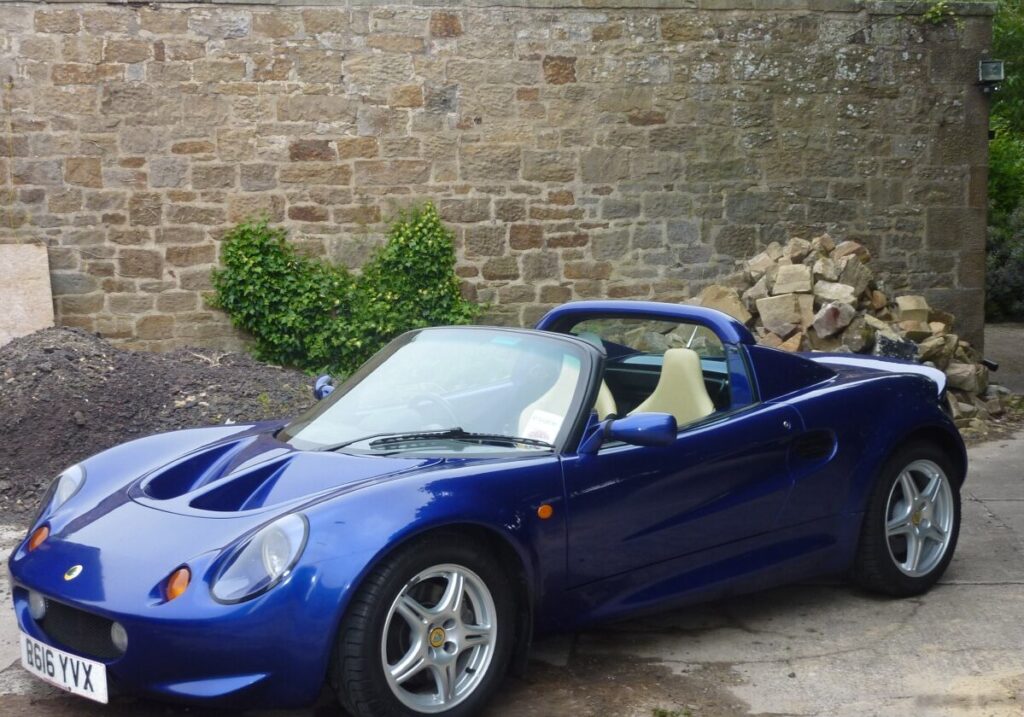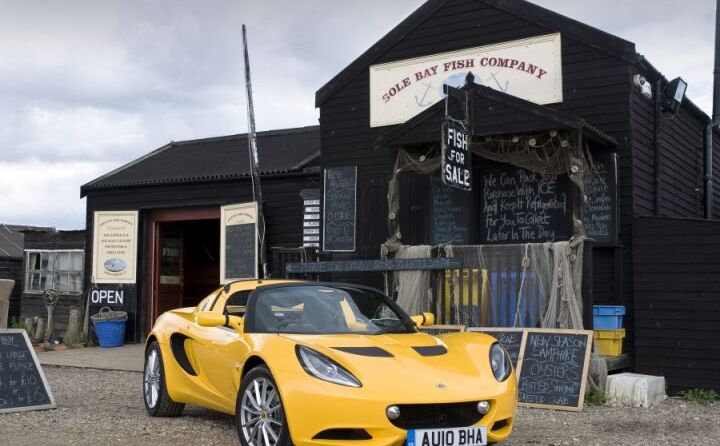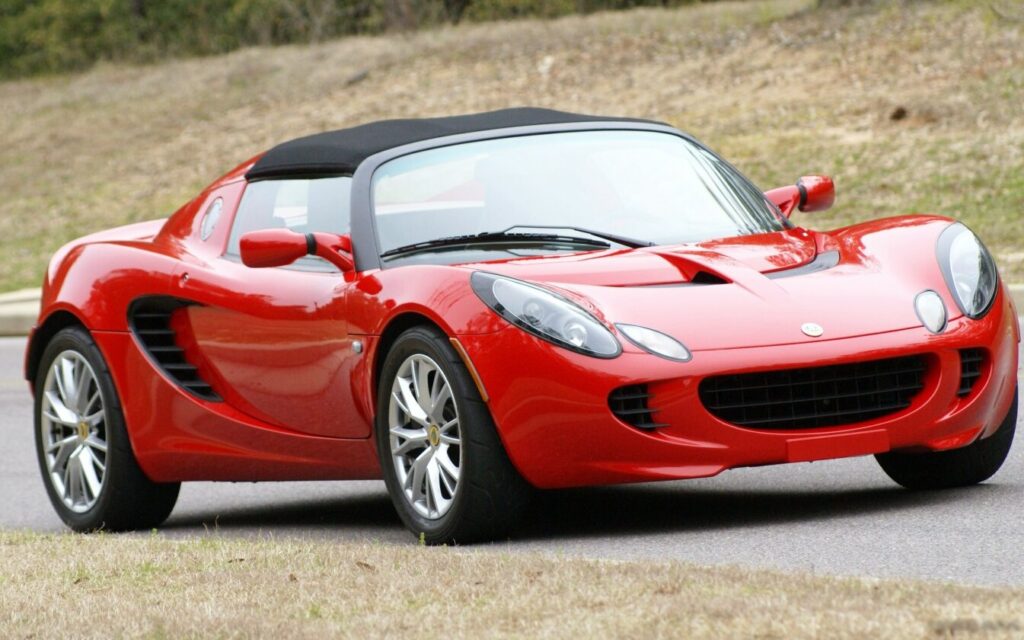
The Lotus Elise (Series 2) 1.8i 16V, internally designated 111R, was a high-performance roadster produced by British manufacturer Lotus between 2004 and 2010. Representing a significant evolution of the original Elise, the Series 2 brought with it revised styling, improved refinement, and a more powerful engine option. The 111R, with its 1.8-liter engine producing 192 horsepower, occupied a sweet spot in the Elise lineup, offering a compelling balance of performance and driver engagement. It was built on the Lotus 1HX0/A3 platform, known for its lightweight construction and exceptional handling characteristics.
Technical Specifications
| Brand | Lotus |
| Model | Elise |
| Generation | Elise (Series 2) |
| Type (Engine) | 1.8 i 16V 111R (192 Hp) |
| Start of production | 2004 |
| End of production | 2010 |
| Powertrain Architecture | Internal Combustion engine |
| Body type | Roadster |
| Seats | 2 |
| Doors | 2 |
| Fuel consumption (urban) | 12 l/100 km (19.6 US mpg) |
| Fuel consumption (extra urban) | 7 l/100 km (33.6 US mpg) |
| Fuel Type | Petrol (Gasoline) |
| Acceleration 0 – 100 km/h | 4.9 sec |
| Acceleration 0 – 62 mph | 4.9 sec |
| Acceleration 0 – 60 mph | 4.9 sec |
| Maximum speed | 220 km/h (136.7 mph) |
| Weight-to-power ratio | 4.4 kg/Hp |
| Weight-to-torque ratio | 4.7 kg/Nm |
| Power | 192 Hp @ 7800 rpm |
| Power per litre | 106.9 Hp/l |
| Torque | 180 Nm @ 6800 rpm (132.76 lb.-ft. @ 6800 rpm) |
| Engine layout | Middle, Longitudinal |
| Engine displacement | 1796 cm3 (109.6 cu. in.) |
| Number of cylinders | 4 |
| Engine configuration | Inline |
| Cylinder Bore | 82 mm (3.23 in.) |
| Piston Stroke | 85 mm (3.35 in.) |
| Compression ratio | 11.5:1 |
| Number of valves per cylinder | 4 |
| Fuel injection system | Multi-port manifold injection |
| Engine aspiration | Naturally aspirated engine |
| Valvetrain | DOHC |
| Kerb Weight | 850 kg (1873.93 lbs.) |
| Trunk (boot) space – minimum | 115 l (4.06 cu. ft.) |
| Fuel tank capacity | 38 l (10.04 US gal | 8.36 UK gal) |
| Length | 3785 mm (149.02 in.) |
| Width | 1719 mm (67.68 in.) |
| Height | 1143 mm (45 in.) |
| Wheelbase | 2300 mm (90.55 in.) |
| Front track | 1457 mm (57.36 in.) |
| Rear (Back) track | 1503 mm (59.17 in.) |
| Drivetrain Architecture | Rear wheel drive |
| Drive wheel | Rear wheel drive |
| Number of gears and type of gearbox | 6 gears, manual transmission |
| Front suspension | Coil spring |
| Rear suspension | Coil spring |
| Front brakes | Ventilated discs |
| Rear brakes | Ventilated discs |
| Assisting systems | ABS (Anti-lock braking system) |
| Steering type | Steering rack and pinion |
| Tires size | 175/55 R16; 225/45 R17 |
| Wheel rims size | 16; 17 |
Powertrain & Engine Architecture
The heart of the Elise 111R is the Rover K-Series engine, specifically the 1.8-liter 16-valve variant. While originally developed by Rover, Lotus extensively modified and refined this engine for use in the Elise. The engine code is often associated with the later Toyota-sourced 1ZZ-FE and 2ZZ-GE engines, but the 111R retains the Rover unit. It features a naturally aspirated configuration with multi-port fuel injection and a double overhead camshaft (DOHC) valvetrain. The 11.5:1 compression ratio contributes to its spirited performance. The engine is mounted longitudinally in a mid-engine layout, optimizing weight distribution for superior handling. Power is delivered to the rear wheels through a smooth-shifting six-speed manual transmission, a crucial element in the Elise driving experience.
Driving Characteristics
The Elise 111R delivers a raw and engaging driving experience. The combination of the lightweight chassis (approximately 1874 lbs) and the 192 horsepower engine results in a power-to-weight ratio of around 225 hp per tonne. This translates to brisk acceleration – 0 to 60 mph in around 4.9 seconds – and a top speed of 136.7 mph. Compared to the base Elise with a 1.6-liter engine, the 111R offers a noticeable performance upgrade. While not as potent as the later Elise S models with their supercharged engines, the 111R provides a more accessible and balanced driving experience. The six-speed gearbox is well-matched to the engine’s powerband, allowing drivers to keep the engine in its sweet spot for optimal acceleration. The lack of power steering contributes to the direct and communicative feel of the steering, further enhancing driver involvement.
Equipment & Trim Levels
The Elise 111R was designed with a focus on minimalism and performance. Standard equipment included lightweight composite body panels, a minimalist interior with leather seats, and air conditioning. However, the Elise was highly customizable, and numerous options were available. These included upgraded audio systems, full carpeting, and various interior trim packages. The 111R typically featured a more focused interior than some of the later, more comfort-oriented Elise models. The emphasis was on providing a pure driving experience, with minimal distractions.
Chassis & Braking
The Elise’s chassis is its defining feature – a bonded aluminum monocoque providing exceptional rigidity and lightness. Suspension consists of independent double wishbones with coil springs and anti-roll bars at both the front and rear. The 111R utilized ventilated disc brakes on all four wheels, providing ample stopping power. An Anti-lock Braking System (ABS) was standard. The suspension setup was tuned for optimal handling and responsiveness, prioritizing cornering ability over outright comfort. The relatively low weight of the vehicle meant that the braking system didn’t require excessive size or complexity to deliver strong performance.
Market Reception & Comparison
The Elise 111R was widely praised by automotive journalists for its exceptional handling, engaging driving experience, and minimalist design. Critics noted its raw and visceral nature, appreciating its focus on driver involvement. Compared to other sports cars in its price range, the Elise offered a unique combination of performance and agility. While its practicality was limited – with minimal cargo space and a challenging entry and exit – its driving dynamics more than compensated for these shortcomings. The 111R offered a compelling alternative to more mainstream sports cars, appealing to enthusiasts who prioritized driving pleasure above all else. Fuel economy was respectable for a sports car of its performance level, averaging around 23.5 mpg (UK) or 33.6 mpg (US) on the extra-urban cycle.
Legacy
The Lotus Elise Series 2, and particularly the 111R variant, has established a strong following among driving enthusiasts. The Rover K-Series engine, while known for some cooling system vulnerabilities if not properly maintained, proved to be a reliable and durable powerplant when cared for. Today, the Elise 111R remains a sought-after used car, prized for its purity of purpose and exceptional driving dynamics. Its lightweight construction and engaging handling continue to make it a compelling choice for those seeking a truly rewarding sports car experience. The Elise’s influence can be seen in numerous subsequent sports car designs, cementing its place as a modern classic.