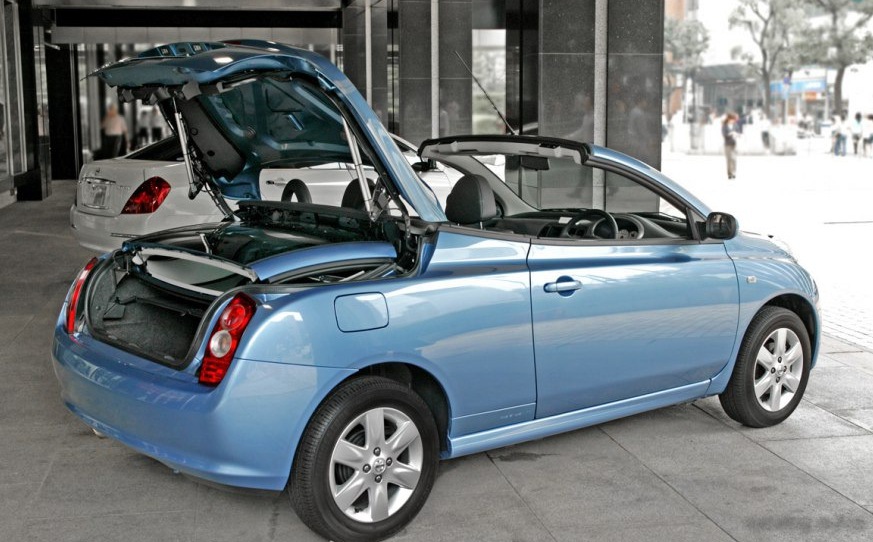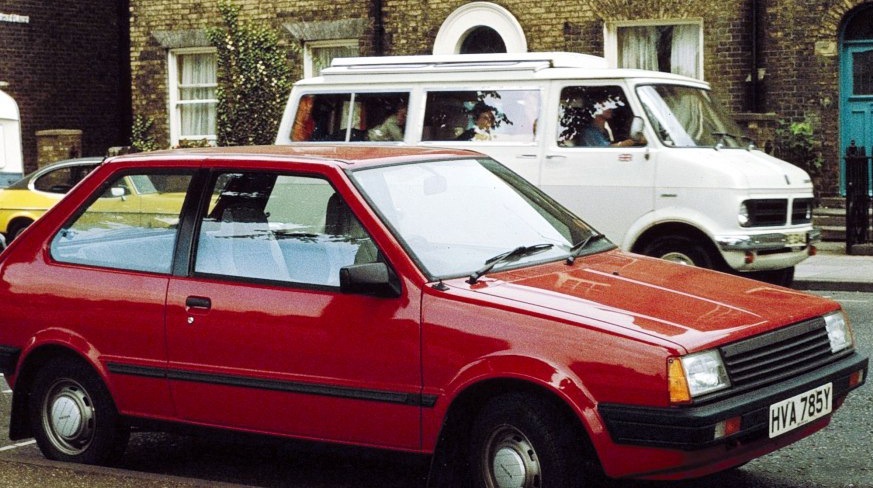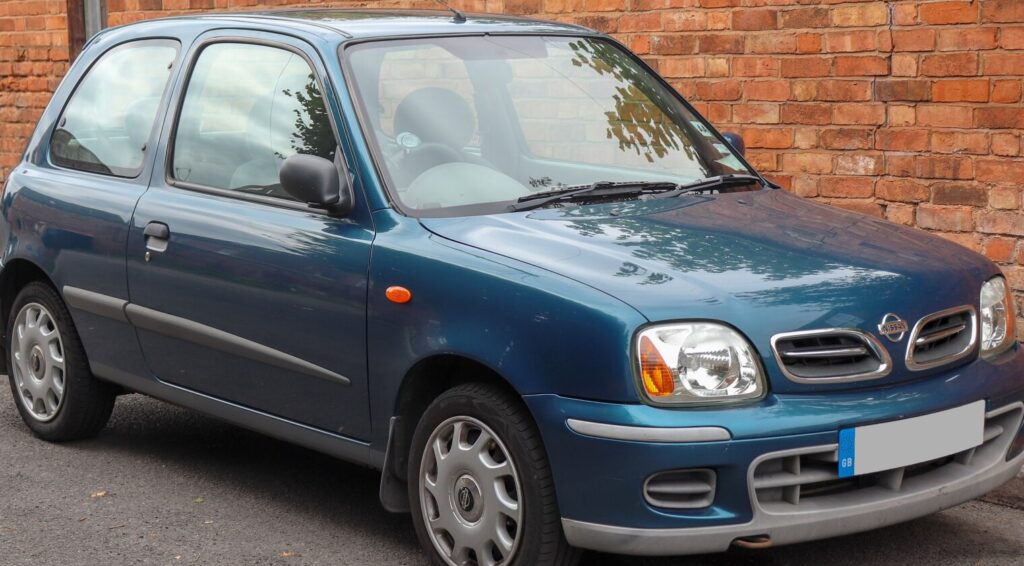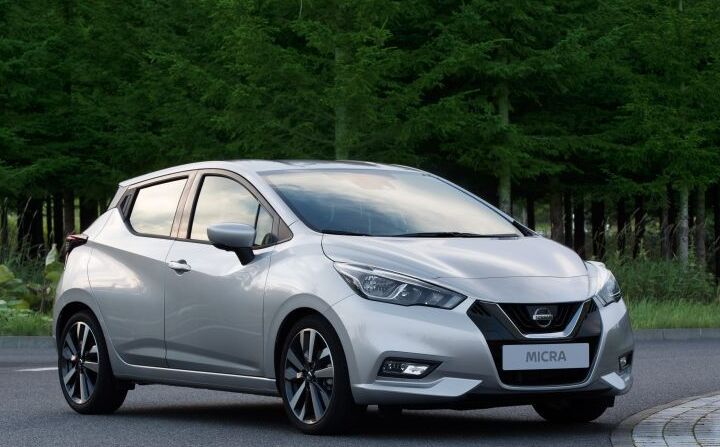
The Nissan Micra K14 1.0 DIG-T, produced from January 2019 to December 2020, represented a significant step forward for Nissan’s supermini offering. Positioned as a mid-range option within the K14 generation, this variant aimed to balance fuel efficiency with a more engaging driving experience than the base 1.0-liter naturally aspirated engine. It was primarily marketed in Europe and other international markets, offering a modern and well-equipped package in the competitive B-segment. The K14 Micra, built on the CMF-B platform shared with Renault, sought to address criticisms of the previous generation with improved interior quality and a more sophisticated driving experience.
Technical Specifications
| Brand | Nissan |
| Model | Micra |
| Generation | Micra (K14) |
| Type (Engine) | 1.0 DIG-T (117 Hp) |
| Start of production | January, 2019 |
| End of production | December, 2020 |
| Powertrain Architecture | Internal Combustion engine |
| Body type | Hatchback |
| Seats | 5 |
| Doors | 5 |
| Fuel consumption (urban) | 6.1 l/100 km (38.6 US mpg, 46.3 UK mpg, 16.4 km/l) |
| Fuel consumption (extra urban) | 4.2 l/100 km (56 US mpg, 67.3 UK mpg, 23.8 km/l) |
| Fuel consumption (combined) | 5 l/100 km (47 US mpg, 56.5 UK mpg, 20 km/l) |
| CO2 emissions | 114 g/km |
| Fuel Type | Petrol (Gasoline) |
| Acceleration 0 – 100 km/h | 9.9 sec |
| Acceleration 0 – 62 mph | 9.9 sec |
| Acceleration 0 – 60 mph | 9.4 sec |
| Maximum speed | 195 km/h (121.17 mph) |
| Emission standard | Euro 6d – TEMP |
| Weight-to-power ratio | 9.4 kg/Hp, 106.8 Hp/tonne |
| Weight-to-torque ratio | 6.1 kg/Nm, 164.4 Nm/tonne |
| Power | 117 Hp @ 5250 rpm |
| Power per litre | 117.1 Hp/l |
| Torque | 180 Nm @ 1750-4000 rpm (132.76 lb.-ft. @ 1750-4000 rpm) |
| Engine layout | Front, Transverse |
| Engine Model/Code | HR10DDT |
| Engine displacement | 999 cm3 (60.96 cu. in.) |
| Number of cylinders | 3 |
| Engine configuration | Inline |
| Cylinder Bore | 72.2 mm (2.84 in.) |
| Piston Stroke | 81.4 mm (3.2 in.) |
| Compression ratio | 10.5:1 |
| Number of valves per cylinder | 4 |
| Fuel injection system | Direct injection |
| Engine aspiration | Turbocharger, Intercooler |
| Engine oil capacity | 4.1 l (4.33 US qt | 3.61 UK qt) |
| Coolant | 6.65 l (7.03 US qt | 5.85 UK qt) |
| Kerb Weight | 1095-1120 kg (2414.06 – 2469.18 lbs.) |
| Max. weight | 1550 kg (3417.17 lbs.) |
| Max load | 430-455 kg (947.99 – 1003.1 lbs.) |
| Trunk (boot) space – minimum | 300 l (10.59 cu. ft.) |
| Trunk (boot) space – maximum | 1004 l (35.46 cu. ft.) |
| Fuel tank capacity | 41 l (10.83 US gal | 9.02 UK gal) |
| Permitted trailer load with brakes (12%) | 1200 kg (2645.55 lbs.) |
| Permitted trailer load without brakes | 555 kg (1223.57 lbs.) |
| Permitted towbar download | 75 kg (165.35 lbs.) |
| Length | 3999 mm (157.44 in.) |
| Width | 1743 mm (68.62 in.) |
| Width including mirrors | 1935 mm (76.18 in.) |
| Height | 1439 mm (56.65 in.) |
| Wheelbase | 2525 mm (99.41 in.) |
| Front track | 1510 mm (59.45 in.) |
| Rear (Back) track | 1520 mm (59.84 in.) |
| Minimum turning circle | 10.3 m (33.79 ft.) |
| Drivetrain Architecture | The Internal combustion engine (ICE) drives the front wheels of the vehicle. |
| Drive wheel | Front wheel drive |
| Number of gears and type of gearbox | 6 gears, manual transmission |
| Front brakes | Disc |
| Rear brakes | Drum |
| Assisting systems | ABS (Anti-lock braking system) |
| Steering type | Steering rack and pinion |
| Power steering | Electric Steering |
| Tires size | 205/45 R17 |
| Wheel rims size | 6.5J x 17 |
Powertrain & Engine Architecture
The heart of the Micra 1.0 DIG-T is the HR10DDT, a 999cc inline three-cylinder gasoline engine. This engine utilizes direct fuel injection and a turbocharger with an intercooler to deliver a respectable 117 horsepower and 180 Nm (133 lb-ft) of torque. The HR10DDT is part of Nissan’s ‘Downsized’ engine family, designed for efficiency and reduced emissions. The engine features a relatively high compression ratio of 10.5:1, contributing to its thermal efficiency. The six-speed manual transmission was the standard offering, providing a good balance between fuel economy and driver engagement. The engine’s compact size and lightweight construction contribute to the Micra’s overall agility.
Driving Characteristics
The 1.0 DIG-T offered a noticeable improvement in performance over the base 1.0-liter engine. Acceleration to 60 mph took approximately 9.4 seconds, and the car felt responsive in everyday driving situations. While not a performance car, the turbocharger provided a useful boost of power for overtaking and merging onto highways. The six-speed manual transmission allowed drivers to keep the engine in its optimal power band. Compared to the naturally aspirated engine, the DIG-T felt more relaxed at highway speeds, requiring less frequent gear changes. However, the three-cylinder engine could exhibit some vibration, particularly at idle, although Nissan implemented measures to mitigate this.
Equipment & Trim Levels
The 1.0 DIG-T typically came equipped with features such as air conditioning, a touchscreen infotainment system with smartphone integration (Apple CarPlay and Android Auto), Bluetooth connectivity, and alloy wheels. Higher trim levels added features like automatic climate control, a rear-view camera, parking sensors, and advanced safety systems such as automatic emergency braking. Interior upholstery was typically cloth, with options for upgraded materials on higher trims. The dashboard layout was modern and functional, with a focus on ease of use.
Chassis & Braking
The Micra K14 utilized a front-wheel-drive layout with a MacPherson strut front suspension and a torsion beam rear suspension. The braking system featured disc brakes on the front wheels and drum brakes on the rear. ABS (Anti-lock Braking System) was standard. The suspension was tuned for comfort, providing a reasonably smooth ride on most road surfaces. The steering was light and precise, making the car easy to maneuver in urban environments. The relatively lightweight construction of the car contributed to its agility.
Market Reception & Comparison
The Micra 1.0 DIG-T was generally well-received by automotive critics. It was praised for its fuel efficiency, comfortable ride, and improved performance compared to the base engine. However, some reviewers noted the engine’s slightly rough character and the limited space in the rear seats. Compared to rivals like the Ford Fiesta and Volkswagen Polo, the Micra offered a competitive package with a strong emphasis on value for money. The 1.8L automatic versions of the Fiesta and Polo offered smoother acceleration, but at a higher price point and with potentially lower fuel economy.
Legacy
The HR10DDT engine has proven to be a relatively reliable unit, although regular maintenance is crucial. Common issues include turbocharger wear and potential problems with the direct injection system. On the used car market, the Micra 1.0 DIG-T represents a good value proposition for buyers seeking a fuel-efficient and well-equipped supermini. Its compact size and nimble handling make it well-suited for city driving. The K14 generation Micra, and particularly the 1.0 DIG-T variant, helped to revitalize Nissan’s presence in the European small car segment.