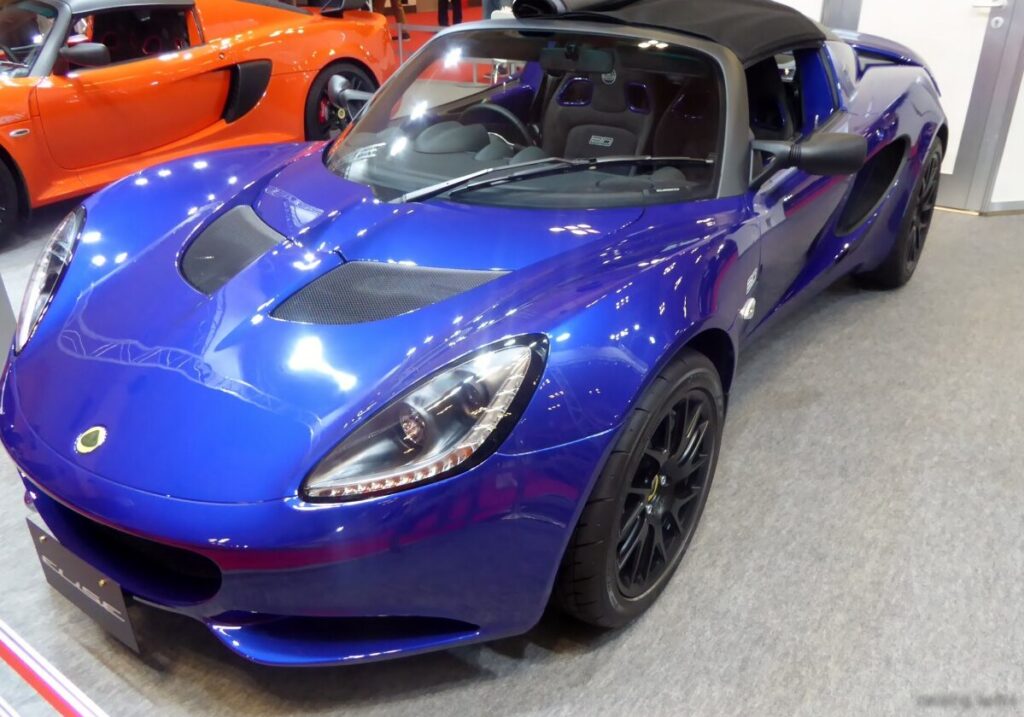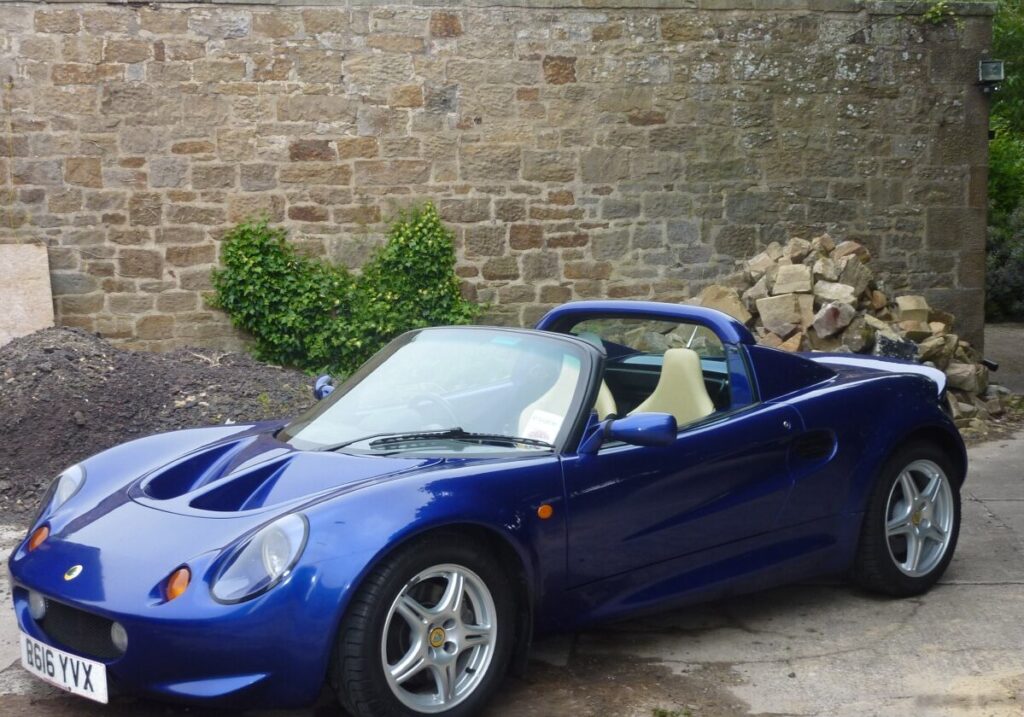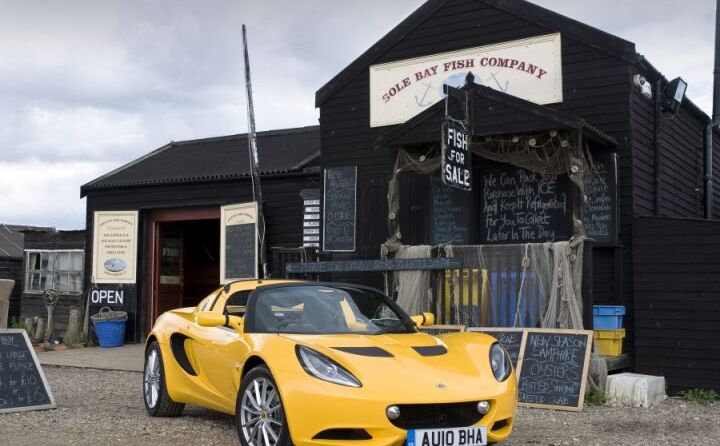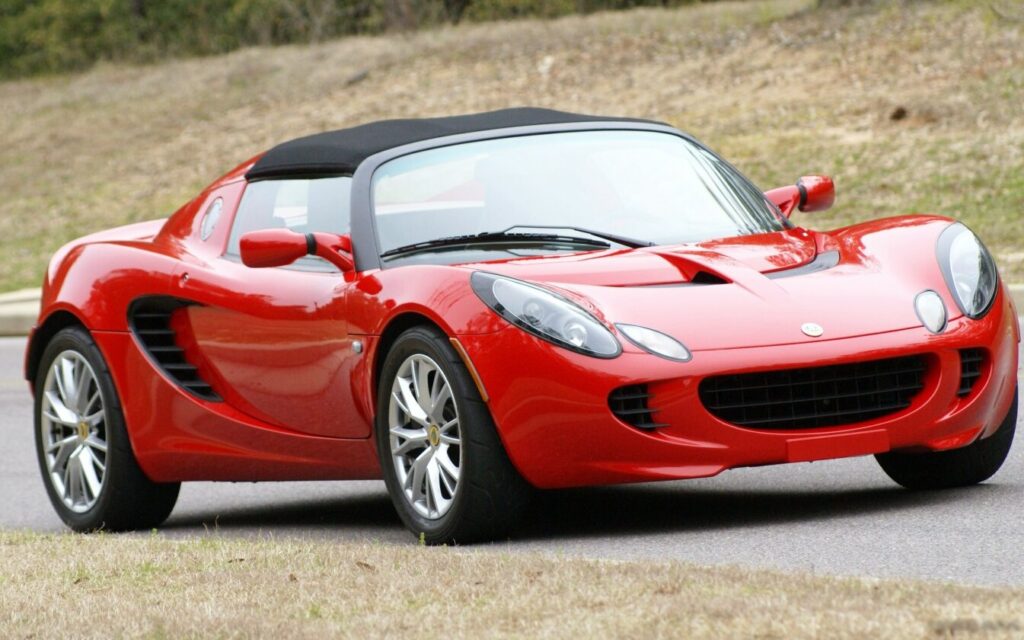
The Lotus Elise Series 2 1.8i 16V, specifically the 111S variant producing 160 horsepower, represents a pivotal point in the evolution of the iconic British sports car. Introduced in 2002 and continuing through 2010, this iteration of the Elise built upon the success of the original Series 1, offering increased refinement and accessibility without sacrificing the core principles of lightweight construction and exhilarating driving dynamics. The 111S trim occupied a mid-range position within the Series 2 lineup, bridging the gap between the base 1.8L model and the more potent, supercharged variants. It was designed to deliver a compelling sports car experience to a wider audience, balancing performance with practicality and affordability.
Technical Specifications
| Brand | Lotus |
| Model | Elise |
| Generation | Elise (Series 2) |
| Type (Engine) | 1.8 i 16V 111S (160 Hp) |
| Start of production | 2002 |
| End of production | 2010 |
| Powertrain Architecture | Internal Combustion engine |
| Body type | Roadster |
| Seats | 2 |
| Doors | 2 |
| Fuel consumption (urban) | 9.4 l/100 km (25 US mpg) |
| Fuel consumption (extra urban) | 5.5 l/100 km (42.8 US mpg) |
| Fuel consumption (combined) | 6.9 l/100 km (34.1 US mpg) |
| Fuel Type | Petrol (Gasoline) |
| Acceleration 0 – 100 km/h | 5.1 sec |
| Acceleration 0 – 62 mph | 5.1 sec |
| Acceleration 0 – 60 mph | 4.8 sec |
| Maximum speed | 212 km/h (131.73 mph) |
| Weight-to-power ratio | 5 kg/Hp |
| Weight-to-torque ratio | 4.6 kg/Nm |
| Power | 160 Hp @ 7000 rpm |
| Torque | 175 Nm @ 3500 rpm (129.07 lb.-ft. @ 3500 rpm) |
| Engine layout | Middle, Longitudinal |
| Engine Model/Code | K16 (18K4FL70) |
| Engine displacement | 1795 cm3 (109.54 cu. in.) |
| Number of cylinders | 4 |
| Engine configuration | Inline |
| Cylinder Bore | 80 mm (3.15 in.) |
| Piston Stroke | 89.3 mm (3.52 in.) |
| Compression ratio | 10.5:1 |
| Number of valves per cylinder | 4 |
| Fuel injection system | Multi-port manifold injection |
| Engine aspiration | Naturally aspirated |
| Engine oil capacity | 4.5 l (4.76 US qt | 3.96 UK qt) |
| Coolant capacity | 8 l (8.45 US qt | 7.04 UK qt) |
| Kerb Weight | 805 kg (1774.72 lbs.) |
| Max. weight | 990 kg (2182.58 lbs.) |
| Max load | 185 kg (407.86 lbs.) |
| Trunk (boot) space | 115 l (4.06 cu. ft.) |
| Fuel tank capacity | 38 l (10.04 US gal | 8.36 UK gal) |
| Length | 3785 mm (149.02 in.) |
| Width | 1719 mm (67.68 in.) |
| Height | 1143 mm (45 in.) |
| Wheelbase | 2300 mm (90.55 in.) |
| Front track | 1457 mm (57.36 in.) |
| Rear track | 1503 mm (59.17 in.) |
| Drivetrain | Rear wheel drive |
| Number of gears | 5 gears, manual transmission |
| Front suspension | Coil spring |
| Rear suspension | Coil spring |
| Front brakes | Ventilated discs |
| Rear brakes | Ventilated discs |
| Assisting systems | ABS (Anti-lock braking system) |
| Steering type | Steering rack and pinion |
| Tires size | 175/55 R16; 225/45 R17 |
| Wheel rims size | 16; 17 |
INTRODUCTION
The Series 2 Elise, launched in 2002, represented a significant step forward for the Lotus Elise. Built on the same lightweight aluminum chassis as its predecessor (the 1HX0/A3 platform), it benefited from a revised design that addressed some of the criticisms leveled at the original. The 1.8i 16V 111S model, powered by the K16 engine, was a key component of this revised lineup. It offered a compelling blend of performance, handling, and relative affordability, making it a popular choice for enthusiasts seeking a pure driving experience. The Series 2 continued in production until 2010, undergoing minor revisions throughout its lifespan, but retaining its core philosophy of “addition by subtraction” – minimizing weight and maximizing driver engagement.
Powertrain & Engine Architecture
At the heart of the Elise 111S lies the Lotus K16 engine, a 1.8-liter inline-four cylinder powerplant designated as the 18K4FL70. This engine is a naturally aspirated unit featuring multi-port fuel injection and a 10.5:1 compression ratio. The K16 engine, while sharing some lineage with Rover’s K-series engines, was extensively modified by Lotus to enhance reliability and performance. It produces 160 horsepower at 7000 rpm and 175 Nm (129 lb-ft) of torque at 3500 rpm. The engine’s relatively high-revving nature encourages drivers to exploit its powerband. The 111S was exclusively offered with a 5-speed manual transmission, delivering power to the rear wheels. This transmission was chosen for its lightweight and direct feel, contributing to the car’s overall agility. The gearbox ratios were tuned to provide brisk acceleration and reasonable cruising ability.
Driving Characteristics
The Elise 111S delivers a driving experience that is renowned for its purity and responsiveness. Its lightweight construction (approximately 805 kg or 1775 lbs) combined with the 160 hp engine results in a power-to-weight ratio that is highly engaging. Acceleration from 0 to 60 mph takes around 4.8 seconds, and the car feels significantly faster than those numbers suggest due to its direct steering and minimal body roll. Compared to the base 1.8L Elise, the 111S offers a noticeable performance improvement, while remaining more accessible and less demanding to drive than the supercharged variants. The manual transmission provides precise gear changes, allowing the driver to fully control the engine’s power. The Elise’s unassisted steering provides exceptional feedback, connecting the driver directly to the road.
Equipment & Trim Levels
The Elise 111S, while focused on driving experience, wasn’t entirely spartan. Standard equipment included leather seats, a Momo steering wheel, and aluminum pedals. Air conditioning and a radio/CD player were often specified as options. The interior was minimalist, prioritizing functionality and weight reduction. Upholstery was typically leather or Alcantara, and the dashboard featured simple, easy-to-read gauges. Optional extras included upgraded suspension components, lightweight wheels, and various cosmetic enhancements. The 111S trim generally offered a slightly more refined interior finish compared to the base model, with additional sound insulation and improved trim materials.
Chassis & Braking
The Elise’s chassis is its defining feature – a bonded aluminum monocoque that provides exceptional rigidity and lightness. The suspension utilizes independent double wishbones at all four corners, with coil springs and adjustable dampers. This setup delivers precise handling and excellent road holding. The 111S featured ventilated disc brakes on all four wheels, providing ample stopping power. ABS (Anti-lock Braking System) was standard. The car’s relatively low weight minimizes the strain on the braking system, contributing to its longevity and effectiveness. The suspension geometry was carefully tuned to minimize body roll and maximize grip, resulting in a remarkably balanced and predictable handling characteristic.
Market Reception & Comparison
The Elise 111S was generally well-received by automotive critics, who praised its exceptional handling, lightweight construction, and engaging driving experience. It was often compared favorably to more expensive sports cars, demonstrating that exhilarating performance didn’t necessarily require a high price tag. Fuel economy was also a strong point, with combined figures around 34.1 US mpg. Compared to the supercharged Elise variants, the 111S offered a more accessible price point and a less demanding driving experience, making it a more practical choice for everyday use. However, some critics noted the relatively basic interior and lack of creature comforts. Against rivals like the Porsche Boxster, the Elise offered a more raw and focused driving experience, albeit with less refinement.
Legacy
The Lotus Elise Series 2 1.8i 16V 111S has established itself as a modern classic. The K16 engine, while not known for being the most powerful, is generally considered reliable with proper maintenance. The bonded aluminum chassis is exceptionally durable, and well-maintained examples are still providing years of driving pleasure. On the used car market, the 111S commands a premium over the base 1.8L model, reflecting its increased performance and desirability. Its enduring appeal lies in its ability to deliver a pure, unfiltered driving experience that is increasingly rare in modern automobiles. The Elise 111S remains a benchmark for lightweight sports car design and a testament to Lotus’s commitment to driving dynamics.