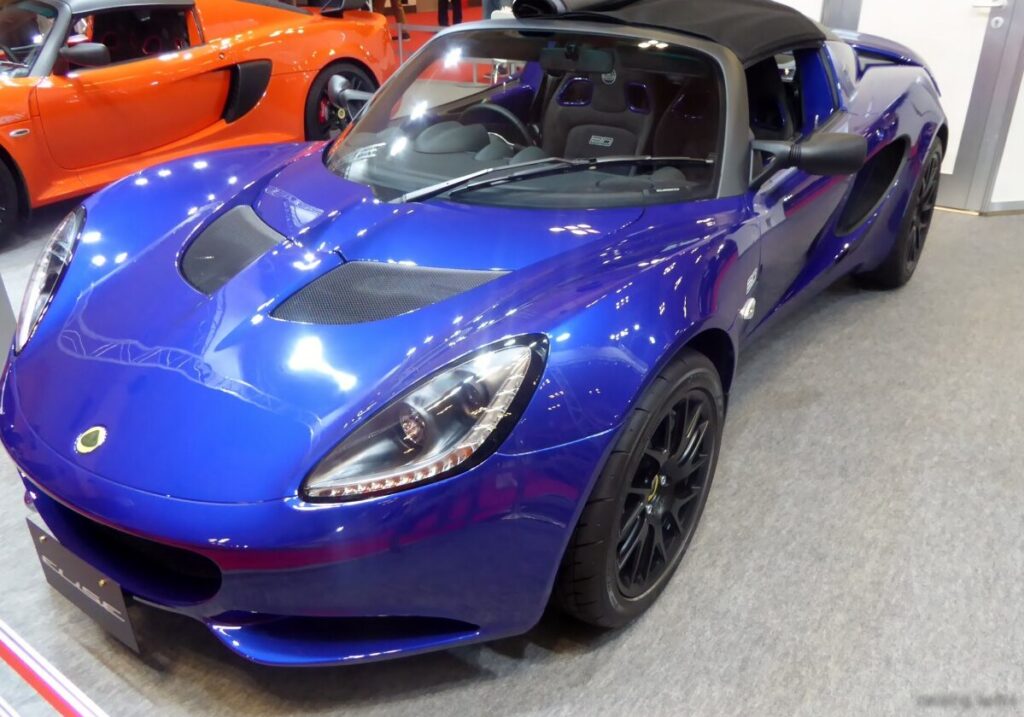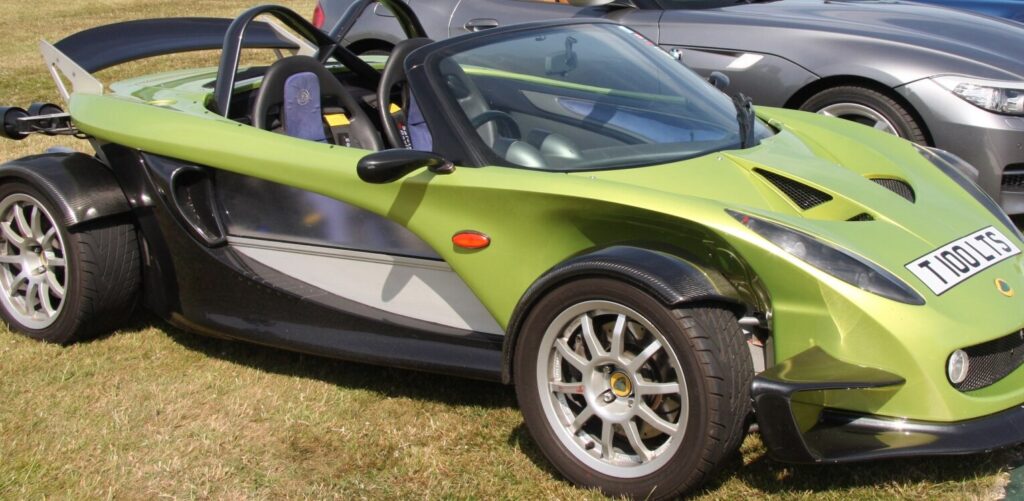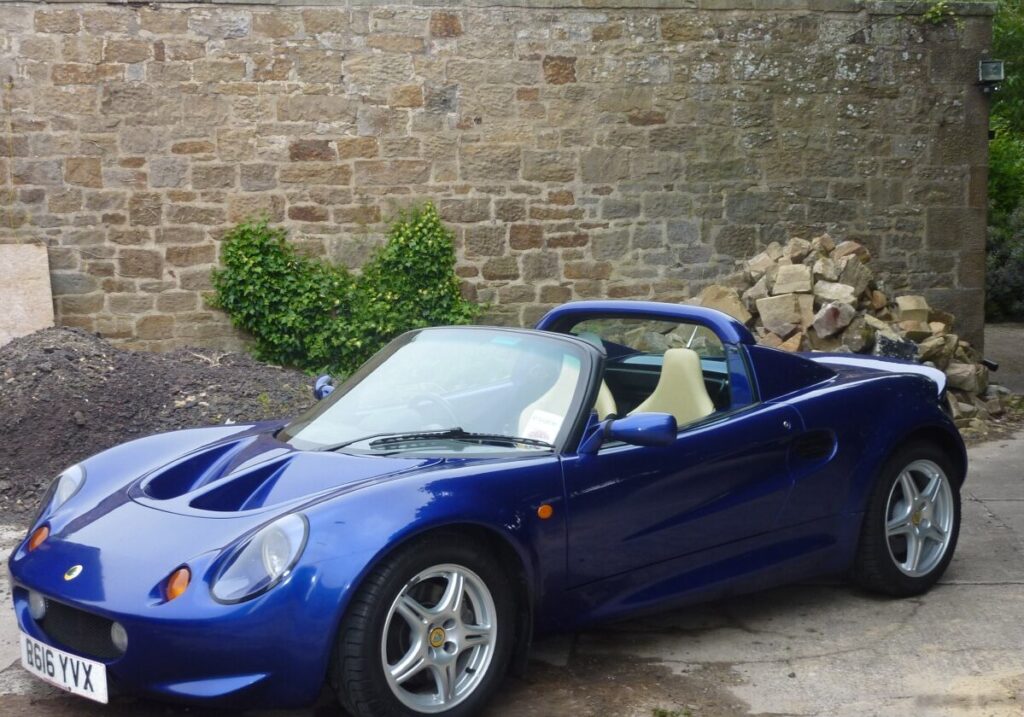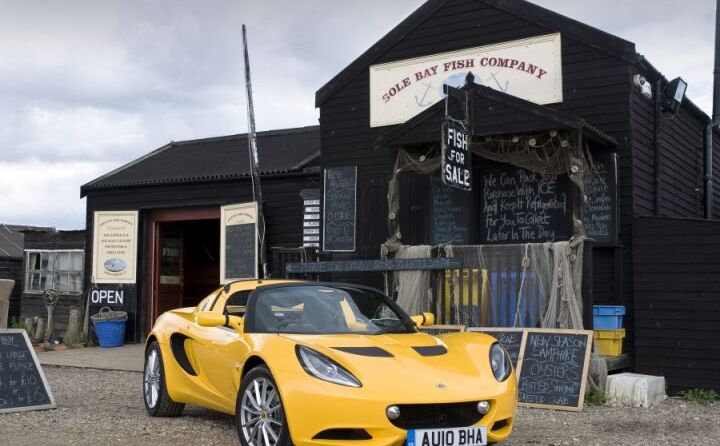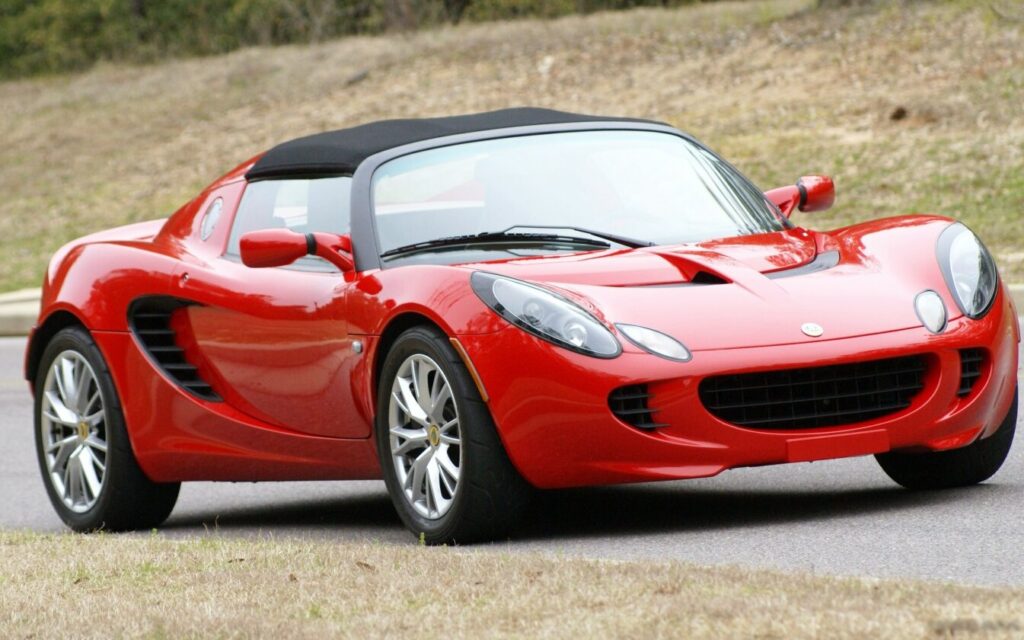
The Lotus Elise Series 2, specifically the 1.8 i 16V variant producing 122 horsepower, represents a pivotal point in the evolution of the iconic British sports car. Introduced in 2000 and continuing through 2010, this version of the Elise aimed to broaden the model’s appeal by offering a more accessible entry point into the Lotus ownership experience. Built on the 1HX0/A3 platform, it retained the core principles of lightweight construction and exceptional handling that defined the original Elise, while incorporating refinements to improve usability and comfort. This particular engine and transmission combination occupied the mid-range of the Series 2 lineup, positioned below the more potent Rover K-Series engine options and above potential base models if offered in certain markets.
Technical Specifications
| Brand | Lotus |
| Model | Elise |
| Generation | Elise (Series 2) |
| Type (Engine) | 1.8 i 16V (122 Hp) |
| Start of production | 2000 |
| End of production | 2010 |
| Powertrain Architecture | Internal Combustion engine |
| Body type | Roadster |
| Seats | 2 |
| Doors | 2 |
| Fuel consumption (urban) | 9.4 l/100 km (25 US mpg) |
| Fuel consumption (extra urban) | 6.15 l/100 km (38.2 US mpg) |
| Fuel consumption (combined) | 7.4 l/100 km (31.8 US mpg) |
| Fuel Type | Petrol (Gasoline) |
| Acceleration 0 – 100 km/h | 5.7 sec |
| Acceleration 0 – 62 mph | 5.7 sec |
| Acceleration 0 – 60 mph | 5.4 sec |
| Maximum speed | 200 km/h (124.27 mph) |
| Weight-to-power ratio | 6.2 kg/Hp |
| Weight-to-torque ratio | 4.5 kg/Nm |
| Power | 122 Hp @ 5500 rpm |
| Power per litre | 68 Hp/l |
| Torque | 168 Nm @ 3500 rpm (123.91 lb.-ft. @ 3500 rpm) |
| Engine layout | Middle, Longitudinal |
| Engine Model/Code | K16 (18K4FL70) |
| Engine displacement | 1795 cm3 (109.54 cu. in.) |
| Number of cylinders | 4 |
| Engine configuration | Inline |
| Cylinder Bore | 80 mm (3.15 in.) |
| Piston Stroke | 89.3 mm (3.52 in.) |
| Compression ratio | 10.5:1 |
| Number of valves per cylinder | 4 |
| Fuel injection system | Multi-port manifold injection |
| Engine aspiration | Naturally aspirated |
| Engine oil capacity | 4.5 l (4.76 US qt | 3.96 UK qt) |
| Coolant capacity | 8 l (8.45 US qt | 7.04 UK qt) |
| Kerb Weight | 756 kg (1666.69 lbs.) |
| Max. weight | 940 kg (2072.35 lbs.) |
| Max load | 184 kg (405.65 lbs.) |
| Trunk (boot) space – minimum | 115 l (4.06 cu. ft.) |
| Fuel tank capacity | 38 l (10.04 US gal | 8.36 UK gal) |
| Length | 3785 mm (149.02 in.) |
| Width | 1719 mm (67.68 in.) |
| Height | 1143 mm (45 in.) |
| Wheelbase | 2300 mm (90.55 in.) |
| Front track | 1457 mm (57.36 in.) |
| Rear track | 1503 mm (59.17 in.) |
| Drivetrain Architecture | Rear wheel drive |
| Number of gears | 5 |
| Gearbox type | Manual transmission |
| Front suspension | Coil spring |
| Rear suspension | Coil spring |
| Front brakes | Ventilated discs |
| Rear brakes | Ventilated discs |
| Assisting systems | ABS (Anti-lock braking system) |
| Steering type | Steering rack and pinion |
| Tires size | 175/55 R16; 225/45 R17 |
| Wheel rims size | 16; 17 |
Powertrain & Engine Architecture
At the heart of the Elise 1.8 i 16V lies the Rover K-Series engine, specifically the K16 variant (engine code 18K4FL70). This 1.8-liter, inline-four cylinder engine is a naturally aspirated powerplant known for its responsiveness and relatively high specific output. The K-Series engine utilizes a multi-port fuel injection system, delivering fuel directly into the intake ports for efficient combustion. It features a dual overhead camshaft (DOHC) design with four valves per cylinder, contributing to its strong breathing characteristics. The 122 horsepower output is achieved at 5500 rpm, while peak torque of 168 Nm (123.91 lb-ft) arrives at 3500 rpm. The engine is mounted longitudinally in a mid-engine configuration, contributing to the car’s exceptional balance. The standard transmission is a five-speed manual gearbox, optimized for the engine’s powerband and the Elise’s focus on driver engagement.
Driving Characteristics
The 1.8 i 16V Elise offers a distinctly engaging driving experience, albeit one that differs from the more powerful variants. While not possessing the outright acceleration of the higher-horsepower models, the 122 hp engine provides sufficient power for spirited driving on both road and track. The five-speed manual transmission is well-matched to the engine, with gear ratios designed to keep the engine within its optimal powerband. Acceleration from 0 to 60 mph takes approximately 5.4-5.7 seconds, and the car reaches a top speed of around 124 mph. The Elise’s lightweight construction (approximately 1667 lbs) is the key to its agility and responsiveness. The steering is direct and communicative, providing excellent feedback to the driver. The suspension, while firm, effectively manages body roll and provides a planted feel. Compared to the more powerful Elise variants, the 1.8 i 16V feels more accessible and forgiving, making it a good choice for drivers new to the Lotus experience.
Equipment & Trim Levels
The Elise Series 2 1.8 i 16V typically came equipped with a relatively minimalist interior, reflecting Lotus’s philosophy of prioritizing performance over luxury. Standard features included manually adjustable sports seats, a leather-wrapped steering wheel, and basic instrumentation. Air conditioning and a radio/CD player were often optional extras. The interior trim was typically finished in black, with aluminum accents. The Elise was largely customizable, with options such as upgraded seats, different wheel designs, and various exterior color choices. The focus was on providing a functional and driver-focused environment, rather than lavish appointments.
Chassis & Braking
The Elise’s chassis is a bonded aluminum monocoque, renowned for its exceptional rigidity and lightweight properties. This construction technique contributes significantly to the car’s handling prowess. The suspension utilizes coil springs and dampers at all four corners, with independent suspension providing a responsive and controlled ride. The braking system consists of ventilated discs on all four wheels, providing ample stopping power. An Anti-lock Braking System (ABS) was standard, enhancing safety and stability. The Elise’s relatively low weight minimizes the demands on the braking system, contributing to its longevity.
Market Reception & Comparison
The Elise Series 2 1.8 i 16V was generally well-received by automotive critics, who praised its handling, responsiveness, and overall driving experience. It was often lauded as a purist’s sports car, offering a raw and engaging driving experience that was increasingly rare in the modern automotive landscape. Compared to the higher-output Elise variants, the 1.8 i 16V offered a more affordable entry point into Lotus ownership, making it accessible to a wider range of buyers. Fuel economy was respectable for a sports car, with combined figures around 31.8 US mpg. Reliability was generally good, although the Rover K-Series engine was known to require careful maintenance, particularly regarding head gasket issues.
Legacy
The Lotus Elise Series 2 1.8 i 16V has established itself as a highly desirable used sports car. Its lightweight construction, exceptional handling, and engaging driving experience continue to appeal to enthusiasts. The Rover K-Series engine, while requiring diligent maintenance, is relatively straightforward to work on, making it a popular choice for home mechanics. Today, well-maintained examples of the Elise 1.8 i 16V command respectable prices in the used car market, reflecting its enduring appeal and status as a modern classic. The Elise’s influence can be seen in numerous subsequent sports cars, and it remains a benchmark for lightweight, driver-focused design.