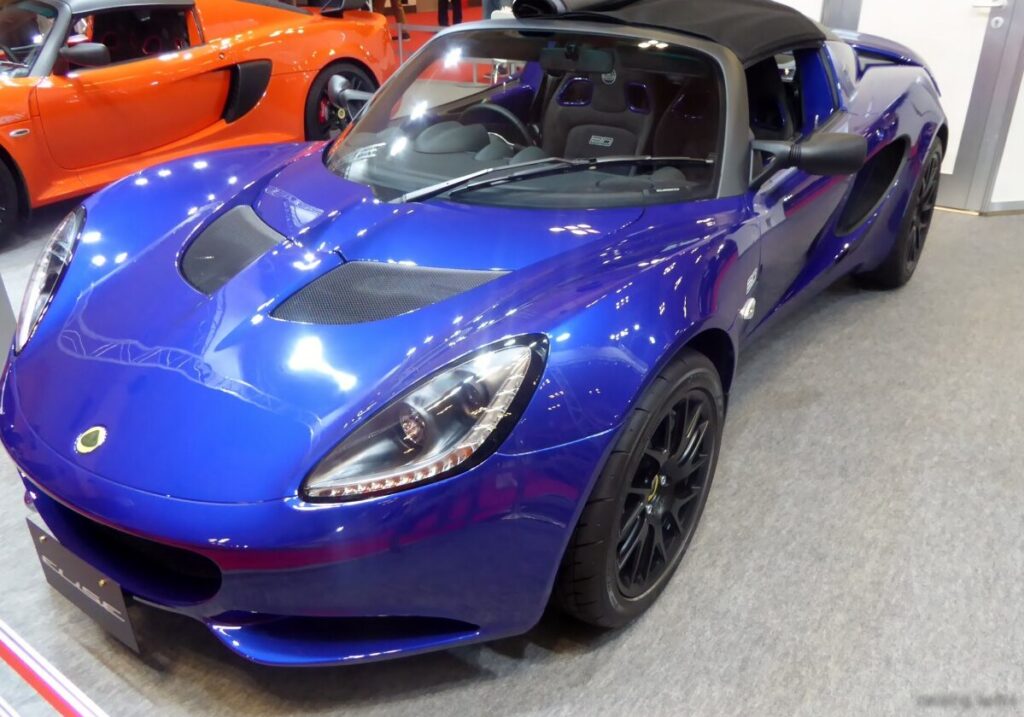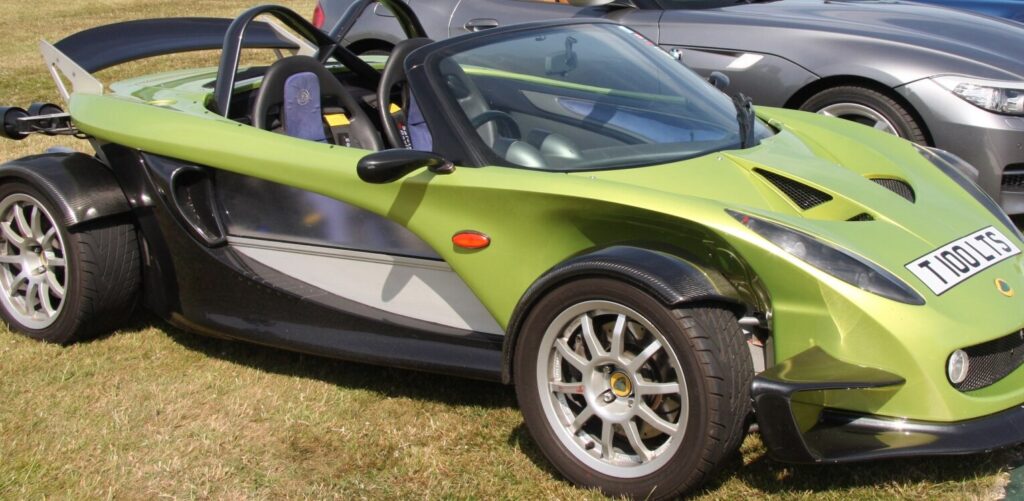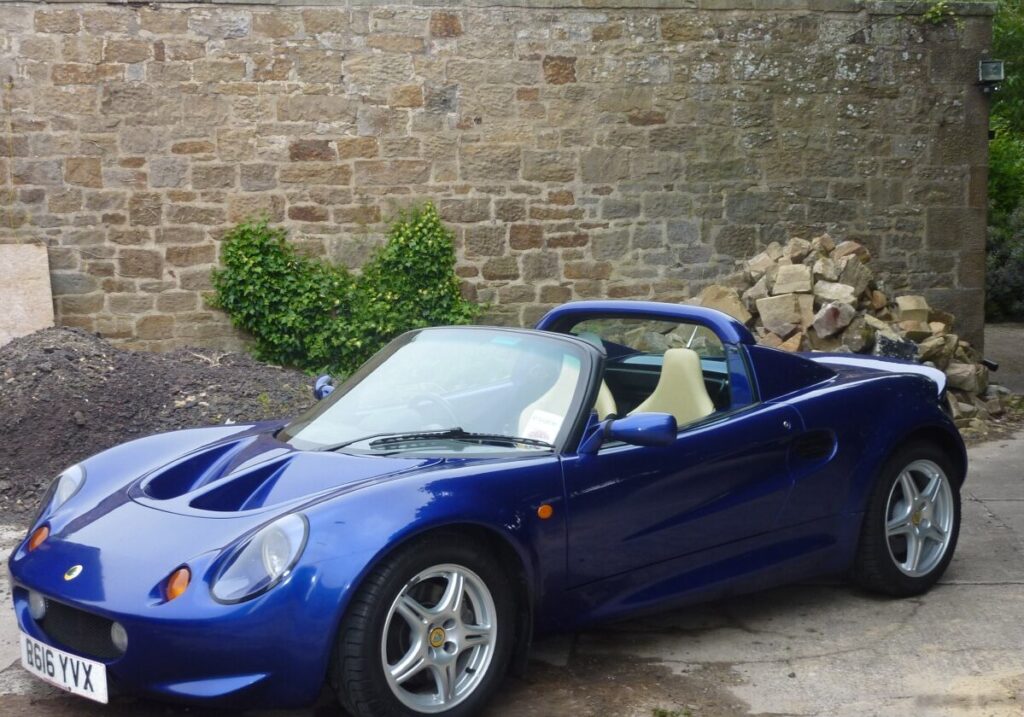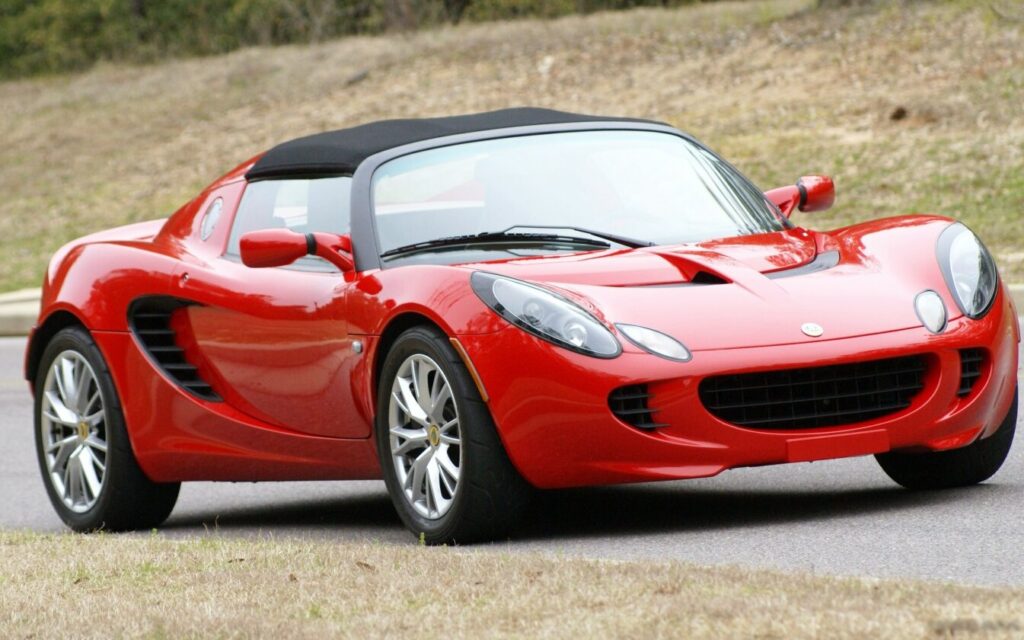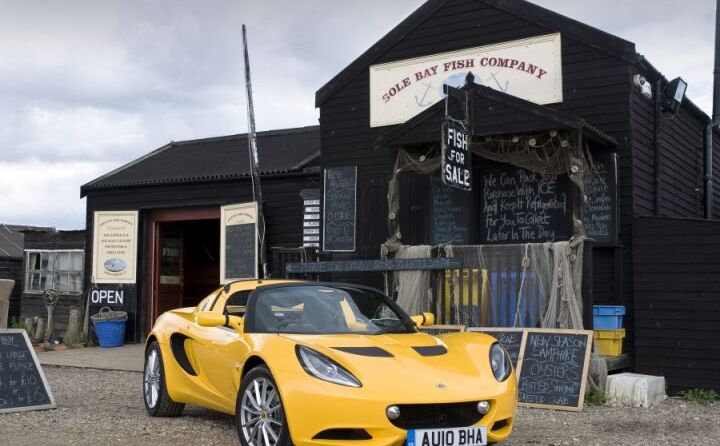
The Lotus Elise Series 3 1.6, produced from 2011 to August 2017, represents a significant evolution of the iconic Elise roadster. Positioned as the entry point into the Series 3 lineup, it offered a more accessible price point while retaining the core Lotus driving experience. This variant was primarily aimed at enthusiasts seeking a pure, lightweight sports car, and served as a gateway to the more powerful Elise variants and the Exige. The Series 3 brought with it revised styling, improved interior refinement, and updated technology compared to its predecessors, all while adhering to the Lotus philosophy of “simplify, then add lightness.” It was sold primarily in Europe and Asia, with limited imports to North America.
Technical Specifications
| Brand | Lotus |
| Model | Elise |
| Generation | Elise (Series 3) |
| Type (Engine) | 1.6 (136 Hp) |
| Start of production | 2011 |
| End of production | August, 2017 |
| Powertrain Architecture | Internal Combustion engine |
| Body type | Roadster |
| Seats | 2 |
| Doors | 2 |
| Fuel consumption (urban) | 8.3 l/100 km (28.3 US mpg, 34 UK mpg, 12 km/l) |
| Fuel consumption (extra urban) | 5 l/100 km (47 US mpg, 56.5 UK mpg, 20 km/l) |
| Fuel consumption (combined) | 6.3 l/100 km (37.3 US mpg, 44.8 UK mpg, 15.9 km/l) |
| CO2 emissions | 149 g/km |
| Fuel Type | Petrol (Gasoline) |
| Acceleration 0 – 100 km/h | 6.5 sec |
| Acceleration 0 – 62 mph | 6.5 sec |
| Acceleration 0 – 60 mph | 6.2 sec |
| Maximum speed | 204 km/h (126.76 mph) |
| Weight-to-power ratio | 6.4 kg/Hp, 155.3 Hp/tonne |
| Weight-to-torque ratio | 5.5 kg/Nm, 182.6 Nm/tonne |
| Power | 136 Hp @ 6800 rpm |
| Torque | 160 Nm @ 4400 rpm (118.01 lb.-ft. @ 4400 rpm) |
| Engine layout | Middle, Transverse |
| Engine Model/Code | 1ZR-FAE |
| Number of cylinders | 4 |
| Engine configuration | Inline |
| Number of valves per cylinder | 4 |
| Fuel injection system | Multi-port manifold injection |
| Engine aspiration | Naturally aspirated engine |
| Valvetrain | DOHC – dual VVT-i |
| Engine oil capacity | 4.8 l (5.07 US qt | 4.22 UK qt) |
| Coolant capacity | 12 l (12.68 US qt | 10.56 UK qt) |
| Kerb Weight | 876 kg (1931.25 lbs) |
| Fuel tank capacity | 40 l (10.57 US gal | 8.8 UK gal) |
| Length | 3824 mm (150.55 in) |
| Width | 1719 mm (67.68 in) |
| Height | 1117 mm (43.98 in) |
| Wheelbase | 2300 mm (90.55 in) |
| Drivetrain Architecture | Rear wheel drive |
| Number of gears | 6 gears, manual transmission |
| Front suspension | Double wishbone |
| Rear suspension | Double wishbone |
| Front brakes | Ventilated discs |
| Rear brakes | Ventilated discs |
| Assisting systems | ABS (Anti-lock braking system) |
| Steering type | Steering rack and pinion |
| Tires size | 175/55 ZR16; 225/45 ZR17 |
| Wheel rims size | 16; 17 |
Powertrain & Engine Architecture
The heart of the Elise Series 3 1.6 is the Toyota-sourced 1ZR-FAE 1.6-liter inline-four cylinder engine. This engine, a product of the Toyota-Lotus collaboration, was chosen for its reliability, compact size, and relatively low weight. It features a dual overhead camshaft (DOHC) design with variable valve timing (VVT-i) on both intake and exhaust valves, optimizing performance and efficiency across the rev range. The engine utilizes a multi-port fuel injection system, delivering fuel directly into the intake ports. Producing 136 horsepower at 6,800 rpm and 160 Nm (118 lb-ft) of torque at 4,400 rpm, the 1.6-liter engine isn’t about brute force, but rather about maximizing the power-to-weight ratio. The engine is transversely mounted in the mid-engine layout, contributing to the car’s exceptional balance. The standard transmission is a smooth-shifting six-speed manual gearbox, perfectly suited to the engine’s characteristics and the driver-focused nature of the Elise.
Driving Characteristics
The Elise 1.6, with its lightweight construction (approximately 1,931 lbs), delivers a surprisingly engaging driving experience. While not as overtly powerful as the Elise S or Elise R variants, the 1.6 offers a nimble and responsive feel. The six-speed manual transmission is well-matched to the engine, allowing drivers to keep the engine in its sweet spot. Acceleration from 0-60 mph takes around 6.2 seconds, and top speed is around 127 mph. The car excels in corners, with precise steering and minimal body roll. The relatively low torque output means that drivers need to work the gearbox to extract the most performance, but this adds to the sense of involvement. Compared to the higher-powered Elise S, the 1.6 feels less urgent in a straight line, but arguably more playful and forgiving at the limit.
Equipment & Trim Levels
The Elise Series 3 1.6 was relatively sparsely equipped, in keeping with the Lotus philosophy of minimizing weight. Standard features included leather seats, air conditioning, and power windows. The interior was functional and focused on the driving experience, with aluminum pedals and a minimalist dashboard layout. Optional extras included a premium audio system, full carpeting, and various exterior color options. The Elise 1.6 typically featured a simpler interior trim compared to the higher-spec models, with less sound deadening material to further reduce weight.
Chassis & Braking
The Elise’s chassis is its defining feature – a bonded aluminum monocoque providing exceptional rigidity and lightness. The suspension utilizes double wishbones at both the front and rear, offering precise control and excellent road holding. Ventilated disc brakes are fitted to all four wheels, providing ample stopping power. ABS (Anti-lock Braking System) was standard. The Elise 1.6 typically featured a slightly softer suspension setup compared to the Elise S, prioritizing ride comfort over ultimate track performance. The car’s low weight and balanced chassis contribute to its exceptional handling characteristics.
Market Reception & Comparison
The Elise Series 3 1.6 was generally well-received by automotive critics, who praised its handling, lightweight construction, and engaging driving experience. Some critics noted the engine’s lack of outright power, particularly when compared to the Elise S. However, the 1.6’s lower price point and improved fuel economy (around 37 mpg combined) made it an attractive option for buyers seeking a pure sports car experience. Compared to the Elise S, the 1.6 offered a more accessible entry point into the Lotus brand, appealing to a wider range of enthusiasts. Reliability was generally good, thanks to the Toyota engine and Lotus’s focus on simplicity.
Legacy
The Lotus Elise Series 3 1.6 has established itself as a desirable used sports car. The Toyota 1ZR-FAE engine is known for its durability and relatively low maintenance costs. The Elise’s lightweight construction and exceptional handling continue to make it a rewarding car to drive. Values have remained relatively stable, reflecting the car’s enduring appeal and the growing demand for lightweight sports cars. The Elise 1.6 represents a sweet spot in the Series 3 lineup, offering a compelling blend of performance, affordability, and driving enjoyment. It remains a testament to the Lotus philosophy of “simplify, then add lightness” and a benchmark for handling and driver engagement.