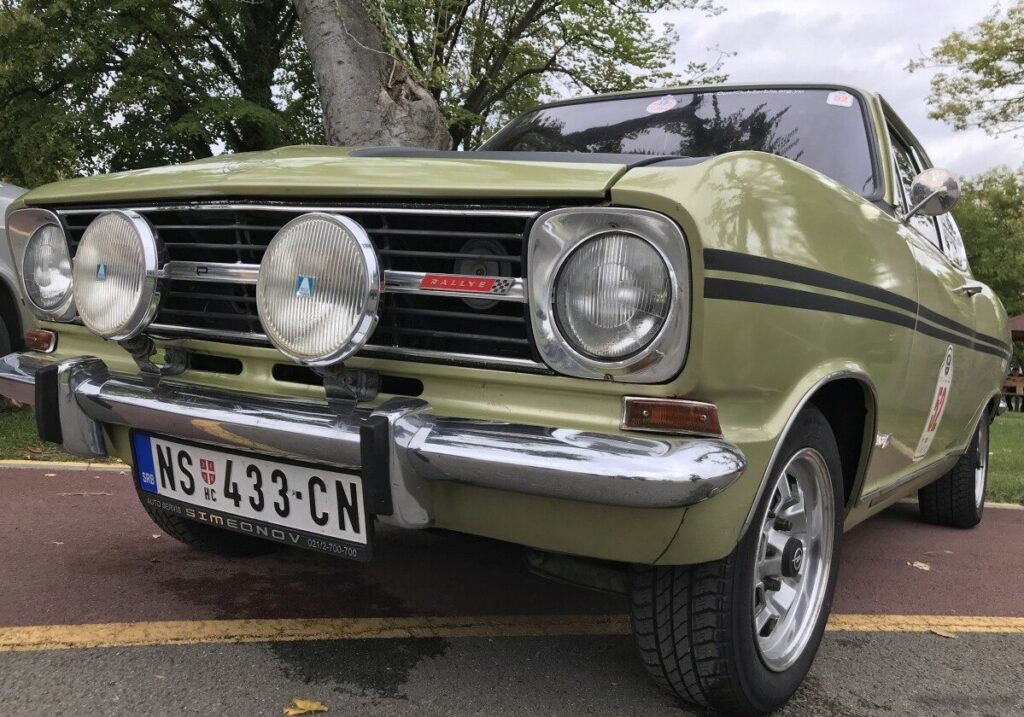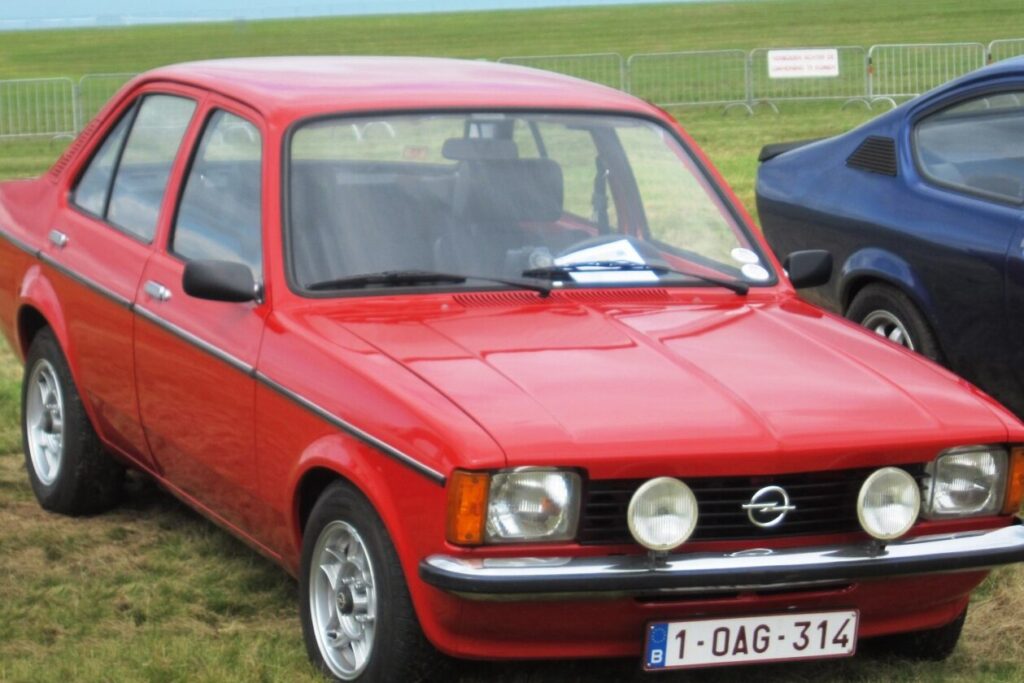
The Opel Kadett C 1.6 S, produced between 1973 and 1979, represented a significant step forward for Opel’s popular Kadett line. Positioned as a slightly more sporting variant within the C-series range, the 1.6 S offered a modest performance upgrade over the base models, appealing to drivers seeking a bit more refinement and capability. It was a key model during a period of increasing automotive development, bridging the gap between the simpler Kadett B and the more modern Kadett D. The Kadett C, and specifically the 1.6 S, played a crucial role in establishing Opel as a major player in the European compact car market.
Technical Specifications
| Brand | Opel |
| Model | Kadett |
| Generation | Kadett C |
| Type (Engine) | 1.6 S (75 Hp) |
| Start of production | 1973 |
| End of production | 1979 |
| Powertrain Architecture | Internal Combustion engine |
| Body type | Sedan |
| Seats | 5 |
| Doors | 4 |
| Fuel Type | Petrol (Gasoline) |
| Acceleration 0 – 100 km/h | 17.5 sec |
| Acceleration 0 – 62 mph | 17.5 sec |
| Acceleration 0 – 60 mph | 16.6 sec |
| Maximum speed | 142 km/h (88.23 mph) |
| Power | 75 Hp @ 5200 rpm |
| Power per litre | 47.3 Hp/l |
| Torque | 113 Nm @ 4000 rpm (83.34 lb.-ft. @ 4000 rpm) |
| Engine Model/Code | 16S |
| Engine displacement | 1584 cm3 (96.66 cu. in.) |
| Number of cylinders | 4 |
| Engine configuration | Inline |
| Cylinder Bore | 85 mm (3.35 in.) |
| Piston Stroke | 69.8 mm (2.75 in.) |
| Compression ratio | 8.8:1 |
| Engine aspiration | Naturally aspirated |
| Engine oil capacity | 3.8 l (4.02 US qt | 3.34 UK qt) |
| Coolant | 6.6 l (6.97 US qt | 5.81 UK qt) |
| Fuel tank capacity | 43 l (11.36 US gal | 9.46 UK gal) |
| Length | 4124 mm (162.36 in.) |
| Width | 1580 mm (62.2 in.) |
| Height | 1375 mm (54.13 in.) |
| Wheelbase | 2395 mm (94.29 in.) |
| Drivetrain Architecture | Rear wheel drive |
| Number of gears | 3 |
| Type of gearbox | Automatic transmission |
| Front suspension | Double wishbone |
Powertrain & Engine Architecture
The heart of the Kadett C 1.6 S was the 16S engine, a 1.6-liter (1584 cc) inline-four cylinder unit. This engine featured Opel’s CIH (Cylinder Head Integrated) valvetrain, known for its relatively simple and robust design. The CIH design utilized an overhead camshaft, a feature that contributed to improved breathing and, consequently, a slight power advantage over earlier Kadett engines. Fuel delivery was managed by a Solex carburetor, a common setup for the era. The 75 horsepower output at 5200 rpm and 83.34 lb-ft of torque at 4000 rpm were respectable figures for a car of this size and class in the 1970s. The engine’s 8.8:1 compression ratio was a compromise between performance and the fuel quality available at the time. The three-speed automatic transmission, while offering convenience, was a relatively basic unit, and its gear ratios were optimized for fuel economy rather than outright acceleration.
Driving Characteristics
The Kadett C 1.6 S with the automatic transmission offered a comfortable, if not particularly exhilarating, driving experience. Acceleration was noticeably slower than the manual transmission versions or the higher-output 1.6 SR models. The 0-60 mph time of around 16.6 seconds reflects this. The automatic gearbox, while smooth in operation, resulted in some power loss and a less responsive feel. The gear ratios were spaced to prioritize fuel efficiency and cruising comfort, meaning the engine often felt strained during hard acceleration. Compared to the manual versions, the automatic lacked the driver engagement and control that enthusiasts preferred. However, for everyday commuting and relaxed driving, the automatic provided a convenient and user-friendly experience.
Equipment & Trim Levels
The 1.6 S trim level positioned itself as a mid-range offering within the Kadett C lineup. Standard features typically included upgraded cloth upholstery, a more comprehensive instrument cluster, and chrome exterior trim. While not lavishly equipped by modern standards, the 1.6 S offered a step up in comfort and aesthetics compared to the base models. Optional extras included a sunroof, upgraded audio systems, and tinted glass. The interior layout was functional and straightforward, with a focus on durability rather than luxury. The dashboard featured a simple design with clearly marked gauges for speed, fuel level, and engine temperature.
Chassis & Braking
The Kadett C utilized a traditional body-on-frame construction. The front suspension employed a double wishbone setup, providing a reasonable level of ride comfort and handling. The rear suspension consisted of a live axle with leaf springs, a common configuration for rear-wheel-drive cars of the era. Braking was typically accomplished with disc brakes at the front and drum brakes at the rear. The braking system was adequate for normal driving conditions, but lacked the stopping power and modulation of more modern systems. Stabilizer bars were often included as standard equipment on the 1.6 S, helping to reduce body roll during cornering.
Market Reception & Comparison
The Kadett C 1.6 S was generally well-received by automotive critics as a practical and reliable family car. However, the automatic transmission version was often criticized for its sluggish performance. Compared to the manual transmission models, the automatic offered less driving enjoyment and lower fuel economy. The 1.6 SR, with its higher-output engine and sportier suspension, was the preferred choice for drivers seeking a more engaging driving experience. However, the 1.6 S offered a compelling combination of comfort, convenience, and affordability, making it a popular choice for families and commuters.
Legacy
The Opel Kadett C 1.6 S, while not a performance icon, remains a fondly remembered classic among enthusiasts. The 16S engine, in its various iterations, proved to be a durable and reliable powerplant. Today, well-maintained examples of the Kadett C 1.6 S are sought after by collectors and classic car enthusiasts. The automatic transmission versions, while less desirable than the manuals, still offer a comfortable and nostalgic driving experience. The Kadett C, and the 1.6 S variant, represents a significant chapter in Opel’s history and a testament to the enduring appeal of classic European automobiles.