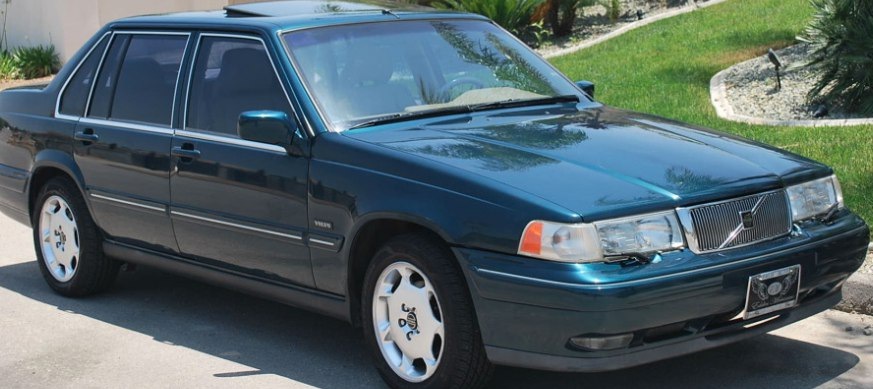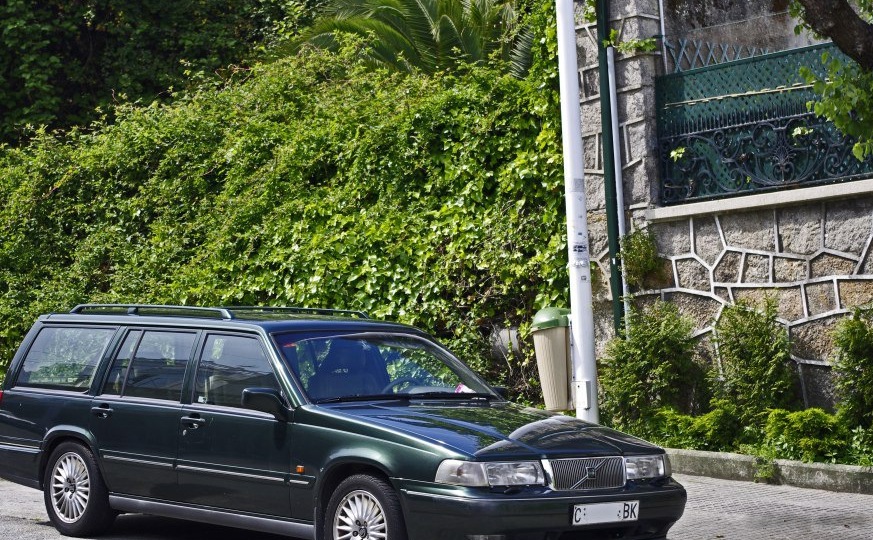
The Volvo 960 Kombi (specifically the 965 designation for the estate/wagon version) 2.0 i 16V, produced from 1990 to 1994, represented a significant evolution in Volvo’s lineup. Positioned as a premium, family-oriented vehicle, the 960 Kombi aimed to combine practicality with a degree of performance and luxury uncommon in station wagons of the era. This variant, powered by the B204FT engine producing 190 horsepower, occupied a middle ground within the 960 range, offering a step up from the base models while remaining more accessible than the flagship trims. It was a key part of Volvo’s strategy to appeal to buyers seeking a safe, comfortable, and capable vehicle for both daily commuting and long-distance travel.
Technical Specifications
| Brand | Volvo |
| Model | 960 |
| Generation | 960 Kombi (965) |
| Type (Engine) | 2.0 i 16V (190 Hp) |
| Start of production | 1990 |
| End of production | 1994 |
| Powertrain Architecture | Internal Combustion engine |
| Body type | Station wagon (estate) |
| Seats | 5 |
| Doors | 5 |
| Fuel consumption (urban) | 15 l/100 km (15.7 US mpg, 18.8 UK mpg, 6.7 km/l) |
| Fuel consumption (extra urban) | 9 l/100 km (26.1 US mpg, 31.4 UK mpg, 11.1 km/l) |
| Fuel Type | Petrol (Gasoline) |
| Maximum speed | 210 km/h (130.49 mph) |
| Power | 190 Hp @ 5300 rpm |
| Power per litre | 95.4 Hp/l |
| Torque | 280 Nm @ 2950 rpm (206.52 lb.-ft. @ 2950 rpm) |
| Engine layout | Front, Longitudinal |
| Engine Model/Code | B204FT |
| Engine displacement | 1991 cm3 (121.5 cu. in.) |
| Number of cylinders | 4 |
| Engine configuration | Inline |
| Cylinder Bore | 89 mm (3.5 in.) |
| Piston Stroke | 80 mm (3.15 in.) |
| Compression ratio | 8.2:1 |
| Number of valves per cylinder | 4 |
| Fuel injection system | Multi-port manifold injection |
| Engine aspiration | Turbocharger |
| Valvetrain | DOHC |
| Engine oil capacity | 3.9 l (4.12 US qt | 3.43 UK qt) |
| Coolant | 9.5 l (10.04 US qt | 8.36 UK qt) |
| Trunk (boot) space – minimum | 992 l (35.03 cu. ft.) |
| Trunk (boot) space – maximum | 2125 l (75.04 cu. ft.) |
| Fuel tank capacity | 80 l (21.13 US gal | 17.6 UK gal) |
| Length | 4850 mm (190.94 in.) |
| Width | 1750 mm (68.9 in.) |
| Height | 1434 mm (56.46 in.) |
| Wheelbase | 2770 mm (109.06 in.) |
| Front track | 1502 mm (59.13 in.) |
| Rear track | 1502 mm (59.13 in.) |
| Drivetrain Architecture | Rear wheel drive |
| Number of gears | 4 |
| Type of gearbox | Manual transmission |
| Front suspension | Wishbone |
| Rear suspension | Coil spring |
| Front brakes | Ventilated discs |
| Rear brakes | Disc |
| Assisting systems | ABS (Anti-lock braking system) |
| Power steering | Hydraulic Steering |
| Tires size | 205/55 R16 |
| Wheel rims size | 16 |
Powertrain & Engine Architecture
The heart of the 960 2.0 i 16V was the B204FT engine, a 2.0-liter inline-four cylinder powerplant. This engine was a significant upgrade over earlier Volvo engines, featuring a cast iron block and an aluminum cylinder head. The “16V” designation indicates the use of a dual overhead camshaft (DOHC) valvetrain, operating four valves per cylinder. This configuration allowed for improved breathing and higher engine speeds. Crucially, the B204FT was turbocharged, providing a substantial boost in power and torque. Fuel delivery was handled by a Bosch multi-port fuel injection system, ensuring precise fuel metering for optimal performance and efficiency. The engine’s longitudinal mounting within the chassis, coupled with rear-wheel drive, was a traditional layout for Volvo at the time, contributing to a balanced driving experience. The 4-speed manual transmission was a robust unit, designed to handle the engine’s output, though it lacked the sophistication of more modern gearboxes.
Driving Characteristics
The 190 horsepower and 280 Nm (206 lb-ft) of torque delivered by the B204FT engine provided the 960 Kombi with respectable performance for its size and class. While not a sports car, the turbocharger provided a noticeable surge of power, making overtaking maneuvers relatively effortless. The manual transmission allowed for driver control, but the gear ratios were somewhat widely spaced, requiring frequent shifting to maintain optimal engine speed. Compared to the lower-powered, naturally aspirated 960 models, the 2.0 i 16V offered a significantly more engaging driving experience. However, it didn’t quite match the performance of the later 960 models equipped with the 2.3-liter turbocharged engine. The rear-wheel drive configuration contributed to a balanced feel, but also meant that traction could be a concern in slippery conditions.
Equipment & Trim Levels
The 960 Kombi 2.0 i 16V typically came well-equipped for its era. Standard features included power windows, central locking, and a basic audio system. Interior upholstery was typically cloth, though leather was available as an option. The dashboard layout was functional and ergonomically designed, prioritizing ease of use. Optional extras included a sunroof, upgraded audio systems, and climate control. The 960 was known for its emphasis on safety, and even base models included features like ABS brakes and reinforced body structures. The Kombi (estate) body style itself was a key feature, offering a cavernous cargo area that could be expanded by folding down the rear seats.
Chassis & Braking
The 960 Kombi utilized a robust chassis designed to handle the demands of carrying passengers and cargo. Front suspension consisted of a wishbone setup, providing a comfortable ride and good handling characteristics. The rear suspension employed coil springs, offering a balance between comfort and stability. Braking duties were handled by ventilated discs at the front and solid discs at the rear, providing adequate stopping power for most driving situations. The ABS system helped to prevent wheel lockup during hard braking, enhancing safety. Stabilizer bars were fitted to both the front and rear axles to reduce body roll during cornering.
Market Reception & Comparison
The Volvo 960 Kombi 2.0 i 16V was generally well-received by automotive critics. It was praised for its spacious interior, comfortable ride, and strong performance. However, some critics noted that the interior styling was somewhat conservative and that the manual transmission could feel clunky at times. Compared to other station wagons of the era, the 960 offered a unique combination of practicality, performance, and safety. Fuel economy was reasonable for a turbocharged engine of this size, but not exceptional. Reliability was generally good, although the turbocharger and fuel injection system could require occasional maintenance. Compared to the naturally aspirated 960 models, the 2.0 i 16V offered a significant performance upgrade, justifying its higher price tag.
Legacy
The Volvo 960 Kombi 2.0 i 16V has developed a loyal following among enthusiasts. The B204FT engine is known for its durability and potential for modification. While parts availability can be a challenge, the engine is relatively straightforward to work on. Today, well-maintained examples of the 960 Kombi are sought after by collectors and enthusiasts who appreciate their classic Volvo styling, spacious interiors, and unique driving experience. The 960 Kombi represents a high point in Volvo’s history, showcasing the company’s commitment to safety, practicality, and understated elegance. The combination of a turbocharged engine, rear-wheel drive, and a spacious wagon body makes it a distinctive and memorable vehicle.