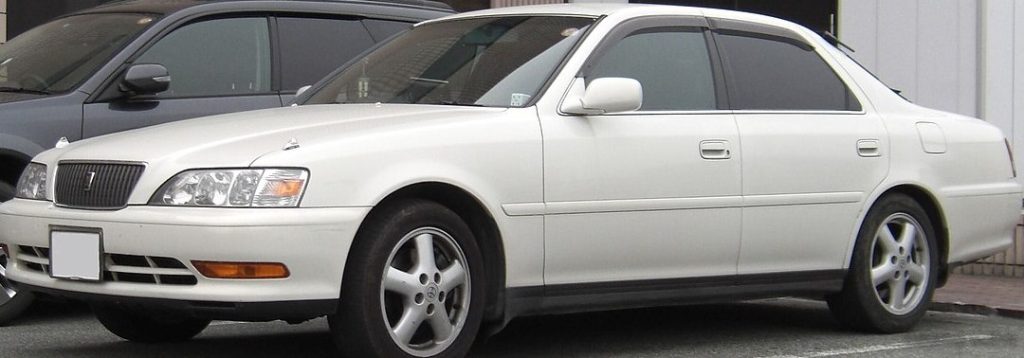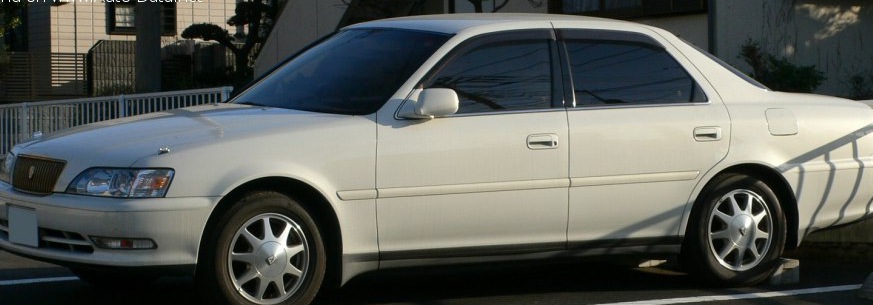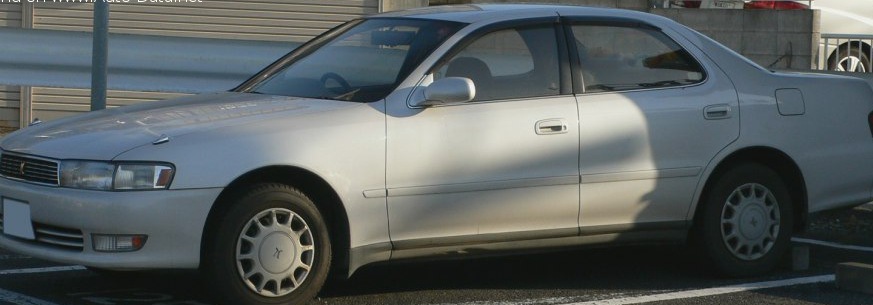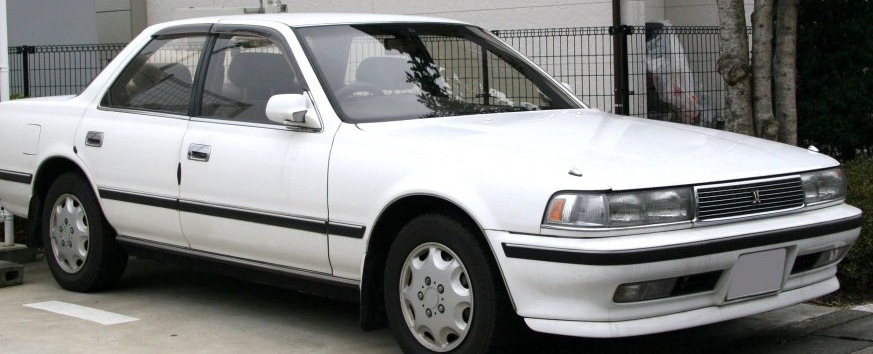
The Toyota Cresta GX80, produced between 1988 and 1992, represents the eighth generation of Toyota’s Cresta line, a mid-size sedan primarily aimed at the Japanese domestic market (JDM). Positioned as a more stylish and sporty alternative to the Toyota Crown and Mark II, the GX80 Cresta offered a range of engine options, with the 2.0 i (170 hp) variant – powered by the 1G-GZE engine – occupying a significant position in the lineup. This model aimed to balance performance with reasonable fuel economy, appealing to buyers seeking a comfortable and relatively powerful sedan. The GX80 generation saw a shift towards more rounded styling and increased emphasis on interior comfort and features compared to its predecessors.
Technical Specifications
| Brand | Toyota |
| Model | Cresta |
| Generation | Cresta (GX80) |
| Type (Engine) | 2.0 i (170 Hp) |
| Start of Production | 1988 |
| End of Production | 1992 |
| Powertrain Architecture | Internal Combustion Engine |
| Body Type | Sedan |
| Seats | 5 |
| Doors | 4 |
| Fuel Type | Petrol (Gasoline) |
| Power | 170 Hp |
| Engine Model/Code | 1G-GZE |
| Engine Aspiration | Naturally Aspirated |
| Fuel Tank Capacity | 70 l (18.49 US gal | 15.4 UK gal) |
Powertrain & Engine Architecture
The heart of the Cresta 2.0 i is the 1G-GZE 2.0-liter inline-six cylinder engine. This engine is a naturally aspirated variant of the 1G-G series, known for its smoothness and reliability. The ‘E’ designation signifies electronic fuel injection, utilizing a multi-point fuel injection system for precise fuel delivery. The 1G-GZE features a single overhead camshaft (SOHC) valvetrain with two valves per cylinder. While not as technologically advanced as dual overhead cam designs, the SOHC configuration contributed to the engine’s simplicity and ease of maintenance. The engine produces 170 horsepower at approximately 6,000 rpm and around 145 lb-ft of torque at 4,800 rpm. The engine’s block is cast iron, providing durability, while the cylinder head is aluminum, helping to reduce weight. The 1G-GZE was known for its relatively quiet operation and linear power delivery. The transmission paired with this engine was typically a four-speed automatic, designed for smooth and comfortable shifting. Manual transmission options were available in other Cresta trims, but the automatic was the more common choice for this specific variant.
Driving Characteristics
The Cresta 2.0 i with the automatic transmission offered a comfortable and refined driving experience. The four-speed automatic, while not offering the quickest acceleration, provided smooth gear changes and made the car easy to drive in city traffic. Acceleration from 0 to 60 mph was estimated to be around 9-10 seconds, which was respectable for a mid-size sedan of that era. The 1G-GZE engine delivered adequate power for highway cruising and overtaking maneuvers, although it lacked the outright punch of the turbocharged variants available in the Cresta lineup. The automatic transmission’s gear ratios were tuned for fuel efficiency and comfort rather than outright performance. Compared to the manual transmission versions, the automatic offered less driver engagement but greater convenience. The suspension, tuned for comfort, absorbed bumps and road imperfections well, providing a smooth ride. Steering was light and precise, making the car easy to maneuver.
Equipment & Trim Levels
The 2.0 i trim of the Cresta GX80 typically included features such as power windows, power steering, central locking, and an AM/FM radio. Higher trim levels offered additional features like air conditioning, upgraded upholstery (often velour or cloth), and a more sophisticated sound system. The interior design was functional and well-built, with a focus on ergonomics. The dashboard featured analog gauges for speed, tachometer, fuel level, and coolant temperature. Optional extras included a sunroof, upgraded audio systems, and alloy wheels. The interior color schemes typically consisted of shades of gray, blue, or beige. The exterior styling of the 2.0 i was generally understated, with chrome accents and relatively simple wheel covers.
Chassis & Braking
The Cresta GX80 utilized a traditional body-on-frame construction, providing a robust and durable chassis. The front suspension consisted of MacPherson struts, while the rear suspension employed a multi-link setup. This combination provided a good balance of ride comfort and handling. Braking on the 2.0 i variant typically consisted of disc brakes on the front wheels and drum brakes on the rear wheels. Power-assisted steering was standard. Stabilizer bars were fitted to both the front and rear suspension to reduce body roll during cornering. The braking system, while adequate for normal driving conditions, lacked the stopping power of more modern braking systems. Tire size was typically 185/65R14.
Market Reception & Comparison
The Toyota Cresta GX80 2.0 i was generally well-received in the Japanese market. Critics praised its comfortable ride, smooth engine, and reliable build quality. However, some reviewers noted that the 170 hp engine lacked the excitement of the turbocharged options available in the Cresta lineup. Compared to the 2.4-liter and turbocharged variants, the 2.0 i offered better fuel economy but less performance. The 2.0 i also represented a more affordable entry point into the Cresta range. Compared to competitors like the Nissan Skyline and Mazda Luce, the Cresta offered a more conservative and refined driving experience. Fuel economy was rated around 25-30 mpg, depending on driving conditions.
Legacy
The Toyota Cresta GX80, particularly the 2.0 i variant, has developed a following among JDM enthusiasts. The 1G-GZE engine is known for its durability and relatively simple maintenance requirements. While not as sought-after as the turbocharged models, the 2.0 i offers a good balance of reliability, affordability, and comfort. Finding well-maintained examples today can be challenging, as many have been subjected to years of use. However, the Cresta GX80 remains a popular choice for those seeking a classic Japanese sedan with a reputation for dependability. Parts availability is generally good, although some specific trim pieces may be difficult to source. The GX80 Cresta represents a significant chapter in Toyota’s history, showcasing the company’s commitment to building high-quality and reliable vehicles.