Technical Specifications
| Brand | Toyota |
| Model | Cresta |
| Generation | Cresta (GX80) |
| Type (Engine) | 2.4 i (150 Hp) |
| Start of production | 1988 |
| End of production | 1992 |
| Powertrain Architecture | Internal Combustion engine |
| Body type | Sedan |
| Seats | 5 |
| Doors | 4 |
| Fuel Type | Petrol (Gasoline) |
| Power | 150 Hp @ 6000 rpm |
| Power per litre | 75.1 Hp/l |
| Torque | 194 Nm @ 4000 rpm / 143.09 lb.-ft. @ 4000 rpm |
| Engine layout | Front, Transverse |
| Engine Model/Code | 1G-GE |
| Engine displacement | 1998 cm3 / 121.93 cu. in. |
| Number of cylinders | 4 |
| Engine configuration | Inline |
| Cylinder Bore | 86 mm / 3.39 in. |
| Piston Stroke | 86 mm / 3.39 in. |
| Compression ratio | 9.8:1 |
| Number of valves per cylinder | 4 |
| Fuel injection system | Multi-port manifold injection |
| Engine aspiration | Naturally aspirated engine |
| Valvetrain | DOHC |
| Fuel tank capacity | 70 l / 18.49 US gal | 15.4 UK gal |
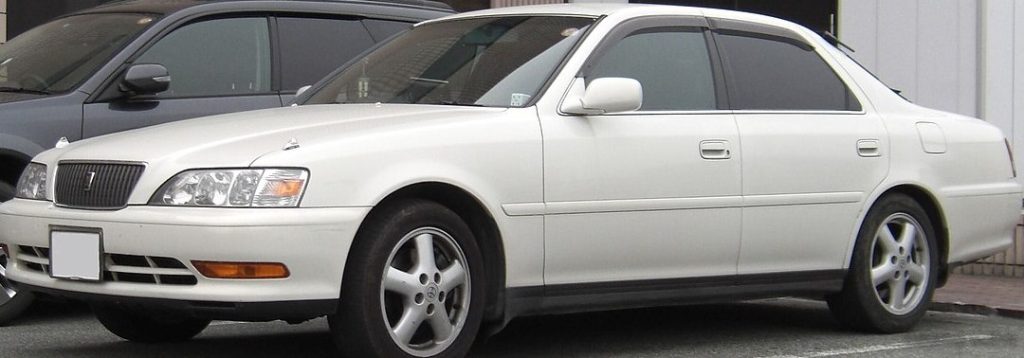
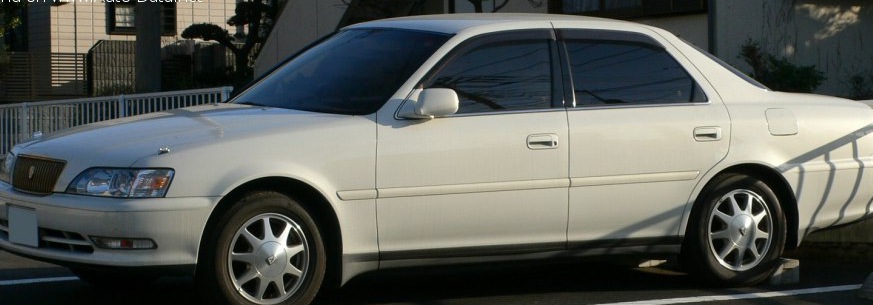
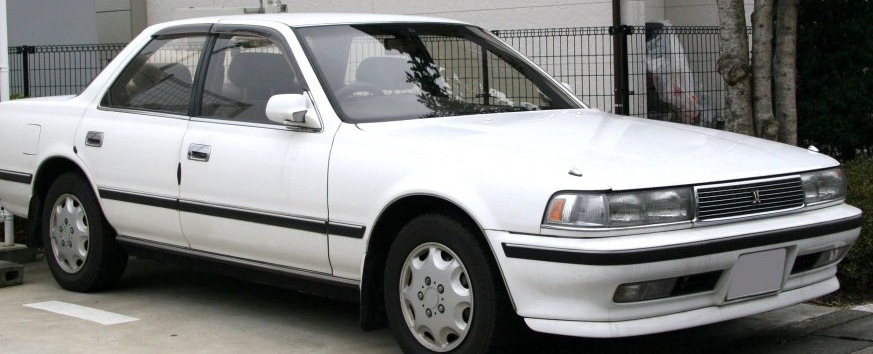
The Toyota Cresta GX80, manufactured between 1988 and 1992, marked a notable step forward in Toyota’s mid-size sedan lineup. Positioned as a more refined and stylish alternative to the Mark II, the Cresta GX80 aimed at buyers desiring a blend of practicality and sophistication. The 2.4 i variant, equipped with the 1G-GE engine and typically paired with an automatic transmission, occupied a middle ground within the GX80 range, offering a balance between performance and fuel economy. It proved a popular choice for family transportation, representing an upgrade from the base models while remaining more accessible than the higher-performance, turbocharged options.
Powertrain & Engine Architecture
At the heart of the Cresta 2.4 i lay the 1G-GE engine, a 2.0-liter (1998cc) inline-four cylinder powerplant. This engine was a cornerstone of Toyota’s ‘G-series’ family, renowned for its dependability and smooth operation. The 1G-GE boasted a dual overhead camshaft (DOHC) valvetrain, operating four valves per cylinder, contributing to its respectable power output for a naturally aspirated engine of the period. Fuel delivery was managed by a multi-port fuel injection system, ensuring precise fuel metering and efficient combustion. The engine’s 9.8:1 compression ratio represented a compromise between performance and the ability to operate reliably on the gasoline grades commonly available at the time. The automatic transmission commonly paired with this engine was a four-speed unit, engineered for smooth gear changes and ease of driving. While not particularly focused on sportiness, it complemented the Cresta’s overall emphasis on comfort and refinement.
Driving Characteristics
The 2.4 i version of the Cresta GX80 delivered a comfortable and predictable driving experience. Producing 150 horsepower and 194 Nm (143 lb-ft) of torque, acceleration was sufficient for everyday driving, though not exceptionally quick. The automatic transmission, while smooth, did result in some power loss compared to the available five-speed manual gearbox. Gear ratios were optimized for fuel efficiency and relaxed cruising, rather than aggressive acceleration. Compared to the turbocharged Cresta variants, the 2.4 i felt noticeably less powerful, but it offered a more linear power delivery and eliminated the potential for turbo lag. The steering was light and precise, making it easy to maneuver in city traffic, while the suspension provided a comfortable ride, effectively absorbing bumps and road imperfections.
Equipment & Trim Levels
The Cresta 2.4 i generally came standard with a reasonable array of features. Interior appointments typically included cloth upholstery, power windows, power door locks, and an AM/FM stereo system. Air conditioning was nearly always included. Higher trim levels within the 2.4 i range offered upgrades such as velour upholstery, a more advanced sound system, and optional extras like a sunroof and cruise control. The dashboard layout was functional and well-organized, with clearly marked controls. The overall interior design prioritized comfort and practicality over outright luxury. Exterior features generally included body-colored bumpers and side moldings, with alloy wheels often available as an option.
Chassis & Braking
The Cresta GX80 employed a front MacPherson strut suspension and a rear multi-link suspension, providing a good balance between ride comfort and handling. The 2.4 i variant typically featured front disc brakes and rear drum brakes. While adequate for typical driving conditions, the rear drum brakes were a point of criticism when compared to the all-disc brake systems found on some of the higher-performance models. Stabilizer bars were fitted to both the front and rear axles, helping to minimize body roll during cornering. The chassis was relatively lightweight, contributing to the car’s overall agility and fuel efficiency. Steering was rack-and-pinion, providing precise and responsive control.
Market Reception & Comparison
The Toyota Cresta 2.4 i was generally well-received by automotive reviewers and consumers. It was praised for its comfortable ride, reliable engine, and spacious interior. However, some critics pointed out that the automatic transmission could occasionally feel sluggish, and the rear drum brakes were considered a compromise. Compared to its competitors, such as the Nissan Skyline and Mazda Luce, the Cresta offered a compelling combination of features and value. The 2.4 i variant delivered better fuel economy than the turbocharged models, making it a more practical choice for daily commuting. Reliability was a significant strength, with the 1G-GE engine proving to be exceptionally durable.
Legacy
The Toyota Cresta GX80 2.4 i has maintained a solid reputation for reliability and durability in the used car market. The 1G-GE engine is well-known for its longevity, and with proper maintenance, it can continue to provide years of dependable service. Parts availability is generally good, although some specific trim pieces may be challenging to locate. Today, the GX80 is appreciated by enthusiasts for its classic styling and its connection to a celebrated era of Japanese automotive engineering. While not a high-performance icon, the 2.4 i variant represents a well-rounded and practical choice for those seeking a comfortable and reliable classic sedan. It stands as a testament to Toyota’s dedication to quality and engineering excellence.