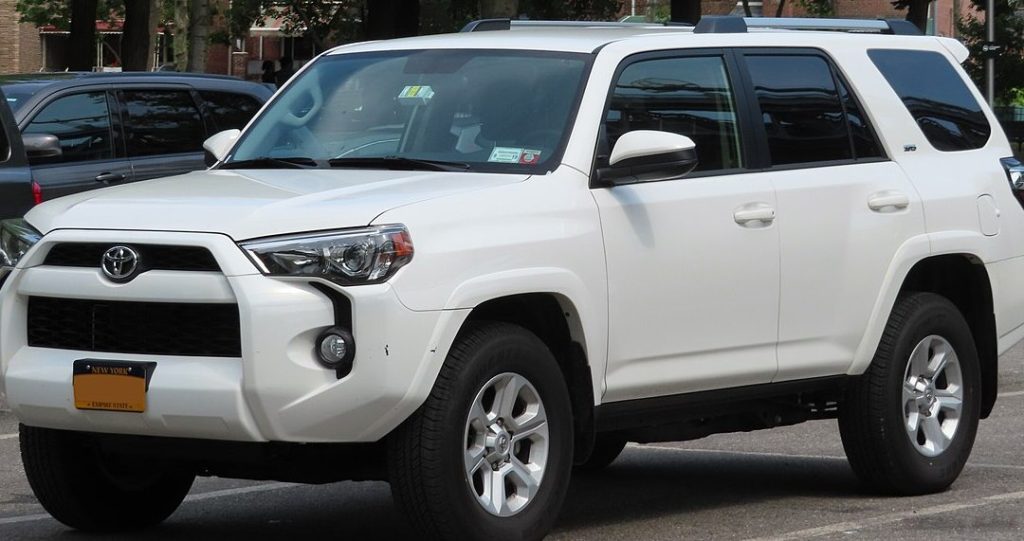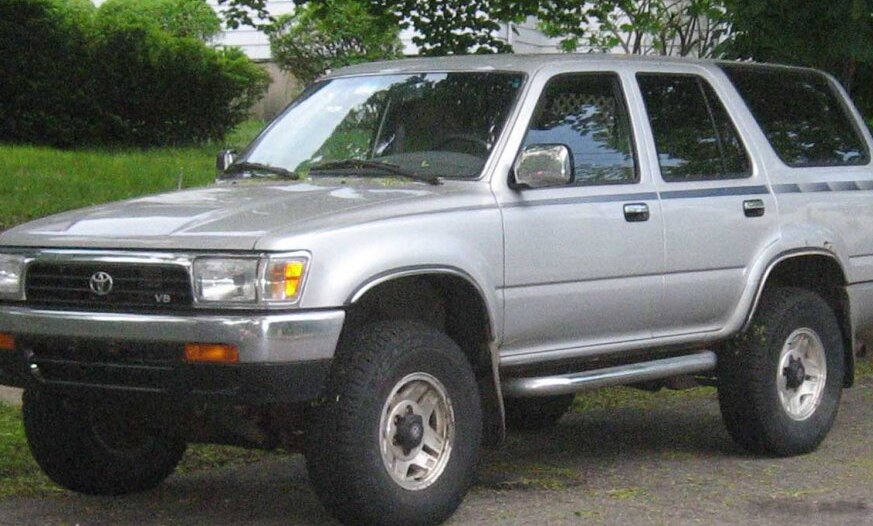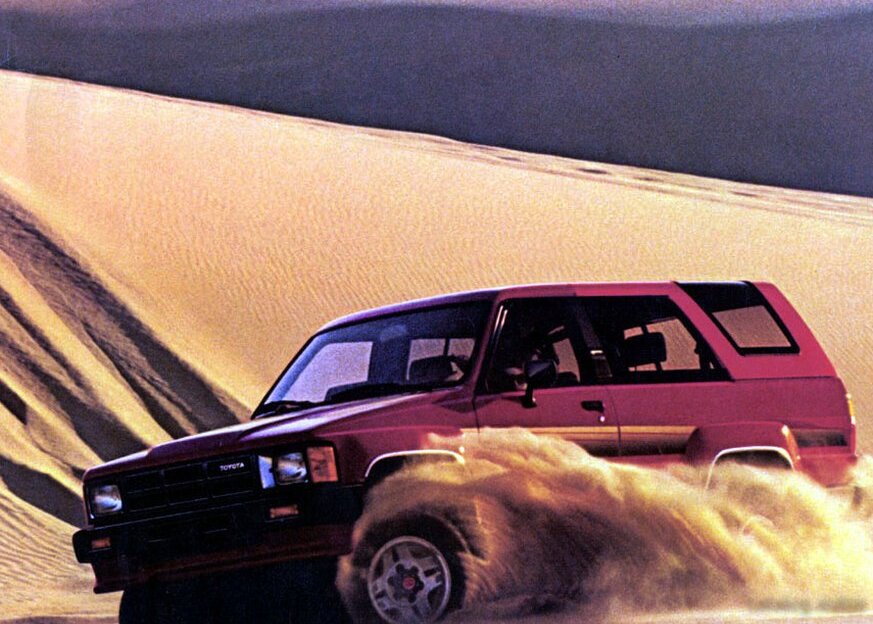
The Toyota 4Runner I 3.0i V6 4×4, produced primarily for the 1989 model year, represents the first generation of Toyota’s popular SUV. Launched as a more rugged alternative to the growing wave of car-based crossovers, the 4Runner was initially conceived as a compact, body-on-frame vehicle designed for off-road capability and utility. This particular variant, equipped with the 3.0-liter V6 engine and a five-speed manual transmission, occupied a mid-range position within the 4Runner lineup, offering a balance between performance, fuel economy, and affordability. It was a key model in establishing the 4Runner’s reputation for durability and adventurous spirit, particularly in markets outside of North America where the demand for capable off-road vehicles remained strong.
Technical Specifications
| Brand | Toyota |
| Model | 4Runner |
| Generation | 4Runner I |
| Type (Engine) | 3.0i V6 (150 Hp) 4×4 |
| Start of production | 1989 |
| End of production | 1989 |
| Powertrain Architecture | Internal Combustion engine |
| Body type | SUV |
| Seats | 5 |
| Doors | 3 |
| Fuel consumption (urban) | 13.8 l/100 km (17 US mpg, 20.5 UK mpg, 7.2 km/l) |
| Fuel consumption (extra urban) | 11.7 l/100 km (20.1 US mpg, 24.1 UK mpg, 8.5 km/l) |
| Fuel Type | Petrol (Gasoline) |
| Power | 150 Hp @ 4800 rpm |
| Power per litre | 50.7 Hp/l |
| Torque | 244 Nm @ 3400 rpm (179.97 lb.-ft. @ 3400 rpm) |
| Engine layout | Front, Longitudinal |
| Engine Model/Code | 3VZ-E |
| Engine displacement | 2958 cm3 (180.51 cu. in.) |
| Number of cylinders | 6 |
| Engine configuration | V-engine |
| Cylinder Bore | 87.5 mm (3.44 in.) |
| Piston Stroke | 82 mm (3.23 in.) |
| Compression ratio | 9:1 |
| Number of valves per cylinder | 2 |
| Fuel injection system | Multi-port manifold injection |
| Engine aspiration | Naturally aspirated engine |
| Valvetrain | OHC |
| Engine oil capacity | 4.5 l (4.76 US qt | 3.96 UK qt) |
| Coolant | 10.5 l (11.1 US qt | 9.24 UK qt) |
| Max. weight | 2350 kg (5180.86 lbs.) |
| Trunk (boot) space – minimum | 1200 l (42.38 cu. ft.) |
| Trunk (boot) space – maximum | 2100 l (74.16 cu. ft.) |
| Fuel tank capacity | 65 l (17.17 US gal | 14.3 UK gal) |
| Length | 4435 mm (174.61 in.) |
| Width | 1689 mm (66.5 in.) |
| Height | 1679 mm (66.1 in.) |
| Wheelbase | 2625 mm (103.35 in.) |
| Front track | 1430 mm (56.3 in.) |
| Rear (Back) track | 1425 mm (56.1 in.) |
| Ride height (ground clearance) | 269 mm (10.59 in.) |
| Minimum turning circle (turning diameter) | 11.3 m (37.07 ft.) |
| Approach angle | 37° |
| Departure angle | 22.5° |
| Drive wheel | All wheel drive (4×4) |
| Number of gears and type of gearbox | 5 gears, manual transmission |
| Front suspension | Independent torsion bar, double wishbone |
| Rear suspension | Leaf spring |
| Front brakes | Ventilated discs |
| Rear brakes | Drum |
| Steering type | Worm-reduction unit |
| Power steering | Hydraulic Steering |
| Tires size | 225/75 R15 |
| Wheel rims size | 15 |
Powertrain & Engine Architecture
The heart of the 4Runner I 3.0i V6 4×4 is the 3VZ-E engine, a 2.958-liter (180.51 cubic inch) naturally aspirated V6. This engine utilizes a single overhead camshaft (OHC) design and multi-port fuel injection, contributing to a relatively smooth power delivery. The 3VZ-E was known for its reliability and durability, although it wasn’t considered a particularly high-performance engine. Its 150 horsepower at 4800 rpm and 244 Nm (179.97 lb-ft) of torque at 3400 rpm provided adequate power for both on-road driving and moderate off-road excursions. The five-speed manual transmission offered precise control and allowed drivers to maximize the engine’s potential. The transmission’s gear ratios were tuned for a balance of acceleration and fuel efficiency, though it wasn’t particularly sporty in its feel.
Driving Characteristics
The 4Runner I 3.0i V6 4×4 with the manual transmission offered a reasonably engaging driving experience. While not exceptionally quick, the engine provided sufficient power for everyday driving and highway cruising. The manual gearbox allowed for greater driver control, especially when navigating challenging terrain. Compared to later, more powerful 4Runner variants, this 3.0-liter V6 felt less refined and required more frequent gear changes to maintain momentum, particularly when fully loaded or climbing steep hills. The 4×4 system, selectable via a lever inside the cabin, provided enhanced traction in slippery conditions and allowed for tackling moderate off-road trails. The leaf spring rear suspension, while robust, contributed to a somewhat firm ride quality, especially on uneven surfaces.
Equipment & Trim Levels
The 1989 Toyota 4Runner I 3.0i V6 4×4 was typically equipped with basic but functional features. Standard equipment generally included cloth upholstery, a simple dashboard layout with analog gauges, and manual windows and locks. Air conditioning was often an optional extra, as were features like a cassette player and upgraded sound system. The interior was designed with practicality in mind, featuring durable materials and easy-to-clean surfaces. Trim levels were relatively limited, with most 4Runners falling into a base or slightly upgraded configuration. The focus was on providing a rugged and reliable vehicle rather than luxurious amenities.
Chassis & Braking
The 4Runner I utilized a traditional body-on-frame construction, providing a robust and durable chassis. The front suspension employed an independent torsion bar and double wishbone setup, offering a degree of ride comfort and handling precision. The rear suspension, however, relied on a more basic leaf spring design, prioritizing load-carrying capacity and durability over refinement. Braking duties were handled by ventilated discs at the front and drum brakes at the rear. While adequate for the vehicle’s weight and intended use, the braking system wasn’t particularly powerful by modern standards. The hydraulic power steering provided reasonable assistance, making maneuvering easier, especially at low speeds.
Market Reception & Comparison
The 4Runner I 3.0i V6 4×4 was generally well-received by automotive critics and consumers alike. It was praised for its ruggedness, reliability, and off-road capability. Compared to other SUVs of the time, such as the Chevrolet Blazer or Ford Bronco II, the 4Runner offered a more refined driving experience and a reputation for superior build quality. However, its fuel economy was relatively poor, particularly in urban driving conditions. Compared to the later, more powerful V6 and turbocharged diesel variants of the 4Runner, this 3.0-liter engine felt underpowered, especially when towing or carrying heavy loads. The manual transmission appealed to drivers who preferred greater control, but it wasn’t as popular as automatic transmissions in the North American market.
Legacy
The Toyota 4Runner I 3.0i V6 4×4 holds a significant place in the 4Runner’s history. It established the model as a capable and reliable off-road vehicle, laying the foundation for its enduring popularity. The 3VZ-E engine, while not known for its blistering performance, proved to be remarkably durable and long-lasting, with many examples still running today. In the used car market, these early 4Runners are sought after by enthusiasts and collectors who appreciate their simplicity, ruggedness, and classic styling. While maintenance costs can be higher due to the vehicle’s age, the 4Runner I 3.0i V6 4×4 remains a testament to Toyota’s commitment to building durable and dependable vehicles.