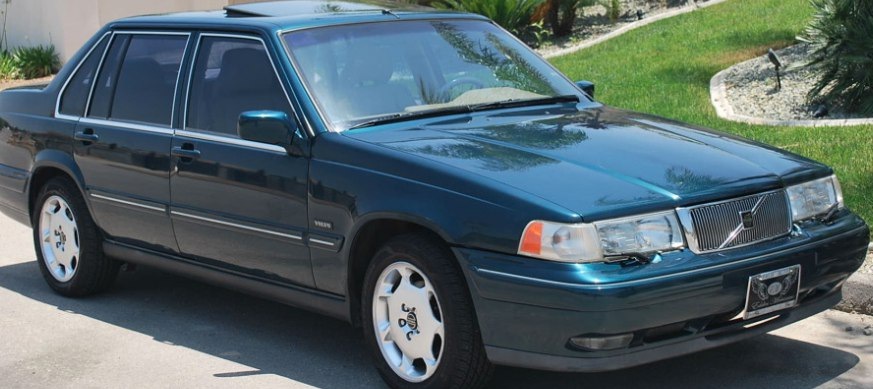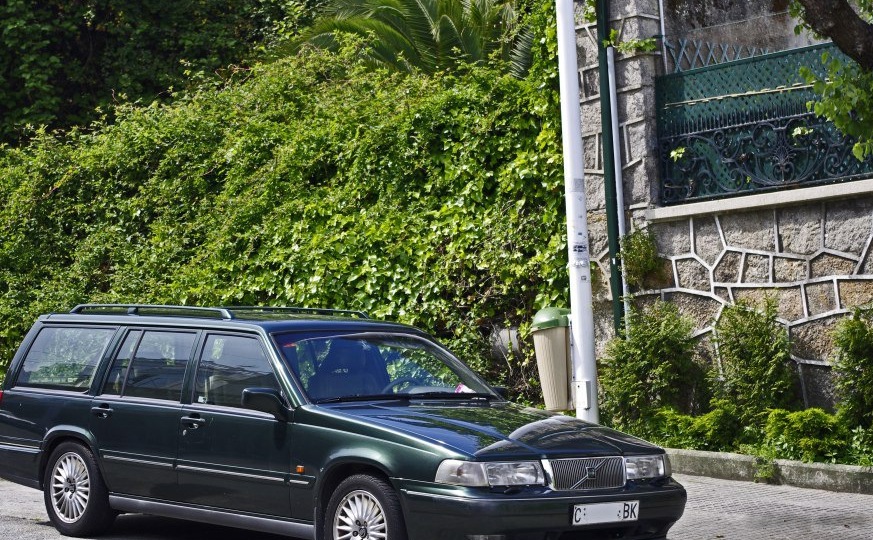
The Volvo 960 Kombi (specifically the 965 designation for the estate/wagon version) with the 2.5-liter V6 24V engine producing 170 horsepower was a relatively short-lived but significant offering from Volvo, produced between 1994 and 1996. It represented a peak in Volvo’s commitment to rear-wheel drive before the company fully transitioned to front-wheel drive platforms. Positioned as a premium variant within the 960 range, it aimed to provide a blend of practicality, performance, and luxury for buyers seeking a spacious and capable wagon. The 965 Kombi sat above the four-cylinder models in terms of price and performance, offering a more refined driving experience. It was part of the broader 960/965 series, which utilized Volvo’s P90 platform.
Technical Specifications
| Brand | Volvo |
| Model | 960 |
| Generation | 960 Kombi (965) |
| Type (Engine) | 2.5 i V6 24V (170 Hp) |
| Start of production | 1994 |
| End of production | 1996 |
| Powertrain Architecture | Internal Combustion engine |
| Body type | Station wagon (estate) |
| Seats | 5 |
| Doors | 5 |
| Fuel consumption (combined) | 10.5 l/100 km (22.4 US mpg, 26.9 UK mpg, 9.5 km/l) |
| Fuel Type | Petrol (Gasoline) |
| Acceleration 0 – 100 km/h | 9.9 sec |
| Acceleration 0 – 62 mph | 9.9 sec |
| Acceleration 0 – 60 mph | 9.4 sec |
| Maximum speed | 210 km/h (130.49 mph) |
| Weight-to-power ratio | 9.4 kg/Hp, 106.3 Hp/tonne |
| Weight-to-torque ratio | 7 kg/Nm, 143.8 Nm/tonne |
| Power | 170 Hp @ 5700 rpm |
| Power per litre | 68.7 Hp/l |
| Torque | 230 Nm @ 4400 rpm (169.64 lb.-ft. @ 4400 rpm) |
| Engine layout | Front, Longitudinal |
| Engine Model/Code | B6254S |
| Engine displacement | 2473 cm3 (150.91 cu. in.) |
| Number of cylinders | 6 |
| Engine configuration | Inline |
| Cylinder Bore | 81 mm (3.19 in.) |
| Piston Stroke | 80 mm (3.15 in.) |
| Compression ratio | 10.5:1 |
| Number of valves per cylinder | 4 |
| Fuel injection system | Multi-port manifold injection |
| Engine aspiration | Naturally aspirated engine |
| Valvetrain | DOHC |
| Engine oil capacity | 5.8 l (6.13 US qt | 5.1 UK qt) |
| Coolant | 10.7 l (11.31 US qt | 9.41 UK qt) |
| Kerb Weight | 1600 kg (3527.4 lbs.) |
| Max. weight | 2060 kg (4541.52 lbs.) |
| Max load | 460 kg (1014.13 lbs.) |
| Trunk (boot) space – minimum | 992 l (35.03 cu. ft.) |
| Trunk (boot) space – maximum | 2125 l (75.04 cu. ft.) |
| Fuel tank capacity | 80 l (21.13 US gal | 17.6 UK gal) |
| Length | 4850 mm (190.94 in.) |
| Width | 1750 mm (68.9 in.) |
| Height | 1434 mm (56.46 in.) |
| Wheelbase | 2770 mm (109.06 in.) |
| Front track | 1502 mm (59.13 in.) |
| Rear (Back) track | 1502 mm (59.13 in.) |
| Drivetrain Architecture | Rear wheel drive |
| Drive wheel | Rear wheel drive |
| Number of gears and type of gearbox | 5 gears, manual transmission |
| Front suspension | Wishbone |
| Rear suspension | Coil spring |
| Front brakes | Ventilated discs |
| Rear brakes | Disc |
| Assisting systems | ABS (Anti-lock braking system) |
| Power steering | Hydraulic Steering |
| Tires size | 195/65 R15 V |
| Wheel rims size | 15 |
Powertrain & Engine Architecture
The heart of the 960 Kombi 2.5 i V6 24V is the B6254S engine, a 2.5-liter inline-six cylinder powerplant. This engine, a descendant of Volvo’s long-running six-cylinder family, featured a cast iron block and an aluminum cylinder head. The “24V” designation refers to the four valves per cylinder (dual overhead camshafts – DOHC) which contributed to its relatively high output for the time. Fuel delivery was handled by a Bosch multi-port fuel injection system, providing precise control over the air-fuel mixture. The engine’s design prioritized smooth operation and durability over outright peak power. The 960 Kombi utilized a five-speed manual transmission as standard, delivering power to the rear wheels. This configuration was a deliberate choice by Volvo, maintaining a traditional driving experience that appealed to enthusiasts.
Driving Characteristics
The 170 horsepower and 230 Nm (169.64 lb-ft) of torque provided by the 2.5L V6 offered a respectable level of performance for a wagon of its size. Acceleration to 60 mph took around 9.4 seconds, and it could reach a top speed of 130.49 mph. While not a sports car, the 960 Kombi offered a comfortable and capable driving experience. The rear-wheel drive layout provided balanced handling, and the manual transmission allowed for precise control. Compared to the four-cylinder 960 models, the V6 offered significantly more power and refinement. However, it wasn’t as nimble as some of its front-wheel drive competitors. The five-speed manual transmission was well-matched to the engine’s characteristics, providing usable power across a wide range of engine speeds.
Equipment & Trim Levels
The 960 Kombi 2.5 i V6 24V was generally well-equipped, reflecting its position as a premium model. Standard features typically included power windows, power locks, a sunroof, and a high-quality audio system. Interior upholstery was typically cloth, but leather was available as an option. The dashboard layout was functional and ergonomically designed, with a focus on ease of use. Optional extras included automatic climate control, heated front seats, and a premium sound system. Safety was a key Volvo priority, and the 960 Kombi came standard with ABS anti-lock brakes and a robust safety cage.
Chassis & Braking
The 960 Kombi featured a robust chassis designed to handle the weight of the vehicle and its occupants, as well as cargo. Front suspension utilized a wishbone setup, while the rear employed a coil spring arrangement. Braking duties were handled by ventilated discs at the front and solid discs at the rear, providing adequate stopping power. The ABS system helped to maintain control during hard braking. The steering was hydraulic power-assisted, offering a good balance of feel and ease of use. The relatively heavy curb weight of around 3527.4 lbs did impact handling agility, but the well-tuned suspension helped to mitigate this.
Market Reception & Comparison
The Volvo 960 Kombi 2.5 i V6 24V was generally well-received by critics, who praised its spacious interior, comfortable ride, and robust build quality. However, some reviewers noted that its fuel economy was relatively poor compared to some of its competitors. Compared to other trims in the 960 lineup, the V6 offered a significant performance upgrade, but at a higher price point. It competed with other premium wagons such as the Audi 80 Avant and the BMW 3 Series Touring, but offered a unique blend of Scandinavian design and practicality.
Legacy
The Volvo 960 Kombi 2.5 i V6 24V, while not a high-volume seller, has gained a following among Volvo enthusiasts. The B6254S engine is known for its durability and reliability, and well-maintained examples can still provide years of service. The rear-wheel drive layout and manual transmission make it a desirable classic for those who appreciate a traditional driving experience. In the used car market, these wagons command a premium over the four-cylinder models, particularly those in good condition with low mileage. The 960 Kombi represents a final chapter in Volvo’s long history of rear-wheel drive vehicles, and it remains a testament to the company’s commitment to safety, practicality, and durability.