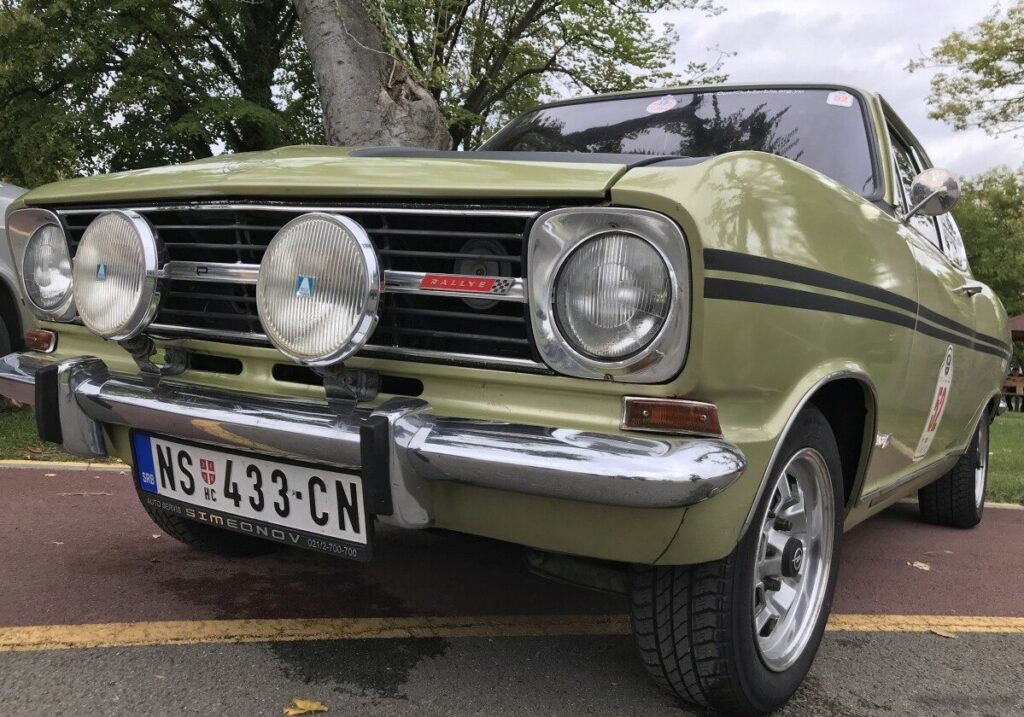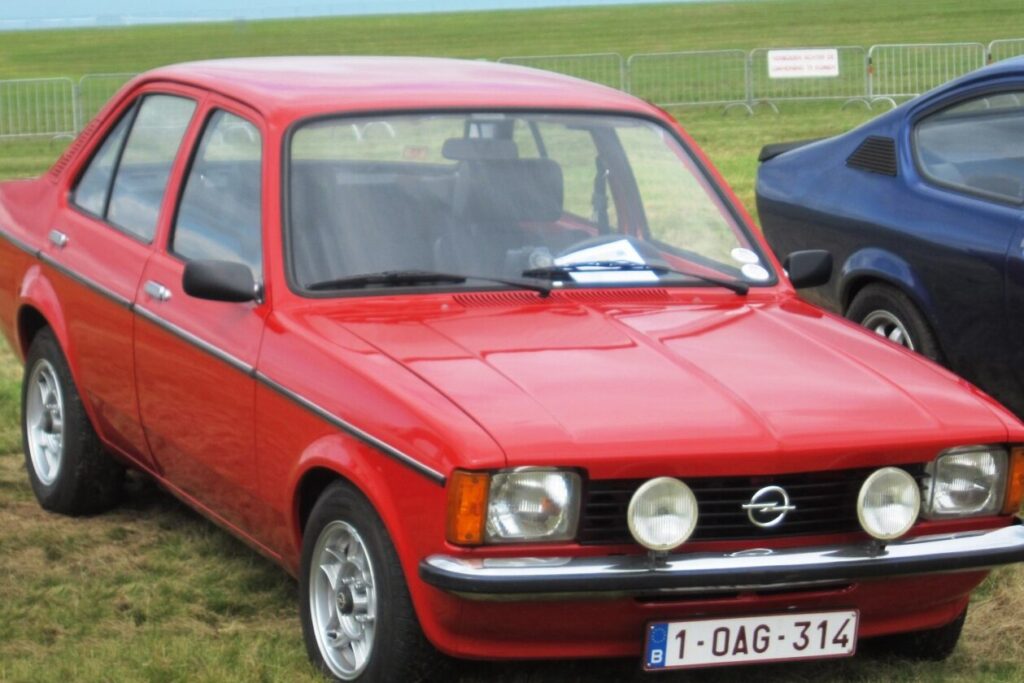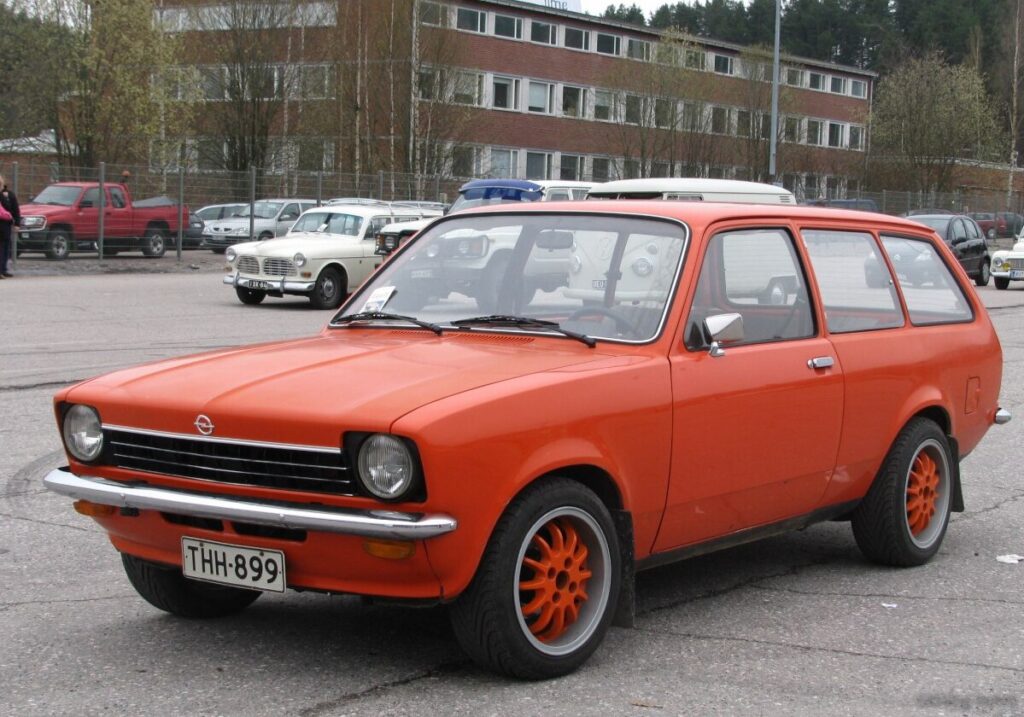
The Opel Kadett C Caravan 1.6 S, produced between 1973 and 1979, represented a significant step forward for Opel’s popular Kadett line. Positioned as a slightly more sporting variant within the Caravan (estate) body style, the 1.6 S offered a modest performance upgrade over the base models, appealing to buyers seeking a practical family vehicle with a touch more driving engagement. It was part of the Kadett C generation (1972-1979), which saw substantial improvements in design, comfort, and engineering compared to its predecessor, the Kadett B. The Caravan body style itself was a key selling point in Europe, offering increased cargo capacity and versatility for families and businesses.
Technical Specifications
| Brand | Opel |
| Model | Kadett |
| Generation | Kadett C Caravan |
| Type (Engine) | 1.6 S (75 Hp) |
| Start of production | 1973 |
| End of production | 1979 |
| Powertrain Architecture | Internal Combustion engine |
| Body type | Station wagon (estate) |
| Seats | 5 |
| Doors | 3-5 |
| Fuel consumption (combined) | 10.3 l/100 km (22.8 US mpg, 27.4 UK mpg, 9.7 km/l) |
| Fuel Type | Petrol (Gasoline) |
| Acceleration 0 – 100 km/h | 16.5 sec |
| Acceleration 0 – 62 mph | 16.5 sec |
| Acceleration 0 – 60 mph | 15.7 sec |
| Maximum speed | 152 km/h (94.45 mph) |
| Weight-to-power ratio | 10.9 kg/Hp |
| Weight-to-torque ratio | 7.3 kg/Nm |
| Power | 75 Hp @ 5000 rpm |
| Power per litre | 47.3 Hp/l |
| Torque | 113 Nm (83.34 lb.-ft.) |
| Engine layout | Front, Longitudinal |
| Engine Model/Code | 16S |
| Engine displacement | 1584 cm3 (96.66 cu. in.) |
| Number of cylinders | 4 |
| Engine configuration | Inline |
| Cylinder Bore | 85 mm (3.35 in.) |
| Piston Stroke | 69.8 mm (2.75 in.) |
| Compression ratio | 8.8:1 |
| Number of valves per cylinder | 2 |
| Fuel injection system | Carburettor |
| Engine aspiration | Naturally aspirated |
| Engine oil capacity | 3.8 l (4.02 US qt, 3.34 UK qt) |
| Coolant | 6.6 l (6.97 US qt, 5.81 UK qt) |
| Kerb Weight | 820 kg (1807.79 lbs.) |
| Max. weight | 1270 kg (2799.87 lbs.) |
| Max load | 450 kg (992.08 lbs.) |
| Trunk (boot) space – maximum | 450 l (15.89 cu. ft.) |
| Fuel tank capacity | 43 l (11.36 US gal, 9.46 UK gal) |
| Max. roof load | 60 kg (132.28 lbs.) |
| Permitted trailer load with brakes (12%) | 1000 kg (2204.62 lbs.) |
| Permitted trailer load without brakes | 485 kg (1069.24 lbs.) |
| Length | 4140 mm (162.99 in.) |
| Width | 1580 mm (62.2 in.) |
| Height | 1385 mm (54.53 in.) |
| Wheelbase | 2395 mm (94.29 in.) |
| Front track | 1300 mm (51.18 in.) |
| Rear (Back) track | 1299 mm (51.14 in.) |
| Minimum turning circle | 9.2 m (30.18 ft.) |
| Drivetrain Architecture | Rear wheel drive |
| Number of gears and type of gearbox | 4 gears, manual transmission |
| Front brakes | Disc |
| Rear brakes | Drum |
| Tires size | 155/80 SR13 |
| Wheel rims size | 13 |
Powertrain & Engine Architecture
The heart of the Kadett C Caravan 1.6 S was the 1584cc inline-four cylinder engine, designated the 16S. This engine, while sharing a basic architecture with other Kadett C powerplants, featured a slightly higher compression ratio (8.8:1) and a twin-barrel carburetor, contributing to the increased power output of 75 horsepower at 5000 rpm and 113 Nm (83.34 lb-ft) of torque. The engine was longitudinally mounted in the front of the vehicle, driving the rear wheels. The valvetrain employed a single overhead camshaft operating two valves per cylinder. The 16S engine was known for its relative simplicity and durability, characteristics common to Opel engines of the era. The transmission was a four-speed manual gearbox, providing a straightforward driving experience. Automatic transmissions were available on other Kadett C models, but not typically paired with the 1.6 S engine.
Driving Characteristics
The 1.6 S, with its 75 hp, offered a noticeable improvement in performance over the base Kadett Caravan models. However, it was by no means a sporty vehicle. Acceleration from 0 to 60 mph took around 15.7 seconds, and top speed was approximately 94.45 mph. The four-speed manual transmission provided adequate control, but the gear ratios were spaced to prioritize fuel economy and drivability rather than outright performance. Compared to later Kadett variants like the GSi or even the 1.9-liter engines, the 1.6 S felt somewhat underpowered, especially when fully loaded with passengers and cargo. The rear-wheel-drive layout provided predictable handling, but the relatively soft suspension and narrow tires limited cornering grip.
Equipment & Trim Levels
The 1.6 S trim level offered a step up in terms of standard equipment compared to the base Kadett Caravan. Interior features typically included upgraded cloth upholstery, a more comprehensive instrument cluster, and often a woodgrain finish on the dashboard. While not luxurious, the interior was functional and reasonably comfortable. Optional extras included a sunroof, upgraded audio systems, and tinted glass. The exterior was distinguished by subtle chrome trim and, in some markets, a small “S” badge. The focus was on providing a well-equipped and practical family vehicle without excessive cost.
Chassis & Braking
The Kadett C Caravan utilized a relatively simple chassis design. The front suspension consisted of independent coil springs and wishbones, while the rear suspension employed a rigid axle with leaf springs. This setup provided a comfortable ride, but wasn’t particularly sophisticated in terms of handling. Braking was accomplished via disc brakes on the front wheels and drum brakes on the rear. The braking system was adequate for the vehicle’s weight and performance, but lacked the stopping power of more modern systems. Stabilizer bars were often included, but their thickness varied depending on the specific market and optional equipment.
Market Reception & Comparison
The Kadett C Caravan 1.6 S was generally well-received in European markets. Critics praised its practicality, fuel efficiency, and relatively affordable price. However, some reviewers noted its modest performance and somewhat dated interior design. Compared to other Kadett C variants, the 1.6 S offered a good balance between price and performance. The base models were cheaper but significantly slower, while the larger-engined versions were more expensive and aimed at a different segment of the market. Fuel economy was a strong point, averaging around 22.8 US mpg in combined driving.
Legacy
The Opel Kadett C Caravan 1.6 S, while not a particularly rare or collectible vehicle today, holds a nostalgic appeal for many enthusiasts. The 16S engine proved to be reasonably durable, and well-maintained examples can still be found on the road. Parts availability is generally good, although some specific trim pieces may be difficult to source. In the used car market, these Kadetts are valued for their simplicity, affordability, and classic styling. They represent a significant piece of automotive history, embodying the practical and reliable family cars that were popular in Europe during the 1970s. The Kadett C laid the groundwork for future Opel models and helped establish the brand’s reputation for building dependable and affordable vehicles.