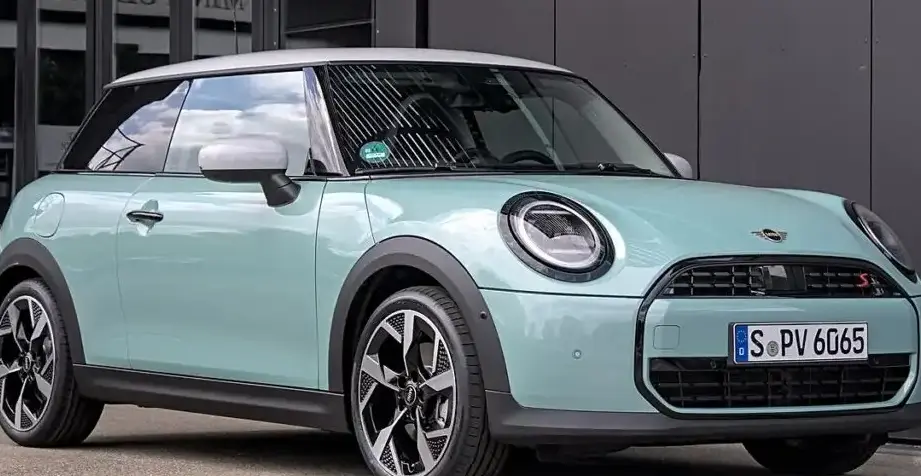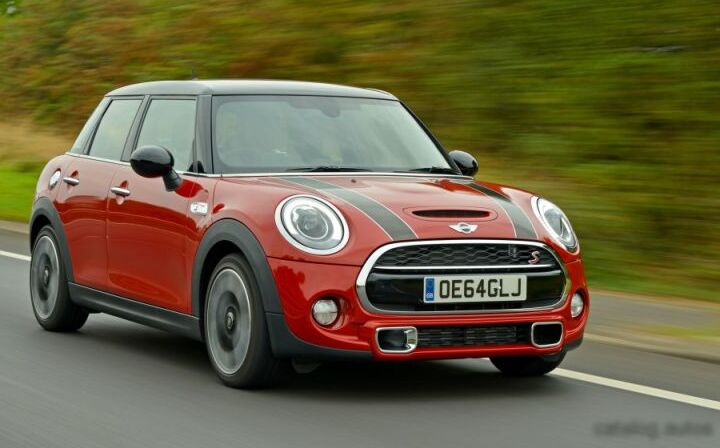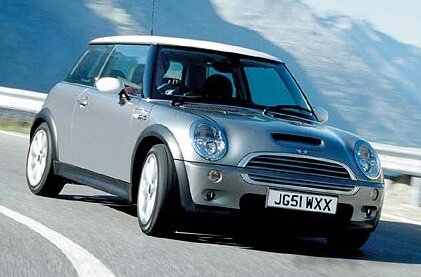
The Mini Hatch Cooper 1.6 i 16V Automatic, produced between 2001 and 2006 (as part of the R50/R53 generation), represented a key entry point into the revived Mini lineup. This variant, powered by the W10B16A engine and paired with a six-speed automatic transmission, aimed to offer the iconic Mini driving experience with added convenience. It occupied a middle ground in the range, positioned above the base One model but below the performance-oriented Cooper S. The R50 chassis underpinned this model, representing BMW’s first significant redesign of the classic Mini, blending retro styling with modern engineering.
Technical Specifications
| Brand | Mini |
| Model | Hatch |
| Generation | Hatch (R50; R53) |
| Type (Engine) | Cooper 1.6 i 16V (116 Hp) Automatic |
| Start of production | 2001 |
| End of production | 2006 |
| Powertrain Architecture | Internal Combustion engine |
| Body type | Hatchback |
| Seats | 4 |
| Doors | 3 |
| Fuel consumption (urban) | 10.9 l/100 km (21.6 US mpg) |
| Fuel consumption (extra urban) | 5.9 l/100 km (39.9 US mpg) |
| Fuel consumption (combined) | 7.7 l/100 km (30.5 US mpg) |
| Fuel Type | Petrol (Gasoline) |
| Acceleration 0 – 100 km/h | 10.4 sec |
| Acceleration 0 – 62 mph | 10.4 sec |
| Acceleration 0 – 60 mph | 9.9 sec |
| Maximum speed | 185 km/h (114.95 mph) |
| Weight-to-power ratio | 9.7 kg/Hp |
| Weight-to-torque ratio | 7.5 kg/Nm |
| Power | 116 Hp @ 6000 rpm |
| Torque | 150 Nm @ 4500 rpm (110.63 lb.-ft. @ 4500 rpm) |
| Engine layout | Front, Transverse |
| Engine Model/Code | W10B16A |
| Engine displacement | 1598 cm3 (97.52 cu. in.) |
| Number of cylinders | 4 |
| Engine configuration | Inline |
| Cylinder Bore | 77 mm (3.03 in.) |
| Piston Stroke | 85.8 mm (3.38 in.) |
| Compression ratio | 10.6:1 |
| Number of valves per cylinder | 4 |
| Fuel injection system | Multi-port manifold injection |
| Engine aspiration | Naturally aspirated |
| Valvetrain | DOHC |
| Engine oil capacity | 4.5 l (4.76 US qt | 3.96 UK qt) |
| Coolant capacity | 5.3 l (5.6 US qt | 4.66 UK qt) |
| Kerb Weight | 1125 kg (2480.2 lbs.) |
| Max. weight | 1480 kg (3262.84 lbs.) |
| Max load | 355 kg (782.64 lbs.) |
| Trunk (boot) space – minimum | 150 l (5.3 cu. ft.) |
| Trunk (boot) space – maximum | 670 l (23.66 cu. ft.) |
| Fuel tank capacity | 50 l (13.21 US gal | 11 UK gal) |
| Length | 3626 mm (142.76 in.) |
| Width | 1688 mm (66.46 in.) |
| Height | 1408 mm (55.43 in.) |
| Wheelbase | 2467 mm (97.13 in.) |
| Front track | 1458 mm (57.4 in.) |
| Rear track | 1466 mm (57.72 in.) |
| Drivetrain Architecture | Front wheel drive |
| Number of gears | 6 |
| Gearbox type | Automatic transmission |
| Front suspension | Spring Strut |
| Rear suspension | Coil spring |
| Front brakes | Ventilated discs |
| Rear brakes | Disc |
| Steering type | Steering rack and pinion |
| Power steering | Hydraulic |
| Tires size | 175/65 R15 |
| Wheel rims size | 5.5J x 15 |
Powertrain & Engine Architecture
The heart of the Cooper 1.6 Automatic is the W10B16A engine, a 1.6-liter inline-four cylinder powerplant. This engine, part of BMW’s W series, featured a cast iron block with an aluminum cylinder head. It employed multi-port fuel injection and a double overhead camshaft (DOHC) valvetrain with four valves per cylinder, contributing to its respectable power output for its displacement. The engine’s design prioritized smooth power delivery over outright peak performance. The six-speed automatic transmission, a Getrag unit, was specifically chosen to complement the engine’s characteristics, offering relatively quick shifts for the time, though not as sporty as the available manual gearbox. The automatic transmission was programmed for comfort and fuel efficiency, with a focus on smooth transitions between gears.
Driving Characteristics
The 116 horsepower and 150 Nm (110 lb-ft) of torque delivered by the Cooper 1.6 Automatic translated to a 0-60 mph time of around 9.9 seconds and a top speed of 115 mph. While not blistering performance, it was adequate for everyday driving and provided a comfortable cruising experience. Compared to the six-speed manual version, the automatic suffered a slight performance penalty due to the inherent losses in the torque converter and the transmission’s shift programming. The automatic’s gear ratios were tuned for fuel economy and drivability, resulting in a less engaging driving experience than the manual. However, the automatic offered a more relaxed driving experience, particularly in urban traffic.
Equipment & Trim Levels
The Cooper 1.6 Automatic typically came standard with features such as air conditioning, power windows, power door locks, and an AM/FM stereo. Interior upholstery was usually cloth, with options for leather available. Dashboard trim could be customized with various color and material choices. Popular optional extras included a sunroof, alloy wheels, sport seats, and a premium sound system. The trim level was generally considered mid-range, offering a good balance of features and affordability. It lacked some of the more luxurious appointments found in the Cooper S, but offered more equipment than the base One model.
Chassis & Braking
The R50 chassis featured a MacPherson strut front suspension and a multi-link rear suspension, providing a comfortable and controlled ride. The front brakes were ventilated discs, while the rear brakes were solid discs. Anti-lock Braking System (ABS) was standard. The suspension tuning was geared towards comfort and handling balance, rather than outright sportiness. The steering was hydraulic power-assisted rack and pinion, offering precise and responsive steering feel. The weight distribution was relatively balanced, contributing to the car’s nimble handling characteristics.
Market Reception & Comparison
The Cooper 1.6 Automatic was generally well-received by automotive critics. It was praised for its retro styling, comfortable ride, and user-friendly automatic transmission. However, some critics noted that the automatic transmission dulled the driving experience compared to the manual version. Fuel economy was considered reasonable for its class, averaging around 30.5 US mpg in combined driving. Compared to the Cooper S, the 1.6 Automatic offered a more affordable entry point into the Mini lineup, but lacked the S model’s superior performance. Compared to the base One model, the Cooper 1.6 Automatic offered a noticeable increase in power and a more refined driving experience.
Legacy
The W10B16A engine, while generally reliable, is known to be susceptible to certain issues, such as oil leaks and thermostat failures. The automatic transmission, if properly maintained, is also relatively durable. Today, the Cooper 1.6 Automatic remains a popular choice in the used car market, particularly for buyers seeking a stylish and comfortable city car. Its relatively simple mechanical design and readily available parts make it a relatively affordable car to maintain. The R50 generation Mini, including the Cooper 1.6 Automatic, is credited with revitalizing the Mini brand and establishing it as a premium small car.