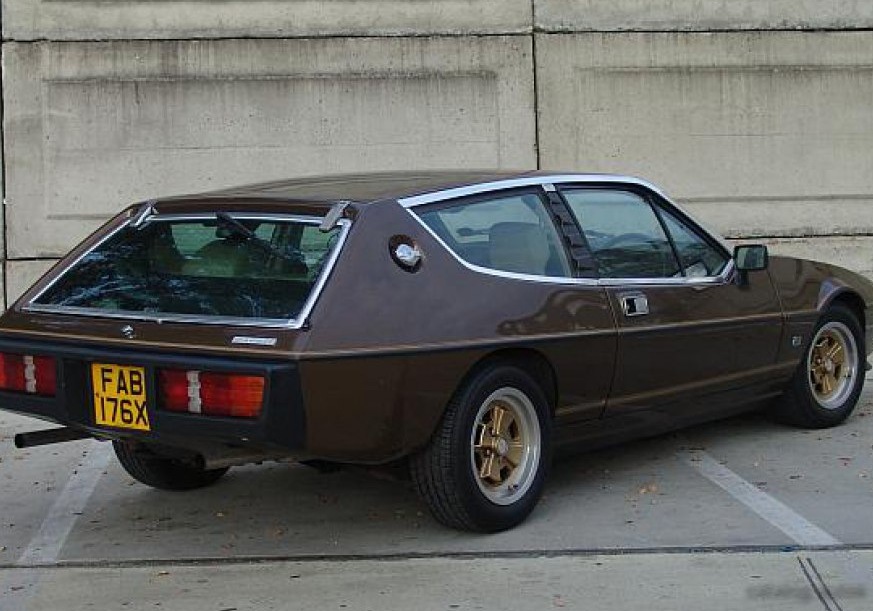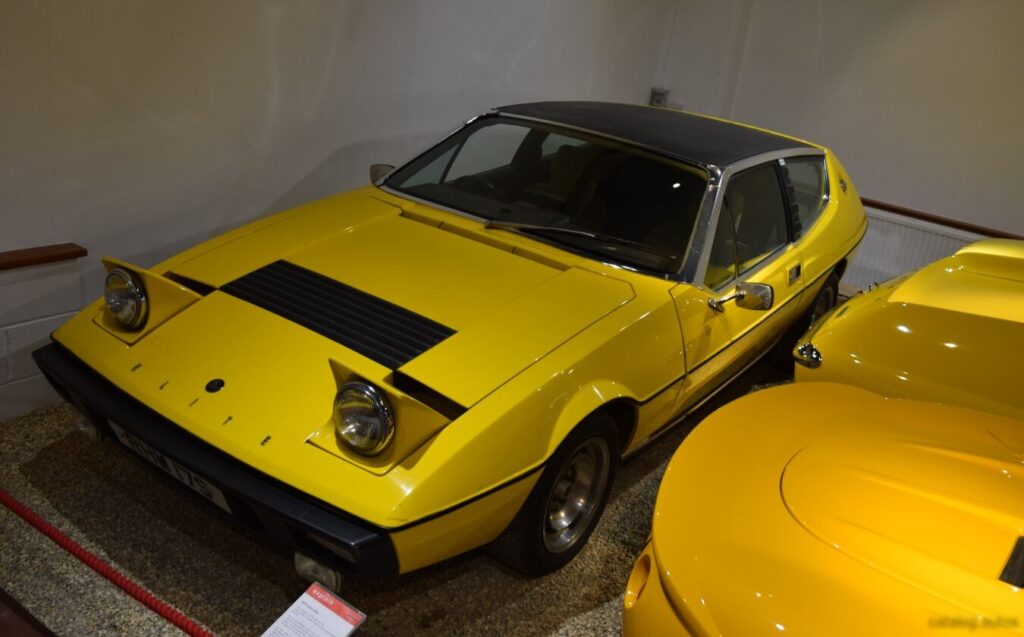
The Lotus Elite Type 75, specifically the 2.0-liter (162 hp) variant, represents a pivotal moment in Lotus’s history. Produced between 1974 and 1980, this model aimed to bridge the gap between the high-performance Esprit and the more accessible, but still sporting, Seven. The Type 75 was Lotus’s first mass-produced car utilizing a steel backbone chassis and fully molded fiberglass body, a departure from the traditional spaceframe construction previously favored by the company. It was intended to be a more comfortable and refined grand tourer than previous Lotus offerings, appealing to a wider audience while retaining the brand’s core handling characteristics. This variant, with its 2.0-liter engine, occupied the middle ground in the Elite lineup, offering a balance of performance and affordability.
Technical Specifications
| Brand | Lotus |
| Model | Elite |
| Generation | Elite (Type 75) |
| Engine Type | 2.0 (162 Hp) |
| Production Years | 1974 – 1980 |
| Powertrain Architecture | Internal Combustion Engine |
| Body Type | Coupe |
| Fuel Type | Petrol (Gasoline) |
| Acceleration 0-60 mph | 7.8 sec |
| Power | 162 Hp |
| Engine Model/Code | Lotus 907 |
| Engine Aspiration | Naturally Aspirated |
Powertrain & Engine Architecture
The heart of the 1974-1980 Lotus Elite 2.0 is the Lotus 907 engine, a 1,973 cc inline-four cylinder powerplant. This engine was based on the Ford Cortina’s OHC (Overhead Camshaft) design, but heavily modified by Lotus to improve performance and reliability. The 907 featured a cast iron block and an aluminum cylinder head, contributing to a relatively lightweight construction. Fuel delivery was managed by a Weber 32 DGV carburetor, a common setup for the era. The engine produced 162 horsepower at 6,200 rpm and 148 lb-ft of torque at 4,500 rpm. While not a particularly high-revving engine by Lotus standards, it provided ample power for comfortable cruising and spirited driving. The engine’s design prioritized smoothness and drivability over outright peak power. The transmission was a four-speed manual, although a three-speed automatic was offered as an option, though less common. The automatic transmission, while offering convenience, noticeably impacted the car’s acceleration and overall driving experience.
Driving Characteristics
The Elite 2.0 offered a distinctly different driving experience compared to other sports cars of the time. The steel backbone chassis, while providing good torsional rigidity, resulted in a slightly heavier feel than the traditional Lotus spaceframe. However, the fully molded fiberglass body kept the overall weight down to around 2,300 lbs, contributing to nimble handling. The suspension, featuring independent double wishbones all around with coil springs and anti-roll bars, provided a comfortable ride while maintaining excellent road holding. The four-speed manual transmission offered precise shifts, allowing drivers to fully exploit the engine’s powerband. The steering, unassisted, provided excellent feedback, enhancing the connection between driver and car. The automatic transmission, while convenient, dulled the driving experience, resulting in slower acceleration and less engaging handling. The car’s weight distribution, close to 50/50, contributed to neutral handling characteristics, making it relatively forgiving for drivers of all skill levels. Braking was provided by disc brakes on all four wheels, offering adequate stopping power for the car’s performance.
Equipment & Trim Levels
The Lotus Elite 2.0 was positioned as a relatively well-equipped grand tourer. Standard features included reclining bucket seats, a wood-rimmed steering wheel, and a comprehensive instrument panel. Interior trim was typically cloth upholstery, although leather was available as an option. The dashboard layout was functional and driver-focused, with clearly marked gauges for speed, rpm, oil pressure, coolant temperature, and fuel level. Optional extras included air conditioning, a stereo system, and power windows. The exterior featured distinctive styling cues, including the wedge-shaped silhouette, integrated headlights, and a fastback roofline. Paint options were varied, with a range of solid colors and metallic finishes available. The Elite 2.0 was generally considered to be a comfortable and refined car, offering a more luxurious experience than other Lotus models of the time.
Chassis & Braking
The Elite Type 75’s chassis was a significant departure for Lotus. The steel backbone chassis consisted of a central spine with box-section steel members extending forward to support the engine and rear suspension. This design provided good torsional rigidity while being relatively simple and cost-effective to manufacture. The suspension system utilized independent double wishbones all around, with coil springs and anti-roll bars. This setup provided a comfortable ride and excellent road holding. Braking was provided by Girling disc brakes on all four wheels, offering adequate stopping power. The front brakes were vented to improve heat dissipation. The steering was unassisted, providing excellent feedback and a direct connection to the road. The rear suspension geometry was carefully tuned to minimize oversteer, contributing to the car’s neutral handling characteristics.
Market Reception & Comparison
The Lotus Elite Type 75 received mixed reviews upon its launch. Critics praised its styling, comfortable ride, and handling characteristics. However, some criticized its relatively high price and the perceived lack of Lotus’s traditional raw, visceral driving experience. Compared to the Esprit, the Elite was seen as more refined and comfortable, but less exciting to drive. Compared to other grand tourers of the time, such as the Porsche 924, the Elite offered a more unique and sporting driving experience. Fuel economy was reasonable for the era, averaging around 22-25 mpg. Reliability was generally good, although some owners reported issues with the Weber carburetor and the electrical system. The automatic transmission version was often criticized for its sluggish performance and reduced fuel economy.
Legacy
The Lotus Elite Type 75 represents an important chapter in Lotus’s history. It was the first Lotus to utilize a steel backbone chassis and fully molded fiberglass body, paving the way for future models. While not as iconic as the Esprit or the Seven, the Elite offered a unique blend of performance, comfort, and style. Today, the Elite 2.0 is a sought-after classic car, appreciated by enthusiasts for its distinctive styling and engaging driving experience. The Lotus 907 engine, while not a high-performance masterpiece, is relatively reliable and easy to maintain. The availability of spare parts is generally good, although some components can be difficult to find. Well-maintained examples of the Elite 2.0 are appreciating in value, making them a worthwhile investment for collectors and enthusiasts alike. The car’s legacy lies in its ability to demonstrate Lotus’s willingness to innovate and adapt to changing market demands, while still retaining the brand’s core values of lightweight construction and exceptional handling.