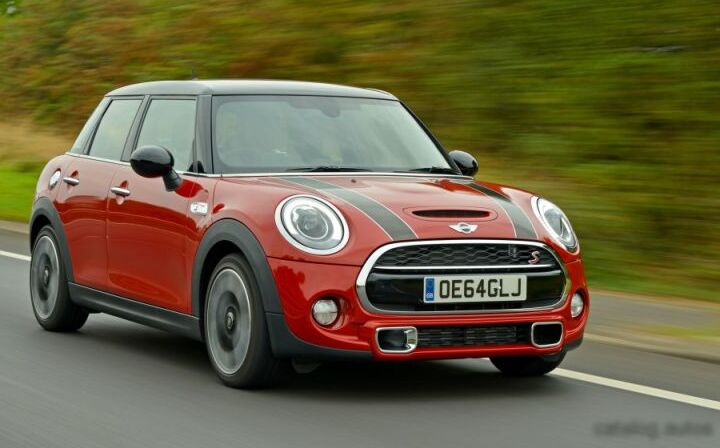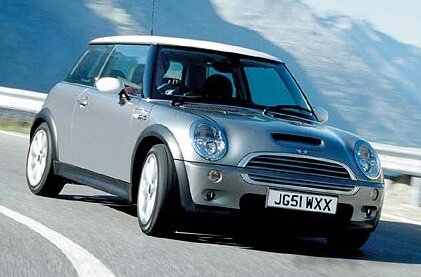
The Mini Cooper S (R53), produced from 2002 to 2004, represented a significant return to form for the iconic British marque under BMW ownership. This model, part of the R50/R53 Hatch generation, aimed to recapture the spirit of the original Mini, blending retro styling with modern engineering. The Cooper S was positioned as the performance variant of the new Mini lineup, offering a substantial upgrade over the base Cooper model. It quickly became a popular choice for enthusiasts seeking a fun-to-drive, premium small car. This article focuses specifically on the 1.6-liter supercharged engine paired with the 6-speed manual transmission, a configuration that defined the early R53 experience.
Technical Specifications
| Brand | Mini |
| Model | Hatch |
| Generation | Hatch (R50; R53) |
| Type (Engine) | Cooper S 1.6 i 16V (163 Hp) |
| Start of production | 2002 |
| End of production | 2004 |
| Powertrain Architecture | Internal Combustion engine |
| Body type | Hatchback |
| Seats | 4 |
| Doors | 3 |
| Fuel consumption (urban) | 11.6 l/100 km (20.3 US mpg) |
| Fuel consumption (extra urban) | 6.6 l/100 km (35.6 US mpg) |
| Fuel consumption (combined) | 9.9 l/100 km (23.8 US mpg) |
| Fuel Type | Petrol (Gasoline) |
| Acceleration 0 – 100 km/h | 7.4 sec |
| Acceleration 0 – 62 mph | 7.4 sec |
| Acceleration 0 – 60 mph | 7 sec |
| Maximum speed | 218 km/h (135.46 mph) |
| Weight-to-power ratio | 7.5 kg/Hp |
| Weight-to-torque ratio | 5.8 kg/Nm |
| Power | 163 Hp @ 6000 rpm |
| Torque | 210 Nm @ 4000 rpm (154.89 lb.-ft. @ 4000 rpm) |
| Engine layout | Front, Transverse |
| Engine Model/Code | W11B16A |
| Engine displacement | 1598 cm3 (97.52 cu. in.) |
| Number of cylinders | 4 |
| Engine configuration | Inline |
| Cylinder Bore | 77 mm (3.03 in.) |
| Piston Stroke | 85.8 mm (3.38 in.) |
| Compression ratio | 8.3:1 |
| Number of valves per cylinder | 4 |
| Fuel injection system | Multi-port manifold injection |
| Engine aspiration | Supercharger, Intercooler |
| Valvetrain | OHC |
| Engine oil capacity | 4.8 l (5.07 US qt | 4.22 UK qt) |
| Coolant capacity | 6 l (6.34 US qt | 5.28 UK qt) |
| Kerb Weight | 1215 kg (2678.62 lbs.) |
| Max. weight | 1570 kg (3461.26 lbs.) |
| Max load | 355 kg (782.64 lbs.) |
| Trunk (boot) space – minimum | 150 l (5.3 cu. ft.) |
| Fuel tank capacity | 50 l (13.21 US gal | 11 UK gal) |
| Length | 3655 mm (143.9 in.) |
| Width | 1688 mm (66.46 in.) |
| Height | 1428 mm (56.22 in.) |
| Wheelbase | 2467 mm (97.13 in.) |
| Front track | 1453 mm (57.2 in.) |
| Rear track | 1460 mm (57.48 in.) |
| Drivetrain Architecture | Front wheel drive |
| Number of gears | 6 |
| Gearbox type | Manual transmission |
| Front suspension | Spring Strut |
| Rear suspension | Coil spring |
| Front brakes | Ventilated discs |
| Rear brakes | Disc |
| Assisting systems | ABS (Anti-lock braking system) |
| Steering type | Steering rack and pinion |
| Power steering | Hydraulic Steering |
| Tires size | 195/55R16 |
| Wheel rims size | 16 |
INTRODUCTION
The R53 Mini Cooper S, launched in 2002, marked a pivotal moment for the revitalized Mini brand. Built on the BMW/Rover-derived 1HX0/A3 platform, it aimed to deliver a premium small car experience with a focus on driving dynamics. The Cooper S variant, powered by a 1.6-liter supercharged engine, was the performance flagship of the range. This particular configuration, with the 6-speed manual transmission, was favored by driving enthusiasts for its engaging feel and responsive power delivery. It sat above the base Cooper in the lineup, offering a significant performance boost and more aggressive styling.
Powertrain & Engine Architecture
The heart of the Cooper S is the W11B16A engine, a 1.6-liter inline-four cylinder powerplant. What sets this engine apart is its Eaton Roots-type supercharger, coupled with an intercooler to manage intake air temperatures. This supercharging setup, developed by Eaton and BMW, provides instant boost and a broad torque curve. The engine utilizes multi-port fuel injection and a single overhead camshaft (OHC) valvetrain. The engine code ‘W11’ designates the engine family, while ‘B16’ indicates the displacement. The 6-speed manual transmission, a Getrag unit, was specifically chosen to handle the increased power and torque output of the supercharged engine. The gear ratios were tuned to maximize acceleration and provide a sporty driving experience.
Driving Characteristics
The 163 horsepower and 155 lb-ft of torque delivered by the R53 Cooper S with a manual transmission translated into brisk acceleration. The 0-60 mph sprint took around 7 seconds, and the car could reach a top speed of 135 mph. The supercharger provides immediate throttle response, eliminating turbo lag and offering a linear power delivery. The 6-speed gearbox allows drivers to keep the engine in its optimal power band, enhancing performance. Compared to the naturally aspirated Cooper, the Cooper S felt significantly more powerful and responsive. While not as raw or visceral as some contemporary hot hatches, the R53 offered a refined and engaging driving experience, characterized by its go-kart-like handling and precise steering.
Equipment & Trim Levels
The Cooper S came standard with a number of features designed to enhance both comfort and performance. These included sport seats, a leather-wrapped steering wheel, air conditioning, and power windows. Exterior styling cues included a distinctive front bumper with larger air intakes, a rear spoiler, and unique alloy wheels. Optional extras included a panoramic sunroof, xenon headlights, and a premium sound system. Interior trim options allowed buyers to personalize their Cooper S with different upholstery colors and materials. The Cooper S was generally well-equipped, reflecting its position as the premium variant in the Mini lineup.
Chassis & Braking
The R53 Mini Cooper S featured a MacPherson strut front suspension and a multi-link rear suspension, providing a balanced and responsive ride. The suspension was tuned to be firmer than the standard Cooper, offering improved handling and reduced body roll. The braking system consisted of ventilated front discs and solid rear discs, providing adequate stopping power. Anti-lock brakes (ABS) were standard. The chassis was reinforced compared to the base Cooper to handle the increased power and torque. The relatively short wheelbase and wide track contributed to the car’s agile handling characteristics.
Market Reception & Comparison
The R53 Mini Cooper S was generally well-received by automotive critics. It was praised for its engaging driving dynamics, retro styling, and premium interior. However, some critics noted the relatively small interior space and the firm ride. Compared to other hot hatches of the time, such as the Volkswagen GTI and the Renault Clio Sport, the Cooper S offered a unique blend of style, performance, and refinement. Fuel economy was reasonable for a performance car, averaging around 24 mpg in combined driving. Reliability was generally good, although some owners reported issues with the supercharger and cooling system.
Legacy
The R53 Mini Cooper S remains a popular choice among enthusiasts today. Its combination of retro styling, engaging driving dynamics, and relatively affordable price makes it an attractive option in the used car market. The supercharged engine, while not the most powerful in its class, is known for its reliability and tunability. The 6-speed manual transmission is highly sought after by driving purists. While maintenance costs can be higher than some other small cars, the R53 Cooper S offers a unique and rewarding driving experience that continues to appeal to a dedicated following.