Technical Specifications
| Brand | Nissan |
| Model | Murano |
| Generation | Murano II (Z51) |
| Type (Engine) | 3.5 (256 Hp) |
| Start of production | 2008 |
| End of production | 2010 |
| Powertrain Architecture | Internal Combustion engine |
| Body type | SUV |
| Seats | 5 |
| Doors | 5 |
| Fuel consumption (urban) | 14.8 l/100 km (15.9 US mpg, 19.1 UK mpg, 6.8 km/l) |
| Fuel consumption (extra urban) | 8.3 l/100 km (28.3 US mpg, 34 UK mpg, 12 km/l) |
| Fuel consumption (combined) | 10.6 l/100 km (22.2 US mpg, 26.6 UK mpg, 9.4 km/l) |
| Fuel Type | Petrol (Gasoline) |
| Acceleration 0 – 100 km/h | 8 sec |
| Acceleration 0 – 62 mph | 8 sec |
| Acceleration 0 – 60 mph | 7.6 sec |
| Maximum speed | 210 km/h (130.49 mph) |
| Weight-to-power ratio | 7 kg/Hp, 143 Hp/tonne |
| Weight-to-torque ratio | 5.4 kg/Nm, 186.6 Nm/tonne |
| Power | 256 Hp @ 6000 rpm |
| Power per litre | 73.2 Hp/l |
| Torque | 334 Nm @ 4400 rpm (246.35 lb.-ft. @ 4400 rpm) |
| Engine layout | Front, Transverse |
| Engine Model/Code | VQ35DE |
| Engine displacement | 3498 cm3 (213.46 cu. in.) |
| Number of cylinders | 6 |
| Engine configuration | V-engine |
| Number of valves per cylinder | 4 |
| Fuel injection system | Multi-port manifold injection |
| Engine aspiration | Naturally aspirated engine |
| Engine oil capacity | 4.6 l (4.86 US qt | 4.05 UK qt) |
| Coolant capacity | 9.4 l (9.93 US qt | 8.27 UK qt) |
| Kerb Weight | 1790 kg (3946.27 lbs.) |
| Max. weight | 2257 kg (4975.83 lbs.) |
| Max load | 467 kg (1029.56 lbs.) |
| Trunk (boot) space – minimum | 402 l (14.2 cu. ft.) |
| Fuel tank capacity | 82 l (21.66 US gal | 18.04 UK gal) |
| Length | 4860 mm (191.34 in.) |
| Width | 1885 mm (74.21 in.) |
| Height | 1720 mm (67.72 in.) |
| Wheelbase | 2825 mm (111.22 in.) |
| Drivetrain Architecture | The Internal combustion engine (ICE) drives the front wheels of the vehicle. |
| Drive wheel | Front wheel drive |
| Front suspension | Independent coil spring |
| Rear suspension | Independent multi-link suspension |
| Front brakes | Ventilated discs |
| Rear brakes | Ventilated discs |
| Assisting systems | ABS (Anti-lock braking system) |
| Steering type | Steering rack and pinion |
| Power steering | Hydraulic Steering |
| Tires size | 235/65 R18 |
| Wheel rims size | 18 |
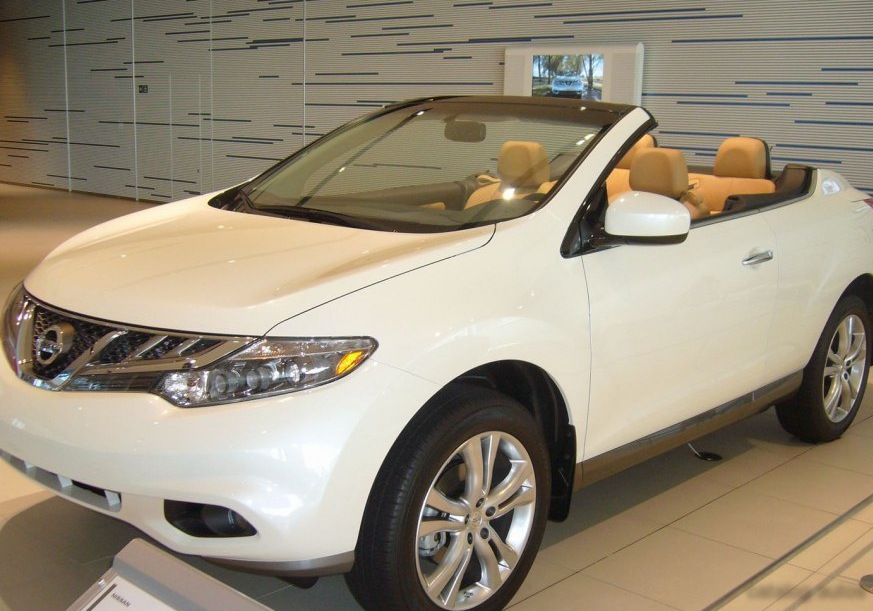
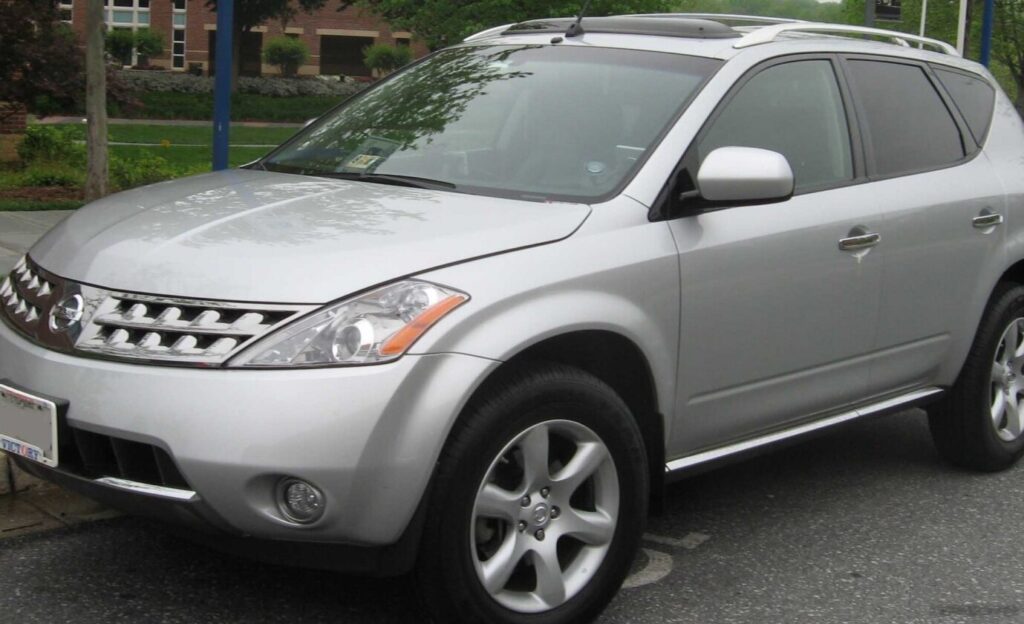
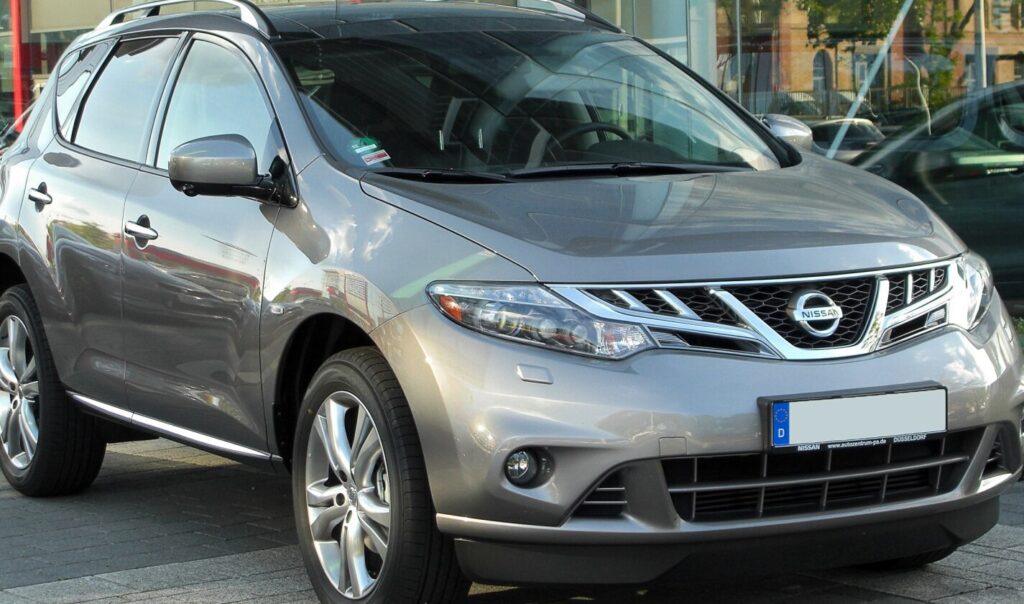
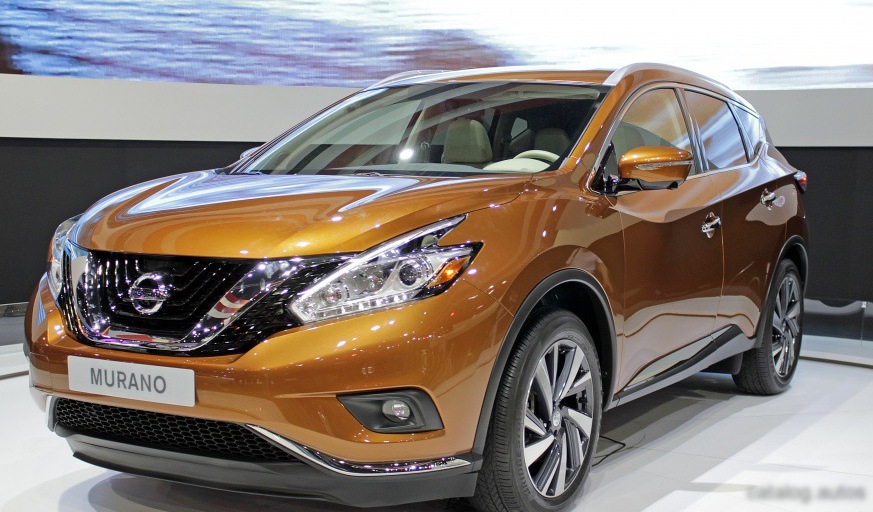
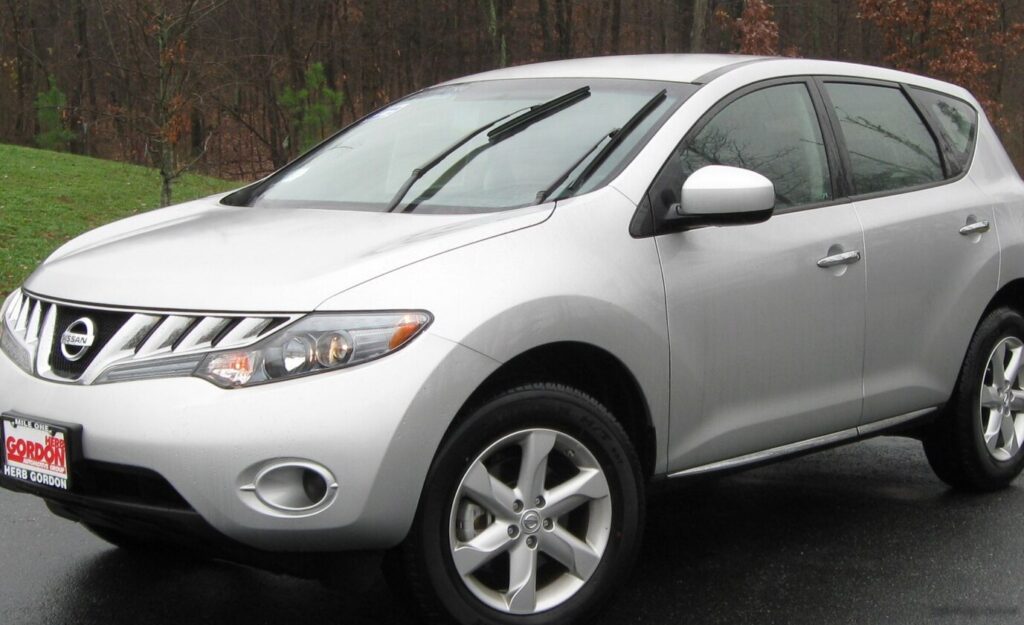
The Nissan Murano II 3.5 represented a key component of Nissan’s strategy to compete in the increasingly popular mid-size crossover segment. Launched as a 2009 model, the Z51 Murano aimed to offer a more sophisticated and comfortable alternative to traditional SUVs and car-based crossovers. The 3.5-liter V6 engine, paired with a continuously variable transmission (CVT), was the standard engine option for most trim levels, providing a balance of performance and fuel efficiency. This configuration was designed to appeal to families and individuals seeking a versatile vehicle for daily commuting, road trips, and light-duty hauling.
Powertrain & Engine Architecture
At the heart of the Murano II 3.5 lies Nissan’s VQ35DE 3.5-liter V6 engine. This engine, a member of Nissan’s highly regarded VQ engine family, is known for its smooth operation, reliability, and respectable power output. The VQ35DE features a 60-degree V-angle, four valves per cylinder, and a dual overhead camshaft (DOHC) design. It utilizes a multi-port fuel injection system, delivering fuel directly into the intake ports. The engine produces 256 horsepower at 6000 rpm and 246 lb-ft of torque at 4400 rpm. The engine is transversely mounted in the front of the vehicle. The engine is paired exclusively with a Jatco JF011E CVT (Continuously Variable Transmission). This CVT was chosen for its smooth, stepless gear changes and its contribution to improved fuel economy compared to a traditional automatic transmission. The CVT features a sub-planetary gearset and a torque converter, allowing for a wide range of gear ratios to optimize engine performance and efficiency.
Driving Characteristics
The 3.5-liter V6 and CVT combination in the Murano II delivers a comfortable and refined driving experience. Acceleration from 0-60 mph takes approximately 7.6 seconds, which is competitive for the segment. The CVT effectively manages the engine’s power, providing smooth and linear acceleration. While not as sporty as some competitors with traditional automatic transmissions, the CVT offers predictable and responsive performance. The CVT’s continuously variable nature allows the engine to operate at its most efficient rpm, contributing to improved fuel economy. Compared to the base 2.5-liter four-cylinder engine (available in some markets), the 3.5-liter V6 offers significantly more power and a more relaxed driving experience, particularly when fully loaded or traveling uphill. The steering is light and precise, making the Murano easy to maneuver in urban environments. The suspension is tuned for comfort, absorbing bumps and providing a stable ride.
Equipment & Trim Levels
The Murano II 3.5 was available in several trim levels, including the base S, the mid-range SL, and the premium LE. Standard features on the base S model typically included air conditioning, power windows and locks, a CD player with auxiliary input, and alloy wheels. The SL trim added features such as leather upholstery, heated front seats, a power driver’s seat, and a Bose audio system. The LE trim offered even more luxury features, including navigation, a rear-view camera, and premium leather upholstery. Optional extras available across the trim levels included a sunroof, dual-zone climate control, and a DVD entertainment system.
Chassis & Braking
The Murano II utilizes a unibody construction, providing a strong and rigid chassis. The front suspension features independent coil springs and stabilizer bar, while the rear suspension employs an independent multi-link setup. This suspension configuration contributes to a comfortable ride and good handling characteristics. The Murano II 3.5 is equipped with ventilated disc brakes on all four wheels, providing ample stopping power. An Anti-lock Braking System (ABS) is standard, enhancing safety and control during emergency braking situations. The steering system utilizes a rack-and-pinion design with hydraulic power assist, offering precise and responsive steering feel.
Market Reception & Comparison
The Nissan Murano II was generally well-received by automotive critics, who praised its comfortable ride, spacious interior, and stylish design. The 3.5-liter V6 engine was lauded for its smooth power delivery and refinement. However, some critics noted that the CVT transmission could feel somewhat disconnected compared to traditional automatic transmissions. Fuel economy was considered average for the segment, with the combined fuel consumption rated at 22.2 US mpg. Compared to competitors such as the Honda CR-V and Toyota RAV4, the Murano offered a more luxurious and refined interior, but it typically came at a slightly higher price point. The Murano’s focus on comfort and style appealed to buyers who prioritized these qualities over sporty handling or off-road capability.
Legacy
The Nissan Murano II 3.5 has proven to be a relatively reliable vehicle, with the VQ35DE engine known for its durability. The CVT transmission, while generally reliable, requires regular maintenance, including fluid changes, to ensure optimal performance and longevity. In the used car market, the Murano II 3.5 remains a popular choice for buyers seeking a comfortable, spacious, and well-equipped crossover SUV. Its blend of style, comfort, and reliability has ensured its continued appeal years after its initial release. Common issues reported by owners include minor electrical glitches and occasional CVT issues, but these are generally not widespread or major concerns.