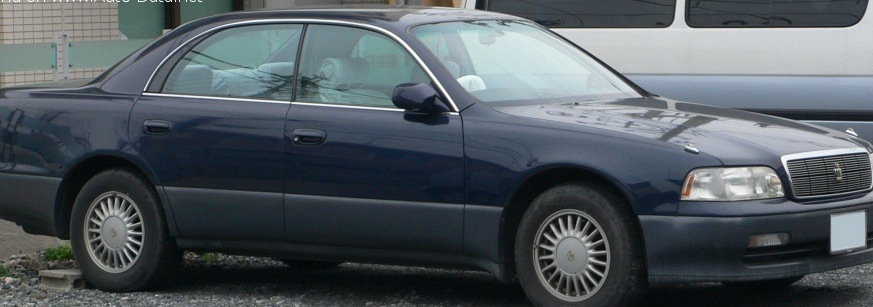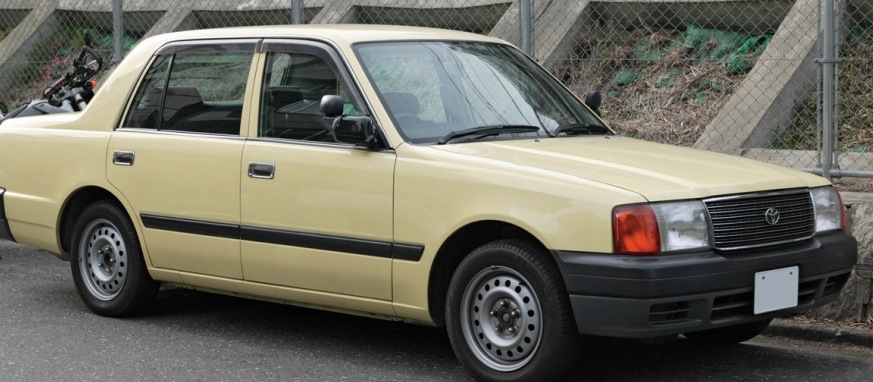
The Toyota Crown Comfort (XS10) 2.0 16V, producing 79 horsepower, with an automatic transmission, represents a specific configuration within the broader XS10 generation of the Crown Comfort, produced primarily for the Japanese domestic market (JDM) between 1998 and 1999. This variant was designed to offer a balance of affordability, practicality, and comfort, catering to a segment of buyers seeking a spacious and reliable sedan, often utilized as a commercial vehicle or family transport. It occupied a lower-mid range position within the XS10 lineup, positioned below the more powerful and luxurious trims.
Technical Specifications
| Brand | Toyota |
| Model | Crown |
| Generation | Crown Comfort (XS10) |
| Type (Engine) | 2.0 16V (79 Hp) LPG Automatic |
| Start of production | 1998 |
| End of production | 1999 |
| Powertrain Architecture | Internal Combustion engine |
| Body type | Sedan |
| Seats | 5 |
| Doors | 4 |
| Fuel Type | Petrol / LPG |
| Weight-to-power ratio | 16.3 kg/Hp, 61.2 Hp/tonne |
| Weight-to-torque ratio | 8.1 kg/Nm, 124 Nm/tonne |
| Power | 79 Hp @ 4400 rpm |
| Power per litre | 39.5 Hp/l |
| Torque | 160 Nm @ 2400 rpm (118.01 lb.-ft. @ 2400 rpm) |
| Engine layout | Front, Longitudinal |
| Engine Model/Code | 3Y-PE |
| Engine displacement | 1998 cm3 (121.93 cu. in.) |
| Number of cylinders | 4 |
| Engine configuration | Inline |
| Number of valves per cylinder | 4 |
| Fuel injection system | Multi-port manifold injection |
| Engine aspiration | Naturally aspirated engine |
| Valvetrain | DOHC |
| Kerb Weight | 1290 kg (2843.96 lbs) |
| Max. weight | 1565 kg (3450.23 lbs) |
| Max load | 275 kg (606.27 lbs) |
| Length | 4695 mm (184.84 in) |
| Width | 1695 mm (66.73 in) |
| Height | 1515 mm (59.65 in) |
| Wheelbase | 2785 mm (109.65 in) |
| Front track | 1455 mm (57.28 in) |
| Rear (Back) track | 1400 mm (55.12 in) |
| Ride height (ground clearance) | 165 mm (6.5 in) |
| Minimum turning circle (turning diameter) | 10.2 m (33.46 ft) |
| Drivetrain Architecture | The Internal combustion engine (ICE) drives the rear wheels of the vehicle. |
| Drive wheel | Rear wheel drive |
| Number of gears and type of gearbox | 4 gears, automatic transmission |
| Front suspension | Independent type McPherson |
| Rear suspension | dependent spring suspension, Trailing arm |
| Front brakes | Ventilated discs |
| Rear brakes | Drum |
| Steering type | Steering rack and pinion |
Powertrain & Engine Architecture
The heart of this Crown Comfort variant is the 3Y-PE engine, a 2.0-liter inline-four cylinder powerplant. This engine utilizes a multi-port fuel injection system, a common setup for the era, providing a balance between fuel efficiency and performance. The 16-valve DOHC (Double Overhead Camshaft) configuration enhances volumetric efficiency, contributing to the engine’s power output, although modest at 79 hp. The 3Y-PE was designed for durability and ease of maintenance, reflecting Toyota’s reputation for reliability. The engine is longitudinally mounted in the front of the vehicle. The automatic transmission is a conventional 4-speed unit, chosen for its ease of use and suitability for urban driving conditions. This transmission was not known for its sportiness, prioritizing smooth shifts and comfort over rapid acceleration.
Driving Characteristics
The 79 hp output and automatic transmission combination resulted in a driving experience focused on practicality rather than performance. Acceleration was leisurely, and the vehicle was best suited for relaxed cruising and city driving. The automatic transmission’s gear ratios were optimized for fuel economy and smooth operation, rather than aggressive acceleration. Compared to manual transmission versions or those equipped with larger engines, this variant felt noticeably slower. However, the comfortable ride quality and predictable handling made it a pleasant vehicle for everyday use. The rear-wheel-drive configuration provided a balanced feel, although it wasn’t particularly engaging for enthusiastic drivers.
Equipment & Trim Levels
The 2.0 16V Automatic Crown Comfort typically came with a fairly basic level of equipment, reflecting its position as a more affordable option. Standard features generally included power steering, air conditioning, and a basic audio system. Interior upholstery was typically cloth, and the dashboard featured a functional, if somewhat spartan, design. Optional extras could include upgraded audio systems, power windows, and central locking. The trim level was generally focused on providing essential comfort and convenience features without excessive luxury.
Chassis & Braking
The XS10 Crown Comfort utilized a McPherson strut independent suspension system at the front, providing a comfortable ride and reasonable handling. The rear suspension employed a dependent spring setup with a trailing arm design, which was a cost-effective solution for maintaining ride comfort and load-carrying capacity. The braking system featured ventilated discs at the front and drum brakes at the rear. While adequate for normal driving conditions, the braking performance wasn’t particularly strong, especially when the vehicle was fully loaded. Stabilizer bars were present, contributing to reduced body roll during cornering.
Market Reception & Comparison
The Toyota Crown Comfort 2.0 16V Automatic was generally well-received in the Japanese market as a practical and reliable family sedan. Critics noted its spacious interior, comfortable ride, and fuel efficiency. However, the relatively low power output and uninspiring performance were often mentioned as drawbacks. Compared to other trims in the XS10 lineup, such as those with larger engines, this variant offered a more affordable entry point but sacrificed performance. Its fuel economy was generally better than the more powerful versions, making it an attractive option for budget-conscious buyers. Reliability was a strong point, with the 3Y-PE engine proving to be durable and long-lasting.
Legacy
The Toyota Crown Comfort (XS10) 2.0 16V Automatic has developed a reputation for exceptional reliability and longevity. Many examples are still on the road today, testament to Toyota’s engineering prowess. In the used car market, these vehicles are often sought after for their affordability and practicality. While not a performance icon, this variant represents a solid and dependable choice for those seeking a spacious and comfortable sedan. The 3Y-PE engine is known for its relatively simple design, making it easier and less expensive to maintain compared to more complex modern engines. Its enduring popularity in the used car market reflects its reputation as a trustworthy and long-lasting vehicle.