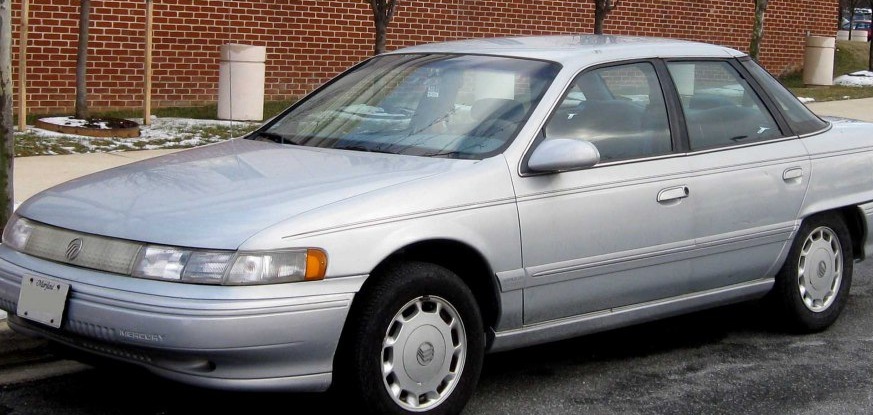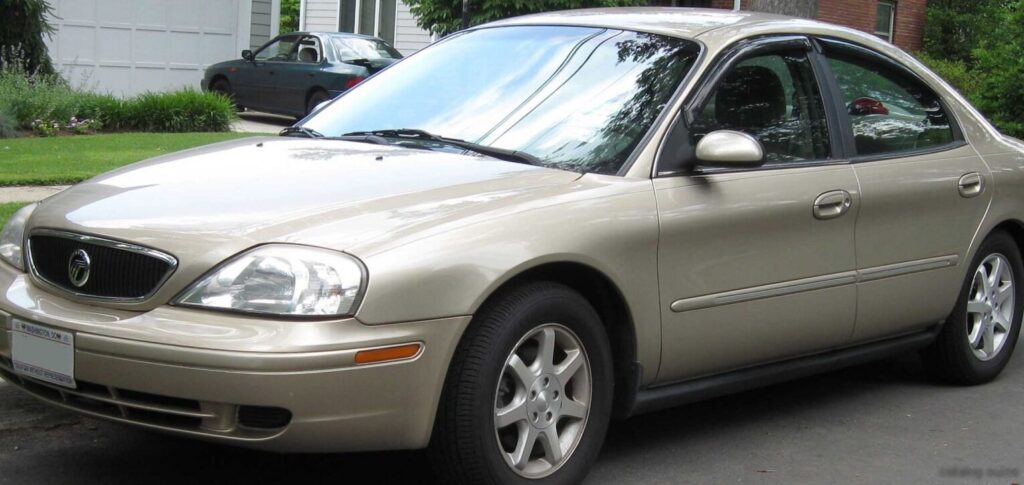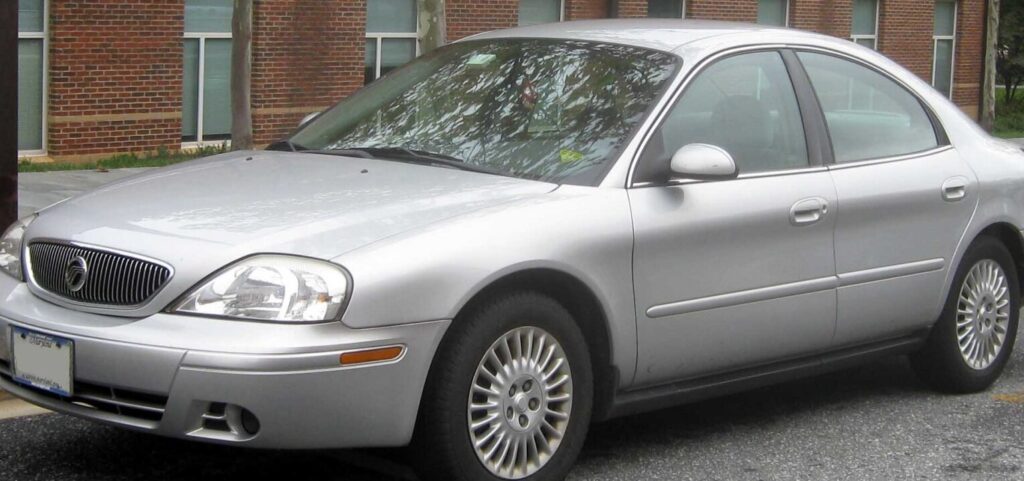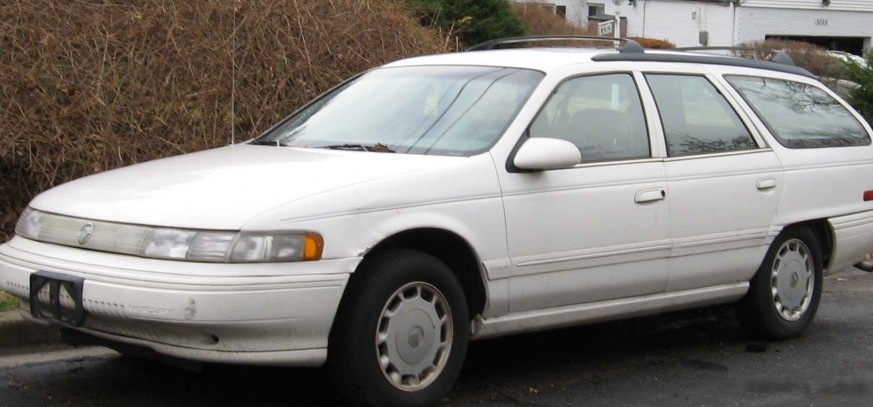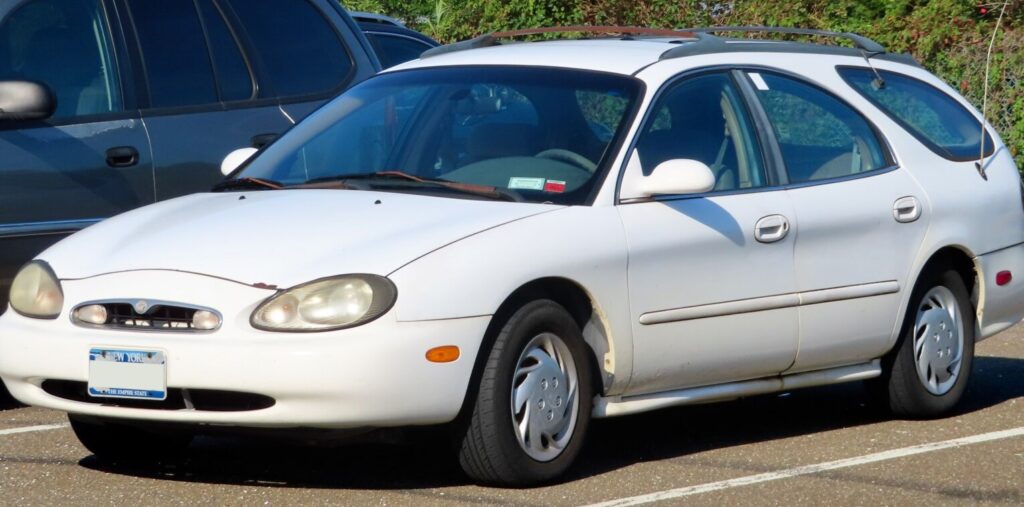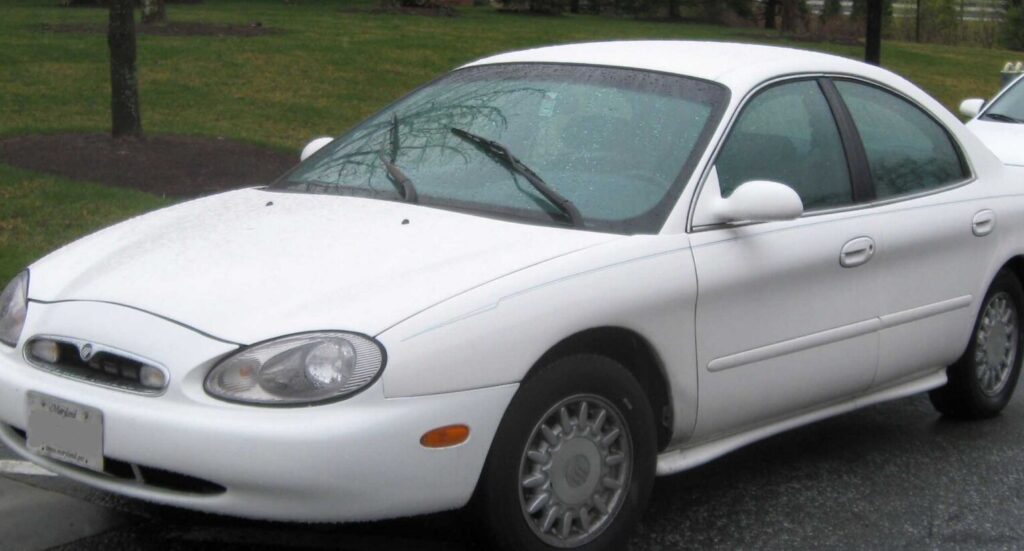
The Mercury Sable III, produced between 1995 and 1999, represented the third generation of Mercury’s mid-size sedan. Positioned as a more upscale alternative to the Ford Taurus with which it shared its platform (the FN10/A3 platform), the Sable aimed to offer a blend of comfort, space, and a more refined driving experience. The 3.0 V6 variant, producing 157 horsepower, occupied a middle ground in the Sable lineup, offering a step up in performance from the base 2.5L engine while remaining more affordable than the higher-trim options. This configuration was primarily targeted towards family buyers seeking a comfortable and reliable sedan for daily commuting and longer trips.
Technical Specifications
| Brand | Mercury |
| Model | Sable |
| Generation | Sable III |
| Type (Engine) | 3.0 V6 (157 Hp) |
| Start of production | 1995 |
| End of production | 1999 |
| Powertrain Architecture | Internal Combustion engine |
| Body type | Sedan |
| Seats | 5 |
| Doors | 4 |
| Fuel consumption (urban) | 16.8 l/100 km (14 US mpg, 16.8 UK mpg) |
| Fuel consumption (extra urban) | 13 l/100 km (18.1 US mpg, 21.7 UK mpg) |
| Fuel Type | Petrol (Gasoline) |
| Maximum speed | 190 km/h (118.06 mph) |
| Weight-to-power ratio | 9.6 kg/Hp |
| Weight-to-torque ratio | 6 kg/Nm |
| Power | 157 Hp @ 4900 rpm |
| Power per litre | 52.6 Hp/l |
| Torque | 251 Nm @ 3900 rpm (185.13 lb.-ft. @ 3900 rpm) |
| Engine layout | Front, Transverse |
| Engine Model/Code | Vulcan |
| Engine displacement | 2986 cm3 (182.22 cu. in.) |
| Number of cylinders | 6 |
| Engine configuration | V-engine |
| Cylinder Bore | 89 mm (3.5 in.) |
| Piston Stroke | 80 mm (3.15 in.) |
| Compression ratio | 9.7:1 |
| Number of valves per cylinder | 2 |
| Fuel injection system | Multi-port manifold injection |
| Engine aspiration | Naturally aspirated engine |
| Valvetrain | DOHC |
| Engine oil capacity | 4.25 l (4.49 US qt | 3.74 UK qt) |
| Coolant | 11 l (11.62 US qt | 9.68 UK qt) |
| Kerb Weight | 1515 kg (3340 lbs.) |
| Trunk (boot) space – minimum | 455 l (16.07 cu. ft.) |
| Fuel tank capacity | 68 l (17.96 US gal | 14.96 UK gal) |
| Length | 5070 mm (199.61 in.) |
| Width | 1850 mm (72.83 in.) |
| Height | 1410 mm (55.51 in.) |
| Wheelbase | 2760 mm (108.66 in.) |
| Front track | 1560 mm (61.42 in.) |
| Rear (Back) track | 1560 mm (61.42 in.) |
| Drivetrain Architecture | The Internal combustion engine (ICE) drives the front wheels of the vehicle. |
| Drive wheel | Front wheel drive |
| Number of gears and type of gearbox | 4 gears, automatic transmission |
| Front suspension | Spring Strut |
| Rear suspension | Coil spring |
| Front brakes | Ventilated discs |
| Rear brakes | Drum |
| Assisting systems | ABS (Anti-lock braking system) |
| Steering type | Steering rack and pinion |
| Power steering | Hydraulic Steering |
| Tires size | 215/60 R16 |
Powertrain & Engine Architecture
The heart of the Sable III 3.0 was the Ford Vulcan V6 engine. This 3.0-liter (2986 cc) engine, designated as the code name, was a 60-degree V6 featuring a cast iron block and aluminum cylinder heads. It utilized a multi-port fuel injection system, delivering fuel directly to each intake port for improved efficiency and power delivery. The engine employed a double overhead camshaft (DOHC) valvetrain with two valves per cylinder. The 4-speed automatic transmission, a Ford-sourced unit, was the sole transmission option for this variant. This transmission was known for its smooth operation but wasn’t particularly sporty, prioritizing comfort and fuel economy over aggressive shifting.
Driving Characteristics
The 157 horsepower and 185 lb-ft of torque provided by the 3.0L V6 and automatic transmission combination resulted in adequate, but not exhilarating, performance. Acceleration from 0 to 60 mph was typically in the 9-10 second range. The automatic transmission’s gear ratios were tuned for relaxed cruising, making it well-suited for highway driving. Compared to the base 2.5L engine, the 3.0L offered noticeably more power for merging and passing maneuvers. However, it lacked the responsiveness of the manual transmission options available with other engines in the Sable lineup. The automatic transmission did contribute to slightly lower fuel economy compared to the manual versions.
Equipment & Trim Levels
The 3.0 V6 Sable typically came standard with features such as air conditioning, power windows and locks, a tilt steering wheel, and an AM/FM stereo. Higher trim levels, such as the LS, added features like upgraded upholstery (often cloth or leather), a power driver’s seat, cruise control, and alloy wheels. Optional extras included a CD player, a sunroof, and upgraded sound systems. The interior design was generally conservative and focused on comfort and practicality, with a spacious cabin and a large trunk.
Chassis & Braking
The Sable III utilized a front-wheel-drive layout with an independent front suspension featuring MacPherson struts and a coil-spring rear suspension. The braking system consisted of ventilated disc brakes on the front wheels and drum brakes on the rear. Anti-lock braking system (ABS) was standard equipment. The suspension was tuned for a comfortable ride, prioritizing smoothness over sporty handling. Stabilizer bars were included to reduce body roll during cornering, but the Sable was not designed to be a performance vehicle.
Market Reception & Comparison
The Sable III 3.0 V6 was generally well-received by critics as a comfortable and practical family sedan. It was praised for its spacious interior, smooth ride, and reliable powertrain. However, some reviewers noted that the styling was somewhat bland and that the performance was not particularly exciting. Compared to the 2.5L Sable, the 3.0L offered a significant improvement in power and acceleration. Compared to the higher-performance trims, such as those equipped with the 3.0L DOHC engine, the 3.0L Vulcan was less powerful but more affordable and generally more fuel-efficient.
Legacy
The Mercury Sable III 3.0 V6 has proven to be a relatively reliable vehicle, with many examples still on the road today. The Vulcan V6 engine is known for its durability and longevity, although regular maintenance is essential. Common issues include oil leaks and corrosion. In the used car market, the Sable III 3.0 V6 represents a good value for buyers seeking a comfortable and affordable mid-size sedan. While it may not offer the performance or features of more modern vehicles, its simplicity and reliability make it a practical choice for those seeking a dependable daily driver.