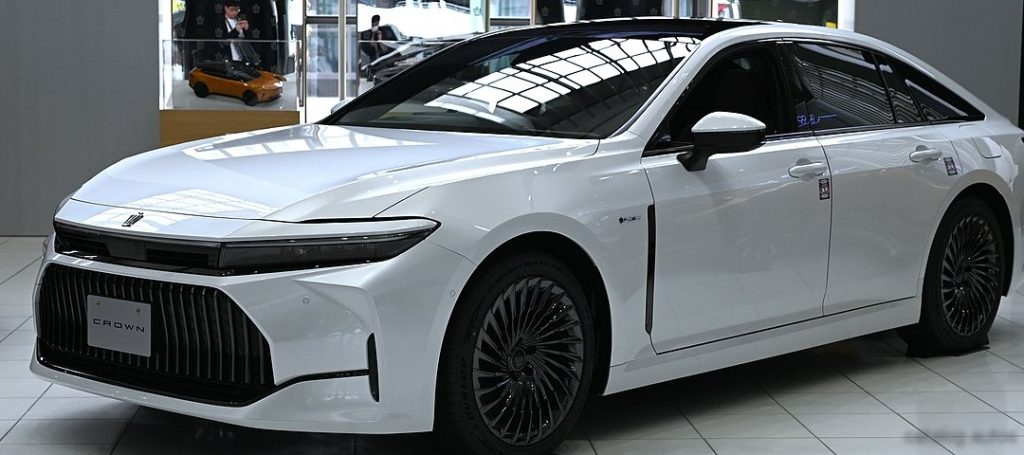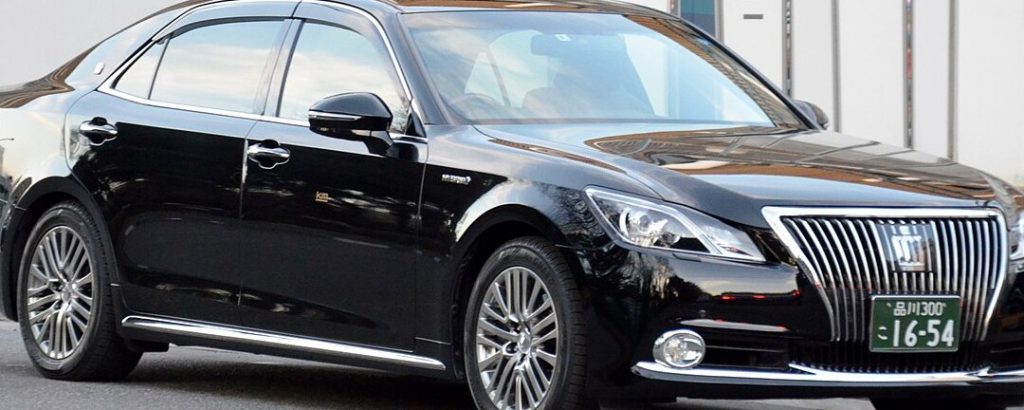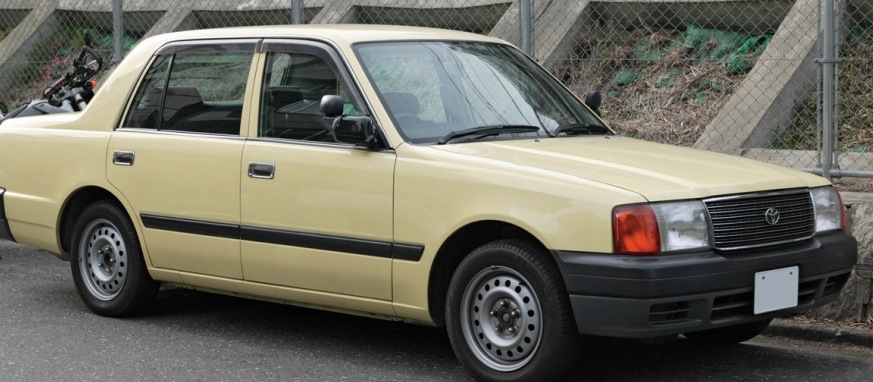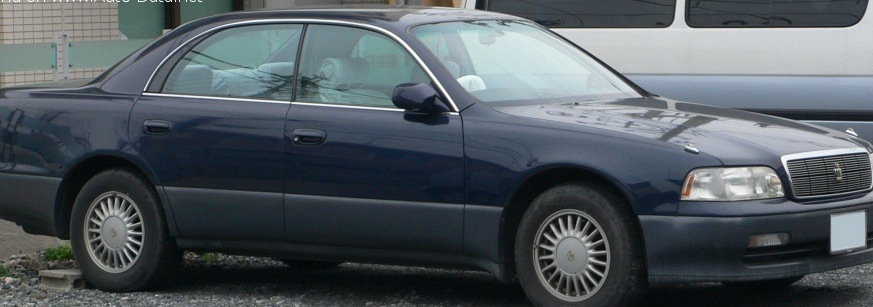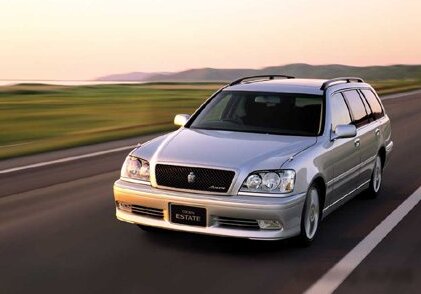
The Toyota Crown Estate (S170 series, specifically the facelifted model from 2001-2007) represented a unique offering within Toyota’s lineup. Positioned as a premium station wagon, it catered to buyers seeking a blend of comfort, practicality, and a more sophisticated image than typically associated with mainstream family vehicles. The 2.0 24V (160 Hp) Automatic variant occupied a middle ground in the Crown Estate range, offering a balance between performance and fuel efficiency, making it a popular choice for those prioritizing a smooth driving experience over outright speed. This generation of Crown Estate was primarily sold in the Japanese domestic market (JDM), with limited exports, making it a relatively rare sight outside of Japan.
Technical Specifications
| Brand | Toyota |
| Model | Crown |
| Generation | Crown Estate (S170, facelift 2001) |
| Type (Engine) | 2.0 24V (160 Hp) Automatic |
| Start of production | 2001 |
| End of production | 2007 |
| Powertrain Architecture | Internal Combustion engine |
| Body type | Station wagon (estate) |
| Seats | 5 |
| Doors | 5 |
| Fuel Type | Petrol (Gasoline) |
| Weight-to-power ratio | 9.6 kg/Hp, 103.9 Hp/tonne |
| Weight-to-torque ratio | 7.7 kg/Nm, 129.9 Nm/tonne |
| Power | 160 Hp @ 6200 rpm |
| Power per litre | 80.5 Hp/l |
| Torque | 200 Nm @ 4400 rpm (147.51 lb.-ft. @ 4400 rpm) |
| Engine layout | Front, Longitudinal |
| Engine Model/Code | 1G-FE |
| Engine displacement | 1988 cm3 (121.32 cu. in.) |
| Number of cylinders | 6 |
| Engine configuration | Inline |
| Cylinder Bore | 75 mm (2.95 in.) |
| Piston Stroke | 75 mm (2.95 in.) |
| Compression ratio | 10:1 |
| Number of valves per cylinder | 4 |
| Fuel injection system | Multi-port manifold injection |
| Engine aspiration | Naturally aspirated engine |
| Valvetrain | DOHC |
| Engine oil capacity | 4.1 l (4.33 US qt | 3.61 UK qt) |
| Coolant | 7 l (7.4 US qt | 6.16 UK qt) |
| Kerb Weight | 1540 kg (3395.12 lbs.) |
| Trunk (boot) space – minimum | 530 l (18.72 cu. ft.) |
| Fuel tank capacity | 70 l (18.49 US gal | 15.4 UK gal) |
| Length | 4835 mm (190.35 in.) |
| Width | 1765 mm (69.49 in.) |
| Height | 1520 mm (59.84 in.) |
| Wheelbase | 2780 mm (109.45 in.) |
| Front track | 1495 mm (58.86 in.) |
| Rear (Back) track | 1470 mm (57.87 in.) |
| Ride height (ground clearance) | 165 mm (6.5 in.) |
| Minimum turning circle (turning diameter) | 10.6 m (34.78 ft.) |
| Drivetrain Architecture | The Internal combustion engine (ICE) drives the rear wheels of the vehicle. |
| Drive wheel | Rear wheel drive |
| Number of gears and type of gearbox | 4 gears, automatic transmission |
| Front suspension | Double wishbone |
| Rear suspension | Double wishbone |
| Front brakes | Ventilated discs |
| Rear brakes | Disc |
| Assisting systems | ABS (Anti-lock braking system) |
| Tires size | 195/65 R15 |
| Wheel rims size | 15 |
Powertrain & Engine Architecture
The heart of the Crown Estate 2.0 Automatic is the 1G-FE engine, a 2.0-liter inline-six cylinder gasoline engine. This engine is a naturally aspirated design, utilizing multi-port fuel injection for precise fuel delivery. The 1G-FE is known for its relatively smooth operation and decent reliability. It features a double overhead camshaft (DOHC) valvetrain, contributing to its improved breathing and power output compared to older single overhead cam designs. The engine produces 160 horsepower at 6200 rpm and 200 Nm (147.51 lb-ft) of torque at 4400 rpm. Paired with this engine is a four-speed automatic transmission, designed for comfortable and effortless cruising. This transmission, while not offering the sportiness of a manual, prioritized smooth shifts and ease of use, aligning with the Crown Estate’s overall character.
Driving Characteristics
The 2.0-liter engine and four-speed automatic combination in the Crown Estate delivered a comfortable, but not particularly sporty, driving experience. Acceleration was adequate for everyday driving, but it wasn’t designed for quick bursts of speed. The automatic transmission’s gear ratios were tuned for fuel efficiency and smooth cruising, rather than aggressive performance. Compared to the more powerful 3.0-liter variants, the 2.0 model felt noticeably less responsive. However, it offered a more relaxed driving experience, particularly in urban environments. The rear-wheel-drive configuration provided a balanced feel, although it wasn’t as engaging as some contemporary front-wheel-drive cars.
Equipment & Trim Levels
The 2.0 Automatic trim of the Crown Estate typically included features such as power windows, power locks, air conditioning, and a basic audio system. Higher trim levels added features like leather upholstery, woodgrain interior trim, and upgraded audio systems. The facelifted 2001 models often featured improved interior materials and a more modern dashboard design compared to pre-facelift versions. Optional extras included a sunroof, navigation system (a relatively rare option), and upgraded wheels. The overall interior ambiance was geared towards comfort and refinement, reflecting the Crown’s position as a premium vehicle.
Chassis & Braking
The Crown Estate utilized a double wishbone suspension setup at both the front and rear, providing a comfortable ride quality. The suspension was tuned to prioritize smoothness over handling sharpness. Braking duties were handled by ventilated discs at the front and solid discs at the rear. Anti-lock braking system (ABS) was standard, enhancing safety. The steering was power-assisted, making it easy to maneuver, especially at low speeds. The relatively heavy curb weight of 1540 kg (3395.12 lbs) contributed to the car’s stable feel, but also limited its agility.
Market Reception & Comparison
The Crown Estate 2.0 Automatic was generally well-received in Japan as a practical and comfortable family vehicle. Critics praised its spacious interior, smooth ride, and reliable engine. However, some noted that its performance was not as exciting as some of its competitors. Compared to the 3.0-liter Crown Estate variants, the 2.0 model offered better fuel economy but less power. It also represented a more affordable entry point into the Crown Estate range. Against other Japanese station wagons of the time, such as the Mitsubishi Wagonair or the Subaru Legacy Touring Wagon, the Crown Estate offered a more premium feel and a more refined driving experience.
Legacy
The Toyota Crown Estate S170 series, including the 2.0 Automatic variant, has developed a cult following among enthusiasts, particularly in Japan. The 1G-FE engine is known for its durability and relatively simple maintenance requirements. While not a high-performance engine, it is capable of lasting for many years with proper care. Today, well-maintained examples of the Crown Estate are becoming increasingly collectible. The combination of its unique styling, comfortable ride, and reliable powertrain makes it a desirable classic for those seeking a distinctive and practical Japanese car from the early 2000s. Finding parts outside of Japan can be challenging, but a dedicated community of owners and online resources help to keep these vehicles on the road.