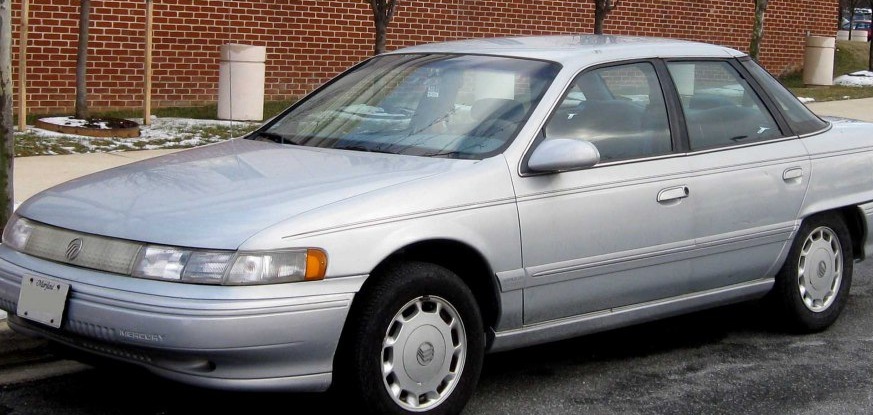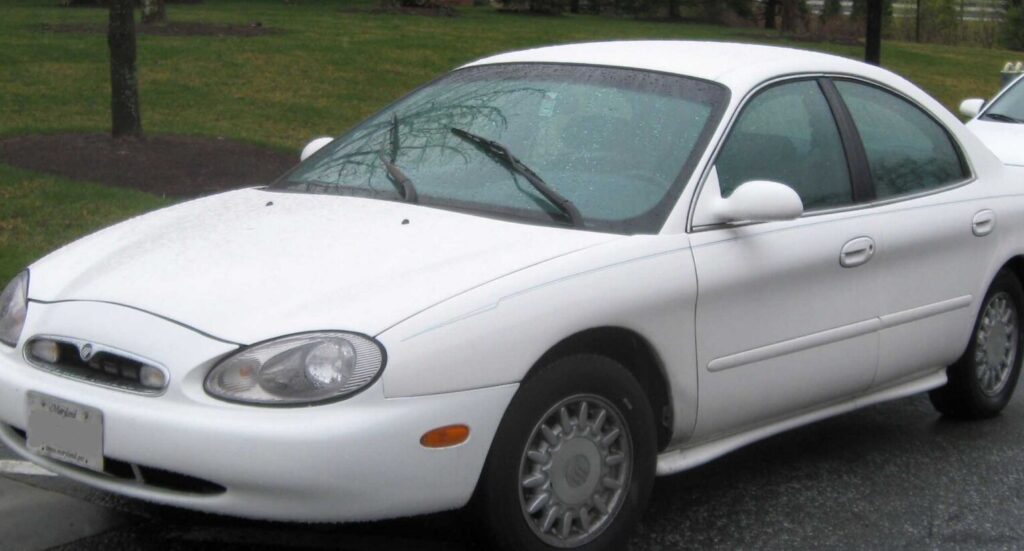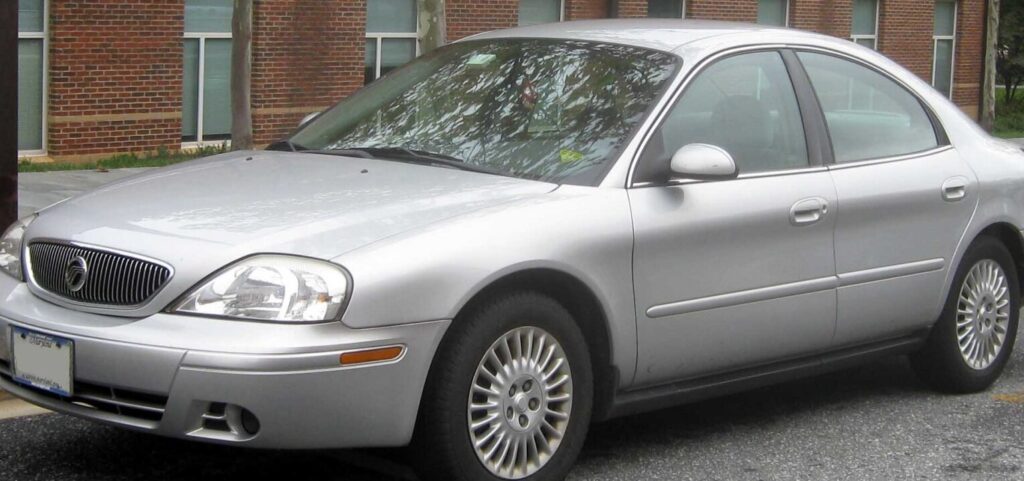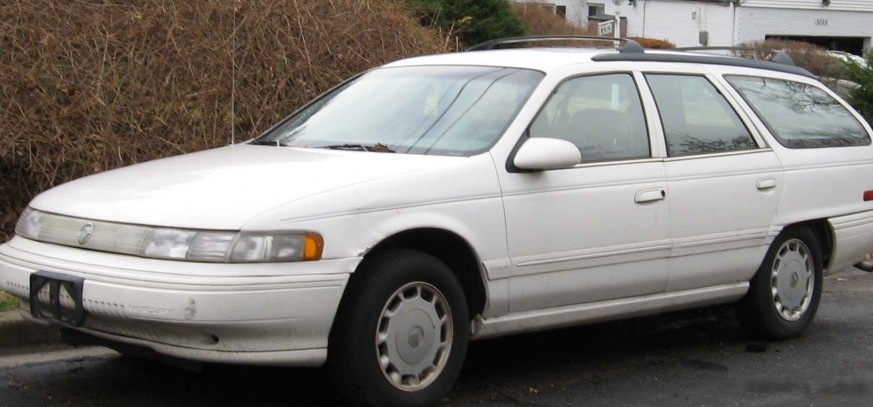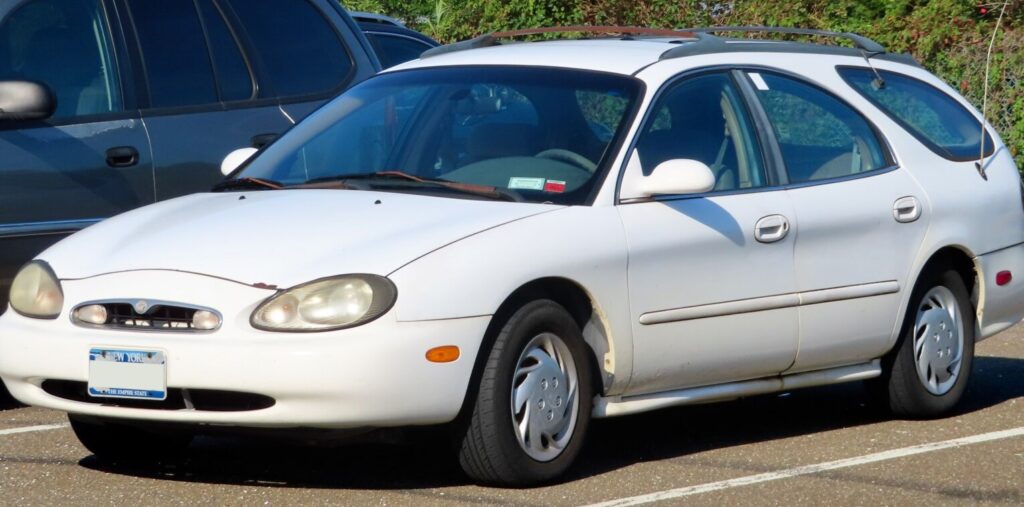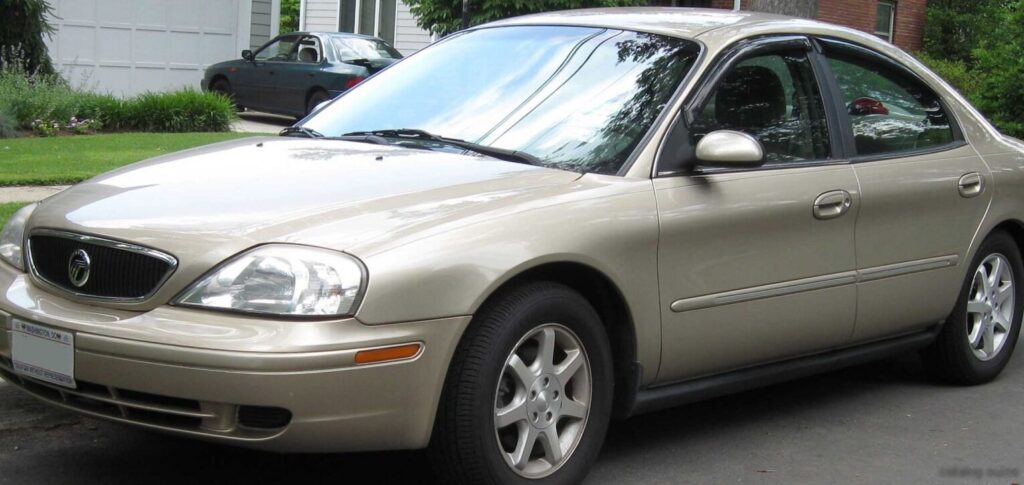
The Mercury Sable IV, specifically the 3.0 V6 variant with an automatic transmission, represented a significant offering in the mid-size sedan segment from 1999 through 2003. Positioned as a comfortable and relatively affordable family vehicle, it was part of the fourth generation of the Sable, which shared its underpinnings with the Ford Taurus. This generation, built on the FN10 platform, aimed to improve upon the previous model’s shortcomings in refinement and interior space. The 3.0L V6 automatic configuration was a popular choice, offering a balance between performance and fuel economy within the Sable lineup, slotting above the base 3.0L engine and below potential higher-trim options if offered.
Technical Specifications
| Brand | Mercury |
| Model | Sable |
| Generation | Sable IV |
| Type (Engine) | 3.0 V6 (155 Hp) Automatic |
| Start of production | 1999 year |
| End of production | 2003 year |
| Powertrain Architecture | Internal Combustion engine |
| Body type | Sedan |
| Seats | 5 |
| Doors | 4 |
| Fuel Type | Petrol (Gasoline) |
| Weight-to-power ratio | 9.9 kg/Hp, 101.1 Hp/tonne |
| Weight-to-torque ratio | 6.1 kg/Nm, 163.7 Nm/tonne |
| Power | 155 Hp @ 4900 rpm |
| Power per litre | 51.9 Hp/l |
| Torque | 251 Nm @ 3950 rpm, 185.13 lb.-ft. @ 3950 rpm |
| Engine layout | Front, Transverse |
| Engine Model/Code | Vulcan |
| Engine displacement | 2986 cm3, 182.22 cu. in. |
| Number of cylinders | 6 |
| Engine configuration | V-engine |
| Cylinder Bore | 89 mm, 3.5 in. |
| Piston Stroke | 80 mm, 3.15 in. |
| Compression ratio | 9.28:1 |
| Number of valves per cylinder | 2 |
| Fuel injection system | Multi-port manifold injection |
| Engine aspiration | Naturally aspirated engine |
| Valvetrain | OHV |
| Engine oil capacity | 4.3 l, 4.54 US qt | 3.78 UK qt |
| Coolant | 11 l, 11.62 US qt | 9.68 UK qt |
| Kerb Weight | 1533 kg, 3379.69 lbs |
| Trunk (boot) space – minimum | 453 l, 16 cu. ft |
| Fuel tank capacity | 61 l, 16.11 US gal | 13.42 UK gal |
| Length | 5075 mm, 199.8 in |
| Width | 1854 mm, 72.99 in |
| Height | 1463 mm, 57.6 in |
| Wheelbase | 2756 mm, 108.5 in |
| Front track | 1565 mm, 61.61 in |
| Rear (Back) track | 1577 mm, 62.09 in |
| Drivetrain Architecture | The Internal combustion engine (ICE) drives the front wheels of the vehicle. |
| Drive wheel | Front wheel drive |
| Number of gears and type of gearbox | 4 gears, automatic transmission |
| Front suspension | Independent type McPherson, Transverse stabilizer |
| Rear suspension | Independent multi-link suspension, Transverse stabilizer |
| Front brakes | Ventilated discs, 277 mm |
| Rear brakes | Drum, 226 mm |
| Assisting systems | ABS (Anti-lock braking system) |
| Steering type | Steering rack and pinion |
| Power steering | Hydraulic Steering |
| Tires size | 215/60 R16 |
| Wheel rims size | 6J x 16 |
Powertrain & Engine Architecture
The heart of this Sable variant is the Ford Vulcan 3.0L V6 engine. This engine, a mainstay of Ford’s lineup for many years, is known for its durability and relatively simple design. It utilizes an overhead valve (OHV) valvetrain, a configuration that prioritized cost-effectiveness and ease of maintenance over ultimate performance. The Vulcan engine employs multi-port fuel injection, delivering fuel directly to each intake port for improved combustion efficiency. The 4-speed automatic transmission, a Ford-sourced unit, was chosen for its smooth operation and suitability for everyday driving. While not offering the quickest acceleration, it provided comfortable and predictable shifts. The transmission’s gear ratios were tuned for fuel economy and relaxed cruising, rather than aggressive performance.
Driving Characteristics
The 155 horsepower and 185 lb-ft of torque delivered by the 3.0L V6 and automatic transmission combination resulted in adequate, but not exhilarating, performance. Acceleration from 0 to 60 mph was typically in the 9-10 second range. The automatic transmission, while smooth, did contribute to a slight loss of power compared to the available manual transmission options. The gear ratios were spaced to prioritize fuel efficiency, meaning the engine often felt somewhat strained during quick overtaking maneuvers. However, for typical commuting and highway driving, the Sable 3.0L automatic provided a comfortable and predictable driving experience. The suspension, tuned for comfort, absorbed bumps well, but didn’t offer particularly sporty handling.
Equipment & Trim Levels
The Sable IV 3.0L automatic typically came standard with features expected of a mid-size family sedan in the late 1990s and early 2000s. These included air conditioning, power windows and locks, an AM/FM stereo, and cloth upholstery. Higher trim levels, if selected, could add features such as leather upholstery, a power driver’s seat, upgraded audio systems, and alloy wheels. Optional extras often included a sunroof, and upgraded safety features. The interior design was generally functional and spacious, prioritizing comfort and practicality over luxury.
Chassis & Braking
The Sable IV utilized an independent front suspension with McPherson struts and a transverse stabilizer bar, providing a comfortable ride and reasonable handling. The rear suspension employed an independent multi-link setup, also with a stabilizer bar, further enhancing ride quality. Braking duties were handled by ventilated discs at the front and drum brakes at the rear. Anti-lock braking system (ABS) was standard, improving braking performance and stability, especially in adverse conditions. The steering system was a rack-and-pinion setup with hydraulic power assist, providing light and easy steering feel.
Market Reception & Comparison
The Mercury Sable IV 3.0L automatic was generally well-received by critics as a practical and comfortable family sedan. However, it wasn’t considered a standout performer in its class. Compared to the base 3.0L engine, the automatic transmission did slightly diminish fuel economy. The V6 offered a noticeable improvement in power over the base engine, making it a more suitable choice for drivers who frequently carried passengers or drove on highways. Reliability was generally good, with the Vulcan V6 engine being known for its longevity. However, some owners reported issues with the automatic transmission over time.
Legacy
The Mercury Sable IV 3.0L automatic, while not a particularly exciting vehicle, served as a reliable and affordable transportation option for many families. The Vulcan V6 engine proved to be durable and relatively easy to maintain, contributing to the Sable’s longevity. Today, these vehicles are relatively common in the used car market, often available at very affordable prices. While not sought after by collectors, they represent a practical and dependable choice for budget-conscious buyers seeking a comfortable and spacious sedan. The powertrain, while dated by modern standards, remains reasonably reliable with proper maintenance, making it a viable option for those seeking a simple and affordable vehicle.