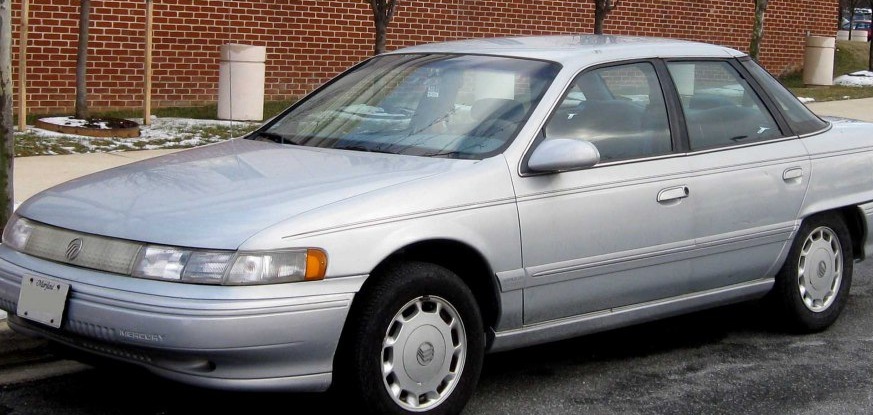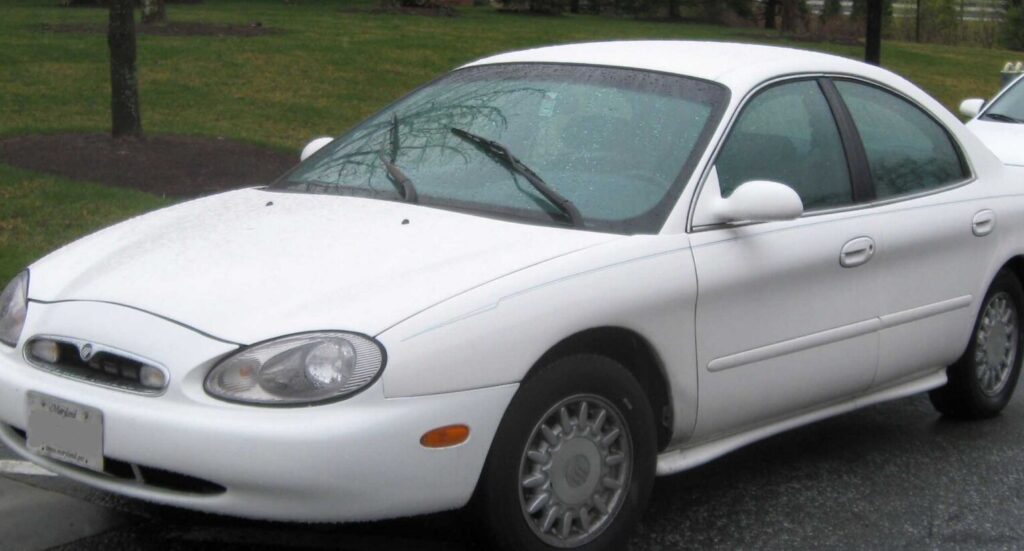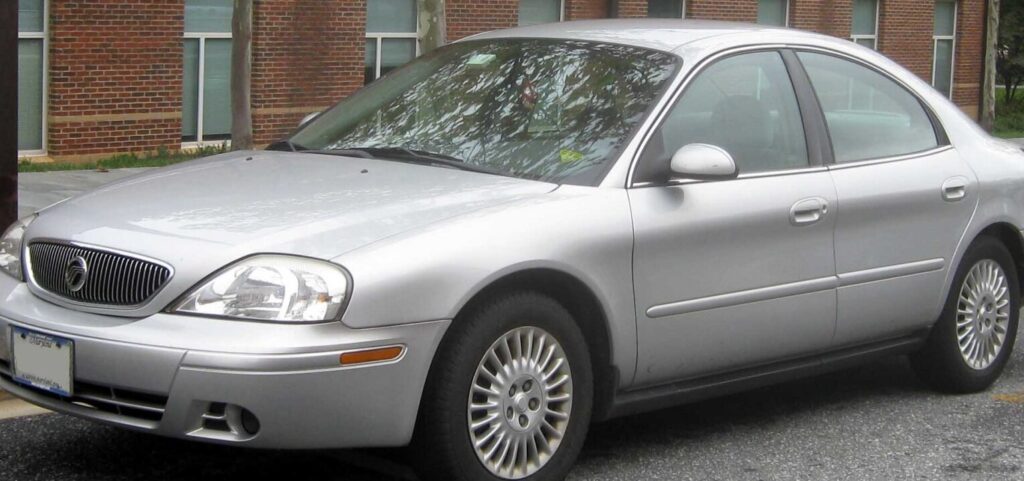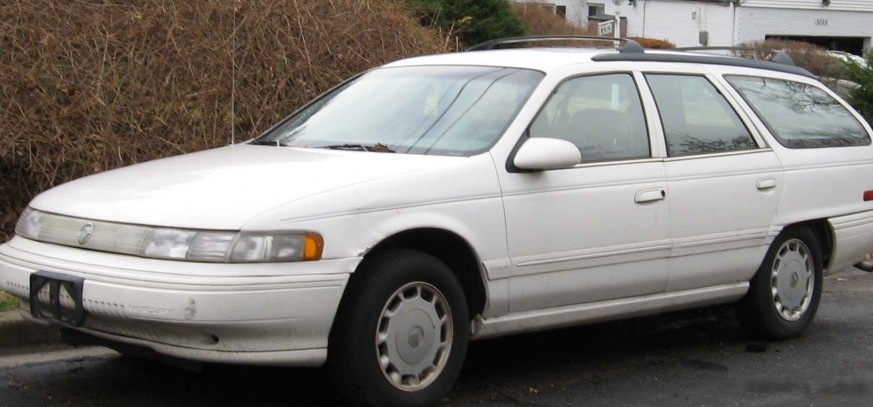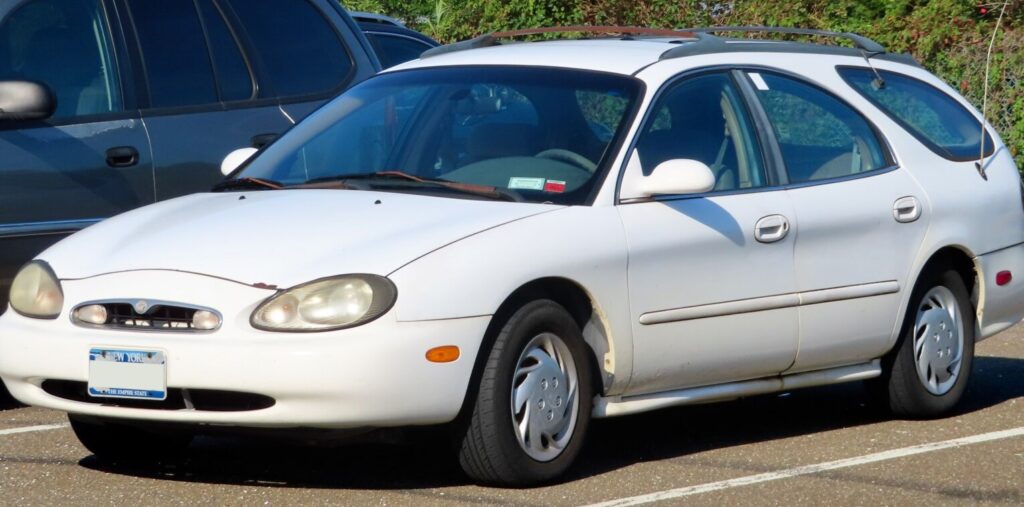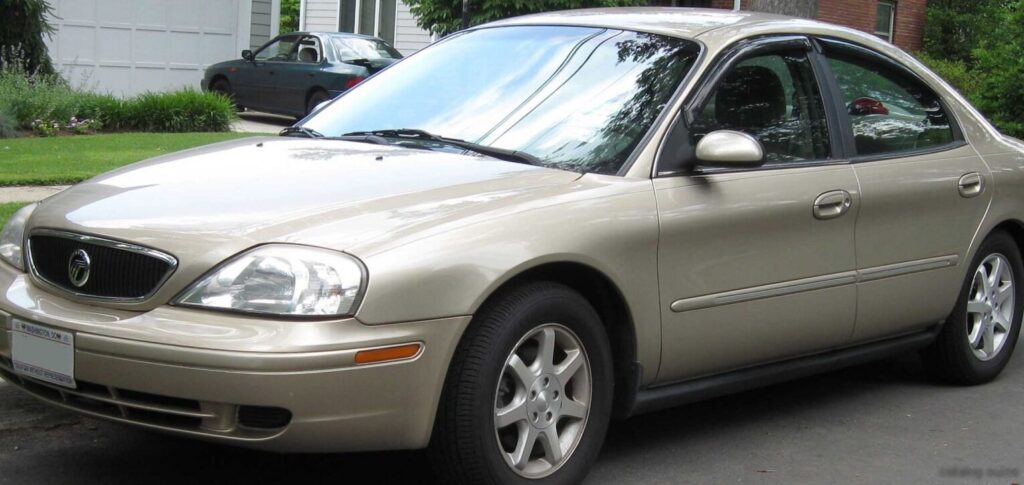
The Mercury Sable IV, specifically the 3.0 V6 variant with an automatic transmission, represented a significant offering in the mid-size sedan segment from 1999 through 2003. Positioned as a more upscale alternative to the Ford Taurus with which it shared a platform (the MN12), the Sable IV aimed to provide a comfortable and well-equipped driving experience. This particular configuration, boasting 200 horsepower, sat towards the higher end of the Sable lineup, offering a balance between performance and fuel efficiency. It was a key part of Mercury’s attempt to establish a distinct identity within the Ford Motor Company portfolio.
Technical Specifications
| Brand | Mercury |
| Model | Sable |
| Generation | Sable IV |
| Type (Engine) | 3.0 V6 (200 Hp) Automatic |
| Start of production | 1999 |
| End of production | 2003 |
| Powertrain Architecture | Internal Combustion engine |
| Body type | Sedan |
| Seats | 5 |
| Doors | 4 |
| Fuel Type | Petrol (Gasoline) |
| Weight-to-power ratio | 7.5 kg/Hp, 132.6 Hp/tonne |
| Weight-to-torque ratio | 5.6 kg/Nm, 179.7 Nm/tonne |
| Power | 200 Hp @ 5650 rpm |
| Power per litre | 67.4 Hp/l |
| Torque | 271 Nm @ 4400 rpm (199.88 lb.-ft. @ 4400 rpm) |
| Engine layout | Front, Transverse |
| Engine Model/Code | Duratec |
| Engine displacement | 2967 cm3 (181.06 cu. in.) |
| Number of cylinders | 6 |
| Engine configuration | V-engine |
| Cylinder Bore | 89 mm (3.5 in.) |
| Piston Stroke | 79.5 mm (3.13 in.) |
| Compression ratio | 10:1 |
| Number of valves per cylinder | 4 |
| Fuel injection system | Multi-port manifold injection |
| Engine aspiration | Naturally aspirated engine |
| Valvetrain | DOHC |
| Engine oil capacity | 5.2 l (5.49 US qt | 4.58 UK qt) |
| Coolant | 10 l (10.57 US qt | 8.8 UK qt) |
| Kerb Weight | 1508 kg (3324.57 lbs) |
| Trunk (boot) space – minimum | 453 l (16 cu. ft.) |
| Fuel tank capacity | 61 l (16.11 US gal | 13.42 UK gal) |
| Length | 5075 mm (199.8 in.) |
| Width | 1854 mm (72.99 in.) |
| Height | 1463 mm (57.6 in.) |
| Wheelbase | 2756 mm (108.5 in.) |
| Front track | 1565 mm (61.61 in.) |
| Rear (Back) track | 1577 mm (62.09 in.) |
| Drivetrain Architecture | The Internal combustion engine (ICE) drives the front wheels of the vehicle. |
| Drive wheel | Front wheel drive |
| Number of gears and type of gearbox | 4 gears, automatic transmission |
| Front suspension | Independent type McPherson, Transverse stabilizer |
| Rear suspension | Independent multi-link suspension, Transverse stabilizer |
| Front brakes | Ventilated discs, 277 mm |
| Rear brakes | Drum, 226 mm |
| Assisting systems | ABS (Anti-lock braking system) |
| Steering type | Steering rack and pinion |
| Power steering | Hydraulic Steering |
| Tires size | 215/60 R16 |
| Wheel rims size | 6J x 16 |
Powertrain & Engine Architecture
The heart of the Sable IV 3.0 was the Ford Duratec 3.0-liter V6 engine. This engine, part of Ford’s modular engine family, featured a 60-degree V-angle and a double overhead camshaft (DOHC) valvetrain with four valves per cylinder. The multi-port fuel injection system delivered fuel directly to each intake port, optimizing combustion efficiency. The engine produced 200 horsepower at 5650 rpm and 271 Nm (199.88 lb-ft) of torque at 4400 rpm. Paired with this engine was a four-speed automatic transmission, designed for smooth and comfortable shifting. This transmission, while not offering the latest in gear ratios, was known for its reliability and ease of use.
Driving Characteristics
The 3.0L V6 automatic Sable IV offered a comfortable and refined driving experience. Acceleration was adequate for everyday driving, with the engine providing sufficient power for merging onto highways and passing other vehicles. However, it wasn’t a particularly sporty car. Compared to the base 2.5L V6 engine, the 3.0L provided a noticeable increase in power and responsiveness. The automatic transmission, while smooth, did contribute to a slight loss of efficiency compared to the available manual transmission in other Sable trims. The gear ratios were tuned for comfort rather than performance, resulting in a more relaxed driving style.
Equipment & Trim Levels
The Sable IV 3.0 V6 typically came standard with features such as air conditioning, power windows and locks, cruise control, and an AM/FM stereo with a CD player. Higher trim levels, often denoted by the “GS” designation, added features like leather upholstery, upgraded sound systems, alloy wheels, and a power driver’s seat. Optional extras included a sunroof, heated seats, and a premium audio system. The interior design focused on comfort and practicality, with a spacious cabin and user-friendly controls.
Chassis & Braking
The Sable IV utilized a front-wheel-drive layout with an independent McPherson strut suspension in the front and an independent multi-link suspension in the rear. Both suspensions featured a transverse stabilizer bar to reduce body roll during cornering. Braking duties were handled by ventilated discs in the front and drum brakes in the rear. Anti-lock Braking System (ABS) was standard, enhancing safety and control during emergency braking situations. The suspension tuning prioritized ride comfort over sporty handling, providing a smooth and compliant ride on most road surfaces.
Market Reception & Comparison
The Mercury Sable IV 3.0 V6 was generally well-received by automotive critics as a comfortable and practical family sedan. However, it often faced criticism for its somewhat bland styling and lack of a truly sporty driving experience. Compared to the Ford Taurus, the Sable offered a slightly more refined interior and a more upscale image. Fuel economy was average for the class, with the automatic transmission slightly reducing efficiency compared to the manual transmission options available on lower trims. Reliability was generally good, although some owners reported minor issues with the automatic transmission over the long term.
Legacy
Today, the Mercury Sable IV 3.0 V6 is a relatively affordable and reliable used car option. The Duratec 3.0L V6 engine is known for its durability, and with proper maintenance, it can provide many years of service. The automatic transmission, while not the most advanced, is generally dependable. However, potential buyers should be aware of the possibility of age-related issues such as worn suspension components and minor electrical problems. The Sable IV represents a transitional period for Mercury, as the brand sought to define its identity in a competitive market. While it didn’t achieve the sales success of some of its rivals, it remains a comfortable and practical choice for those seeking a well-equipped mid-size sedan.