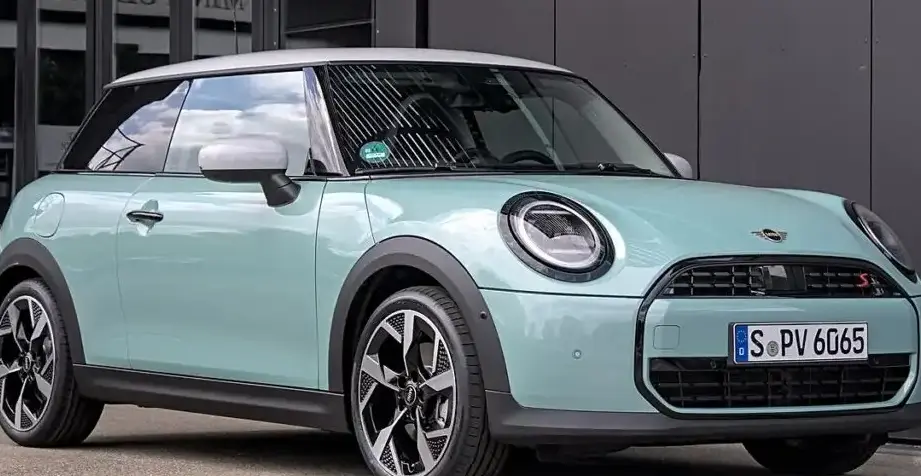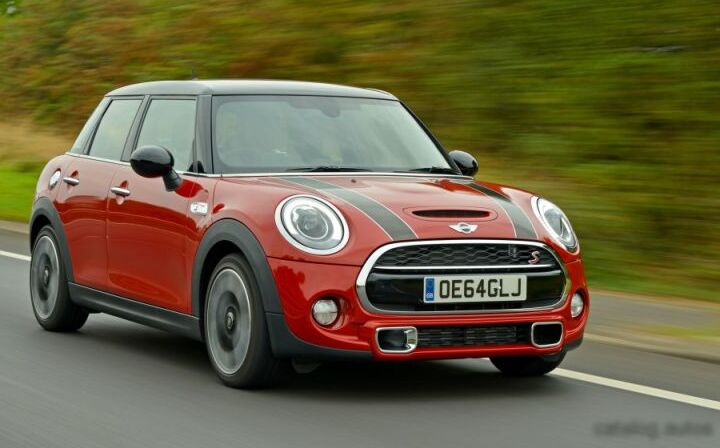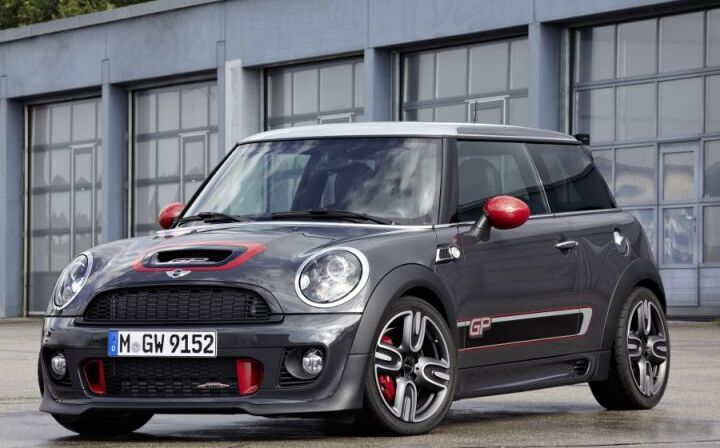
The Mini Hatch (R56) Cooper D 2.0 Automatic, produced between 2011 and 2013, represented a fuel-efficient and practical entry point into the second-generation Mini Hatchback range. Positioned as a diesel-powered alternative within the R56 lineup, it offered a balance between performance and economy, appealing to drivers seeking a premium small car experience with lower running costs. This variant utilized the BMW-derived N47C20A engine paired with a six-speed automatic transmission, catering to a broader audience than the standard manual versions. It was part of the first major redesign of the Mini, moving away from the retro styling of the original while retaining its iconic design cues.
Technical Specifications
| Brand | Mini |
| Model | Hatch |
| Generation | Hatch (R56) |
| Type (Engine) | Cooper D 2.0 (112 Hp) Automatic |
| Start of production | 2011 |
| End of production | 2013 |
| Powertrain Architecture | Internal Combustion engine |
| Body type | Hatchback |
| Seats | 4 |
| Doors | 3 |
| Fuel consumption (urban) | 6.8 l/100 km (34.6 US mpg, 41.5 UK mpg, 14.7 km/l) |
| Fuel consumption (extra urban) | 4.1 l/100 km (57.4 US mpg, 68.9 UK mpg, 24.4 km/l) |
| Fuel consumption (combined) | 5.1 l/100 km (46.1 US mpg, 55.4 UK mpg, 19.6 km/l) |
| CO2 emissions | 135 g/km |
| Fuel Type | Diesel |
| Acceleration 0 – 100 km/h | 10.1 sec |
| Acceleration 0 – 62 mph | 10.1 sec |
| Acceleration 0 – 60 mph | 9.6 sec |
| Maximum speed | 192 km/h (119.3 mph) |
| Emission standard | Euro 5 |
| Weight-to-power ratio | 10 kg/Hp, 100 Hp/tonne |
| Weight-to-torque ratio | 4.1 kg/Nm, 241.1 Nm/tonne |
| Power | 112 Hp @ 4000 rpm |
| Power per litre | 56.1 Hp/l |
| Torque | 270 Nm @ 1750-2250 rpm (199.14 lb.-ft. @ 1750-2250 rpm) |
| Engine layout | Front, Transverse |
| Engine Model/Code | N47C20A |
| Engine displacement | 1995 cm3 (121.74 cu. in.) |
| Number of cylinders | 4 |
| Engine configuration | Inline |
| Cylinder Bore | 84 mm (3.31 in.) |
| Piston Stroke | 90 mm (3.54 in.) |
| Compression ratio | 16.5:1 |
| Number of valves per cylinder | 4 |
| Fuel injection system | Diesel Commonrail |
| Engine aspiration | Turbocharger, Intercooler |
| Engine oil capacity | 5.2 l (5.49 US qt | 4.58 UK qt) |
| Coolant | 5.4 l (5.71 US qt | 4.75 UK qt) |
| Kerb Weight | 1120 kg (2469.18 lbs.) |
| Max. weight | 1570 kg (3461.26 lbs.) |
| Max load | 450 kg (992.08 lbs.) |
| Trunk (boot) space – minimum | 160 l (5.65 cu. ft.) |
| Trunk (boot) space – maximum | 680 l (24.01 cu. ft.) |
| Fuel tank capacity | 40 l (10.57 US gal | 8.8 UK gal) |
| Length | 3723 mm (146.57 in.) |
| Width | 1683 mm (66.26 in.) |
| Height | 1407 mm (55.39 in.) |
| Wheelbase | 2467 mm (97.13 in.) |
| Front track | 1459 mm (57.44 in.) |
| Rear (Back) track | 1467 mm (57.76 in.) |
| Ride height (ground clearance) | 139 mm (5.47 in.) |
| Minimum turning circle | 10.7 m (35.1 ft.) |
| Drivetrain Architecture | Front wheel drive |
| Number of gears and type of gearbox | 6 gears, automatic transmission |
| Front suspension | Independent, type McPherson with coil spring and anti-roll bar |
| Rear suspension | Independent multi-link suspension |
| Front brakes | Ventilated discs |
| Rear brakes | Disc |
| Tires size | 175/65 R15 84H |
| Wheel rims size | 5.5J x 15 LM |
Powertrain & Engine Architecture
The heart of the Cooper D 2.0 Automatic is the N47C20A, a 2.0-liter inline-four diesel engine. This engine is a product of BMW’s engineering, reflecting Mini’s ownership under the BMW Group. The N47 series is known for its second-generation common rail direct injection system, operating at pressures up to 1,600 bar, which contributes to efficient combustion and reduced emissions. The engine features a single turbocharger with an intercooler, boosting power output to 112 horsepower and 270 Nm (199 lb-ft) of torque. The torque curve is relatively flat, providing good responsiveness across a wide RPM range. The six-speed automatic transmission, a conventional torque-converter type, was chosen for its smoothness and ease of use, making it a popular option for urban driving. While not as sporty as the manual transmission, it offered a more relaxed driving experience.
Driving Characteristics
The Cooper D 2.0 Automatic delivers a comfortable and refined driving experience. Acceleration from 0 to 60 mph takes around 9.6 seconds, which is adequate for everyday driving but doesn’t offer particularly brisk performance. The automatic transmission is programmed for fuel efficiency, meaning it upshifts quickly to maintain lower engine speeds. This can sometimes result in a slight hesitation when requesting sudden acceleration. Compared to the manual version, the automatic feels slightly less engaging, but it excels in stop-and-go traffic. The flat torque curve of the N47 engine makes it easy to maintain speed on highways and provides sufficient power for overtaking maneuvers. The steering is precise and well-weighted, typical of the Mini brand, offering a connected feel to the road.
Equipment & Trim Levels
The Cooper D 2.0 Automatic typically came equipped with a reasonable level of standard features. These included air conditioning, power windows, central locking, and a basic audio system. Interior upholstery was usually cloth, with options for leather upgrades. Standard dashboard configuration featured the Mini’s signature central speedometer, with supporting gauges for fuel level and temperature. Optional extras included a panoramic sunroof, upgraded audio systems (often from Harman Kardon), navigation systems, and parking sensors. The Chili package was a popular option, adding sport seats, a sport steering wheel, and exterior styling enhancements.
Chassis & Braking
The R56 Mini Hatch utilizes a McPherson strut front suspension and a multi-link rear suspension, providing a good balance between ride comfort and handling. The suspension setup is tuned to be relatively firm, contributing to the car’s agile handling characteristics. The Cooper D 2.0 Automatic featured ventilated front disc brakes and solid rear discs. Anti-lock Braking System (ABS) was standard. The weight distribution is fairly balanced, enhancing the car’s cornering ability. Stabilizer bars were fitted front and rear to reduce body roll during cornering.
Market Reception & Comparison
The Cooper D 2.0 Automatic was generally well-received by automotive critics as a practical and economical option within the Mini range. It was praised for its fuel efficiency, comfortable ride, and refined engine. However, some reviewers noted that the automatic transmission could feel slightly sluggish at times. Compared to the Cooper (petrol) versions, the diesel offered significantly better fuel economy, but less outright performance. Against other diesel-powered hatchbacks in its class, such as the Volkswagen Polo TDI, the Mini Cooper D offered a more premium interior and a more engaging driving experience, but at a higher price point.
Legacy
The N47 engine, while generally reliable, has been known to experience timing chain issues in some cases, particularly with insufficient oil maintenance. Regular oil changes with the correct specification are crucial for longevity. The six-speed automatic transmission is generally robust, but like any automatic, it requires regular fluid changes. Today, the R56 Cooper D 2.0 Automatic represents a relatively affordable entry point into Mini ownership. Well-maintained examples are still relatively common on the used car market, offering a stylish and economical option for those seeking a small, premium hatchback.