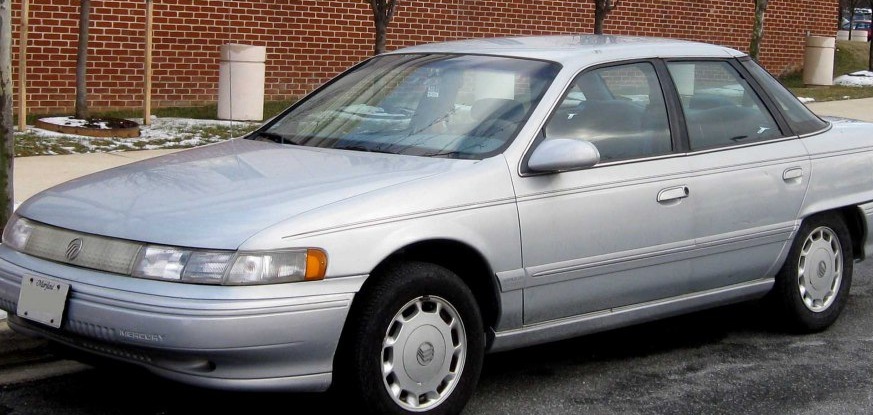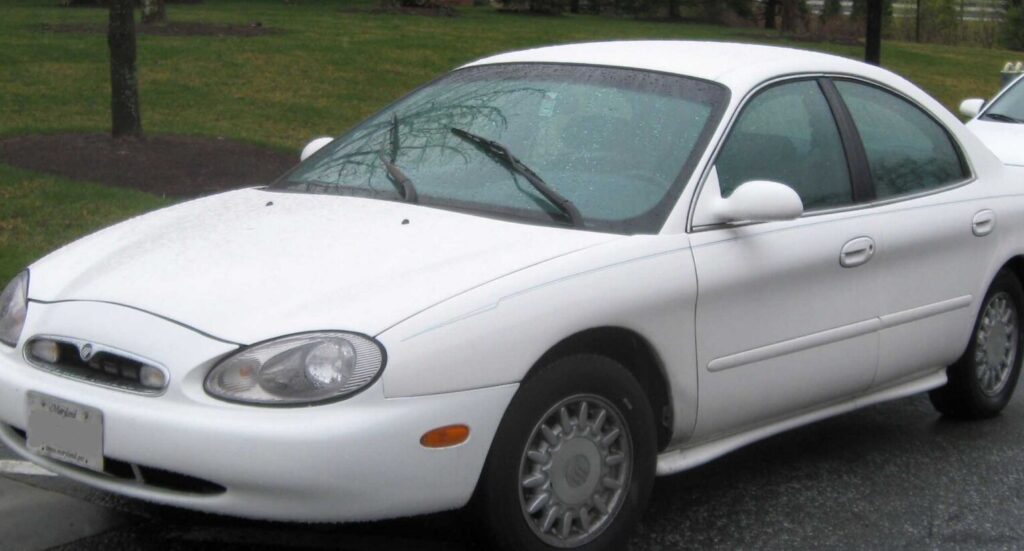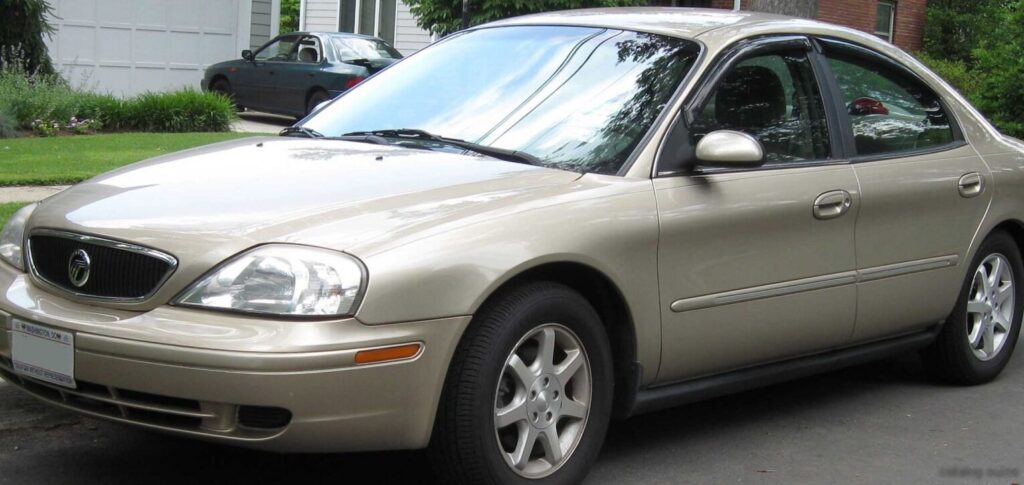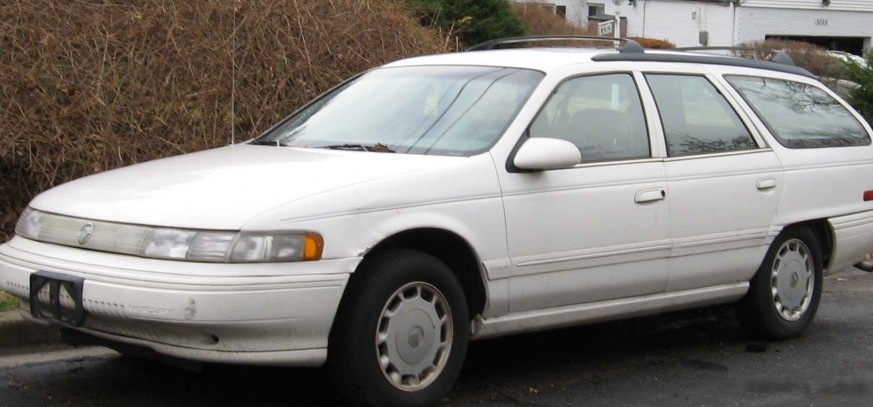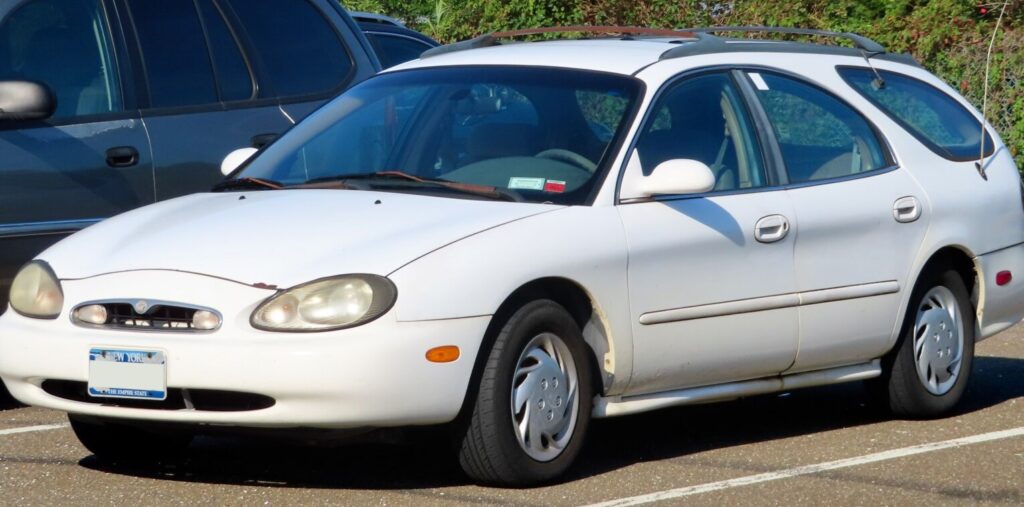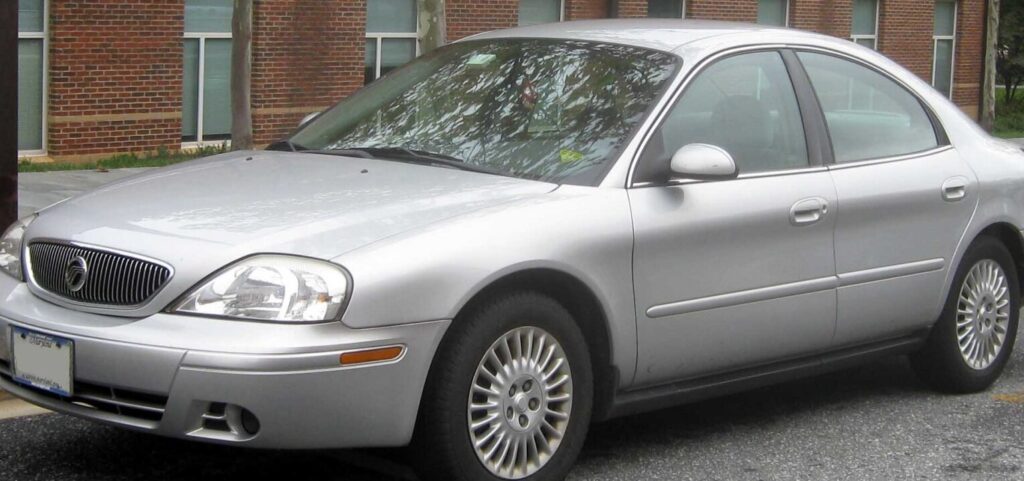
The Mercury Sable IV, specifically the facelifted version produced from 2004 to 2005, represented a final refinement of Ford’s mid-size sedan offering. Positioned as a more upscale alternative to the Ford Taurus, the Sable aimed to attract buyers seeking a comfortable and well-equipped family vehicle. The 3.0-liter V6 engine paired with an automatic transmission was a key configuration within the Sable lineup, offering a balance between performance and fuel efficiency. This variant occupied a mid-range position, slotting above the base 3.0-liter engine and below any potential higher-performance trims that were not offered during these final production years.
Technical Specifications
| Brand | Mercury |
| Model | Sable |
| Generation | Sable IV (facelift 2004) |
| Type (Engine) | 3.0 V6 (201 Hp) Automatic |
| Start of production | 2004 |
| End of production | 2005 |
| Powertrain Architecture | Internal Combustion engine |
| Body type | Sedan |
| Seats | 5-6 |
| Doors | 4 |
| Fuel Type | Petrol (Gasoline) |
| Weight-to-power ratio | 7.4 kg/Hp, 134.5 Hp/tonne |
| Weight-to-torque ratio | 5.3 kg/Nm, 188.1 Nm/tonne |
| Power | 201 Hp @ 5500 rpm |
| Power per litre | 67.7 Hp/l |
| Torque | 281 Nm @ 4500 rpm, 207.25 lb.-ft. @ 4500 rpm |
| Engine layout | Front, Transverse |
| Engine Model/Code | Duratec |
| Engine displacement | 2967 cm3, 181.06 cu. in. |
| Number of cylinders | 6 |
| Engine configuration | V-engine |
| Cylinder Bore | 89 mm, 3.5 in. |
| Piston Stroke | 79.5 mm, 3.13 in. |
| Compression ratio | 10.5:1 |
| Number of valves per cylinder | 4 |
| Fuel injection system | Multi-port manifold injection |
| Engine aspiration | Naturally aspirated engine |
| Valvetrain | DOHC |
| Engine oil capacity | 5.7 l, 6.02 US qt | 5.02 UK qt |
| Coolant | 10 l, 10.57 US qt | 8.8 UK qt |
| Kerb Weight | 1494 kg, 3293.71 lbs |
| Trunk (boot) space – minimum | 453 l, 16 cu. ft |
| Fuel tank capacity | 61 l, 16.11 US gal | 13.42 UK gal |
| Length | 5075 mm, 199.8 in |
| Width | 2024 mm, 79.69 in |
| Height | 1410 mm, 55.51 in |
| Wheelbase | 2756 mm, 108.5 in |
| Front track | 1565 mm, 61.61 in |
| Rear (Back) track | 1577 mm, 62.09 in |
| Drivetrain Architecture | The Internal combustion engine (ICE) drives the front wheels of the vehicle. |
| Drive wheel | Front wheel drive |
| Number of gears and type of gearbox | 4 gears, automatic transmission |
| Front suspension | Independent type McPherson, Transverse stabilizer |
| Rear suspension | Independent multi-link suspension, Transverse stabilizer |
| Front brakes | Disc |
| Rear brakes | Drum |
| Assisting systems | ABS (Anti-lock braking system) |
| Steering type | Steering rack and pinion |
| Power steering | Hydraulic Steering |
| Tires size | 215/60 R16 |
| Wheel rims size | 6J x 16 |
Powertrain & Engine Architecture
The heart of this Sable variant is the Ford Duratec 3.0-liter V6 engine. This engine, part of Ford’s modular engine family, is a 60-degree V-engine featuring a cast iron block and aluminum cylinder heads. The Duratec 3.0 utilizes a multi-port fuel injection system, delivering fuel directly into the intake ports, and a double overhead camshaft (DOHC) valvetrain for improved breathing and efficiency. The engine produces 201 horsepower at 5500 rpm and 281 Nm (207.25 lb-ft) of torque at 4500 rpm. The engine’s design prioritized smooth operation and adequate power for everyday driving rather than outright performance. Paired with the engine is a four-speed automatic transmission. This transmission, while reliable, represents a slightly older design compared to the five or six-speed automatics becoming more common at the time. The transmission’s gear ratios were tuned for comfortable cruising and acceptable acceleration, but it wasn’t optimized for sporty driving.
Driving Characteristics
Behind the wheel, the 3.0-liter V6 and automatic transmission combination in the Sable offered a comfortable and predictable driving experience. Acceleration was adequate for merging onto highways and passing slower traffic, but it wasn’t particularly brisk. The automatic transmission shifted smoothly, but lacked the responsiveness of a manual gearbox or more modern automatic transmissions. The four-speed configuration meant that the engine often operated at higher rpm during highway cruising, potentially impacting fuel economy. Compared to a hypothetical manual transmission version, the automatic would have felt less engaging and slightly slower in acceleration. The Sable’s suspension, tuned for comfort, absorbed bumps and road imperfections well, providing a smooth ride for passengers.
Equipment & Trim Levels
The 2004-2005 Mercury Sable IV with the 3.0-liter V6 and automatic transmission typically came standard with features such as air conditioning, power windows and locks, a CD player, and cloth upholstery. Higher trim levels, if available, might have included features like leather upholstery, a power driver’s seat, upgraded audio systems, and alloy wheels. Safety features included anti-lock brakes (ABS) and front airbags. The Sable aimed to provide a comfortable and well-equipped interior, focusing on practicality and convenience for families.
Chassis & Braking
The Sable IV utilized a front-wheel-drive platform with an independent McPherson strut suspension in the front and an independent multi-link suspension in the rear. This suspension setup provided a good balance between ride comfort and handling. The front brakes were disc brakes, offering good stopping power, while the rear brakes were drum brakes, a cost-saving measure that was common in this class of vehicle. A transverse stabilizer bar was included on both the front and rear suspension to reduce body roll during cornering. The steering system was a rack-and-pinion setup with hydraulic power steering, providing a reasonably responsive steering feel.
Market Reception & Comparison
The Mercury Sable, in general, faced stiff competition from other mid-size sedans like the Toyota Camry, Honda Accord, and Ford Taurus. Critics generally praised the Sable’s comfortable ride and spacious interior, but noted that it lacked the sporty handling and refined interior of some of its Japanese competitors. The 3.0-liter V6 and automatic transmission combination was considered a solid, if unremarkable, powertrain. Fuel economy was average for the class. Reliability was generally good, but some owners reported minor issues with the automatic transmission and electrical components. Compared to the base 3.0-liter engine, the 201-horsepower version offered a noticeable improvement in acceleration and overall performance.
Legacy
The Mercury Sable IV, particularly the 2004-2005 facelifted models, represents the final iteration of a once-popular American sedan. While not a standout performer in its class, the Sable offered a comfortable and reliable transportation option for families. The Duratec 3.0-liter V6 engine proved to be a relatively durable powertrain, and many examples are still on the road today. In the used car market, these Sables are often valued for their affordability and practicality. However, potential buyers should be aware of the age-related issues that can affect any vehicle of this era, such as worn suspension components and potential transmission problems. The Sable’s legacy lies in its role as a comfortable and dependable family sedan during a period of increasing competition in the mid-size segment.