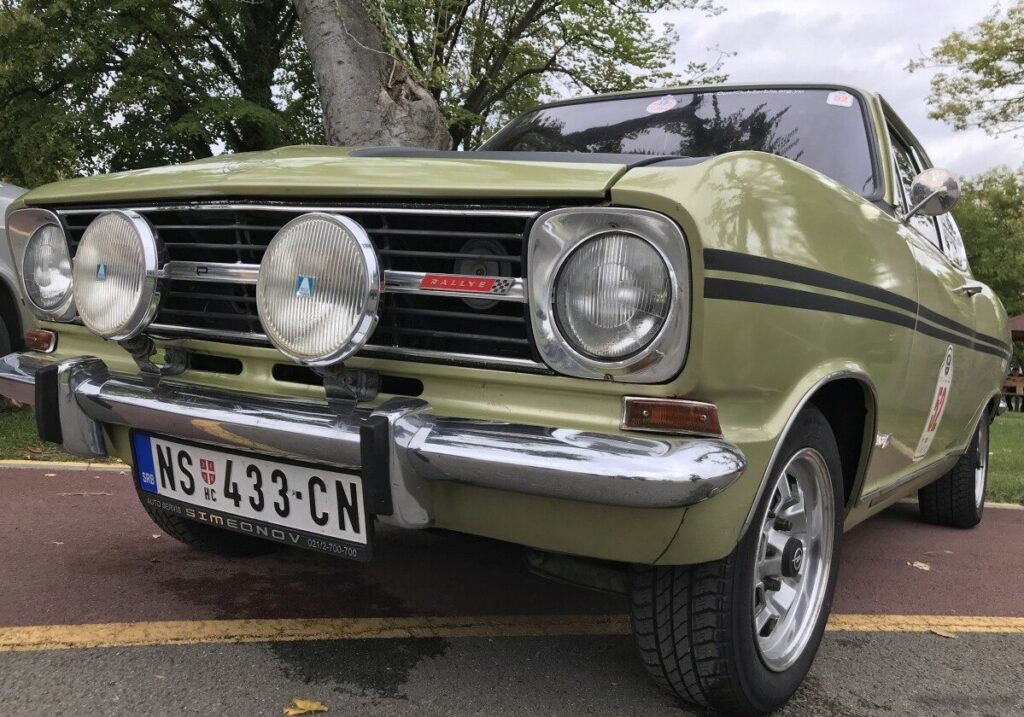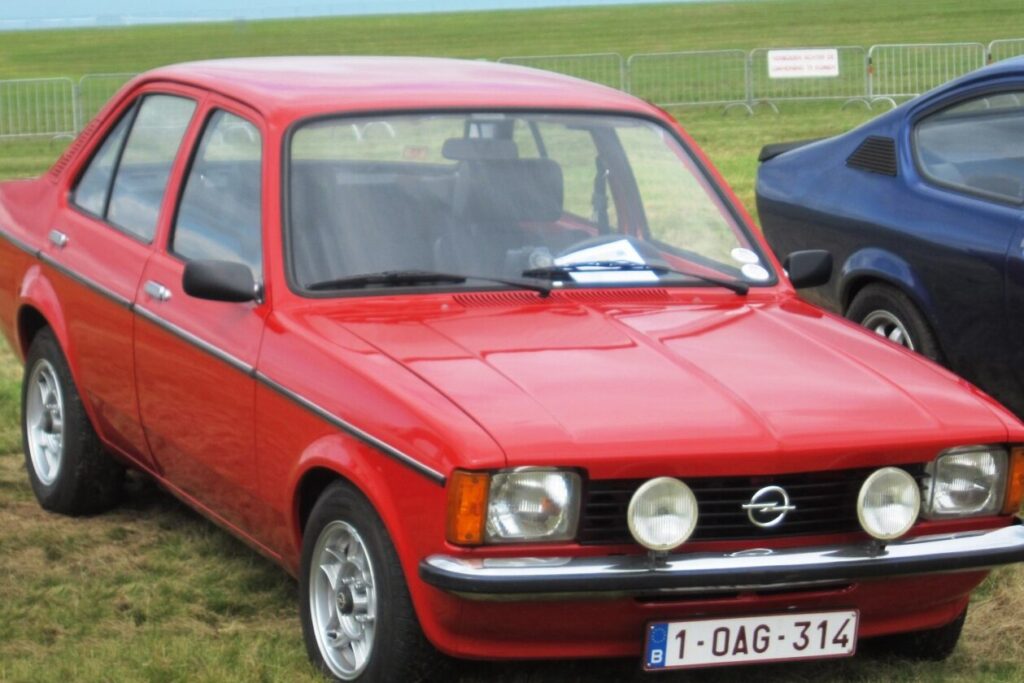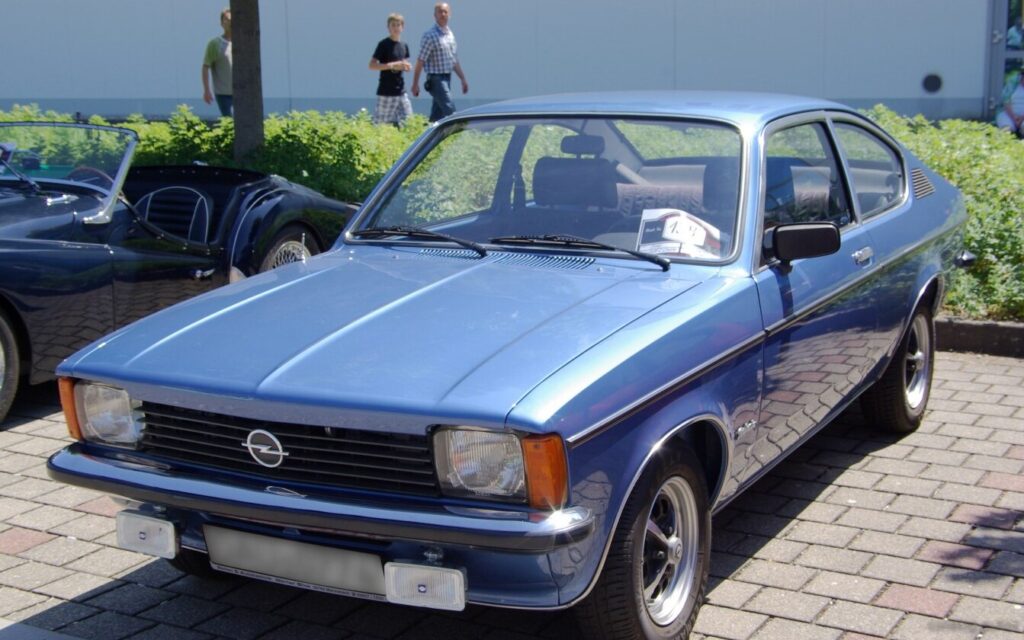
The Opel Kadett C Coupe 1.2 S, produced between 1973 and 1979, represented an entry-level offering within the broader Kadett C range. Positioned as a stylish and affordable coupe, it aimed to provide personal transportation for a growing European market. The Kadett C, launched in 1972, was a significant update to the Kadett B, offering increased interior space and a more modern design. The Coupe variant, and specifically the 1.2 S trim, catered to buyers seeking a sporty aesthetic without the higher price tag of the more powerful models. It was a popular choice for young drivers and those looking for economical transportation.
Technical Specifications
| Brand | Opel |
| Model | Kadett |
| Generation | Kadett C Coupe |
| Type (Engine) | 1.2 S (60 Hp) |
| Start of production | 1973 |
| End of production | 1979 |
| Powertrain Architecture | Internal Combustion engine |
| Body type | Coupe |
| Seats | 5 |
| Doors | 2 |
| Fuel Type | Petrol (Gasoline) |
| Acceleration 0 – 100 km/h | 17 sec |
| Acceleration 0 – 62 mph | 17 sec |
| Acceleration 0 – 60 mph | 16.2 sec |
| Maximum speed | 146 km/h (90.72 mph) |
| Weight-to-power ratio | 13.9 kg/Hp, 71.9 Hp/tonne |
| Weight-to-torque ratio | 9.5 kg/Nm, 105.4 Nm/tonne |
| Power | 60 Hp @ 5400 rpm |
| Power per litre | 50.2 Hp/l |
| Torque | 88 Nm @ 3400 rpm (64.91 lb.-ft. @ 3400 rpm) |
| Engine layout | Front, Longitudinal |
| Engine Model/Code | 12S |
| Engine displacement | 1196 cm3 (72.98 cu. in.) |
| Number of cylinders | 4 |
| Engine configuration | Inline |
| Cylinder Bore | 79 mm (3.11 in.) |
| Piston Stroke | 61 mm (2.4 in.) |
| Compression ratio | 9.2:1 |
| Number of valves per cylinder | 2 |
| Fuel injection system | Carburettor |
| Engine aspiration | Naturally aspirated engine |
| Valvetrain | OHV |
| Engine oil capacity | 2.8 l (2.96 US qt | 2.46 UK qt) |
| Coolant | 4.7 l (4.97 US qt | 4.14 UK qt) |
| Kerb Weight | 835 kg (1840.86 lbs.) |
| Max. weight | 1200 kg (2645.55 lbs.) |
| Max load | 365 kg (804.69 lbs.) |
| Fuel tank capacity | 43 l (11.36 US gal | 9.46 UK gal) |
| Length | 4127 mm (162.48 in.) |
| Width | 1580 mm (62.2 in.) |
| Height | 1340 mm (52.76 in.) |
| Wheelbase | 2395 mm (94.29 in.) |
| Front track | 1300 mm (51.18 in.) |
| Rear (Back) track | 1301 mm (51.22 in.) |
| Minimum turning circle | 9.2 m (30.18 ft.) |
| Drivetrain Architecture | Rear wheel drive |
| Drive wheel | Rear wheel drive |
| Number of gears | 4 gears, manual transmission |
| Front brakes | Disc |
| Rear brakes | Drum |
Powertrain & Engine Architecture
The heart of the Kadett C Coupe 1.2 S was the 1196cc inline-four cylinder engine, designated the 12S. This engine utilized a single overhead valve (OHV) valvetrain and a carburetor for fuel delivery. The 12S engine produced 60 horsepower at 5400 rpm and 88 Nm (64.91 lb-ft) of torque at 3400 rpm. The engine was mounted longitudinally in the front of the vehicle, driving the rear wheels. The four-speed manual transmission was the standard offering, providing a relatively simple and robust drivetrain. The engine’s design was fairly conventional for the era, prioritizing reliability and affordability over outright performance.
Driving Characteristics
The 1.2 S, with its 60 horsepower, wasn’t designed for rapid acceleration. Zero to 60 mph took approximately 16.2 seconds, and top speed was around 90.72 mph. The car felt relatively slow by modern standards, but it was adequate for everyday driving in the 1970s. The four-speed manual transmission offered a reasonable spread of gears, but the engine needed to be revved to extract the most performance. Compared to the more powerful Kadett C variants, such as the 1.6 S, the 1.2 S felt noticeably underpowered, especially when carrying passengers or luggage. However, the lighter weight of the 1.2 S did contribute to slightly better handling and fuel economy.
Equipment & Trim Levels
The 1.2 S trim level was considered fairly basic within the Kadett C Coupe lineup. Standard features typically included cloth upholstery, basic instrumentation (speedometer, fuel gauge, temperature gauge), and a two-spoke steering wheel. Optional extras included a radio, upgraded interior trim, and a sunroof. The interior was functional and durable, but lacked the refinement of more expensive cars. The exterior styling was characterized by its clean lines and relatively simple design. Chrome trim was used sparingly, giving the car a somewhat understated appearance.
Chassis & Braking
The Kadett C Coupe utilized a relatively simple chassis design. It featured a front suspension with independent coil springs and a rear suspension with a rigid axle and leaf springs. The front brakes were disc brakes, while the rear brakes were drum brakes. This configuration was typical for cars of this size and price range in the 1970s. The steering was a recirculating ball system, which provided a relatively heavy but precise feel. The suspension was tuned for comfort rather than sporty handling, resulting in a reasonably smooth ride on most road surfaces.
Market Reception & Comparison
The Kadett C Coupe 1.2 S was generally well-received by automotive critics as an affordable and practical coupe. It was praised for its fuel efficiency and reliability, but criticized for its lack of performance. Compared to other coupes in its class, such as the Ford Capri, the Kadett C Coupe 1.2 S offered a more economical alternative. The 1.6 S variant of the Kadett C Coupe offered significantly more power and performance, but at a higher price point. The 1.2 S appealed to buyers who prioritized fuel economy and affordability over outright speed.
Legacy
The Opel Kadett C Coupe 1.2 S, while not a particularly groundbreaking vehicle, holds a nostalgic place in the hearts of many European car enthusiasts. The 12S engine proved to be remarkably durable, and many examples are still on the road today. However, finding well-maintained examples can be challenging, as many were used as everyday transportation and subjected to years of wear and tear. In the used car market, the Kadett C Coupe 1.2 S is considered a relatively affordable classic car, appealing to those seeking a simple and reliable vintage vehicle. Its straightforward mechanical design makes it relatively easy to maintain and repair, further adding to its appeal among classic car enthusiasts.