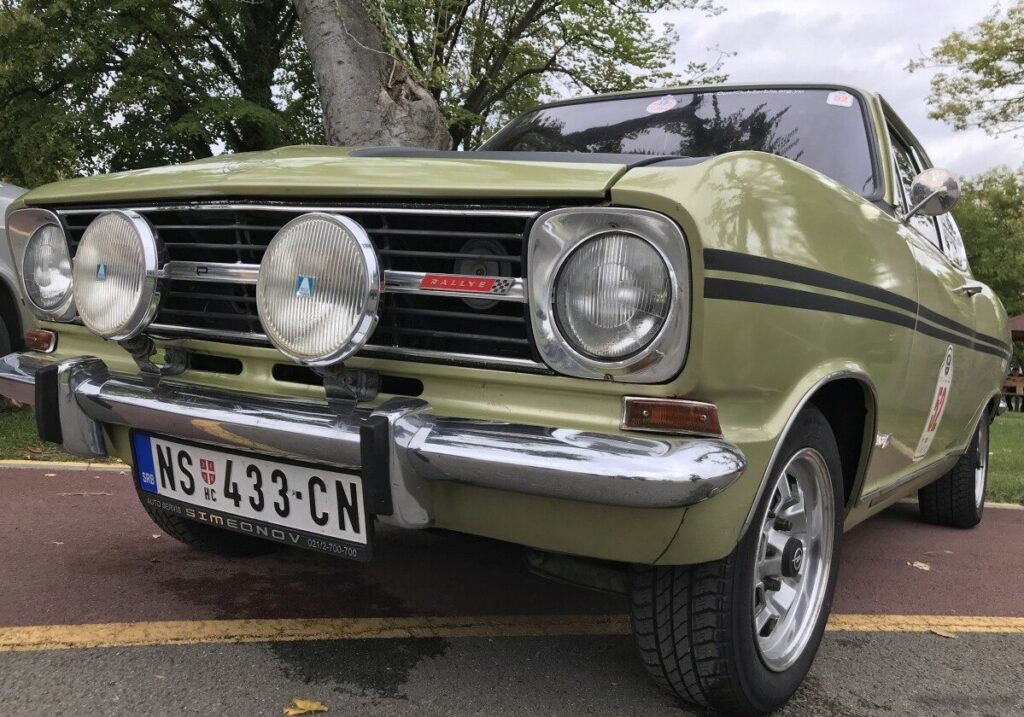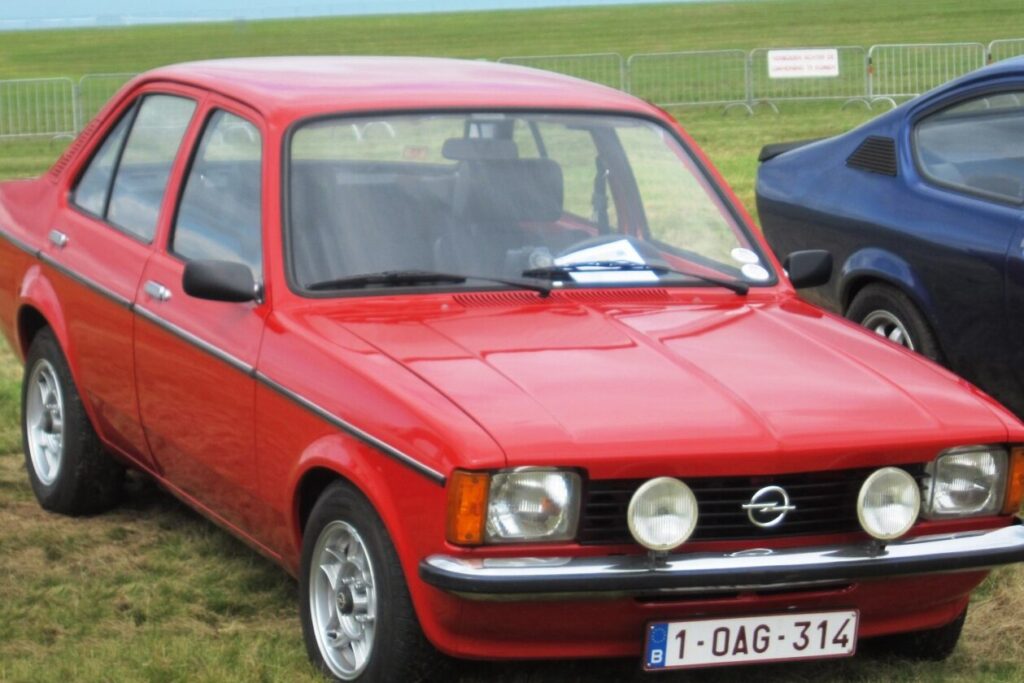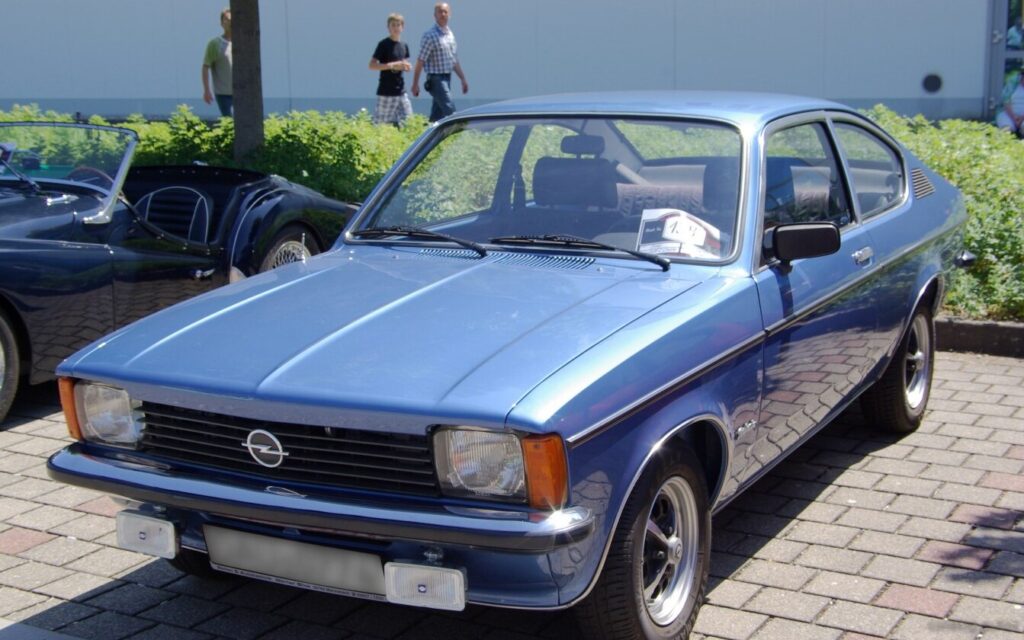
The Opel Kadett C Coupe 1.6 S, produced between 1977 and 1979, represented a sporting variant within the broader Kadett C range. The Kadett C, launched in 1972, was a significant model for Opel, aiming to provide affordable and practical transportation for the European market. The Coupe body style, introduced later in the C’s lifecycle, offered a more stylish alternative to the sedan and wagon versions. The 1.6 S trim, with its 75 horsepower engine, positioned itself as an entry-level performance option, appealing to buyers seeking a bit more excitement than the standard Kadett offered. It was a popular choice for younger drivers and those looking for a reasonably economical and engaging driving experience.
Technical Specifications
| Brand | Opel |
| Model | Kadett |
| Generation | Kadett C Coupe |
| Type (Engine) | 1.6 S (75 Hp) |
| Start of production | 1977 |
| End of production | 1979 |
| Powertrain Architecture | Internal Combustion engine |
| Body type | Coupe |
| Seats | 5 |
| Doors | 2 |
| Fuel Type | Petrol (Gasoline) |
| Acceleration 0 – 100 km/h | 13 sec |
| Acceleration 0 – 62 mph | 13 sec |
| Acceleration 0 – 60 mph | 12.4 sec |
| Maximum speed | 160 km/h (99.42 mph) |
| Weight-to-power ratio | 11.9 kg/Hp, 84.3 Hp/tonne |
| Weight-to-torque ratio | 7.9 kg/Nm, 127 Nm/tonne |
| Power | 75 Hp @ 5200 rpm |
| Power per litre | 47.3 Hp/l |
| Torque | 113 Nm @ 3800-4200 rpm (83.34 lb.-ft. @ 3800-4200 rpm) |
| Engine layout | Front, Longitudinal |
| Engine Model/Code | 16S |
| Engine displacement | 1584 cm3 (96.66 cu. in.) |
| Number of cylinders | 4 |
| Engine configuration | Inline |
| Cylinder Bore | 85 mm (3.35 in.) |
| Piston Stroke | 69.8 mm (2.75 in.) |
| Compression ratio | 8.8:1 |
| Number of valves per cylinder | 2 |
| Fuel injection system | Carburettor |
| Engine aspiration | Naturally aspirated engine |
| Valvetrain | SOHC |
| Engine oil capacity | 3.8 l (4.02 US qt | 3.34 UK qt) |
| Coolant | 6.6 l (6.97 US qt | 5.81 UK qt) |
| Kerb Weight | 890 kg (1962.11 lbs.) |
| Max. weight | 1270 kg (2799.87 lbs.) |
| Max load | 380 kg (837.76 lbs.) |
| Fuel tank capacity | 43 l (11.36 US gal | 9.46 UK gal) |
| Length | 4127 mm (162.48 in.) |
| Width | 1580 mm (62.2 in.) |
| Height | 1340 mm (52.76 in.) |
| Wheelbase | 2395 mm (94.29 in.) |
| Front track | 1300 mm (51.18 in.) |
| Rear (Back) track | 1299 mm (51.14 in.) |
| Minimum turning circle | 9.2 m (30.18 ft.) |
| Drivetrain Architecture | Rear wheel drive |
| Drive wheel | Rear wheel drive |
| Number of gears | 4 gears, manual transmission |
| Front brakes | Disc |
| Rear brakes | Drum |
Powertrain & Engine Architecture
The heart of the Kadett C Coupe 1.6 S was the 16S engine, a 1.6-liter inline-four cylinder unit. This engine utilized a single overhead camshaft (SOHC) valvetrain and was fed by a carburetor, a common setup for the era. The 1584cc displacement was achieved with a bore of 85mm and a stroke of 69.8mm. The 8.8:1 compression ratio was a compromise between performance and the fuel quality available at the time. While not a particularly sophisticated engine by modern standards, the 16S was known for its relative durability and ease of maintenance. The engine was mounted longitudinally in the front of the vehicle, driving the rear wheels. The four-speed manual transmission was the only gearbox option available with this engine, providing a direct and engaging driving experience.
Driving Characteristics
The 1.6 S offered a noticeable step up in performance compared to the base Kadett models. The 75 horsepower output, while modest by today’s standards, provided adequate acceleration for the time, achieving 0-60 mph in around 12.4 seconds. The rear-wheel-drive layout contributed to a balanced feel, although the relatively narrow track width could lead to some body roll in corners. The four-speed manual transmission had gear ratios geared towards providing reasonable acceleration and fuel economy. Compared to the later 1.6-liter engines with fuel injection, the carbureted 1.6 S felt less responsive and required more careful throttle control. It wasn’t a sports car, but it offered a fun and engaging driving experience for its price point.
Equipment & Trim Levels
The 1.6 S trim level included a few sporty touches compared to the base Kadett Coupe. Standard features typically included upgraded cloth upholstery, a sporty steering wheel, and a more comprehensive instrument cluster. Optional extras included a sunroof, upgraded audio systems, and different wheel covers. The interior was functional and relatively basic, reflecting the Kadett’s focus on affordability. The dashboard layout was straightforward, with clearly marked gauges and controls. The 1.6 S didn’t offer the luxury features found in more expensive cars, but it provided a comfortable and practical interior for everyday use.
Chassis & Braking
The Kadett C Coupe utilized a relatively simple chassis design. It featured a MacPherson strut front suspension and a rigid axle rear suspension. The front suspension provided decent handling, while the rear suspension was more focused on ride comfort. The 1.6 S typically came equipped with disc brakes on the front wheels and drum brakes on the rear. The braking system was adequate for the car’s weight and performance, but it lacked the stopping power of more modern braking systems. Stabilizer bars were often included to reduce body roll during cornering, enhancing the car’s handling characteristics.
Market Reception & Comparison
The Kadett C Coupe 1.6 S was generally well-received by automotive critics as an affordable and enjoyable coupe. It was praised for its sporty styling, engaging driving experience, and reasonable fuel economy. Compared to other coupes in its class, such as the Ford Capri, the Kadett C Coupe offered a more practical and economical alternative. The 1.6 S was often compared to the base Kadett models, with critics noting the significant improvement in performance and driving enjoyment. However, some reviewers criticized the carbureted engine for its lack of responsiveness and the relatively basic interior.
Legacy
The Opel Kadett C Coupe 1.6 S remains a popular classic car among enthusiasts today. The 16S engine is known for its durability and relative simplicity, making it a relatively easy engine to maintain and repair. Parts availability is generally good, although some specific components can be difficult to find. The Kadett C Coupe 1.6 S is often seen as a good entry point into the world of classic European cars, offering a combination of style, performance, and affordability. Well-maintained examples are becoming increasingly collectible, and the car continues to be enjoyed by enthusiasts around the world. The Kadett C, and the 1.6 S variant, played a significant role in establishing Opel as a major player in the European automotive market.