
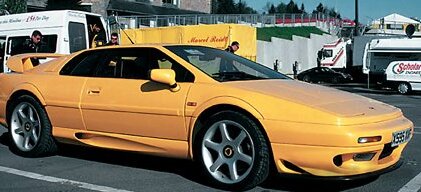
The Lotus Esprit 2.2 S3, produced from 1980 to 1988, represents a significant evolution of the iconic Esprit model line. Falling within the third generation (S3) of the Esprit, this variant aimed to refine the already striking design and improve usability without sacrificing the core Lotus principles of lightweight construction and exceptional handling. It served as a crucial bridge between the earlier, more raw S1 and S2 models and the later, more technologically advanced iterations of the Esprit. The 2.2 S3 was positioned as the mainstream Esprit, offering a balance of performance and relative comfort, making it the most commonly produced version of the S3 generation.
Technical Specifications
| Brand | Lotus |
| Model | Esprit |
| Generation | Esprit |
| Type (Engine) | 2.2 S3 (162 Hp) |
| Start of production | 1980 |
| End of production | 1988 |
| Powertrain Architecture | Internal Combustion engine |
| Body type | Coupe |
| Fuel Type | Petrol (Gasoline) |
| Power | 162 Hp |
| Engine Model/Code | Lotus 912 |
| Engine aspiration | Naturally aspirated engine |
| Engine oil capacity | 6.5 l (6.87 US qt | 5.72 UK qt) |
| Coolant capacity | 8.5 l (8.98 US qt | 7.48 UK qt) |
Powertrain & Engine Architecture
The heart of the Esprit 2.2 S3 is the Lotus 912 engine, a 2.2-liter, naturally aspirated, inline-four cylinder powerplant. This engine represented a significant upgrade from the 2.0-liter unit found in the S2, offering increased displacement and subsequently, more power and torque. The 912 featured a cast iron block and an aluminum cylinder head, a common configuration for Lotus engines of the period. It utilized a single overhead camshaft (SOHC) design operating two valves per cylinder. Fuel delivery was managed by a Bosch K-Jetronic mechanical fuel injection system, a sophisticated system for its time that provided precise fuel metering. While not as advanced as later electronic fuel injection systems, the K-Jetronic system was known for its reliability and ability to deliver consistent performance. The engine produced 162 horsepower at 5500 rpm and approximately 148 lb-ft of torque at 4200 rpm. The engine was typically paired with a five-speed manual transmission, but a three-speed automatic transmission was also offered, though less common. The automatic transmission, while providing ease of use, did noticeably impact the car’s acceleration and overall driving experience.
Driving Characteristics
The Esprit 2.2 S3, particularly in manual form, offered a truly engaging driving experience. The lightweight chassis, a hallmark of Lotus design, contributed to exceptional handling and responsiveness. The steering was unassisted, providing direct and communicative feedback to the driver. The 2.2-liter engine provided ample power for spirited driving, allowing the Esprit to accelerate from 0 to 60 mph in around 6.8 seconds. The automatic transmission version, however, saw this figure increase to around 8.5 seconds. The automatic, while smoother in everyday driving, lacked the immediacy and control of the manual gearbox. Gear ratios were spaced to provide a balance between acceleration and cruising ability. The suspension, featuring independent double wishbones all around, provided a firm but compliant ride, effectively managing body roll and maintaining grip in corners. Braking performance was adequate, with ventilated discs at the front and solid discs at the rear providing sufficient stopping power.
Equipment & Trim Levels
The Esprit 2.2 S3 was relatively well-equipped for a sports car of its era, though luxury was not its primary focus. Standard features included leather seats, power windows, and a basic stereo system. The interior design was functional and driver-focused, with a minimalist dashboard layout. Optional extras included air conditioning, a sunroof, and upgraded stereo systems. Interior upholstery was typically leather, available in a range of colors. The dashboard was constructed from a combination of plastic and wood veneer. The S3 also saw improvements in interior trim quality compared to earlier Esprit models, addressing some of the criticisms leveled at the earlier cars.
Chassis & Braking
The Esprit 2.2 S3 utilized a backbone chassis, a design pioneered by Lotus founder Colin Chapman. This construction method provided a high degree of rigidity while minimizing weight. The chassis was constructed from steel, and the body panels were made from fiberglass, further contributing to the car’s lightweight nature. The suspension system consisted of independent double wishbones with coil springs and anti-roll bars at both the front and rear. The braking system featured ventilated discs at the front and solid discs at the rear. The braking system was not power-assisted, requiring a firm pedal effort. The car’s relatively low weight helped to offset the lack of power assistance, providing adequate stopping power for most driving situations.
Market Reception & Comparison
The Esprit 2.2 S3 was generally well-received by automotive critics. It was praised for its handling, performance, and striking design. However, some critics noted the relatively basic interior and the somewhat temperamental nature of the Bosch K-Jetronic fuel injection system. Compared to other sports cars of the era, such as the Porsche 911, the Esprit offered a more raw and visceral driving experience. The 911, while more expensive, offered greater practicality and a more refined interior. Within the Esprit lineup, the 2.2 S3 represented a sweet spot, offering a significant performance upgrade over the earlier 2.0-liter models without the added cost and complexity of the later turbocharged versions. Fuel economy was reasonable for a sports car of its time, averaging around 18-22 mpg.
Legacy
The Lotus Esprit 2.2 S3 remains a highly sought-after classic sports car. The Lotus 912 engine, while not without its quirks, is generally considered to be a reliable unit when properly maintained. However, the Bosch K-Jetronic fuel injection system can require specialized knowledge to diagnose and repair. The fiberglass body panels are susceptible to damage and require careful repair. Today, well-maintained examples of the Esprit 2.2 S3 command significant prices in the used car market. The car’s enduring appeal lies in its combination of striking design, exceptional handling, and the unique Lotus driving experience. It represents a pivotal moment in Lotus history, bridging the gap between the classic era and the more modern era of the brand. The 2.2 S3 is often considered the most accessible and usable of the classic Esprit models, making it a popular choice for enthusiasts and collectors alike.
