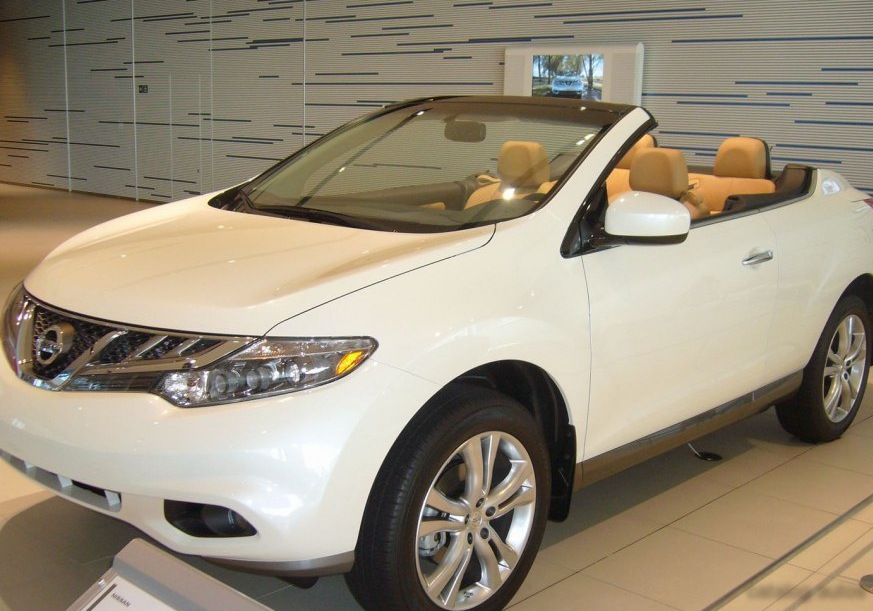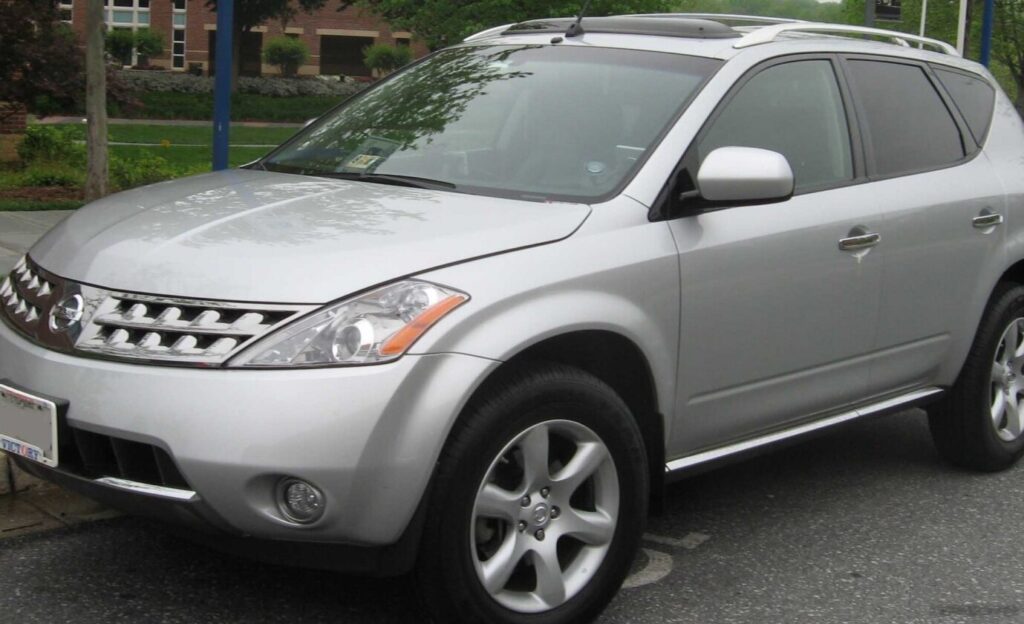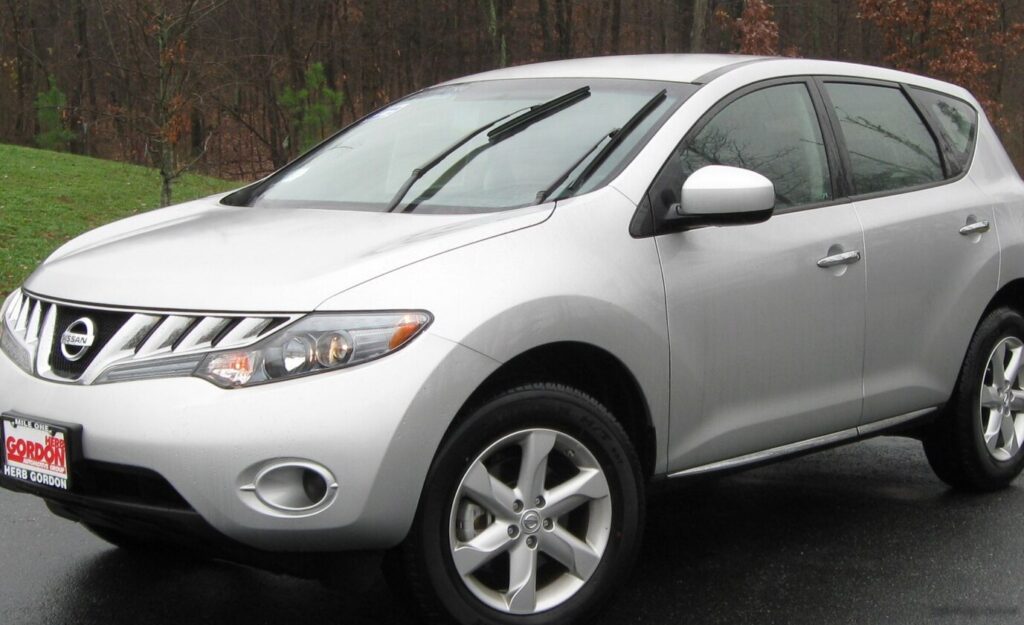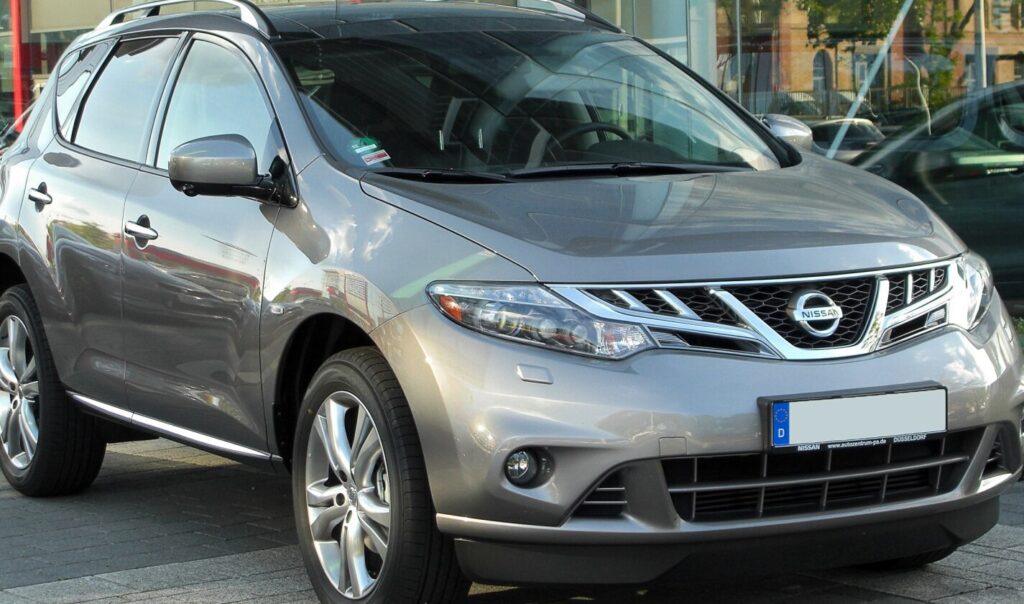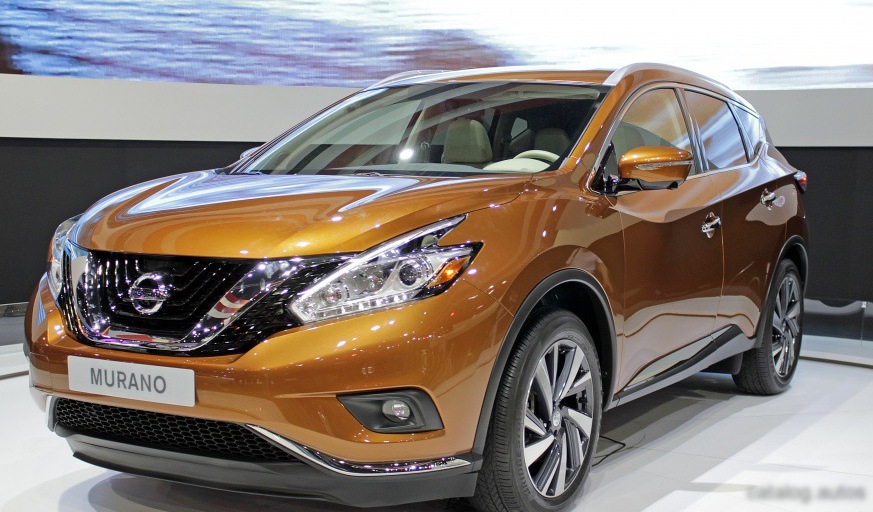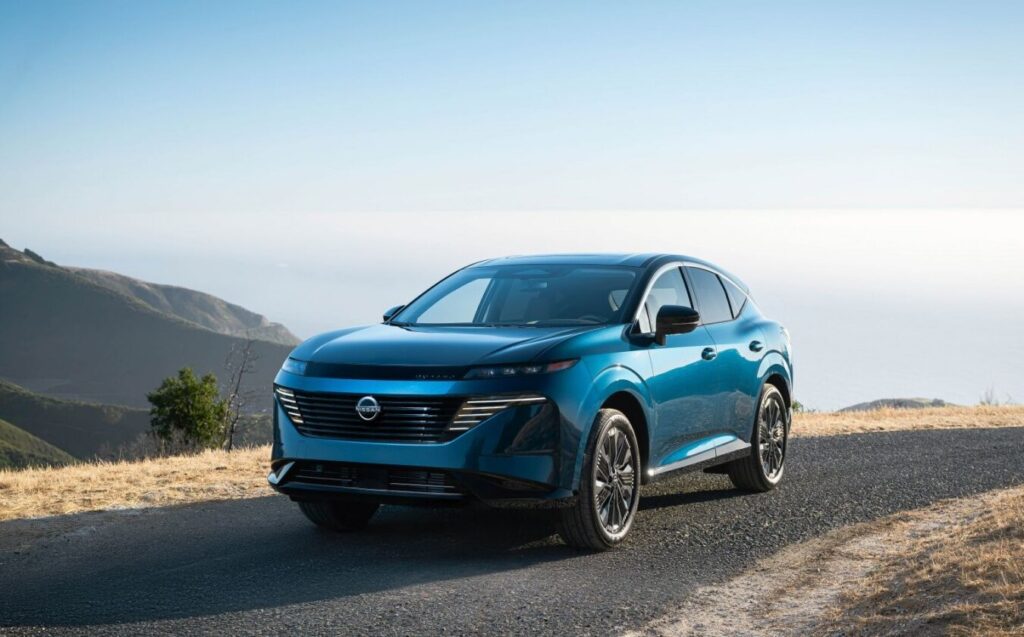
The Nissan Murano IV (Z53), launched in October 2024, represents the fourth generation of Nissan’s mid-size crossover SUV. Positioned as a premium offering within the Nissan lineup, the Z53 Murano aims to blend comfort, technology, and a refined driving experience. This particular variant, the 2.0 VC-Turbo with All-Wheel Drive and an automatic transmission, serves as a key engine option, offering a balance between performance and fuel efficiency. It occupies a mid-range position within the Z53 lineup, offering more power than base engine options while remaining more accessible than potential future high-performance trims. The Murano competes with vehicles like the Honda Passport, Hyundai Santa Fe, and Toyota Venza in the North American market.
Technical Specifications
| Brand | Nissan |
| Model | Murano |
| Generation | Murano IV (Z53) |
| Type (Engine) | 2.0 VC-Turbo (241 Hp) AWD Automatic |
| Start of production | October, 2024 |
| Powertrain Architecture | Internal Combustion engine |
| Body type | SUV |
| Seats | 5 |
| Doors | 5 |
| Fuel consumption (economy) – urban (EPA) | 10.2 l/100 km (23.1 US mpg, 27.7 UK mpg, 9.8 km/l) |
| Fuel consumption (economy) – extra urban (EPA) | 9.8 l/100 km (24 US mpg, 28.8 UK mpg, 10.2 km/l) |
| Fuel consumption (economy) – combined (EPA) | 10.2 l/100 km (23.1 US mpg, 27.7 UK mpg, 9.8 km/l) |
| Fuel Type | Petrol (Gasoline) |
| Emission standard | LEV3-ULEV50 |
| Weight-to-power ratio | 8.1 kg/Hp, 122.9 Hp/tonne |
| Weight-to-torque ratio | 5.6 kg/Nm, 180 Nm/tonne |
| Power | 241 Hp @ 5600 rpm |
| Power per litre | 120.7 Hp/l |
| Torque | 353 Nm @ 4400 rpm (260.36 lb.-ft. @ 4400 rpm) |
| Maximum engine speed | 6000 rpm |
| Engine layout | Front, Transverse |
| Engine Model/Code | KR20DDET |
| Engine displacement | 1997 cm3 (121.86 cu. in.) |
| Number of cylinders | 4 |
| Engine configuration | Inline |
| Cylinder Bore | 84 mm (3.31 in.) |
| Piston Stroke | 90.1 mm (3.55 in.) |
| Compression ratio | 14:1 |
| Number of valves per cylinder | 4 |
| Fuel injection system | Direct injection and Multi-port manifold injection |
| Engine aspiration | Twin-scroll turbo, Intercooler |
| Valvetrain | DOHC, VTCS |
| Kerb Weight | 1961-2013 kg (4323.26 – 4437.91 lbs.) |
| Max. weight | 2540 kg (5599.74 lbs.) |
| Max load | 527-579 kg (1161.84 – 1276.48 lbs.) |
| Trunk (boot) space – minimum | 932 l (32.91 cu. ft.) |
| Trunk (boot) space – maximum | 1798 l (63.5 cu. ft.) |
| Fuel tank capacity | 71 l (18.76 US gal, 15.62 UK gal) |
| Permitted trailer load with brakes (12%) | 680 kg (1499.14 lbs.) |
| Length | 4900 mm (192.91 in.) |
| Width | 1981 mm (77.99 in.) |
| Height | 1725 mm (67.91 in.) |
| Wheelbase | 2824 mm (111.18 in.) |
| Front track | 1694 mm (66.69 in.) |
| Rear (Back) track | 1694 mm (66.69 in.) |
| Ride height (ground clearance) | 211 mm (8.31 in.) |
| Drag coefficient (Cd) | 0.34 |
| Approach angle | 17.4° |
| Departure angle | 23.8° |
| Ramp-over (brakeover) angle | 17.4° |
| Drivetrain Architecture | The Internal combustion engine (ICE) drives the front wheels permanently, and the rear wheels are driven through an electrically or mechanically operated clutch if necessary. |
| Drive wheel | All wheel drive (4×4) |
| Number of gears and type of gearbox | 9 gears, automatic transmission |
| Front suspension | Independent, type McPherson with coil spring and anti-roll bar |
| Rear suspension | Independent multi-link spring suspension with stabilizer |
| Front brakes | Ventilated discs, 350×30 mm |
| Rear brakes | Ventilated discs, 330×16 mm |
| Assisting systems | ABS (Anti-lock braking system) |
| Steering type | Steering rack and pinion |
| Power steering | Electric Steering |
| Tires size | 255/55 R20; 255/50 R21 |
| Wheel rims size | 20; 21 |
Powertrain & Engine Architecture
The heart of this Murano variant is the KR20DDET, a 2.0-liter inline-four cylinder engine featuring Nissan’s Variable Compression-Ratio (VC-Turbo) technology. This innovative system allows the engine to seamlessly adjust its compression ratio between 8:1 and 14:1, optimizing for both power and efficiency depending on driving conditions. The engine employs direct injection combined with multi-port fuel injection to ensure precise fuel delivery. A twin-scroll turbocharger with an intercooler further enhances performance by minimizing turbo lag and maximizing boost. The engine is paired with a Jatco-sourced nine-speed automatic transmission, designed for smooth and efficient gear changes. This transmission is crucial for managing the engine’s torque output and delivering a comfortable driving experience.
Driving Characteristics
The 2.0 VC-Turbo engine delivers a respectable 241 horsepower and 353 lb-ft of torque, providing adequate acceleration for everyday driving and highway merging. While not a sports-oriented engine, the VC-Turbo technology provides a noticeable improvement in responsiveness compared to traditional turbocharged engines. The nine-speed automatic transmission contributes to a smooth driving experience, although some drivers may find the shift points slightly conservative. Compared to potential higher-output engine options (if offered in later trims), this variant prioritizes fuel economy and refinement over outright performance. The all-wheel-drive system provides enhanced traction in various weather conditions, making it a practical choice for regions with inclement weather.
Equipment & Trim Levels
The 2.0 VC-Turbo AWD Automatic Murano typically comes standard with a comprehensive suite of features, including Nissan’s Safety Shield 360, which encompasses features like automatic emergency braking, blind-spot monitoring, and lane departure warning. Interior amenities generally include leather upholstery, heated front seats, a touchscreen infotainment system with Apple CarPlay and Android Auto compatibility, and a premium sound system. Higher trim levels add features such as a panoramic sunroof, ventilated front seats, and a more advanced driver-assistance suite. Optional extras often include premium paint colors and upgraded wheel designs.
Chassis & Braking
The Murano Z53 utilizes an independent McPherson strut suspension in the front and an independent multi-link suspension in the rear, providing a comfortable and controlled ride. Stabilizer bars are included on both axles to minimize body roll during cornering. The braking system consists of ventilated discs on all four wheels, with larger discs up front (350x30mm) compared to the rear (330x16mm). The inclusion of ABS (Anti-lock Braking System) is standard, enhancing braking performance and stability. The chassis is designed to balance ride comfort with handling precision, making it suitable for both city driving and highway cruising.
Market Reception & Comparison
Initial reviews of the 2024 Nissan Murano Z53 have been generally positive, with critics praising its comfortable ride, spacious interior, and advanced technology. The 2.0 VC-Turbo engine has been noted for its smooth power delivery and respectable fuel economy. Compared to other trims, this variant offers a good balance between performance and efficiency, making it an attractive option for buyers who prioritize both. Fuel economy figures are competitive within the mid-size SUV segment, and the VC-Turbo engine’s unique technology is a selling point for those seeking innovation. Reliability assessments are still emerging given the vehicle’s recent launch, but Nissan has a generally solid reputation for dependability.
Legacy
It is still early to assess the long-term reliability of the KR20DDET engine and the Jatco nine-speed automatic transmission. However, Nissan’s VC-Turbo technology represents a significant advancement in engine design, and its durability will be a key factor in the Murano’s long-term success. In the used car market, this variant is expected to hold its value well due to its combination of features, technology, and fuel efficiency. As with any modern vehicle, regular maintenance and adherence to Nissan’s recommended service intervals will be crucial for ensuring its longevity and reliability.