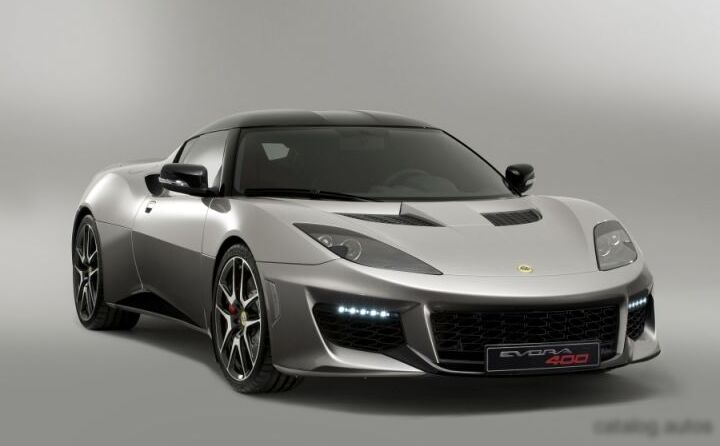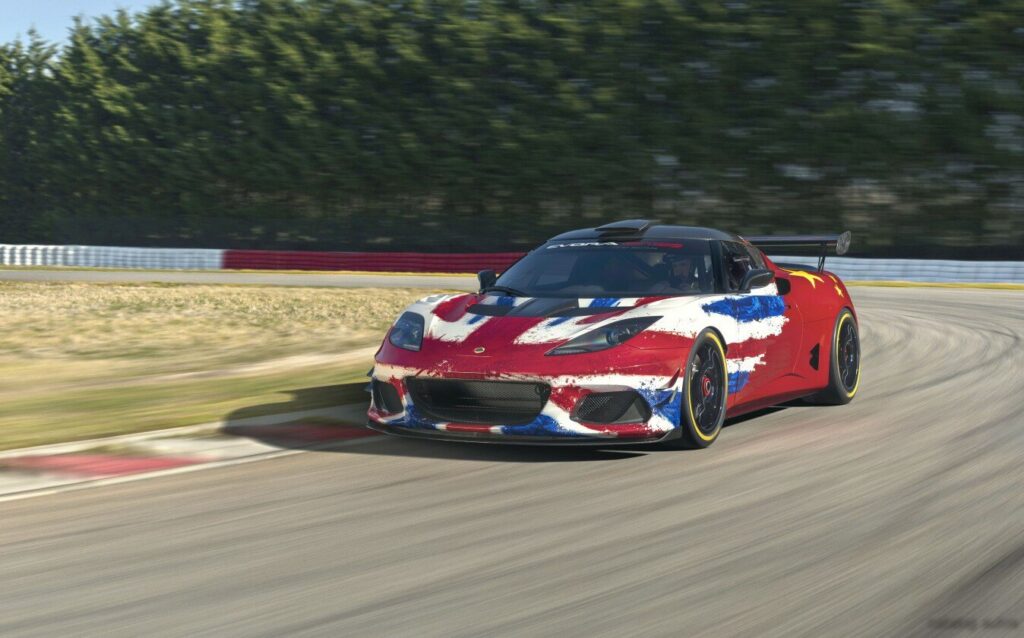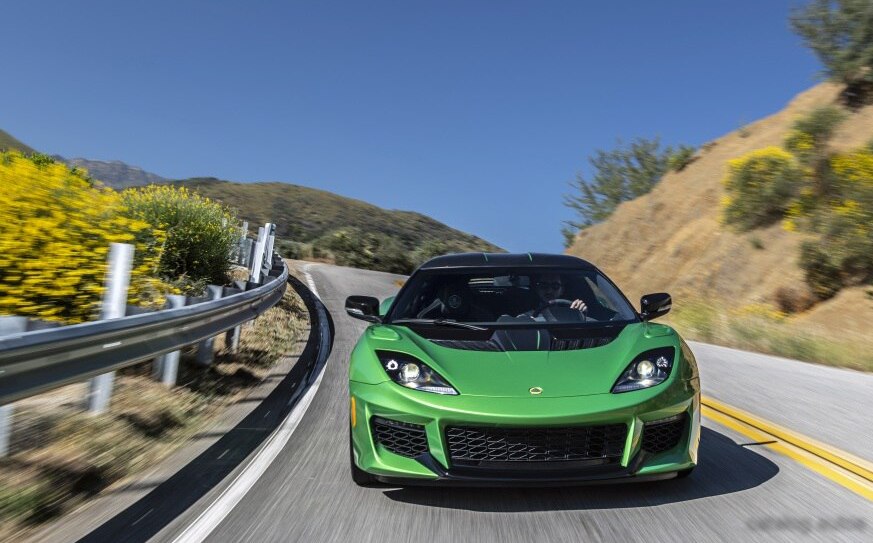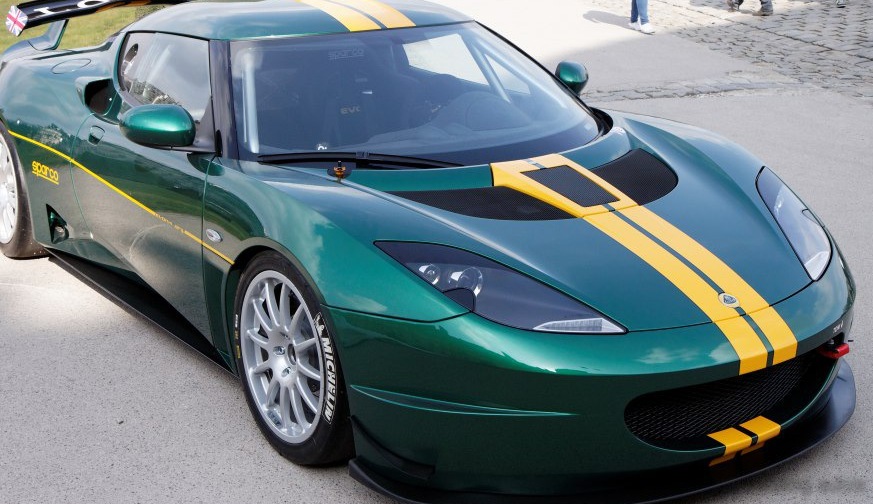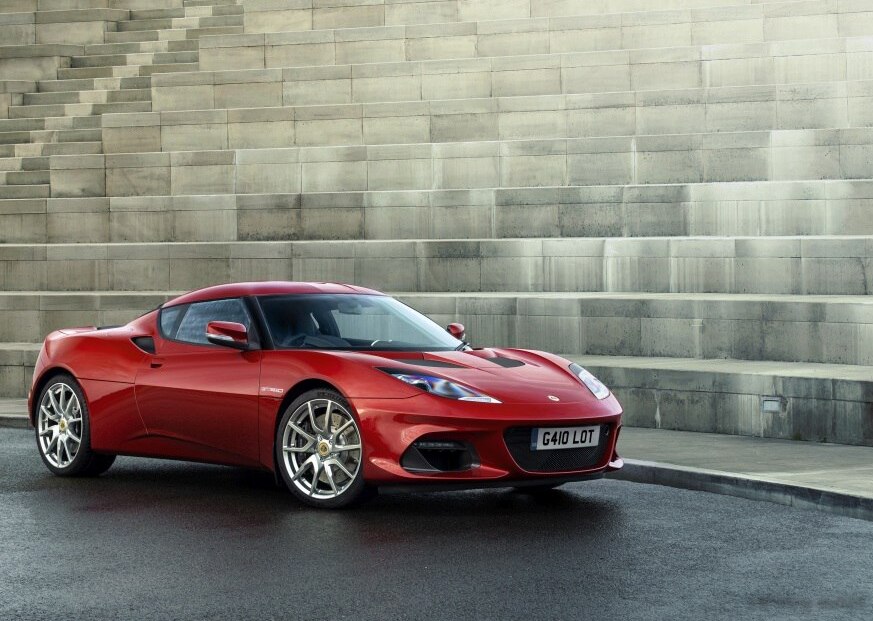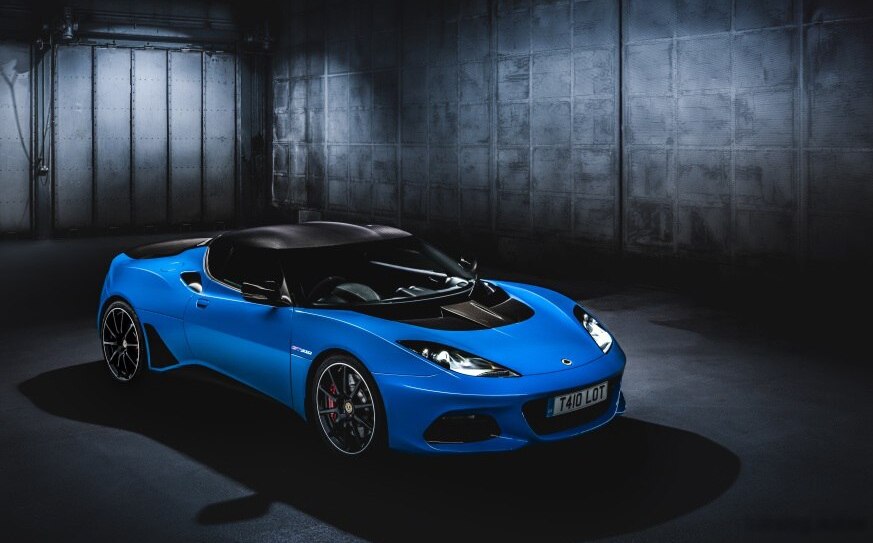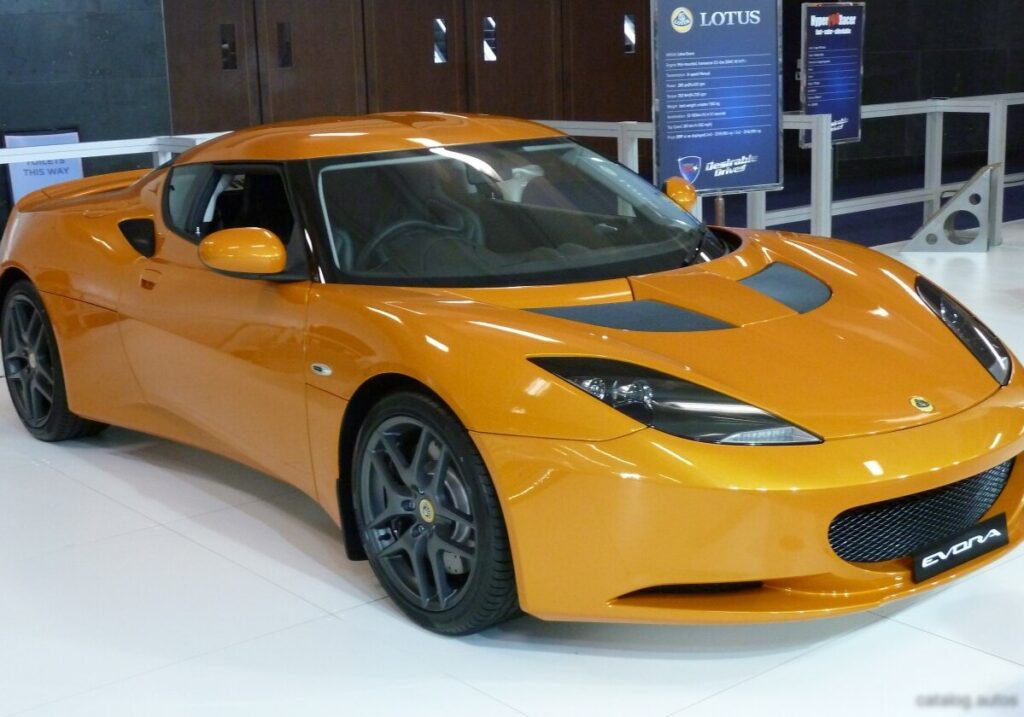
The Lotus Evora 3.5 V6, produced from 2009 to 2015, represents a pivotal moment for the British sports car manufacturer. Positioned as a more practical and accessible alternative to the Elise and Exige, the Evora aimed to broaden Lotus’s appeal without sacrificing the core driving experience. The 3.5 V6 variant, generating 280 horsepower, served as the mainstay of the Evora lineup during much of its production run, offering a balance between performance and usability. It was built on the Lotus Versatile Vehicle Architecture (LVVA) platform, intended to underpin a range of future Lotus models, though this ambition wasn’t fully realized. The Evora 3.5 V6 was primarily marketed in Europe, North America, and Asia, appealing to enthusiasts seeking a genuine sports car experience with a degree of everyday comfort.
Technical Specifications
| Brand | Lotus |
| Model | Evora |
| Generation | Evora |
| Type (Engine) | 3.5 V6 (280 Hp) |
| Start of production | 2009 |
| End of production | 2015 |
| Powertrain Architecture | Internal Combustion engine |
| Body type | Coupe |
| Seats | 2 |
| Doors | 2 |
| Fuel consumption (economy) – urban | 12.4 l/100 km (19 US mpg, 22.8 UK mpg, 8.1 km/l) |
| Fuel consumption (economy) – extra urban | 6.5 l/100 km (36.2 US mpg, 43.5 UK mpg, 15.4 km/l) |
| Fuel consumption (economy) – combined | 8.7 l/100 km (27 US mpg, 32.5 UK mpg, 11.5 km/l) |
| Fuel Type | Petrol (Gasoline) |
| Acceleration 0 – 100 km/h | 4.9 sec |
| Acceleration 0 – 62 mph | 4.9 sec |
| Acceleration 0 – 60 mph | 4.9 sec |
| Maximum speed | 261 km/h (162.18 mph) |
| Weight-to-power ratio | 4.9 kg/Hp, 202.6 Hp/tonne |
| Weight-to-torque ratio | 4 kg/Nm, 247.5 Nm/tonne |
| Power | 280 Hp @ 6400 rpm |
| Power per litre | 81 Hp/l |
| Torque | 342 Nm @ 4700 rpm (252.25 lb.-ft. @ 4700 rpm) |
| Engine layout | Middle, Transverse |
| Engine Model/Code | 2GR-FE |
| Engine displacement | 3456 cm3 (210.9 cu. in.) |
| Number of cylinders | 6 |
| Engine configuration | V-engine |
| Number of valves per cylinder | 4 |
| Fuel injection system | Multi-port manifold injection |
| Engine aspiration | Naturally aspirated engine |
| Valvetrain | DOHC |
| Engine oil capacity | 7.1 l (7.5 US qt, 6.25 UK qt) |
| Coolant | 17 l (17.96 US qt, 14.96 UK qt) |
| Kerb Weight | 1382 kg (3046.79 lbs) |
| Max. weight | 1782 kg (3928.64 lbs) |
| Max load | 400 kg (881.85 lbs) |
| Trunk (boot) space – minimum | 160 l (5.65 cu. ft) |
| Fuel tank capacity | 60 l (15.85 US gal, 13.2 UK gal) |
| Length | 4350 mm (171.26 in) |
| Width | 1848 mm (72.76 in) |
| Width including mirrors | 1972 mm (77.64 in) |
| Height | 1229 mm (48.39 in) |
| Wheelbase | 2575 mm (101.38 in) |
| Front track | 1564 mm (61.57 in) |
| Rear (Back) track | 1557 mm (61.3 in) |
| Ride height (ground clearance) | 125 mm (4.92 in) |
| Minimum turning circle (turning diameter) | 10.7 m (35.1 ft) |
| Approach angle | 11.5° |
| Departure angle | 22° |
| Drivetrain Architecture | Rear wheel drive |
| Drive wheel | Rear wheel drive |
| Number of gears and type of gearbox | 6 gears, manual transmission |
| Front suspension | Independent multi-link suspension |
| Rear suspension | Independent multi-link suspension |
| Front brakes | Ventilated discs |
| Rear brakes | Disc |
| Assisting systems | ABS (Anti-lock braking system) |
| Steering type | Steering rack and pinion |
| Tires size | 225/40 R18; 255/35 R19 |
| Wheel rims size | 8.0J x 18; 9.5J x 19 |
Powertrain & Engine Architecture
The heart of the Evora 3.5 V6 is the Toyota-sourced 2GR-FE engine. This 3.5-liter naturally aspirated V6 is renowned for its reliability and smooth power delivery. Lotus made modifications to the engine, including a revised engine management system and exhaust, to optimize it for the Evora’s mid-engine layout and driving characteristics. The 2GR-FE utilizes a multi-port fuel injection system and a double overhead camshaft (DOHC) valvetrain with four valves per cylinder. This configuration contributes to its responsive nature and willingness to rev. The engine produces 280 horsepower at 6400 rpm and 252 lb-ft of torque at 4700 rpm. The standard transmission for the 3.5 V6 was a six-speed manual, but a six-speed automatic transmission was also offered, though less common. The automatic transmission, while providing convenience, slightly impacted acceleration and fuel economy compared to the manual.
Driving Characteristics
The Evora 3.5 V6 delivers a distinctly engaging driving experience. The mid-engine layout provides excellent balance and handling, allowing for confident cornering and precise steering. The 280 hp engine provides ample power for spirited driving, with a 0-60 mph time of around 4.9 seconds. The manual transmission offers a direct and satisfying connection to the engine, while the automatic, though smoother, feels less involved. The suspension, featuring independent multi-link setups front and rear, is tuned for a balance between comfort and control. Compared to the supercharged Evora S, the 3.5 V6 offers a more linear power delivery, making it more accessible and predictable for everyday driving. However, it lacks the outright punch of the supercharged variant. The gear ratios in the manual transmission are well-matched to the engine’s powerband, providing strong acceleration in each gear.
Equipment & Trim Levels
The Evora 3.5 V6 was offered with a range of standard and optional equipment. Standard features typically included leather upholstery, air conditioning, power windows and locks, and a basic audio system. Optional extras included premium audio systems, navigation, heated seats, and various cosmetic enhancements. Trim levels varied depending on the market, but generally, the 3.5 V6 represented the entry point to the Evora range. Later models saw the introduction of more refined interior materials and additional technology features. The interior design, while functional, prioritized a driver-focused experience over lavish luxury.
Chassis & Braking
The Evora’s chassis is a bonded aluminum monocoque, providing a lightweight and rigid structure. This contributes significantly to the car’s handling prowess. The suspension utilizes independent multi-link setups at both the front and rear, optimized for both on-track performance and road comfort. Braking duties are handled by ventilated discs at the front and solid discs at the rear, equipped with an Anti-lock Braking System (ABS). The braking system provides ample stopping power for spirited driving, though some critics noted a slight lack of feel. The Evora’s relatively low weight, around 3047 lbs, further enhances its braking performance.
Market Reception & Comparison
The Evora 3.5 V6 was generally well-received by automotive critics. It was praised for its engaging driving dynamics, balanced handling, and comfortable ride. However, some criticisms were leveled at its relatively high price point compared to competitors like the Porsche Cayman. Compared to the Evora S, the 3.5 V6 offered a more affordable entry point into the Evora lineup, appealing to a broader range of buyers. Fuel economy was respectable for a sports car, averaging around 27 mpg combined. Reliability was generally good, benefiting from the Toyota-sourced engine, though Lotus’s build quality was sometimes questioned.
Legacy
The Lotus Evora 3.5 V6 remains a desirable sports car in the used car market. Its combination of performance, handling, and relative practicality has made it a favorite among enthusiasts. The Toyota 2GR-FE engine is known for its durability, making the Evora 3.5 V6 a relatively reliable choice. While the Evora platform didn’t achieve the widespread success Lotus had hoped for, the 3.5 V6 variant represents a significant chapter in the company’s history, bridging the gap between its traditional lightweight sports cars and a more modern, accessible offering. Well-maintained examples continue to command respectable prices, reflecting the enduring appeal of the Lotus driving experience.