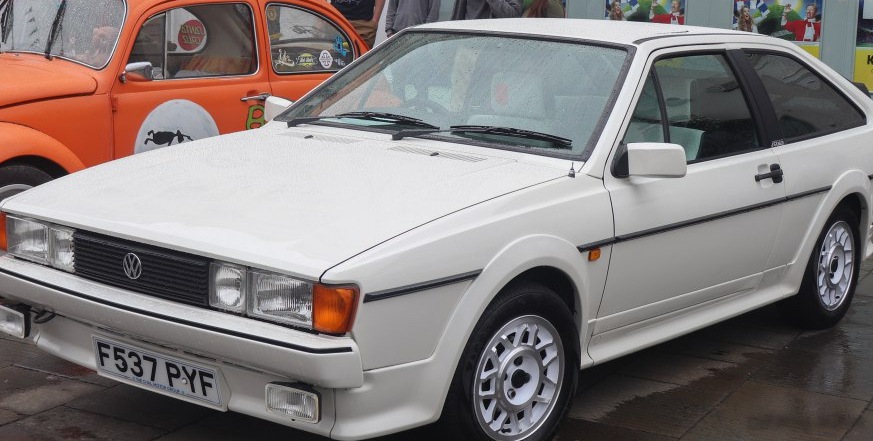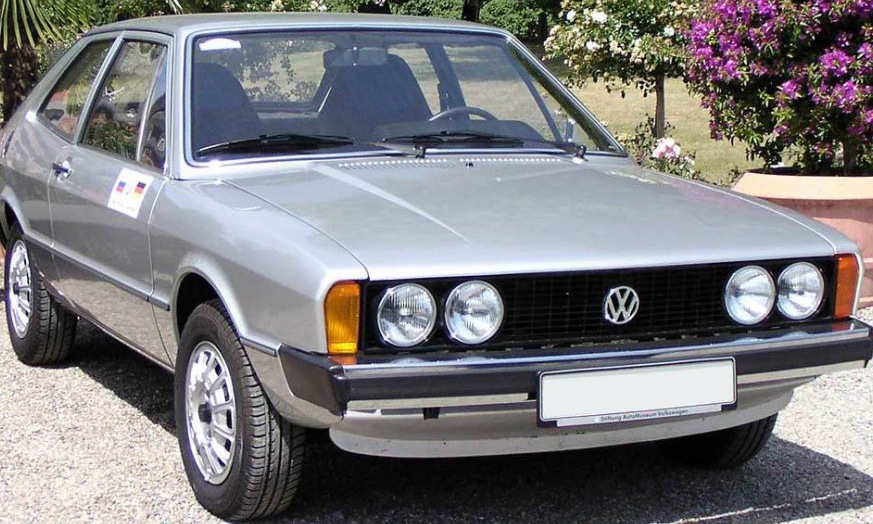
The Volkswagen Scirocco I 1.3, producing 60 horsepower, represents the entry point into the first generation Scirocco lineup, manufactured between 1979 and 1980. Positioned as an affordable and stylish coupe, it aimed to capture a segment of the market seeking a sporty appearance and reasonable fuel economy. This variant, designated internally with the engine code GF, played a crucial role in making the Scirocco accessible to a wider range of buyers, particularly in Europe where it was primarily sold. It was part of the 53 series update to the original Scirocco, which had debuted in 1974, and benefited from minor refinements over the earlier models.
Technical Specifications
| Brand | Volkswagen |
| Model | Scirocco |
| Generation | Scirocco I (53) |
| Type (Engine) | 1.3 (60 Hp) |
| Start of production | 1979 |
| End of production | 1980 |
| Powertrain Architecture | Internal Combustion engine |
| Body type | Coupe |
| Fuel Type | Petrol (Gasoline) |
| Power | 60 Hp |
| Engine Model/Code | GF |
| Engine aspiration | Naturally aspirated engine |
| Engine oil capacity | 3 l (3.17 US qt | 2.64 UK qt) |
Powertrain & Engine Architecture
The Scirocco 1.3 (60 hp) is powered by a 1297cc, inline four-cylinder engine bearing the Volkswagen internal code GF. This engine is a naturally aspirated, overhead valve (OHV) design. Fuel delivery is managed by a single, two-barrel Solex carburetor, a common setup for European vehicles of this era aiming for simplicity and cost-effectiveness. The engine features a relatively low compression ratio, contributing to its ability to run on lower octane fuel, which was a consideration in many European markets. The valvetrain utilizes a single camshaft operating the valves via pushrods and rocker arms.
The engine is mated to a four-speed manual transmission as standard, though a three-speed automatic transmission was also available, albeit less common. The automatic transmission was a simple hydraulic unit, prioritizing ease of use over performance. The drivetrain is front-wheel drive, a configuration becoming increasingly popular in the late 1970s for its packaging efficiency and improved traction in adverse conditions. The engine’s modest output translates to a relatively relaxed driving experience, prioritizing fuel economy over outright acceleration.
Driving Characteristics
The 1.3-liter engine in the Scirocco delivers a modest 60 horsepower, resulting in a 0-60 mph time of around 14-15 seconds. This performance is significantly slower than the more powerful 1.6-liter and GTI versions of the Scirocco. The automatic transmission, when equipped, further diminishes acceleration due to its less efficient power transfer and wider gear spacing. However, the engine is surprisingly tractable, offering adequate power for everyday driving and highway cruising, especially when the vehicle is lightly loaded. The gear ratios in the four-speed manual are reasonably well-spaced, allowing the driver to keep the engine in its optimal power band. The automatic transmission, with its three speeds, feels somewhat dated by modern standards, with noticeable shifts and a tendency to hunt for gears on inclines.
Handling is typical of front-wheel-drive cars of the period – safe and predictable, but lacking the sharpness of rear-wheel-drive alternatives. The Scirocco’s relatively light weight helps to mitigate some of the understeer inherent in the front-wheel-drive layout. The suspension, consisting of MacPherson struts at the front and a twist-beam rear axle, provides a comfortable ride, although it’s not particularly sporty.
Equipment & Trim Levels
The 1.3-liter Scirocco was generally considered the base model, and as such, came with a relatively sparse equipment list. Standard features typically included cloth upholstery, vinyl floor covering, and basic instrumentation consisting of a speedometer, fuel gauge, and temperature gauge. A two-spoke steering wheel was standard. Optional extras included a sunroof, upgraded stereo system, and more comfortable seats. The interior trim was typically finished in darker colors, reflecting the car’s more utilitarian focus.
The exterior trim was also fairly basic, with black plastic bumpers and relatively small steel wheels with hubcaps. Higher trim levels, such as the Scirocco LS or GL, offered more luxurious features like upgraded upholstery, alloy wheels, and additional chrome trim.
Chassis & Braking
The Scirocco I utilizes a monocoque chassis construction, providing a good balance of strength and weight. The front suspension features MacPherson struts with a stabilizer bar, while the rear suspension employs a torsion beam axle. This setup provides a comfortable ride, but isn’t particularly sophisticated.
Braking on the 1.3-liter Scirocco typically consisted of disc brakes at the front and drum brakes at the rear. This configuration was common for cars in this price range during the late 1970s. The braking system is hydraulically operated, providing adequate stopping power for normal driving conditions. However, the drum brakes at the rear can be prone to fading under heavy use.
Market Reception & Comparison
The Scirocco 1.3 was generally well-received as an affordable and stylish coupe. Critics praised its attractive design and reasonable fuel economy. However, the engine’s modest power output was often criticized, particularly when compared to the more powerful versions of the Scirocco. The automatic transmission was also seen as a detriment to performance.
Compared to its siblings, the 1.3-liter Scirocco offered the lowest price of entry into the Scirocco range. The 1.6-liter version provided a noticeable performance boost, while the GTI offered significantly more power and a sportier driving experience. The 1.3-liter model appealed to buyers who prioritized affordability and fuel economy over outright performance. It also found favor with drivers who preferred the convenience of an automatic transmission.
Legacy
The Volkswagen Scirocco I 1.3 (60 hp) is now considered a classic car, and well-maintained examples are sought after by enthusiasts. The GF engine, while not particularly powerful, is known for its reliability and relative simplicity. Parts availability is generally good, although some specific components may be difficult to find.
In the used car market, the 1.3-liter Scirocco typically commands a lower price than the more desirable 1.6-liter and GTI models. However, its affordability and classic styling make it an attractive option for those looking for a vintage coupe. The automatic transmission versions are less common and may appeal to collectors seeking a unique variant. The Scirocco I, in all its forms, remains a significant vehicle in Volkswagen’s history, representing a bold design statement and a successful attempt to capture a new segment of the market.