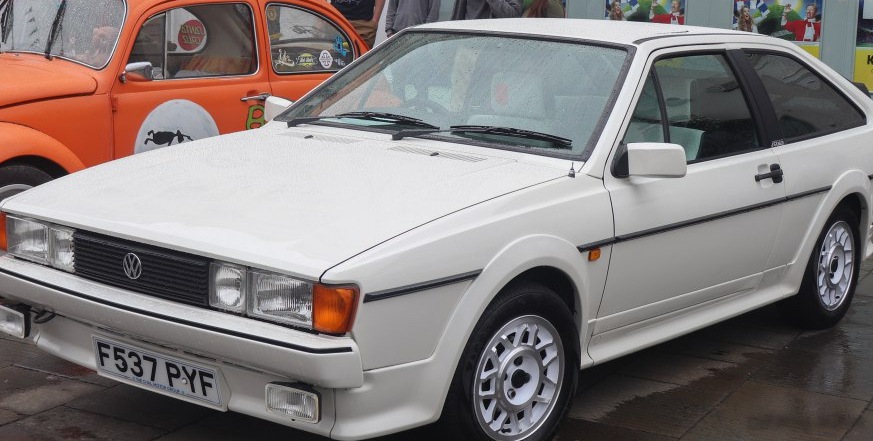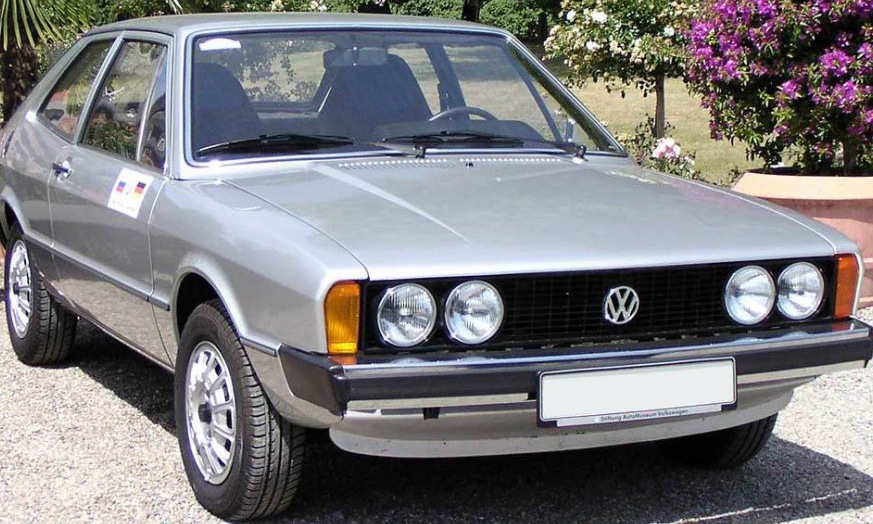
The Volkswagen Scirocco I, specifically the 1.5-liter (70 horsepower) variant produced between 1977 and 1980, represents an entry-level offering within the first generation of this iconic coupe. Positioned as a more affordable and fuel-conscious alternative to the higher-performance models, the 1.5 Scirocco aimed to broaden the car’s appeal in a European market increasingly sensitive to fuel prices. This model, internally designated with the engine code JB, played a significant role in establishing the Scirocco as a stylish and accessible sports coupe, competing with vehicles like the Ford Capri and Opel Manta. It was built on the Volkswagen Golf Mk1 platform (internally known as the A1 platform), sharing many mechanical components but offering a more visually distinctive and sporty profile.
Technical Specifications
| Brand | Volkswagen |
| Model | Scirocco |
| Generation | Scirocco I (53) |
| Type (Engine) | 1.5 (70 Hp) |
| Start of production | 1977 |
| End of production | 1980 |
| Powertrain Architecture | Internal Combustion engine |
| Body type | Coupe |
| Fuel Type | Petrol (Gasoline) |
| Power | 70 Hp |
| Engine Model/Code | JB |
| Engine aspiration | Naturally aspirated engine |
Powertrain & Engine Architecture
The heart of the 1.5 Scirocco is the JB engine, a 1455cc inline-four cylinder, naturally aspirated gasoline engine. This engine is a simple, robust design featuring a single overhead camshaft (SOHC) operating two valves per cylinder. Fuel delivery is managed by a single, down-draft carburetor – typically a Solex or Pierburg – rather than the fuel injection systems found on later, more powerful Scirocco variants. The carburetor setup, while less sophisticated, contributed to the engine’s relative simplicity and ease of maintenance. The engine produces 70 horsepower at 5,800 rpm and 98 lb-ft of torque at 3,300 rpm.
The transmission paired with the 1.5-liter engine is a four-speed manual gearbox, although a three-speed automatic transmission was also available, albeit less common. The automatic transmission, while offering convenience, noticeably impacted the car’s acceleration and fuel economy. The gearbox drives the front wheels, a configuration that was relatively novel for a coupe in the late 1970s. The engine block is cast iron, providing durability, while the cylinder head is aluminum, helping to reduce weight. The engine’s compression ratio is 8.5:1, requiring unleaded gasoline.
Driving Characteristics
The 1.5-liter Scirocco, particularly in its manual transmission form, offered a reasonably engaging driving experience for its time, but it was not a performance car by any stretch. Acceleration from 0 to 60 mph took around 12-13 seconds, and the top speed was approximately 95 mph. The engine felt relatively lively at higher revs, but lacked significant low-end torque, requiring frequent gear changes to maintain momentum, especially when climbing hills or overtaking. The automatic transmission version suffered from even slower acceleration and a less responsive feel. The Scirocco’s handling was generally considered good for a front-wheel-drive car, with relatively precise steering and a well-balanced chassis. However, the suspension, while comfortable, was not particularly sporty, resulting in some body roll during cornering. Compared to the later 1.6-liter and GTI models, the 1.5 felt noticeably underpowered, but it offered a more economical and relaxed driving experience.
Equipment & Trim Levels
The 1.5 Scirocco was typically equipped with basic, but functional, interior appointments. Standard features included cloth upholstery, vinyl door panels, and a simple dashboard layout. The seats were manually adjustable, and air conditioning was generally an optional extra. The instrument cluster featured a speedometer, fuel gauge, and temperature gauge. A basic AM/FM radio was often included, with cassette players available as an upgrade. The exterior trim was relatively understated, with black plastic bumpers and chrome window surrounds. Optional extras included a sunroof, upgraded stereo systems, and alloy wheels. The trim level was generally considered the base model, with fewer frills than the LS or GL variants.
Chassis & Braking
The Scirocco I utilized a MacPherson strut front suspension and a twist-beam rear suspension, a setup shared with the Golf Mk1. The front suspension incorporated stabilizer bar to reduce body roll. The braking system consisted of disc brakes on the front wheels and drum brakes on the rear wheels. The brakes were adequate for the car’s weight and performance, but lacked the stopping power of the larger brakes found on the GTI models. The steering was a rack-and-pinion system, providing precise and responsive steering feel. The car’s unladen weight was around 880-920 kg (1940-2030 lbs), depending on the specific equipment and options fitted.
Market Reception & Comparison
The 1.5 Scirocco was generally well-received as an affordable and stylish coupe. Critics praised its attractive design and relatively comfortable ride. However, the engine’s lack of power was a common criticism, particularly when compared to the more potent 1.6-liter and GTI models. Fuel economy was a strong point, averaging around 30-35 mpg in mixed driving conditions. In terms of reliability, the 1.5-liter engine proved to be quite durable, although the carburetor required periodic adjustment and maintenance. Compared to the 1.6-liter version, the 1.5 offered a lower purchase price but sacrificed performance. The GTI, with its fuel-injected engine and upgraded suspension, was a significantly more capable and desirable car, but also considerably more expensive.
Legacy
The 1.5 Scirocco, while not the most sought-after variant, holds a place in automotive history as a key part of the first-generation Scirocco’s success. Its affordability and fuel efficiency made it accessible to a wider range of buyers, helping to establish the Scirocco as a popular choice in the European coupe market. Today, the 1.5 Scirocco is a relatively rare sight, and well-maintained examples are becoming increasingly collectible. The JB engine, while simple, is known for its robustness and relatively easy maintenance, making these cars appealing to enthusiasts who enjoy working on classic vehicles. Parts availability can be a challenge, but many components are still available through specialist suppliers. The 1.5 Scirocco represents a charming and affordable entry point into the world of classic Volkswagen coupes, offering a nostalgic driving experience and a stylish design that has stood the test of time.