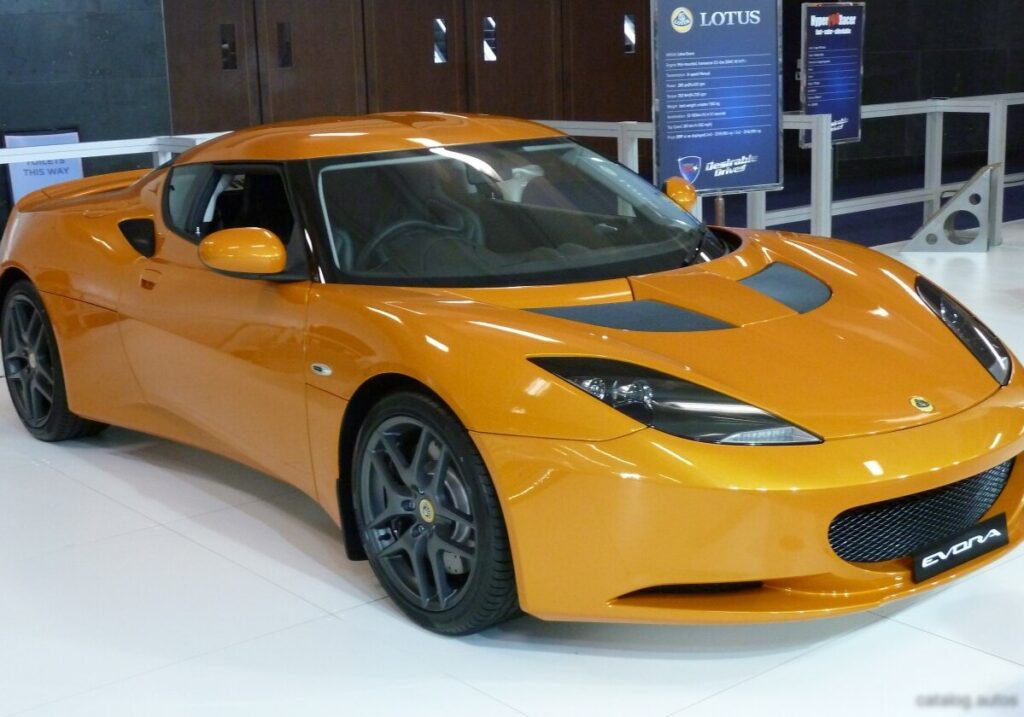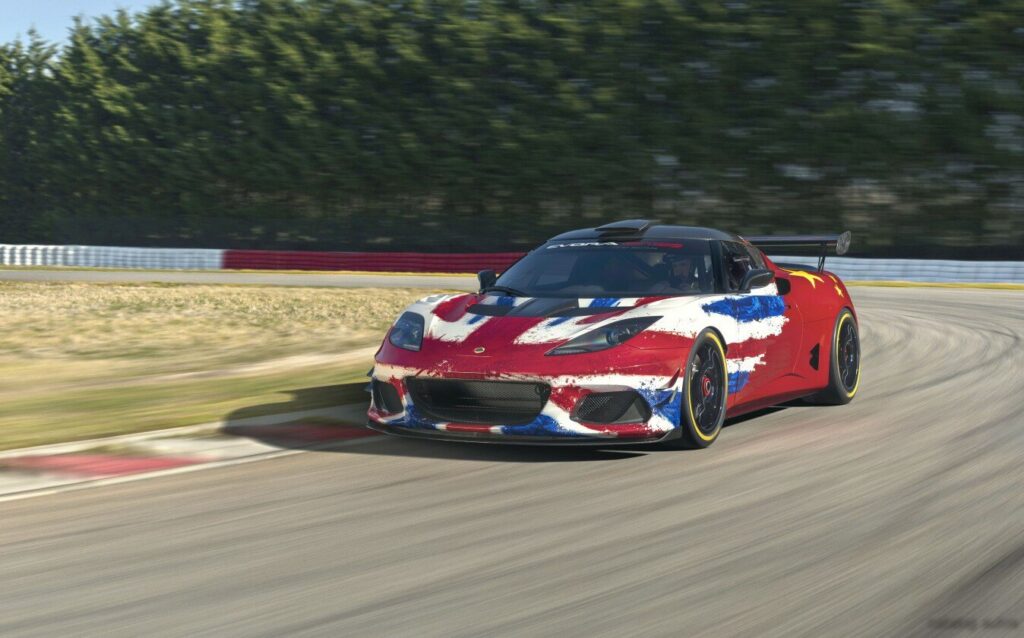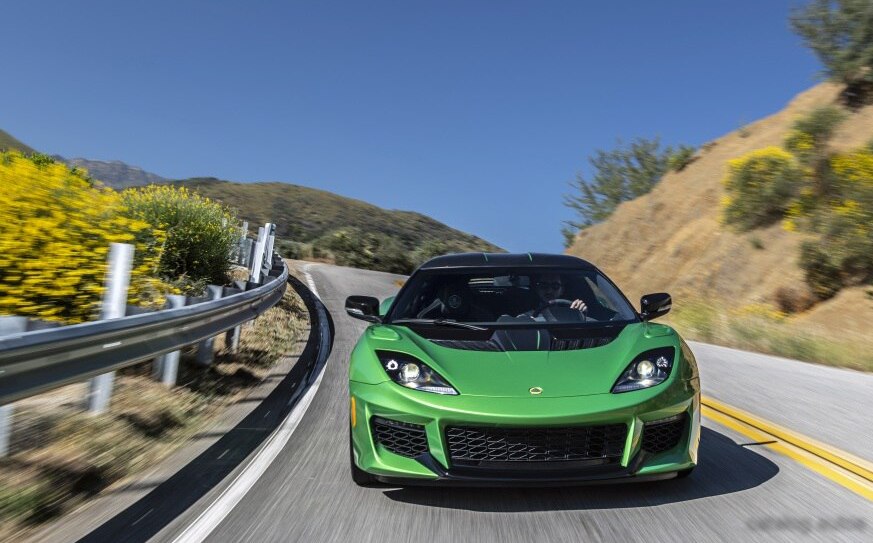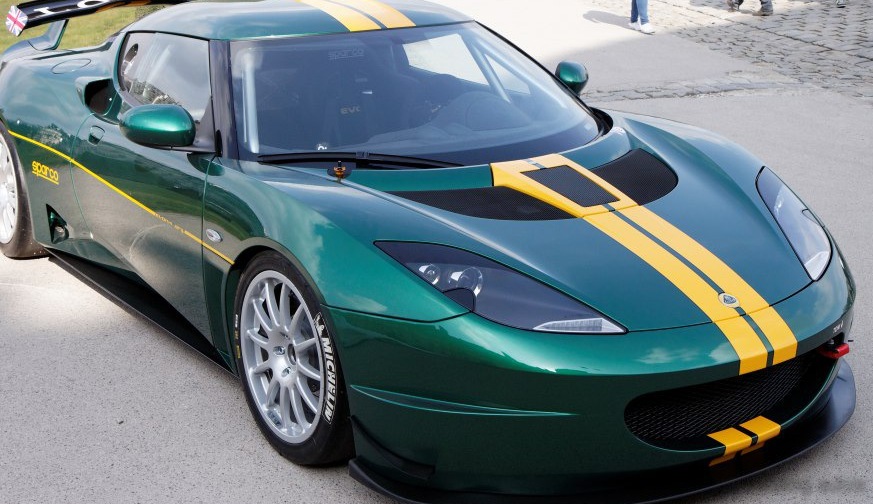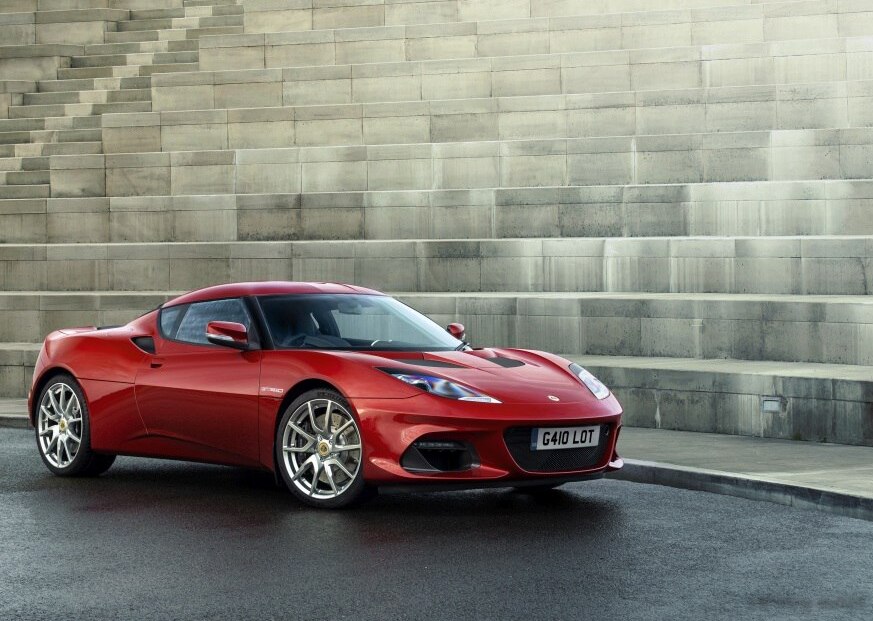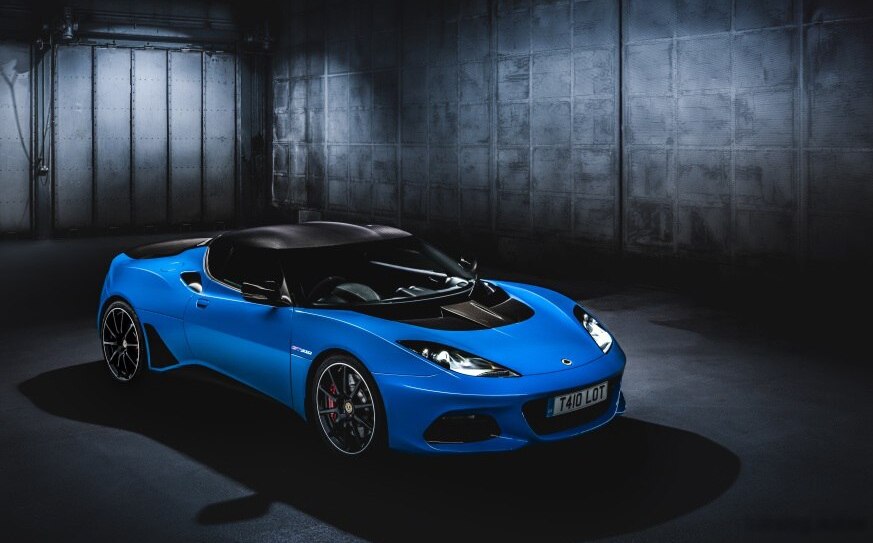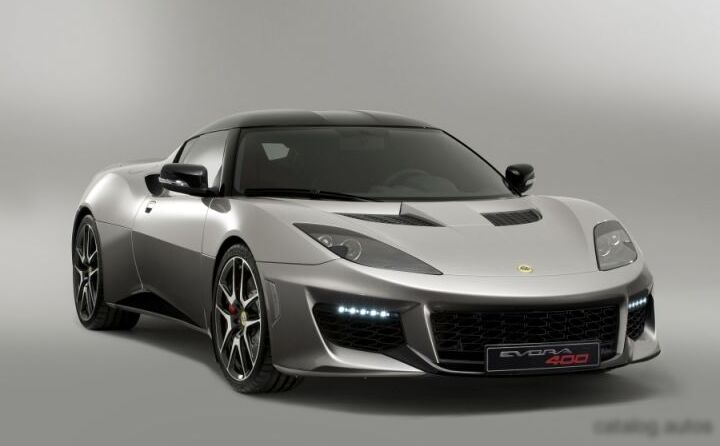
The Lotus Evora 400, introduced for the 2016 model year and produced through August 2018, represented a significant step forward for the Evora platform. Positioned as the performance leader within the second-generation Evora range (internally designated as the Evora 400), it aimed to deliver a more focused and engaging driving experience than the standard Evora. This variant featured a supercharged 3.5-liter V6 engine producing 406 horsepower, paired exclusively with a six-speed automatic transmission in the US market. The Evora 400 was Lotus’s attempt to bridge the gap between a pure sports car and a more usable, everyday vehicle, appealing to enthusiasts seeking both performance and a degree of comfort.
Technical Specifications
| Brand | Lotus |
| Model | Evora |
| Generation | Evora 400 |
| Type (Engine) | 3.5 V6 (406 Hp) Automatic |
| Start of production | 2015 |
| End of production | August, 2018 |
| Powertrain Architecture | Internal Combustion engine |
| Body type | Coupe |
| Seats | 4 |
| Doors | 2 |
| Fuel consumption (economy) – urban | 14.1 l/100 km (16.7 US mpg, 20 UK mpg, 7.1 km/l) |
| Fuel consumption (economy) – extra urban | 7.1 l/100 km (33.1 US mpg, 39.8 UK mpg, 14.1 km/l) |
| Fuel consumption (economy) – combined | 9.7 l/100 km (24.2 US mpg, 29.1 UK mpg, 10.3 km/l) |
| CO2 emissions | 225 g/km |
| Fuel Type | Petrol (Gasoline) |
| Acceleration 0 – 100 km/h | 4.2 sec |
| Acceleration 0 – 62 mph | 4.2 sec |
| Acceleration 0 – 60 mph | 4.1 sec |
| Maximum speed | 280 km/h (173.98 mph) |
| Weight-to-power ratio | 3.5 kg/Hp, 285.5 Hp/tonne |
| Weight-to-torque ratio | 3.5 kg/Nm, 288.3 Nm/tonne |
| Power | 406 Hp @ 7000 rpm |
| Power per litre | 117.5 Hp/l |
| Torque | 410 Nm @ 3500-6500 rpm (302.4 lb.-ft. @ 3500-6500 rpm) |
| Engine layout | Middle, Transverse |
| Engine Model/Code | 2GR-FE |
| Engine displacement | 3456 cm3 (210.9 cu. in.) |
| Number of cylinders | 6 |
| Engine configuration | V-engine |
| Cylinder Bore | 94 mm (3.7 in.) |
| Piston Stroke | 83 mm (3.27 in.) |
| Number of valves per cylinder | 4 |
| Fuel injection system | Multi-port manifold injection |
| Engine aspiration | Supercharger, Intercooler |
| Engine oil capacity | 5.75 l (6.08 US qt, 5.06 UK qt) |
| Coolant | 5.5 l (5.81 US qt, 4.84 UK qt) |
| Kerb Weight | 1422 kg (3134.97 lbs.) |
| Fuel tank capacity | 60 l (15.85 US gal, 13.2 UK gal) |
| Length | 4394 mm (172.99 in.) |
| Width | 1845 mm (72.64 in.) |
| Height | 1229 mm (48.39 in.) |
| Wheelbase | 2575 mm (101.38 in.) |
| Front track | 1564 mm (61.57 in.) |
| Rear (Back) track | 1575 mm (62.01 in.) |
| Drag coefficient (Cd) | 0.35 |
| Drivetrain Architecture | Rear wheel drive |
| Number of gears and type of gearbox | 6 gears, automatic transmission |
| Front suspension | Double wishbone |
| Rear suspension | Double wishbone |
| Front brakes | Ventilated discs |
| Rear brakes | Ventilated discs |
| Assisting systems | ABS (Anti-lock braking system) |
| Steering type | Steering rack and pinion |
| Tires size | 235/35 R19; 285/30 R20 |
| Wheel rims size | 19; 20 |
Powertrain & Engine Architecture
At the heart of the Evora 400 lies the Toyota-sourced 2GR-FE 3.5-liter V6 engine. This engine, already well-regarded for its reliability and performance, was significantly upgraded by Lotus with the addition of an Eaton supercharger and an intercooler. This forced induction system boosted power output to 406 horsepower and 410 Nm (302 lb-ft) of torque. The engine utilizes multi-port fuel injection and a dual overhead camshaft (DOHC) valvetrain with four valves per cylinder. The six-speed automatic transmission, sourced from Aisin, was specifically calibrated for the Evora 400 to provide smooth yet responsive shifts. While a manual transmission was available in other Evora 400 configurations, the automatic was the sole offering in the US market, aimed at broadening the car’s appeal.
Driving Characteristics
The Evora 400 Automatic delivers a distinctly different driving experience compared to its manual counterpart or the lower-powered Evora models. The automatic transmission, while offering convenience, slightly diminishes the raw engagement favored by purists. However, the transmission is well-programmed, providing quick and decisive shifts, especially in Sport mode. The supercharged V6 provides a broad torque curve, making the car feel responsive at almost any engine speed. Acceleration is brisk, with 0-60 mph times consistently around 4.1 seconds. The mid-engine layout contributes to excellent balance and handling, although the automatic transmission adds some weight compared to the manual, subtly affecting agility. The gear ratios are tuned for a balance between acceleration and highway cruising, making it a surprisingly comfortable grand tourer.
Equipment & Trim Levels
The Evora 400 came reasonably well-equipped as standard. Key features included leather and Alcantara upholstery, air conditioning, a premium audio system, and lightweight forged alloy wheels. Optional extras included a rear parking camera, upgraded sound systems, and various interior trim options. The interior design, while functional, prioritized a driver-focused experience over outright luxury. The dashboard layout is relatively simple, with clearly marked controls. The Evora 400 occupied the top-tier position in the Evora lineup, offering a more comprehensive package than the base Evora and the Evora S.
Chassis & Braking
The Evora 400 utilizes a lightweight aluminum chassis, a hallmark of Lotus engineering. The suspension consists of double wishbones at both the front and rear, providing excellent control and responsiveness. The car features ventilated disc brakes on all four wheels, providing ample stopping power. ABS (Anti-lock Braking System) is standard. The Evora 400 benefits from a revised suspension setup compared to earlier Evora models, with stiffer springs and dampers to better manage the increased power. The rear track is slightly wider, further enhancing stability.
Market Reception & Comparison
The Evora 400 was generally well-received by automotive critics. Praise was directed towards its impressive performance, engaging handling, and relatively comfortable ride. However, some reviewers noted the high price tag and the somewhat dated interior compared to rivals like the Porsche 911. Compared to the standard Evora, the 400 offered a significant performance upgrade, justifying the price premium for enthusiasts. Against the Evora S, the 400 provided even more power and a more focused driving experience. Fuel economy, at around 24.2 US mpg combined, was reasonable for a high-performance sports car.
Legacy
The Lotus Evora 400 represents a high point in the Evora’s development. The 2GR-FE engine, even in its supercharged form, has proven to be remarkably reliable, and the Aisin automatic transmission is known for its durability. On the used car market, the Evora 400 commands a premium over earlier Evora models, reflecting its increased performance and desirability. While maintenance costs can be higher than more mainstream sports cars due to the Lotus’s specialized nature, the Evora 400 remains a compelling option for enthusiasts seeking a unique and engaging driving experience. Its blend of performance, handling, and relative practicality has cemented its place as a modern classic.