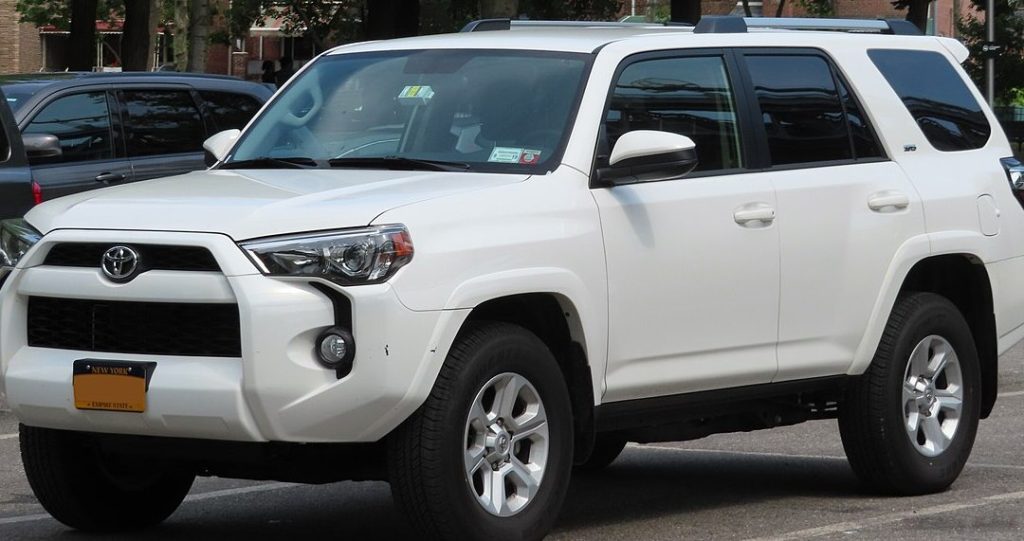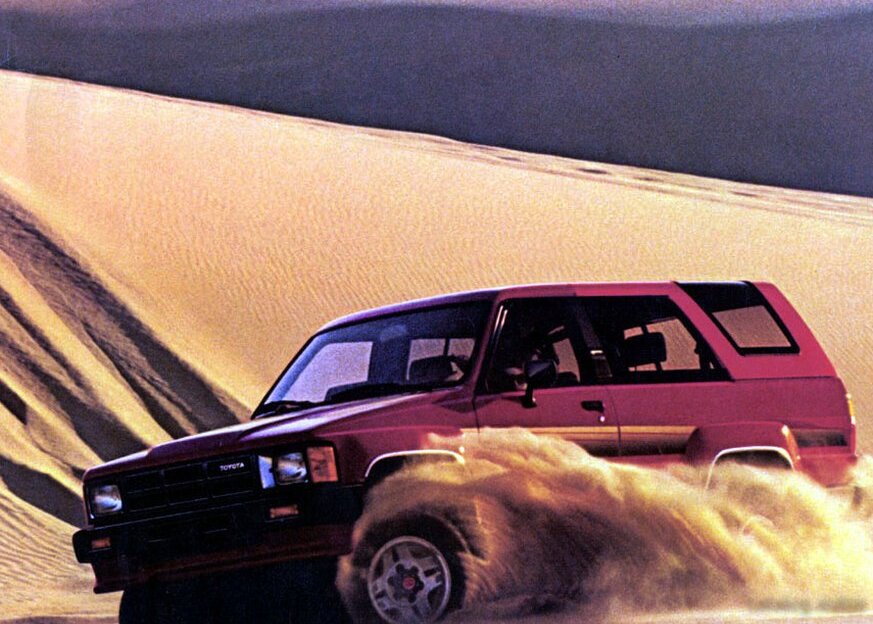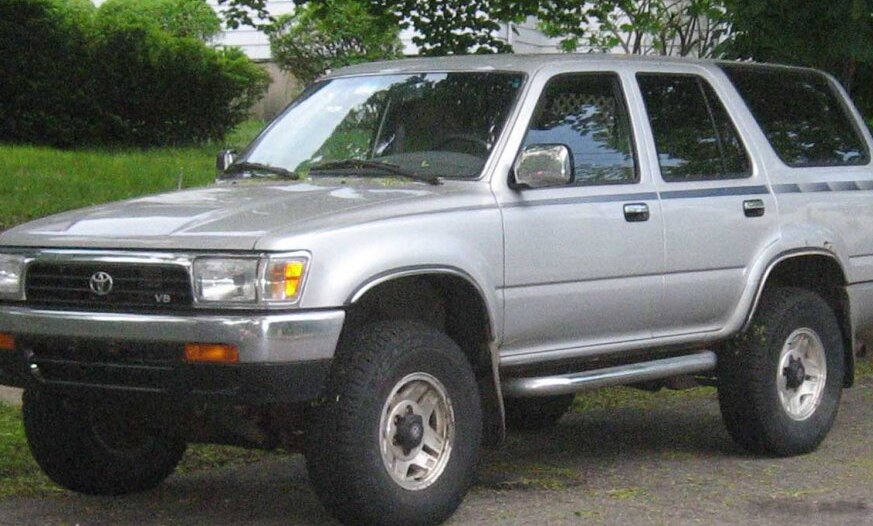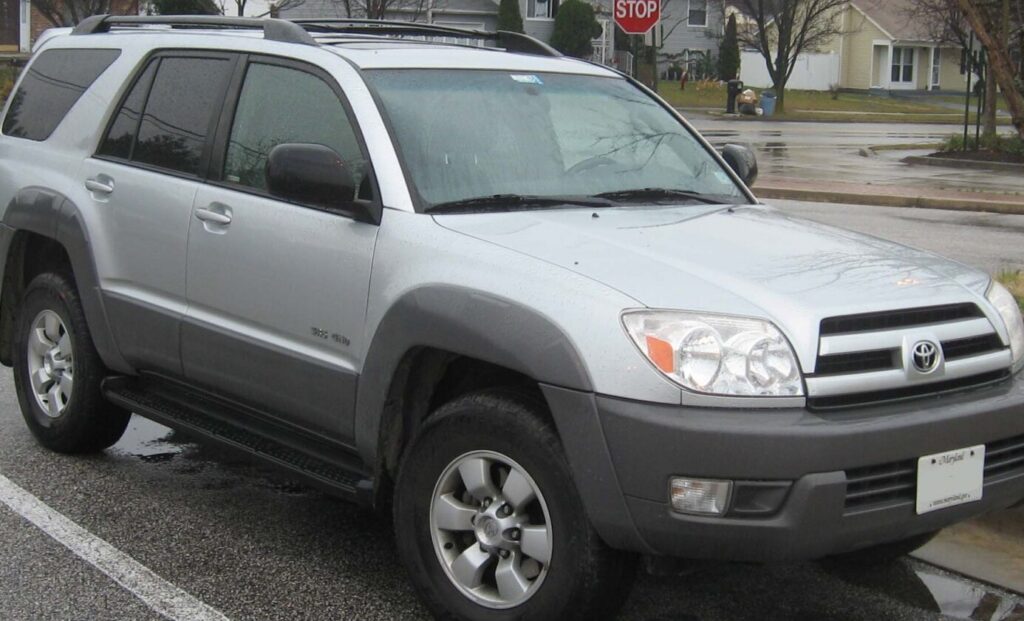
The Toyota 4Runner IV 4.0i V6 24V, produced primarily for the 2005 model year, represents a significant iteration in the long-running 4Runner series. Falling within the fourth generation (2003-2009) – internally designated as the J120 platform – this variant occupied a mid-to-upper position in the 4Runner lineup, offering a blend of off-road capability, on-road comfort, and a more powerful engine option. While the 4Runner has always been a popular SUV in North America, the fourth generation saw increased refinement and a move towards a more car-like driving experience, while still retaining its rugged reputation. This specific 4.0i V6 configuration, paired with a five-speed automatic transmission and four-wheel drive, was aimed at buyers seeking a capable and comfortable SUV for both daily driving and weekend adventures.
Technical Specifications
| Brand | Toyota |
| Model | 4Runner |
| Generation | 4Runner IV |
| Type (Engine) | 4.0i V6 24V (245 Hp) 4×4 Automatic |
| Start of production | 2005 |
| End of production | 2005 |
| Powertrain Architecture | Internal Combustion engine |
| Body type | SUV |
| Seats | 5 |
| Doors | 5 |
| Fuel consumption (urban) | 13.8 l/100 km (17 US mpg, 20.5 UK mpg) |
| Fuel consumption (extra urban) | 11.2 l/100 km (21 US mpg, 25.2 UK mpg) |
| Fuel Type | Petrol (Gasoline) |
| Weight-to-power ratio | 8 kg/Hp, 125.6 Hp/tonne |
| Weight-to-torque ratio | 5.1 kg/Nm, 195.9 Nm/tonne |
| Power | 245 Hp @ 5200 rpm |
| Power per litre | 61.9 Hp/l |
| Torque | 382 Nm @ 3800 rpm (281.75 lb.-ft. @ 3800 rpm) |
| Engine layout | Front, Longitudinal |
| Engine Model/Code | 1GR-FE |
| Engine displacement | 3955 cm3 (241.35 cu. in.) |
| Number of cylinders | 6 |
| Engine configuration | V-engine |
| Cylinder Bore | 94 mm (3.7 in.) |
| Piston Stroke | 95 mm (3.74 in.) |
| Compression ratio | 10:1 |
| Number of valves per cylinder | 4 |
| Fuel injection system | Multi-port manifold injection |
| Engine aspiration | Naturally aspirated engine |
| Valvetrain | DOHC, VVT-i |
| Engine oil capacity | 5.2 l (5.49 US qt | 4.58 UK qt) |
| Coolant capacity | 9.8 l (10.36 US qt | 8.62 UK qt) |
| Kerb Weight | 1950 kg (4299.01 lbs.) |
| Max. weight | 2531 kg (5579.9 lbs.) |
| Max load | 581 kg (1280.89 lbs.) |
| Trunk (boot) space – minimum | 1195 l (42.2 cu. ft.) |
| Trunk (boot) space – maximum | 2050 l (72.4 cu. ft.) |
| Fuel tank capacity | 87 l (22.98 US gal | 19.14 UK gal) |
| Permitted trailer load with brakes (12%) | 2268 kg (5000.08 lbs.) |
| Length | 4800 mm (188.98 in.) |
| Width | 1875 mm (73.82 in.) |
| Height | 1750 mm (68.9 in.) |
| Wheelbase | 2790 mm (109.84 in.) |
| Front track | 1575 mm (62.01 in.) |
| Rear (Back) track | 1575 mm (62.01 in.) |
| Ride height (ground clearance) | 231 mm (9.09 in.) |
| Minimum turning circle (turning diameter) | 11.1 m (36.42 ft.) |
| Approach angle | 32° |
| Departure angle | 24° |
| Ramp-over (brakeover) angle | 22° |
| Drive wheel | All wheel drive (4×4) |
| Number of gears and type of gearbox | 5 gears, automatic transmission |
| Front suspension | Double wishbone |
| Rear suspension | Independent multi-link suspension |
| Front brakes | Ventilated discs |
| Rear brakes | Ventilated discs |
| Assisting systems | ABS (Anti-lock braking system) |
| Steering type | Steering rack and pinion |
| Tires size | 265/70 R16; 265/65 R17 |
| Wheel rims size | 7.0J x 16; 7.5J x 17 |
Powertrain & Engine Architecture
The heart of the 4Runner 4.0i is the 1GR-FE 4.0-liter V6 engine. This engine is a naturally aspirated, 24-valve DOHC design featuring Toyota’s VVT-i (Variable Valve Timing-intelligent) technology. VVT-i optimizes valve timing based on engine speed and load, improving both performance and fuel efficiency. The 1GR-FE utilizes a multi-port fuel injection system, delivering fuel directly to each cylinder. The engine produces 245 horsepower at 5200 rpm and 281.75 lb-ft of torque at 3800 rpm. Paired with this engine is a five-speed automatic transmission, designed for smooth shifting and reliable operation. This transmission was chosen for its balance of responsiveness and ease of use, catering to a broader range of drivers. The drivetrain is a full-time four-wheel drive system, offering enhanced traction in various conditions.
Driving Characteristics
The 4.0i V6 automatic 4Runner delivers a noticeably more spirited driving experience compared to the base 2.7-liter four-cylinder models. While not a sports car, the V6 provides ample power for merging onto highways, passing other vehicles, and tackling moderate off-road terrain. The automatic transmission, while smooth, isn’t particularly quick to downshift, meaning drivers may need to anticipate passing maneuvers. The gear ratios are tuned for a balance of acceleration and fuel economy. Compared to the manual transmission versions of the 4.0i, the automatic sacrifices some driver engagement but gains convenience. The added weight of the automatic transmission and four-wheel drive system does slightly impact fuel economy compared to lighter trims.
Equipment & Trim Levels
The 4.0i V6 trim typically included features such as air conditioning, power windows and locks, a CD player, and cloth upholstery. Optional extras included a sunroof, leather upholstery, a premium sound system, and a navigation system. The 4Runner offered a relatively high level of standard equipment, even in its base form, making it a competitive offering in the mid-size SUV segment. Specific trim packages, like the SR5, added further refinements such as alloy wheels and upgraded interior trim.
Chassis & Braking
The 4Runner IV utilizes a body-on-frame construction, providing robust durability and off-road capability. The front suspension consists of a double wishbone setup, while the rear features an independent multi-link suspension. This configuration aims to provide a comfortable ride on paved roads while maintaining off-road articulation. Braking duties are handled by ventilated disc brakes on all four wheels, providing ample stopping power. An Anti-lock Braking System (ABS) is standard, enhancing safety during emergency braking situations.
Market Reception & Comparison
The 4Runner 4.0i V6 automatic was generally well-received by automotive critics. It was praised for its powerful engine, comfortable ride, and rugged build quality. However, some reviewers noted that the fuel economy was not particularly impressive, especially compared to newer crossover SUVs. Compared to the base 2.7-liter 4Runner, the 4.0i offered a significant performance upgrade, but at a higher price point. The 4.0i also provided a more refined experience than the more utilitarian trims, making it a popular choice for buyers who wanted a blend of capability and comfort.
Legacy
The 1GR-FE engine, in general, has proven to be a remarkably reliable powerplant. With proper maintenance, these engines can easily exceed 200,000 miles. The automatic transmission, while not immune to wear and tear, is also generally considered durable. Today, the 2005 Toyota 4Runner 4.0i V6 4×4 Automatic holds its value relatively well in the used car market, thanks to its reputation for reliability and its continued capability. It remains a popular choice for those seeking a dependable and capable SUV for both on- and off-road adventures. Parts availability is good, and the 4Runner’s simple, robust design makes it relatively easy to maintain and repair.