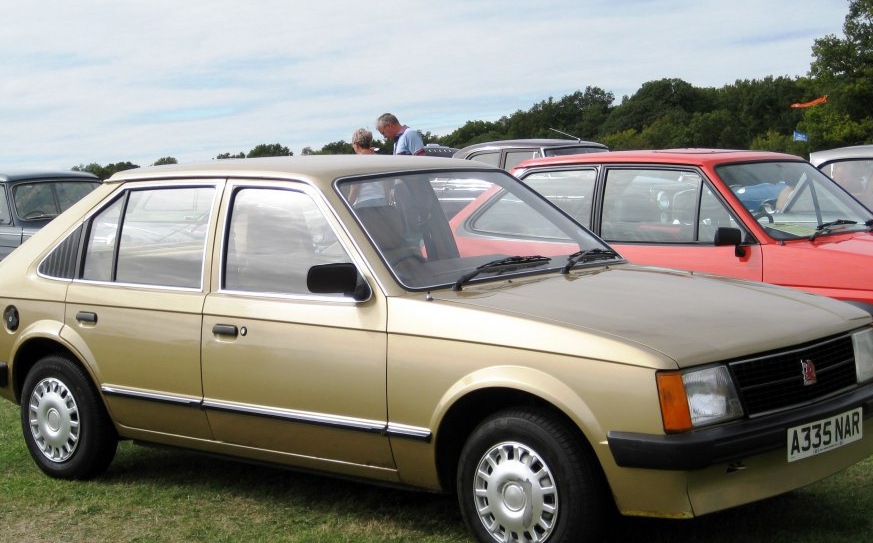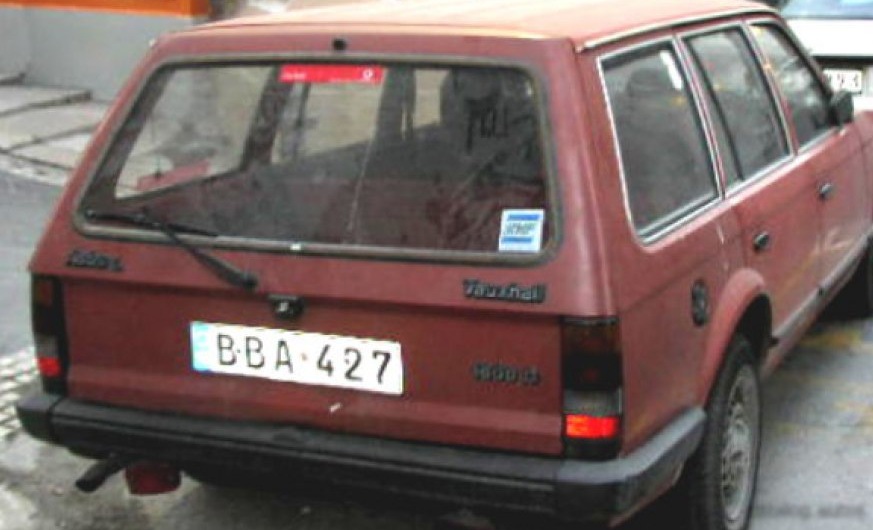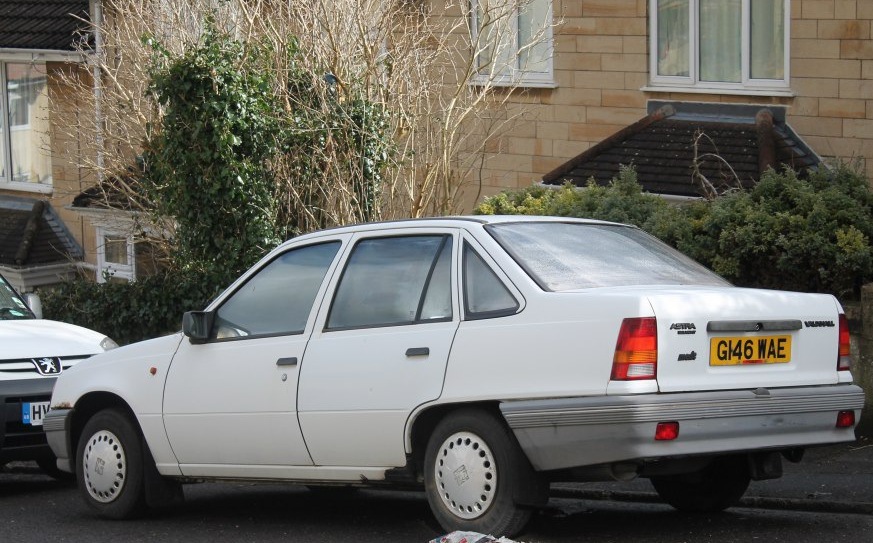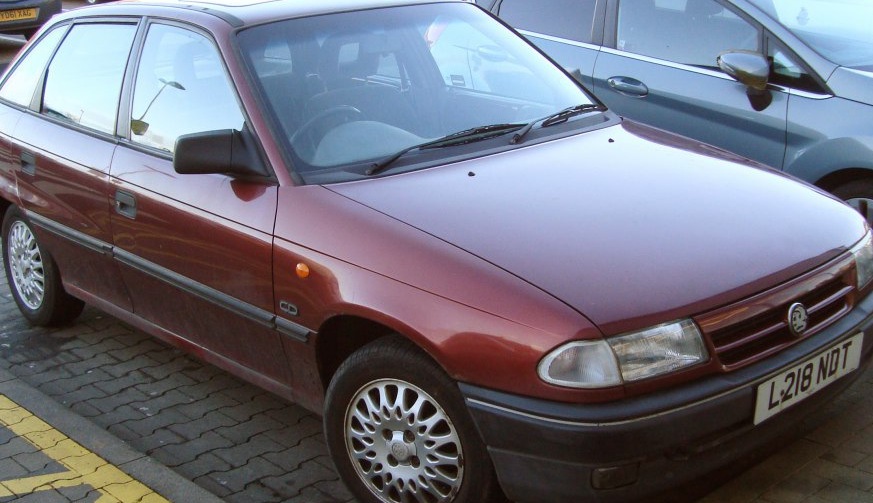
The Vauxhall Astra Mk III, produced between 1991 and 1994, represented a significant step forward for the British manufacturer, building upon the success of its predecessors. The 1.8i 16V variant, powered by the C18XE engine and typically paired with a five-speed manual transmission, occupied a middle ground in the Astra Mk III lineup, offering a balance between performance and affordability. This model was a common sight on British roads during the early 1990s, appealing to buyers seeking a practical and reasonably sporty hatchback. It was part of the broader ‘Astra F’ generation, internally designated as the 1HX0/A3 platform, which also included saloon and estate body styles.
Technical Specifications
| Brand | Vauxhall |
| Model | Astra |
| Generation | Astra Mk III CC |
| Type (Engine) | 1.8i 16V (125 Hp) |
| Start of production | 1991 |
| End of production | 1994 |
| Powertrain Architecture | Internal Combustion engine |
| Body type | Hatchback |
| Seats | 5 |
| Doors | 3-5 |
| Fuel consumption (combined) | 7.9 l/100 km |
| Fuel consumption (US mpg) | 29.8 US mpg |
| Fuel consumption (UK mpg) | 35.8 UK mpg |
| Fuel consumption (km/l) | 12.7 km/l |
| CO2 emissions | 188 g/km |
| Fuel Type | Petrol (Gasoline) |
| Acceleration 0 – 100 km/h | 9 sec |
| Acceleration 0 – 62 mph | 9 sec |
| Acceleration 0 – 60 mph | 8.6 sec |
| Maximum speed | 204 km/h (126.76 mph) |
| Weight-to-power ratio | 8.6 kg/Hp |
| Weight-to-torque ratio | 6.4 kg/Nm |
| Power | 125 Hp @ 5600 rpm |
| Power per litre | 69.5 Hp/l |
| Torque | 168 Nm @ 4800 rpm (123.91 lb.-ft. @ 4800 rpm) |
| Engine layout | Front, Transverse |
| Engine Model/Code | C18XE |
| Engine displacement | 1798 cm3 (109.72 cu. in.) |
| Number of cylinders | 4 |
| Engine configuration | Inline |
| Cylinder Bore | 84.8 mm (3.34 in.) |
| Piston Stroke | 79.5 mm (3.13 in.) |
| Compression ratio | 9.2:1 |
| Number of valves per cylinder | 2 |
| Fuel injection system | Multi-port manifold injection |
| Engine aspiration | Naturally aspirated engine |
| Engine oil capacity | 4 l (4.23 US qt | 3.52 UK qt) |
| Coolant capacity | 7 l (7.4 US qt | 6.16 UK qt) |
| Kerb Weight | 1080 kg (2380.99 lbs.) |
| Max. weight | 1595 kg (3516.37 lbs.) |
| Max load | 515 kg (1135.38 lbs.) |
| Trunk (boot) space – minimum | 360 l (12.71 cu. ft.) |
| Trunk (boot) space – maximum | 1201 l (42.41 cu. ft.) |
| Length | 4049 mm (159.41 in.) |
| Width | 1689 mm (66.5 in.) |
| Height | 1410 mm (55.51 in.) |
| Wheelbase | 2520 mm (99.21 in.) |
| Front track | 1420 mm (55.91 in.) |
| Rear (Back) track | 1420 mm (55.91 in.) |
| Ride height (ground clearance) | 135 mm (5.31 in.) |
| Drag coefficient (Cd) | 0.31 |
| Drivetrain Architecture | The Internal combustion engine (ICE) drives the front wheels of the vehicle. |
| Drive wheel | Front wheel drive |
| Number of gears and type of gearbox | 5 gears, manual transmission |
| Front brakes | Ventilated discs |
| Rear brakes | Disc |
| Tires size | 175/65 R14 |
| Wheel rims size | 14 |
Introduction
The Vauxhall Astra Mk III 1.8i 16V, produced from 1991 to 1994, was a key model in Vauxhall’s lineup during a period of increasing competition in the European small family car segment. It represented a significant evolution from the Mk II Astra, with improved aerodynamics, a more refined interior, and a wider range of engine options. The ‘CC’ designation denoted the coupe body style, although in practice, it was a three or five-door hatchback. The 1.8i 16V, powered by the C18XE engine, was positioned as a step up from the base 1.4 and 1.6-litre models, offering increased performance for drivers who desired a more engaging driving experience.
Powertrain & Engine Architecture
The heart of the Astra Mk III 1.8i 16V is the C18XE engine, an 1798cc inline-four cylinder unit. This engine is a naturally aspirated, multi-port fuel-injected unit, featuring two valves per cylinder. The ‘XE’ designation signifies a higher-performance variant of Vauxhall’s ‘E’ series engine family. The C18XE produced 125 horsepower at 5600 rpm and 168 Nm (124 lb-ft) of torque at 4800 rpm. The engine’s design emphasized smooth power delivery and reasonable fuel efficiency. The five-speed manual transmission was the most common pairing, offering precise shifts and contributing to the car’s overall responsiveness. The transmission’s gear ratios were tuned to maximize the engine’s torque, providing good acceleration in everyday driving situations.
Driving Characteristics
The Astra Mk III 1.8i 16V offered a noticeable improvement in performance compared to the lower-capacity models. Acceleration from 0 to 60 mph took around 8.6 seconds, and it could achieve a top speed of approximately 127 mph. While not a sports car, the 1.8i 16V provided ample power for overtaking and comfortable cruising on motorways. The manual transmission allowed for greater driver control, and the engine’s willingness to rev made it enjoyable to drive. Compared to the 1.4 and 1.6-litre versions, the 1.8i 16V felt more responsive and less strained when carrying a full load or tackling hills. The gear ratios were well-matched to the engine’s powerband, providing good in-gear acceleration.
Equipment & Trim Levels
The Astra Mk III 1.8i 16V typically came equipped with features such as power steering, central locking, and an adjustable steering column. Interior trim levels varied, but generally included cloth upholstery and a basic stereo system. Optional extras included electric windows, a sunroof, and upgraded audio systems. Higher trim levels, such as the ‘GL’ and ‘GSi’ variants, offered additional features like alloy wheels, sports seats, and more luxurious interior appointments. The 1.8i 16V often served as a base for buyers who wanted to add optional extras to create a more personalized vehicle.
Chassis & Braking
The Astra Mk III featured a MacPherson strut front suspension and a torsion beam rear suspension. This setup provided a good balance between ride comfort and handling. The 1.8i 16V models typically had slightly stiffer suspension components compared to the lower-spec versions, enhancing handling and stability. Braking was handled by ventilated discs on the front wheels and discs on the rear, providing adequate stopping power for the car’s weight and performance. The braking system was generally reliable, although it lacked the advanced features found on more modern vehicles.
Market Reception & Comparison
The Astra Mk III 1.8i 16V was generally well-received by automotive critics. It was praised for its responsive engine, comfortable ride, and practical interior. Compared to rivals such as the Ford Escort and Volkswagen Golf, the Astra Mk III offered a competitive package in terms of price, performance, and features. The 1.8i 16V offered a good compromise between the economy of the smaller engines and the higher cost of the GSi performance model. Fuel economy was respectable for the time, averaging around 30 mpg in mixed driving conditions. Reliability was generally good, although some owners reported issues with the cooling system and electrical components.
Legacy
The Vauxhall Astra Mk III 1.8i 16V remains a popular choice among classic car enthusiasts and collectors. The C18XE engine is known for its durability and relatively simple construction, making it a relatively easy engine to maintain. Parts availability is generally good, although some components may be becoming increasingly scarce. Today, well-maintained examples of the Astra Mk III 1.8i 16V are sought after for their nostalgic appeal and enjoyable driving experience. The car represents a significant era in British automotive history and continues to be appreciated by those who remember it fondly.