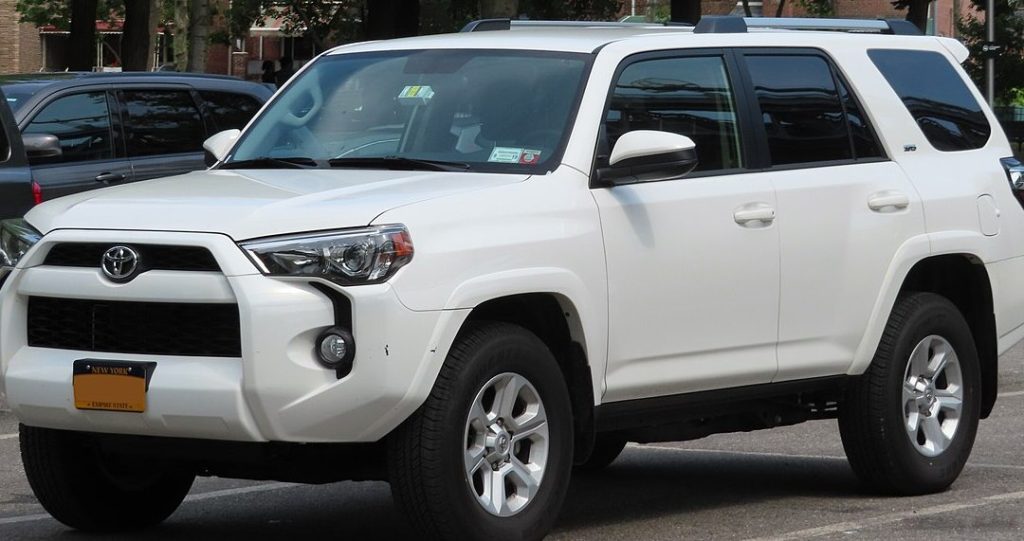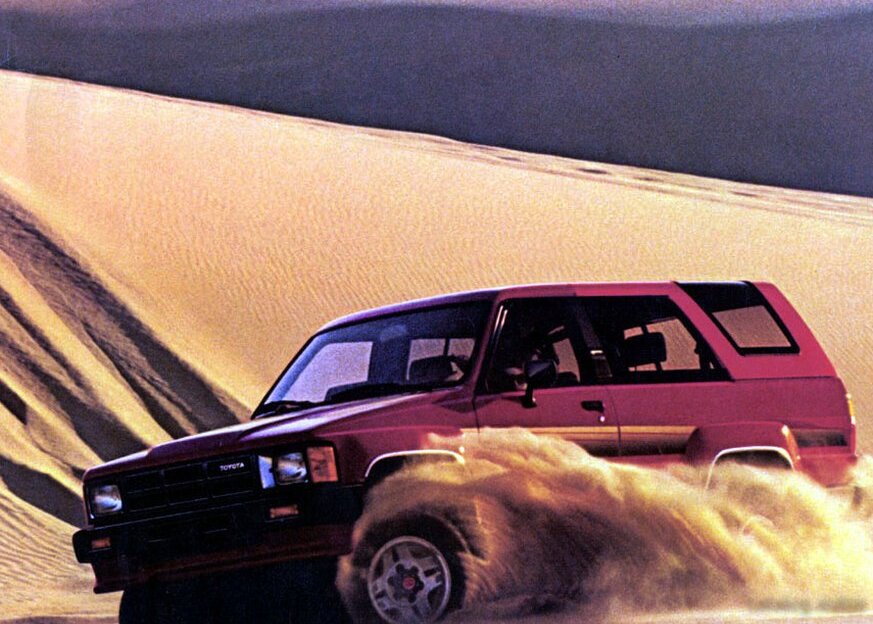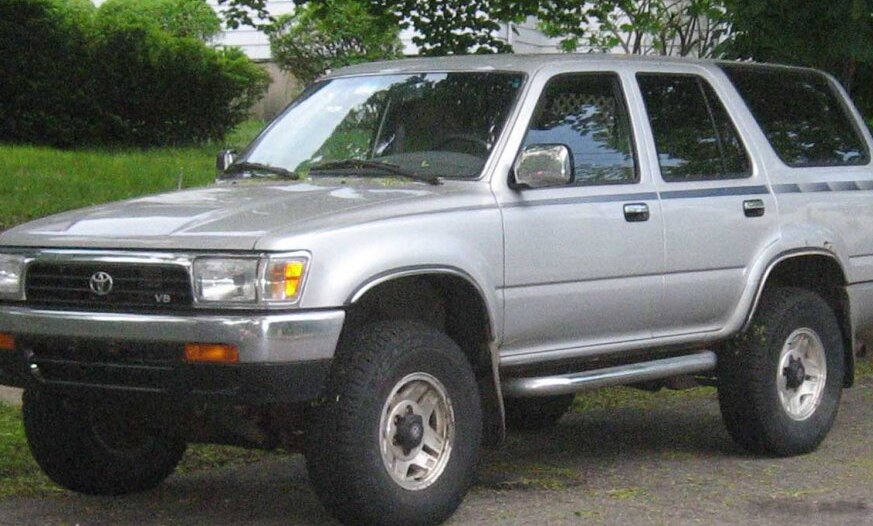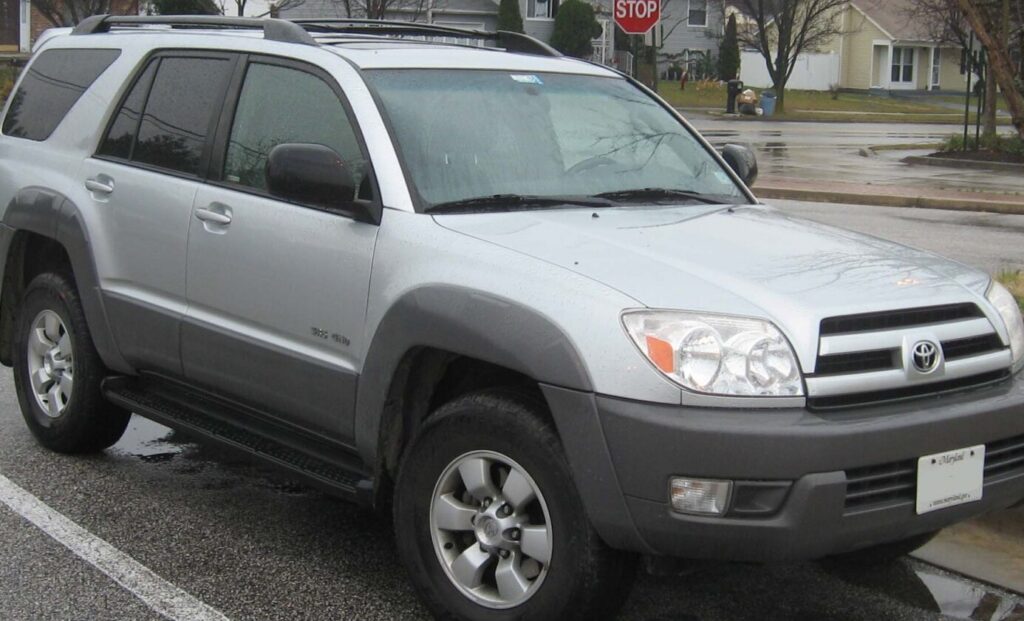
The Toyota 4Runner IV 4.0i V6 24V, produced primarily for the 2005 model year, represents a significant iteration in the long-running 4Runner series. Falling within the fourth generation (2002-2009) of the 4Runner – internally designated as the J120 platform – this variant offered a blend of off-road capability and on-road comfort, appealing to a broad spectrum of American drivers. The 4.0i V6 Automatic trim occupied a mid-to-upper position in the 4Runner lineup, offering a substantial step up in performance from the base 2.7L four-cylinder models, while remaining more accessible than the limited or higher-spec trims. It was designed to cater to buyers seeking a capable SUV with a proven track record for reliability and durability.
Technical Specifications
| Brand | Toyota |
| Model | 4Runner |
| Generation | 4Runner IV |
| Type (Engine) | 4.0i V6 24V (245 Hp) Automatic |
| Start of production | 2005 |
| End of production | 2005 |
| Powertrain Architecture | Internal Combustion engine |
| Body type | SUV |
| Seats | 5 |
| Doors | 5 |
| Fuel consumption (urban) | 13 l/100 km (18.1 US mpg, 21.7 UK mpg) |
| Fuel consumption (extra urban) | 11.2 l/100 km (21 US mpg, 25.2 UK mpg) |
| Fuel Type | Petrol (Gasoline) |
| Weight-to-power ratio | 7.5 kg/Hp, 133.5 Hp/tonne |
| Weight-to-torque ratio | 4.8 kg/Nm, 208.2 Nm/tonne |
| Power | 245 Hp @ 5200 rpm |
| Power per litre | 61.9 Hp/l |
| Torque | 382 Nm @ 3800 rpm (281.75 lb.-ft. @ 3800 rpm) |
| Engine layout | Front, Longitudinal |
| Engine Model/Code | 1GR-FE |
| Engine displacement | 3955 cm3 (241.35 cu. in.) |
| Number of cylinders | 6 |
| Engine configuration | V-engine |
| Cylinder Bore | 94 mm (3.7 in.) |
| Piston Stroke | 95 mm (3.74 in.) |
| Compression ratio | 10:1 |
| Number of valves per cylinder | 4 |
| Fuel injection system | Multi-port manifold injection |
| Engine aspiration | Naturally aspirated engine |
| Valvetrain | DOHC |
| Engine oil capacity | 5.2 l (5.49 US qt | 4.58 UK qt) |
| Coolant | 9.8 l (10.36 US qt | 8.62 UK qt) |
| Kerb Weight | 1835 kg (4045.48 lbs.) |
| Max. weight | 2418 kg (5330.78 lbs.) |
| Max load | 583 kg (1285.29 lbs.) |
| Trunk (boot) space – minimum | 1195 l (42.2 cu. ft.) |
| Trunk (boot) space – maximum | 2050 l (72.4 cu. ft.) |
| Fuel tank capacity | 87 l (22.98 US gal | 19.14 UK gal) |
| Permitted trailer load with brakes (12%) | 2268 kg (5000.08 lbs.) |
| Length | 4800 mm (188.98 in.) |
| Width | 1875 mm (73.82 in.) |
| Height | 1755 mm (69.09 in.) |
| Wheelbase | 2790 mm (109.84 in.) |
| Front track | 1575 mm (62.01 in.) |
| Rear (Back) track | 1575 mm (62.01 in.) |
| Ride height (ground clearance) | 226 mm (8.9 in.) |
| Minimum turning circle (turning diameter) | 11.1 m (36.42 ft.) |
| Approach angle | 31° |
| Departure angle | 24° |
| Ramp-over (brakeover) angle | 22° |
| Drivetrain Architecture | Rear wheel drive |
| Number of gears and type of gearbox | 5 gears, automatic transmission |
| Front suspension | Double wishbone |
| Rear suspension | Independent multi-link suspension |
| Front brakes | Ventilated discs |
| Rear brakes | Ventilated discs |
| Assisting systems | ABS (Anti-lock braking system) |
| Steering type | Steering rack and pinion |
| Tires size | 265/70 R16; 265/65 R17 |
| Wheel rims size | 7.0J x 16; 7.5J x 17 |
Powertrain & Engine Architecture
The heart of the 4Runner 4.0i is the 1GR-FE 4.0-liter V6 engine. This engine is a naturally aspirated, 24-valve DOHC design, known for its robust construction and reliability. The 1GR-FE utilizes a cast iron block with an aluminum cylinder head, contributing to its durability. Fuel delivery is managed by a multi-port fuel injection system, providing precise fuel metering for optimal combustion. The engine’s 94mm bore and 95mm stroke contribute to its strong low-end torque. Paired with this engine is a five-speed automatic transmission, designed to provide smooth shifting and efficient power delivery. This transmission was a common choice for Toyota SUVs of the era, offering a balance between responsiveness and fuel economy. The automatic transmission was geared towards comfortable cruising and towing, rather than outright performance.
Driving Characteristics
The 4Runner 4.0i V6 Automatic delivers a comfortable and capable driving experience. While not a sports car, the 245 horsepower and 281 lb-ft of torque provide ample power for everyday driving and towing. Acceleration is adequate, though not particularly brisk, with a 0-60 mph time estimated around 7.5-8.5 seconds. The automatic transmission, while smooth, can feel somewhat conservative in its shift points, prioritizing fuel efficiency over aggressive acceleration. Compared to the five-speed manual transmission available on other 4Runner trims, the automatic offers less driver engagement but greater convenience. The rear-wheel-drive configuration contributes to a more traditional SUV feel, with a focus on stability and predictable handling. Off-road, the 4Runner 4.0i demonstrates its inherent capabilities, with sufficient ground clearance and a robust suspension system to tackle moderate trails.
Equipment & Trim Levels
The 4.0i V6 Automatic trim typically included standard features such as air conditioning, power windows and locks, a CD player, and cloth upholstery. Optional extras included a sunroof, leather upholstery, a premium sound system, and a navigation system. The interior design was functional and durable, prioritizing practicality over luxury. The dashboard layout was straightforward and easy to use, with clearly labeled controls. Safety features included anti-lock brakes (ABS) and front airbags.
Chassis & Braking
The 4Runner IV utilizes a body-on-frame construction, providing a robust and durable chassis. The front suspension features a double wishbone design, while the rear suspension employs an independent multi-link setup. This suspension configuration provides a comfortable ride and good handling characteristics. Braking duties are handled by ventilated disc brakes on all four wheels, providing ample stopping power. The ABS system helps to maintain control during emergency braking situations. The 4Runner’s relatively high ground clearance (8.9 inches) contributes to its off-road capability.
Market Reception & Comparison
The 4Runner 4.0i V6 Automatic was generally well-received by automotive critics and consumers alike. It was praised for its reliability, durability, and off-road capability. However, some critics noted that the automatic transmission could feel sluggish at times, and the fuel economy was not particularly impressive. Compared to the base 2.7L four-cylinder models, the 4.0i V6 offered a significant performance upgrade, making it a more appealing option for buyers who frequently tow or drive in challenging conditions. Compared to the higher-spec trims, the 4.0i V6 offered a more affordable entry point into the 4Runner lineup, while still providing a capable and well-equipped SUV.
Legacy
The 1GR-FE engine, in particular, has earned a reputation for exceptional longevity and reliability. Many 4Runner 4.0i models have surpassed 200,000 miles with proper maintenance. On the used car market, these 4Runners continue to hold their value due to their proven track record and strong demand. The combination of a robust engine, durable chassis, and capable four-wheel-drive system makes the 4Runner 4.0i a popular choice for buyers seeking a reliable and long-lasting SUV. Regular maintenance, including timely oil changes and fluid checks, is crucial to ensuring the continued reliability of this powertrain.