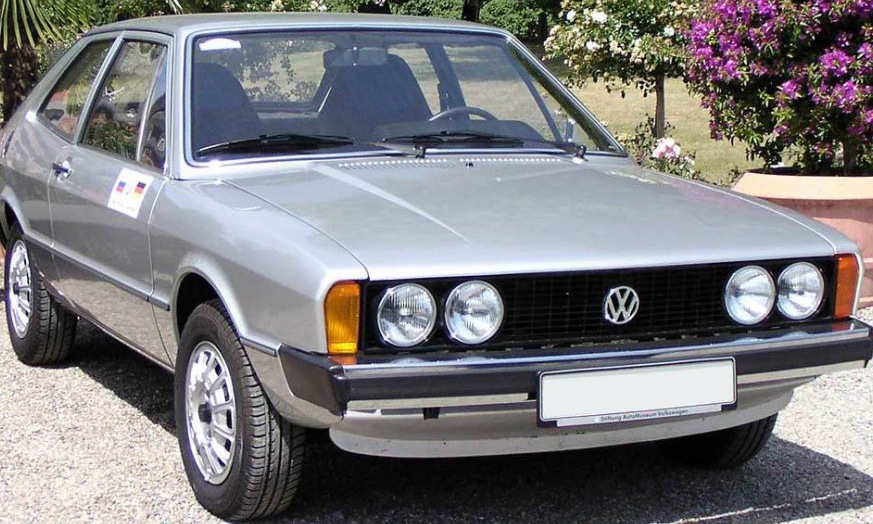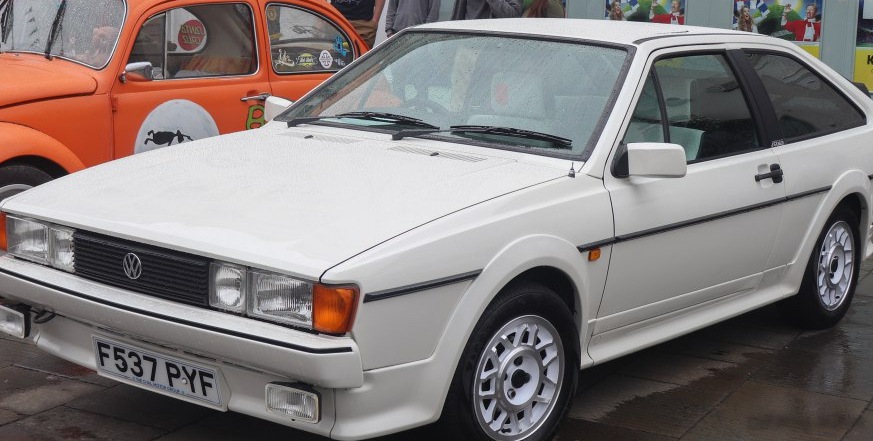
The Volkswagen Scirocco II 1.3, produced briefly in 1981, represents the entry point into the second generation Scirocco lineup (chassis code 53B). This variant, powered by the naturally aspirated 1.3-liter GF engine producing 60 horsepower, served as an affordable and fuel-conscious alternative to the more powerful and performance-oriented versions of the Scirocco II. Production was limited, making it a relatively uncommon find today. It was positioned as the base model, aimed at buyers prioritizing economy and practicality over outright speed. The Scirocco II itself was a significant update over the original, offering a more refined driving experience and a more contemporary design, building upon the success of the original Scirocco which had established Volkswagen’s reputation for sporty, yet accessible coupes.
Technical Specifications
| Brand | Volkswagen |
| Model | Scirocco |
| Generation | Scirocco II (53B) |
| Type (Engine) | 1.3 (60 Hp) |
| Start of production | 1981 |
| End of production | 1981 |
| Powertrain Architecture | Internal Combustion engine |
| Body type | Coupe |
| Fuel Type | Petrol (Gasoline) |
| Power | 60 Hp |
| Engine Model/Code | GF |
| Engine aspiration | Naturally aspirated engine |
| Engine oil capacity | 3 l (3.17 US qt | 2.64 UK qt) |
Powertrain & Engine Architecture
The heart of the Scirocco II 1.3 is the Volkswagen GF engine, a 1,272 cc (77.6 cubic inches) inline-four cylinder engine. This engine is a simple, two-valve per cylinder (8-valve total) design, utilizing a single overhead camshaft. Fuel delivery is managed by a single-barrel carburetor, a common feature for entry-level models of the era. The GF engine is known for its durability and relative simplicity, though it lacks the sophistication of fuel-injected engines found in higher-spec Sciroccos. The engine’s modest output of 60 horsepower at 6,000 rpm and 76 lb-ft of torque at 3,300 rpm is delivered to the front wheels through a four-speed automatic transmission. This transmission, while providing ease of use, contributes to slower acceleration times compared to the available five-speed manual gearbox. The automatic transmission’s gear ratios are geared towards fuel efficiency rather than performance, prioritizing comfortable cruising over spirited driving. The engine block is cast iron, contributing to its robustness, while the cylinder head is aluminum.
Driving Characteristics
The Scirocco II 1.3 Automatic offers a decidedly unhurried driving experience. Acceleration is modest, taking approximately 14-15 seconds to reach 60 mph. The automatic transmission, while smooth in operation, lacks the responsiveness of a manual gearbox and can feel somewhat sluggish during overtaking maneuvers. The gear ratios are spaced to maximize fuel economy, resulting in a noticeable drop in engine speed during upshifts. Handling is typical of front-wheel-drive cars of the period – safe and predictable, but not particularly engaging. The relatively narrow tires and soft suspension setup prioritize ride comfort over sharp cornering. Compared to the more powerful 1.6-liter and 1.8-liter versions of the Scirocco II, the 1.3 feels significantly underpowered, especially when fully loaded with passengers or cargo. The manual transmission variants of the 1.3 offered a more engaging driving experience, with quicker acceleration and better control.
Equipment & Trim Levels
As the base model, the Scirocco II 1.3 Automatic came with a relatively sparse equipment list. Standard features typically included cloth upholstery, basic instrumentation (speedometer, fuel gauge, temperature gauge), and a two-spoke steering wheel. The interior trim was generally functional and durable, but lacked the refinement of higher-spec models. Optional extras included a sunroof, upgraded stereo system, and more comfortable seats. The exterior featured steel wheels with hubcaps, black plastic trim, and relatively simple bumpers. The dashboard layout was straightforward, with clearly labeled controls. Air conditioning was typically an optional extra, and not commonly fitted to the base model.
Chassis & Braking
The Scirocco II 1.3 utilizes a MacPherson strut front suspension and a twist-beam rear suspension. This setup provides a reasonable balance between ride comfort and handling. The front suspension incorporates coil springs and a stabilizer bar, while the rear suspension relies on leaf springs. Braking is accomplished via disc brakes on the front wheels and drum brakes on the rear wheels. This configuration was typical for entry-level cars of the era, and provides adequate stopping power for normal driving conditions. The brake system is not particularly powerful, and can feel somewhat lacking when subjected to repeated hard braking. The steering is rack-and-pinion, providing reasonably precise steering feel.
Market Reception & Comparison
The Scirocco II 1.3 Automatic was generally viewed as a sensible and affordable option for buyers seeking a stylish coupe. Critics acknowledged its fuel efficiency and ease of use, but often criticized its lack of performance. Compared to the 1.6-liter and 1.8-liter versions of the Scirocco II, the 1.3 offered significantly less power and a less engaging driving experience. However, it was also considerably cheaper to purchase and operate. Fuel economy was a key selling point, with the 1.3 achieving around 30-35 mpg in mixed driving conditions. Reliability was generally good, thanks to the simplicity of the engine and transmission. The 1.9 TDI diesel versions, introduced later in the Scirocco II’s production run, offered even better fuel economy, but at the expense of performance.
Legacy
The Scirocco II 1.3, while not the most desirable version of the second-generation Scirocco, has gained a following among enthusiasts seeking a classic Volkswagen coupe. The GF engine is known for its durability, and well-maintained examples can still provide reliable transportation. However, finding parts can be challenging, as many components are now discontinued. The automatic transmission, while convenient, is not as highly regarded as the manual gearbox. Today, the Scirocco II 1.3 Automatic represents an affordable entry point into the world of classic Volkswagen ownership, offering a taste of 1980s styling and engineering. Its relative rarity adds to its appeal among collectors and enthusiasts. The car’s simplicity makes it a relatively easy vehicle to maintain for those with basic mechanical skills, though rust can be a significant issue, particularly in regions with harsh winters.