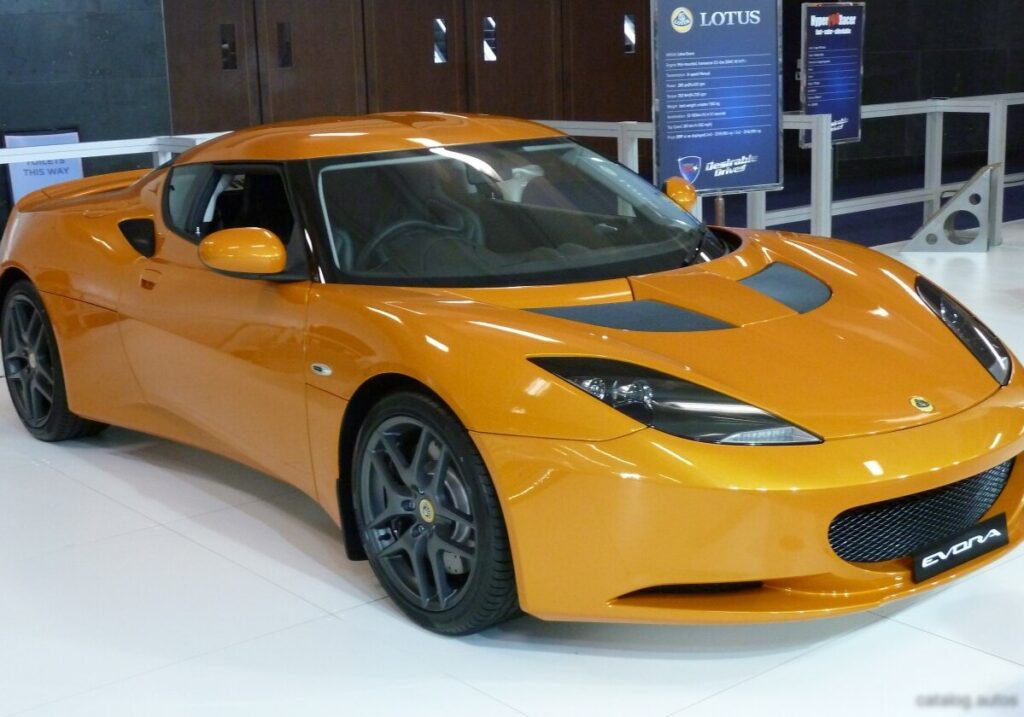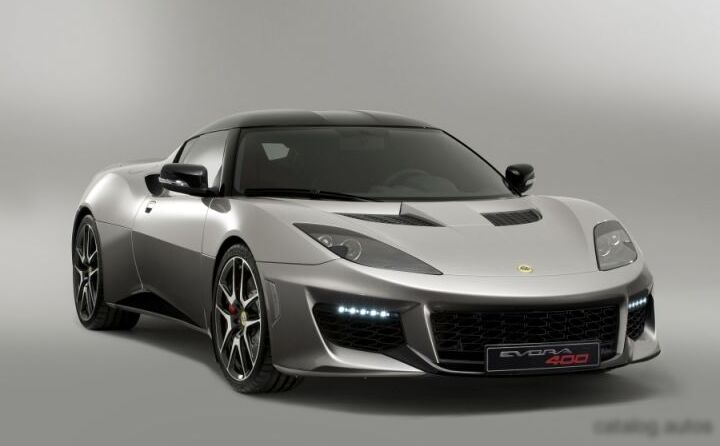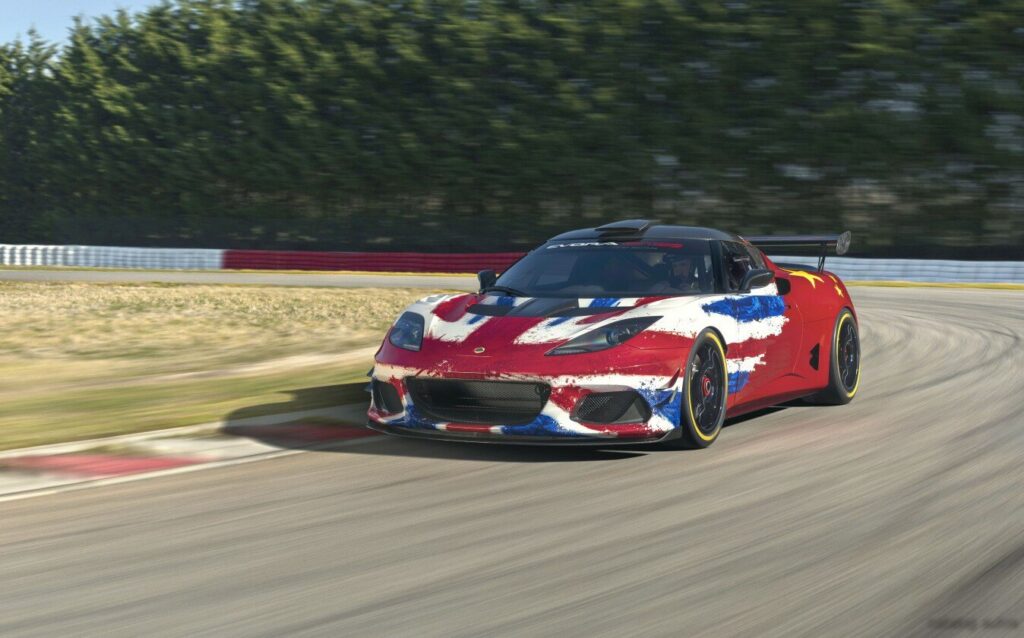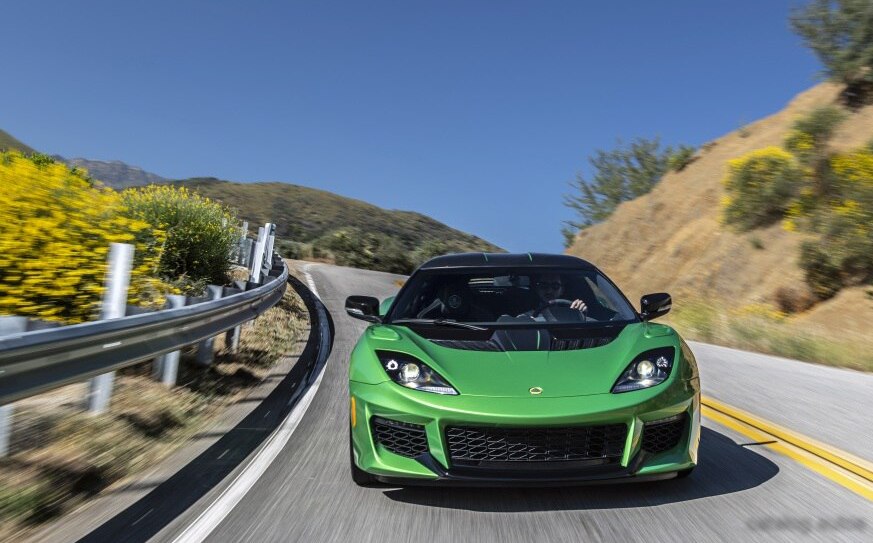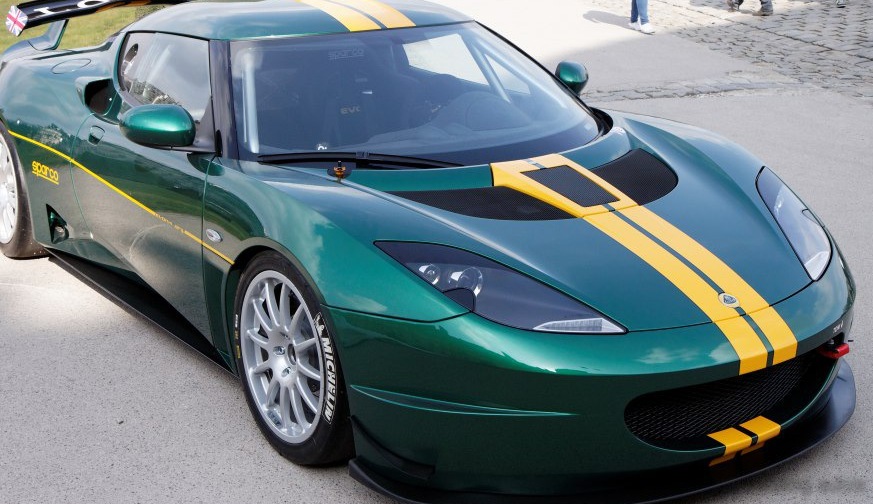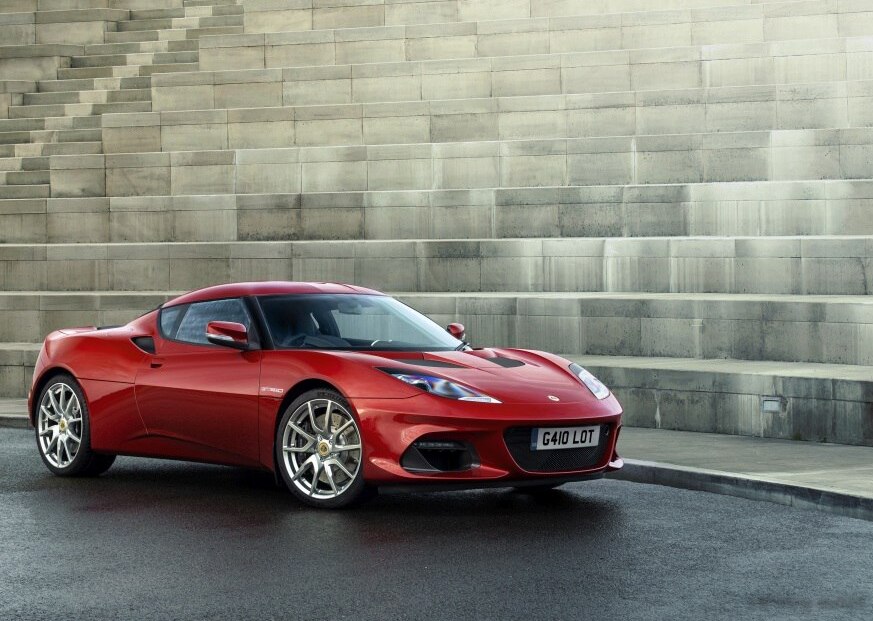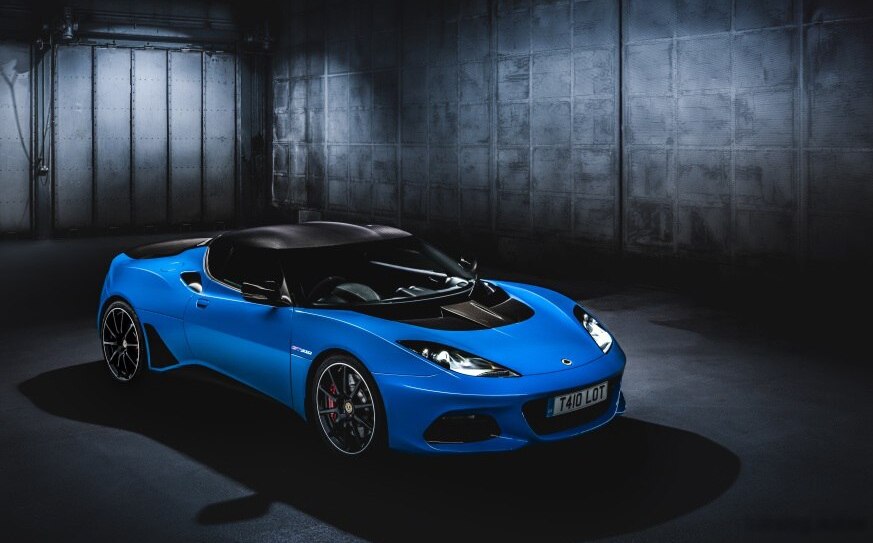
The Lotus Evora GT410 Sport, introduced in January 2019, represents a focused, high-performance iteration of the Evora model line. Positioned as a track-oriented variant, the GT410 Sport builds upon the already capable Evora platform (the 1HX0 chassis) and aims to deliver a raw, engaging driving experience. It slots into the Evora range above the standard Evora and below the more extreme Evora GT430, offering a significant power increase and weight reduction compared to the base models. The GT410 Sport was primarily marketed in Europe and select international markets, with limited availability in the United States, catering to enthusiasts seeking a pure sports car experience.
Technical Specifications
| Brand | Lotus |
| Model | Evora |
| Generation | Evora GT410 Sport |
| Type (Engine) | 3.5 V6 (410 Hp) |
| Start of production | January, 2019 |
| Powertrain Architecture | Internal Combustion engine |
| Body type | Coupe |
| Seats | 2 |
| Doors | 2 |
| Fuel consumption at Low speed (WLTP) | 16.7 l/100 km (14.1 US mpg, 16.9 UK mpg, 6 km/l) |
| Fuel consumption at Medium speed (WLTP) | 10.7 l/100 km (22 US mpg, 26.4 UK mpg, 9.3 km/l) |
| Fuel consumption at high speed (WLTP) | 9.1 l/100 km (25.8 US mpg, 31 UK mpg, 11 km/l) |
| Fuel consumption at very high speed (WLTP) | 9.5 l/100 km (24.8 US mpg, 29.7 UK mpg, 10.5 km/l) |
| Combined fuel consumption (WLTP) | 10.6 l/100 km (22.2 US mpg, 26.6 UK mpg, 9.4 km/l) |
| CO2 emissions (WLTP) | 239 g/km |
| Fuel Type | Petrol (Gasoline) |
| Acceleration 0 – 100 km/h | 4.2 sec |
| Acceleration 0 – 62 mph | 4.2 sec |
| Acceleration 0 – 60 mph | 4 sec |
| Maximum speed | 298 km/h (185.17 mph) |
| Weight-to-power ratio | 3.3 kg/Hp, 301.2 Hp/tonne |
| Weight-to-torque ratio | 3.3 kg/Nm, 301.2 Nm/tonne |
| Power | 410 Hp @ 7000 rpm |
| Power per litre | 118.6 Hp/l |
| Torque | 410 Nm @ 3000-7000 rpm (302.4 lb.-ft. @ 3000-7000 rpm) |
| Engine Model/Code | 2GR-FE |
| Engine displacement | 3456 cm3 (210.9 cu. in.) |
| Number of cylinders | 6 |
| Engine configuration | V-engine |
| Cylinder Bore | 94 mm (3.7 in.) |
| Piston Stroke | 83 mm (3.27 in.) |
| Compression ratio | 10.8:1 |
| Number of valves per cylinder | 4 |
| Engine aspiration | Supercharger, Intercooler |
| Engine oil capacity | 5.75 l (6.08 US qt | 5.06 UK qt) |
| Coolant | 5.5 l (5.81 US qt | 4.84 UK qt) |
| Kerb Weight | 1361 kg (3000.49 lbs.) |
| Fuel tank capacity | 60 l (15.85 US gal | 13.2 UK gal) |
| Length | 4394 mm (172.99 in.) |
| Width | 1972 mm (77.64 in.) |
| Height | 1223 mm (48.15 in.) |
| Drivetrain Architecture | Rear wheel drive |
| Number of gears and type of gearbox | 6 gears, manual transmission |
| Front brakes | Ventilated discs, 370 mm |
| Rear brakes | Ventilated discs, 350 mm |
| Assisting systems | ABS (Anti-lock braking system) |
| Steering type | Steering rack and pinion |
| Power steering | Hydraulic Steering |
| Tires size | Front wheel tires: 235/35 R19 Rear wheel tires: 285/35 R20 |
| Wheel rims size | Front wheel rims: 8J x 19 Rear wheel rims: 9.5J x 20 |
Powertrain & Engine Architecture
The heart of the Evora GT410 Sport is the Toyota-sourced 2GR-FE 3.5-liter supercharged V6 engine. This engine has been a mainstay in the Evora lineup, but in GT410 Sport guise, it’s tuned to produce 410 horsepower at 7000 rpm and 410 Nm (302 lb-ft) of torque between 3000 and 7000 rpm. The supercharger, an Edelbrock unit, provides instant throttle response and a broad torque curve. Fuel delivery is handled by electronic fuel injection, ensuring precise control over the air-fuel mixture. The engine features a dual overhead camshaft (DOHC) valvetrain with four valves per cylinder, optimizing breathing and contributing to its high-revving nature. Critically, the GT410 Sport exclusively came with a six-speed manual transmission, a deliberate choice to enhance driver engagement. This transmission is known for its robust construction and precise shift feel.
Driving Characteristics
The combination of 410 hp and a relatively lightweight chassis (1361 kg / 3000 lbs) results in exhilarating performance. Acceleration from 0 to 60 mph is achieved in around 4 seconds, and the car can reach a top speed of 185 mph. The manual transmission allows for complete control over the power delivery, making it a rewarding experience for skilled drivers. The gear ratios are well-matched to the engine’s powerband, providing strong acceleration in all gears. Compared to earlier Evora models with automatic transmissions, the GT410 Sport offers a significantly more engaging and responsive driving experience. The lack of an automatic option was a key differentiator, appealing to purists who prioritize driver involvement.
Equipment & Trim Levels
The GT410 Sport was purposefully minimalist in its approach to equipment. The focus was on reducing weight and enhancing performance. Standard features included lightweight composite body panels, a Sparco steering wheel, and heavily bolstered sports seats. Air conditioning and an infotainment system were typically included, but options were limited. The interior was trimmed with Alcantara and leather, emphasizing a sporty and functional aesthetic. Available options included different wheel finishes and exterior color choices. The overall cabin design prioritized driver focus and a connection to the car.
Chassis & Braking
The Evora GT410 Sport utilizes a lightweight aluminum chassis, providing a rigid and stable platform. The suspension features fully independent double wishbones at all four corners, optimized for track performance. Dampers and springs were tuned to provide a firm but controlled ride. Braking duties are handled by ventilated discs at all four corners, measuring 370mm at the front and 350mm at the rear. An ABS system is standard. The car’s relatively low weight contributes to excellent braking performance and reduces stress on the braking system. The GT410 Sport did not feature any advanced electronic stability control systems, further emphasizing its raw and analog driving experience.
Market Reception & Comparison
The Evora GT410 Sport was generally well-received by automotive critics, who praised its engaging driving dynamics, powerful engine, and minimalist approach. It was often compared to Porsche 718 Cayman GT4, offering a similar level of performance and driver involvement at a competitive price point. However, the Evora’s interior quality and refinement were often cited as areas where it lagged behind the Porsche. Fuel economy, while not a primary concern for buyers of this type of vehicle, was reasonable for its performance, averaging around 22 mpg in combined driving. Reliability was generally good, benefiting from the robust Toyota engine, although maintenance costs could be higher than for more mainstream sports cars.
Legacy
The Evora GT410 Sport represents a high point in Lotus’s commitment to building pure, driver-focused sports cars. Its combination of a powerful engine, lightweight chassis, and manual transmission has made it a sought-after model among enthusiasts. On the used car market, GT410 Sports command a premium over other Evora variants. The 2GR-FE engine has proven to be remarkably reliable, and with proper maintenance, these cars are expected to provide many years of enjoyable performance. The GT410 Sport stands as a testament to Lotus’s engineering expertise and its dedication to the art of driving.