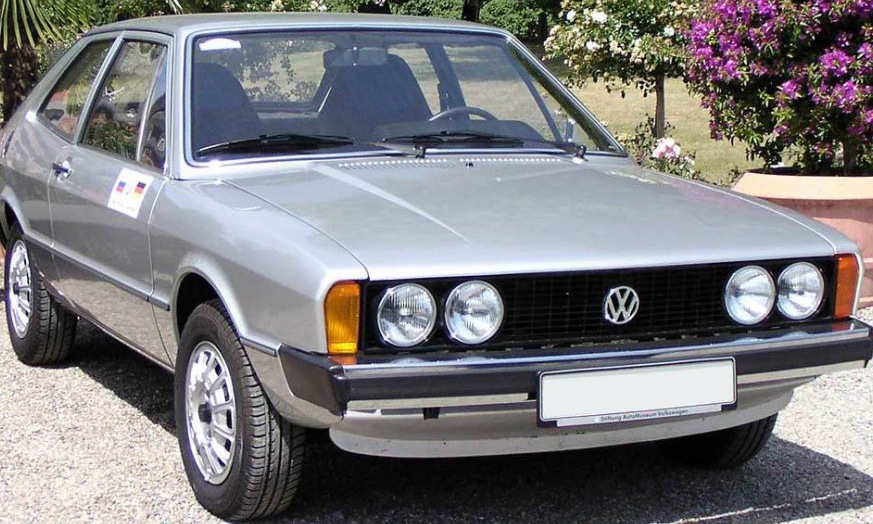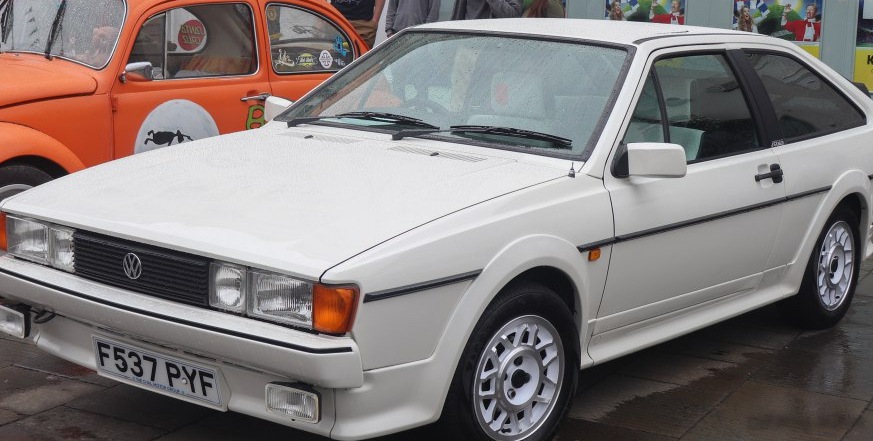
The Volkswagen Scirocco II 1.5, produced briefly in 1981, represents an entry-level offering within the second generation Scirocco (Type 53B) lineup. Positioned as the most economical variant, it aimed to broaden the Scirocco’s appeal to budget-conscious buyers in Europe, particularly Germany, where it was primarily sold. While the Scirocco II is remembered for its more powerful and sporty iterations, the 1.5-liter model played a role in establishing the car’s initial sales volume before being superseded by more desirable engine options. Production was limited to a single year, making it a relatively uncommon find today.
Technical Specifications
| Brand | Volkswagen |
| Model | Scirocco |
| Generation | Scirocco II (53B) |
| Type (Engine) | 1.5 (70 Hp) |
| Start of production | 1981 |
| End of production | 1981 |
| Powertrain Architecture | Internal Combustion engine |
| Body type | Coupe |
| Fuel Type | Petrol (Gasoline) |
| Power | 70 Hp |
| Engine Model/Code | JB |
| Engine aspiration | Naturally aspirated engine |
| Engine oil capacity | 3 l (3.17 US qt | 2.64 UK qt) |
Powertrain & Engine Architecture
The Scirocco II 1.5 utilized the Volkswagen JB engine, a 1455 cc inline-four cylinder gasoline engine. This engine was a relatively simple design, featuring a single overhead camshaft (SOHC) operating two valves per cylinder. Fuel delivery was managed by a single, two-barrel Solex carburetor – a common setup for European cars of the era aiming for affordability. The JB engine produced 70 horsepower (DIN rating) at 5,800 rpm and 98 lb-ft of torque at 3,300 rpm. It was a non-crossflow design, meaning the intake and exhaust manifolds were on the same side of the engine block, which limited its ultimate performance potential.
The 1.5-liter engine was typically paired with a four-speed manual transmission, but a three-speed automatic transmission was also available, though less common. The automatic transmission was a conventional hydraulic unit, offering smooth but not particularly quick shifts. The automatic version significantly impacted acceleration, making the car noticeably slower than its manual counterpart. The transmission’s gear ratios were geared towards fuel economy rather than performance, further emphasizing the 1.5’s role as an economical option.
Driving Characteristics
The Scirocco II 1.5, particularly in automatic guise, offered a relaxed driving experience. Acceleration was modest, taking approximately 14 seconds to reach 60 mph. The engine felt strained at higher speeds, and overtaking required careful planning. The three-speed automatic transmission, while providing convenience, contributed to a noticeable lack of responsiveness. The manual transmission version offered a more engaging experience, allowing the driver to better utilize the engine’s limited power band. Handling was typical of front-wheel-drive cars of the period – safe and predictable, but not particularly sporty. The relatively light weight of the car (around 2,000 lbs) helped to mitigate the lack of power, making it feel nimble enough for everyday driving.
Compared to the more powerful Scirocco II variants, such as the 1.6 GL or the 1.8 GTI, the 1.5 felt significantly underpowered. The GTI, with its fuel injection and larger engine, offered a dramatically different driving experience, prioritizing performance over economy. Even the 1.6-liter engine provided a noticeable improvement in responsiveness and overall driving enjoyment.
Equipment & Trim Levels
The Scirocco II 1.5 was generally sparsely equipped, reflecting its position as the entry-level model. Standard features typically included cloth upholstery, basic instrumentation (speedometer, fuel gauge, temperature gauge), and manually adjustable seats. The interior trim was functional but lacked the refinements found in higher-spec models. Optional extras included a sunroof, upgraded stereo system, and tinted glass. The exterior featured steel wheels with hubcaps, black plastic trim, and relatively simple bumpers.
The trim level was often simply designated as “1.5” or “L” (for Luxury, though the luxury aspect was minimal). Higher trim levels, like the GL, added features such as alloy wheels, upgraded interior trim, and additional chrome accents. The 1.5 model was deliberately kept basic to maintain its affordability.
Chassis & Braking
The Scirocco II utilized a MacPherson strut front suspension and a twist-beam rear suspension. The suspension setup was tuned for comfort rather than outright handling performance. The 1.5-liter model typically featured drum brakes on the rear wheels and disc brakes on the front. The braking system was adequate for the car’s weight and performance, but lacked the stopping power of the larger brakes found on the GTI models. Stabilizer bars were relatively thin, contributing to a moderate degree of body roll during cornering. The steering was a rack-and-pinion system, providing reasonable precision but lacking power assistance in most cases.
Market Reception & Comparison
The Scirocco II 1.5 received mixed reviews. Critics acknowledged its affordability and fuel economy, but often criticized its lack of power and overall performance. It was seen as a sensible choice for buyers prioritizing practicality and low running costs, but not for those seeking a sporty driving experience. Compared to other coupes in its class, such as the Ford Capri or Opel Manta, the Scirocco II 1.5 offered a more modern design and a higher level of build quality, but at the expense of performance.
Fuel economy was a strong point for the 1.5-liter model, averaging around 35-40 mpg. Reliability was generally good, although the carburetor required periodic adjustment and maintenance. The automatic transmission, while convenient, was considered less reliable than the manual transmission.
Legacy
The Scirocco II 1.5 is now a relatively rare and collectible car, particularly in well-preserved condition. The JB engine is known for its durability, but parts availability can be challenging. The automatic transmission versions are less sought after by enthusiasts due to their slower performance. Today, the 1.5-liter Scirocco II represents a piece of automotive history, offering a glimpse into the early days of the second-generation Scirocco and a reminder of a time when affordability was a key consideration for many car buyers. Its simplicity and relative reliability make it a potentially rewarding project for classic car enthusiasts willing to invest the time and effort required to maintain it.