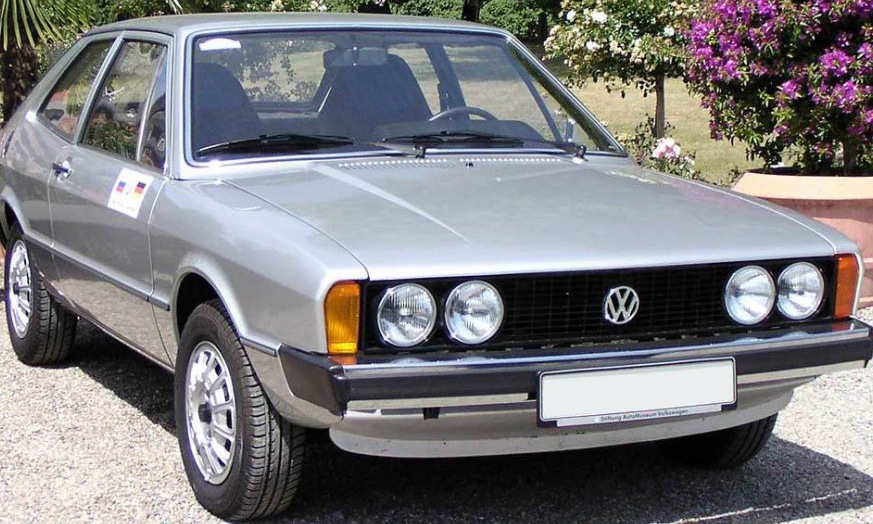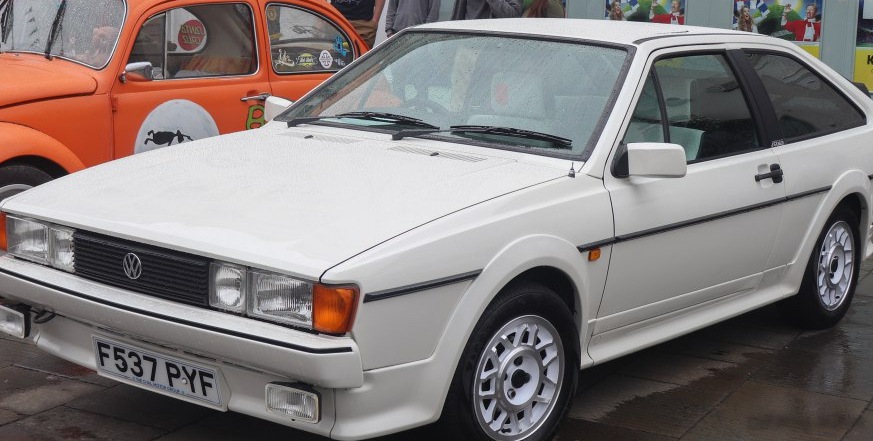
The Volkswagen Scirocco II 1.6, producing 75 horsepower, was a mainstay of the Scirocco lineup from 1983 through 1992. Positioned as the entry-level model, it offered a more affordable route into the stylish coupe body style that defined the second-generation Scirocco (internal designation 53B). Built on the Volkswagen A2 platform, shared with the Golf Mk2, the Scirocco II aimed to blend sporty aesthetics with everyday practicality. This 1.6-liter variant served as a popular choice for buyers prioritizing fuel economy and lower running costs over outright performance, particularly in European markets where it competed with similar coupes like the Opel Astra GTE and Ford Escort XR3.
Technical Specifications
| Brand | Volkswagen |
| Model | Scirocco |
| Generation | Scirocco II (53B) |
| Type (Engine) | 1.6 (75 Hp) |
| Start of production | 1983 |
| End of production | 1992 |
| Powertrain Architecture | Internal Combustion engine |
| Body type | Coupe |
| Seats | 5 |
| Doors | 3 |
| Fuel Type | Petrol (Gasoline) |
| Weight-to-power ratio | 12.7 kg/Hp, 78.9 Hp/tonne |
| Weight-to-torque ratio | 7.9 kg/Nm, 126.3 Nm/tonne |
| Power | 75 Hp @ 5200 rpm |
| Power per litre | 47 Hp/l |
| Torque | 120 Nm @ 2700 rpm (88.51 lb.-ft. @ 2700 rpm) |
| Engine layout | Front, Longitudinal |
| Engine Model/Code | EW |
| Engine displacement | 1595 cm3 (97.33 cu. in.) |
| Number of cylinders | 4 |
| Engine configuration | Inline |
| Cylinder Bore | 81 mm (3.19 in.) |
| Piston Stroke | 77.4 mm (3.05 in.) |
| Compression ratio | 9:1 |
| Number of valves per cylinder | 2 |
| Fuel injection system | Carburettor |
| Engine aspiration | Naturally aspirated engine |
| Engine oil capacity | 4 l (4.23 US qt | 3.52 UK qt) |
| Kerb Weight | 950 kg (2094.39 lbs.) |
| Max. weight | 1320 kg (2910.1 lbs.) |
| Max load | 370 kg (815.71 lbs.) |
| Trunk (boot) space – minimum | 415 l (14.66 cu. ft.) |
| Trunk (boot) space – maximum | 1195 l (42.2 cu. ft.) |
| Fuel tank capacity | 55 l (14.53 US gal | 12.1 UK gal) |
| Length | 4050 mm (159.45 in.) |
| Width | 1645 mm (64.76 in.) |
| Height | 1280 mm (50.39 in.) |
| Wheelbase | 2400 mm (94.49 in.) |
| Front track | 1405 mm (55.31 in.) |
| Rear (Back) track | 1370 mm (53.94 in.) |
| Drivetrain Architecture | The Internal combustion engine (ICE) drives the front wheels of the vehicle. |
| Drive wheel | Front wheel drive |
| Number of gears and type of gearbox | 5 gears, manual transmission |
| Front suspension | Coil spring |
| Rear suspension | Coil spring |
| Front brakes | Disc |
| Rear brakes | Drum |
| Tires size | 185/60 R14 |
| Wheel rims size | 14 |
Powertrain & Engine Architecture
The Scirocco II 1.6 utilized the Volkswagen EW engine code, a 1.6-liter inline four-cylinder engine. This engine was a relatively simple design, employing a single overhead camshaft (SOHC) and two valves per cylinder. Fuel delivery was managed by a carburetor, a common feature for vehicles of this era, prioritizing simplicity and cost-effectiveness over the more advanced fuel injection systems found in higher-spec models. The engine produced 75 horsepower at 5200 rpm and 120 Nm (88.51 lb-ft) of torque at 2700 rpm. The engine was mounted longitudinally in the front of the vehicle, driving the front wheels. The standard transmission was a five-speed manual gearbox, although a three-speed automatic transmission was offered as an option, albeit less common.
Driving Characteristics
The 1.6-liter engine, paired with the five-speed manual transmission, provided adequate, but not exhilarating, performance. Acceleration was modest, with a 0-60 mph time estimated around 12-13 seconds. The automatic transmission further dulled performance, increasing the 0-60 mph time to around 15 seconds. The engine’s torque peak at 2700 rpm meant that it felt reasonably responsive in everyday driving situations, but lacked the punch of the larger 1.8-liter or the turbocharged engines available in other Scirocco II variants. The gear ratios in the manual transmission were well-spaced, allowing for comfortable cruising at highway speeds. Handling was typical of front-wheel-drive cars of the period – safe and predictable, but lacking the ultimate grip of rear-wheel-drive alternatives.
Equipment & Trim Levels
The 1.6-liter Scirocco II was typically equipped with basic, but functional, features. Standard equipment included cloth upholstery, a basic instrument cluster, and manual windows and door locks. Optional extras included a sunroof, upgraded stereo system, and alloy wheels. Interior trim levels were relatively spartan compared to higher-spec models, with a focus on durability rather than luxury. The dashboard layout was functional and straightforward, with all essential controls within easy reach of the driver.
Chassis & Braking
The Scirocco II 1.6 utilized a MacPherson strut front suspension and a twist-beam rear suspension. This setup provided a reasonable balance between ride comfort and handling. Braking was accomplished via disc brakes on the front wheels and drum brakes on the rear. The braking system was adequate for the vehicle’s weight and performance, but lacked the stopping power of more modern systems. The 1.6-liter models typically featured narrower tires (185/60 R14) compared to higher-performance variants, contributing to a slightly less sporty feel.
Market Reception & Comparison
The Scirocco II 1.6 was generally well-received as an affordable and stylish coupe. Critics praised its attractive design and practical interior space. However, the 1.6-liter engine was often criticized for its lack of power, particularly when compared to the more potent 1.8-liter and GTI models. Fuel economy was a strong point, making it an attractive option for budget-conscious buyers. Compared to the 1.8-liter version, the 1.6 offered significantly lower running costs but sacrificed performance. The 1.6 was also a more sensible choice than the GTI, which prioritized performance over economy and practicality.
Legacy
The Volkswagen Scirocco II 1.6, while not the most powerful or desirable variant, remains a popular choice among classic car enthusiasts. Its relative simplicity and affordability make it a relatively easy car to maintain and repair. The EW engine is known for its durability, although regular maintenance is essential to prevent issues. Today, well-maintained examples of the Scirocco II 1.6 can be found in the used car market, offering a nostalgic glimpse into the 1980s and early 1990s. Its enduring appeal lies in its combination of classic styling, reasonable running costs, and a connection to Volkswagen’s rich automotive heritage.