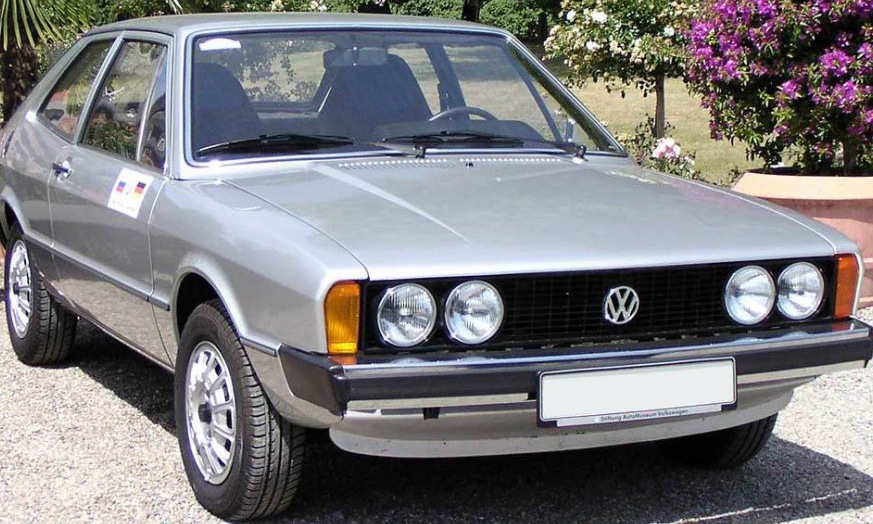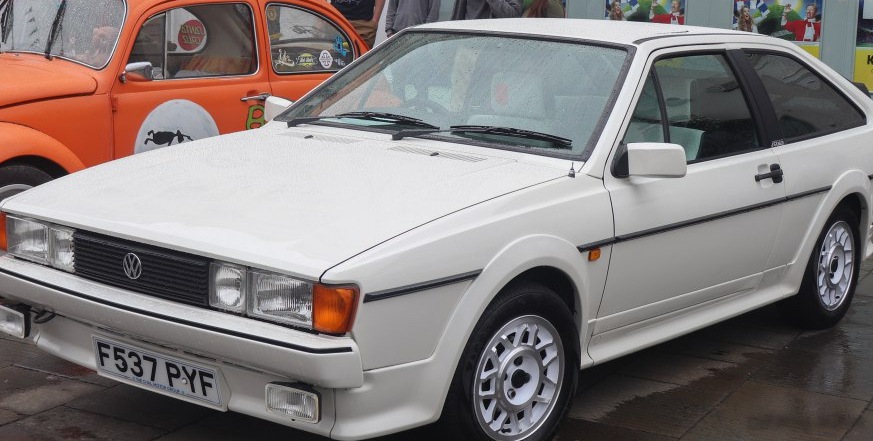
The Volkswagen Scirocco II 1.6, produced between 1981 and 1984, represented the entry point into the second generation of Volkswagen’s sporty coupe. Part of the 53B chassis series, this variant played a crucial role in making the Scirocco II accessible to a wider audience, offering a balance of style, practicality, and affordability. Positioned below the more powerful 1.8 and 1.6 GL models, and significantly below the GTI, the 1.6 offered a more economical option for buyers prioritizing fuel efficiency and lower running costs. It was a key component of Volkswagen’s strategy to capture a larger share of the European compact coupe market.
Technical Specifications
| Brand | Volkswagen |
| Model | Scirocco |
| Generation | Scirocco II (53B) |
| Type (Engine) | 1.6 (85 Hp) |
| Start of production | 1981 |
| End of production | 1984 |
| Powertrain Architecture | Internal Combustion engine |
| Body type | Coupe |
| Fuel Type | Petrol (Gasoline) |
| Power | 85 Hp |
| Engine Model/Code | FR |
| Engine aspiration | Naturally aspirated engine |
| Engine oil capacity | 3.5 l (3.7 US qt | 3.08 UK qt) |
| Coolant capacity | 4.5 l (4.76 US qt | 3.96 UK qt) |
Powertrain & Engine Architecture
The Scirocco II 1.6 utilized Volkswagen’s FR engine code, a 1595cc inline four-cylinder engine. This engine was a single overhead camshaft (SOHC) design, featuring two valves per cylinder. Fuel delivery was managed by a Bosch mechanical fuel injection system, a step up from the carburetors used in earlier Scirocco models, improving efficiency and reducing emissions. The engine’s bore and stroke measured 79.5mm x 80.5mm, contributing to its relatively long-stroke configuration. The compression ratio was typically around 8.5:1. The engine produced 85 horsepower at 5,800 rpm and 128 Nm (94 lb-ft) of torque at 3,200 rpm.
The 1.6L engine was typically paired with a four-speed automatic transmission. This transmission, while offering convenience, was not known for its sporty performance. It featured a torque converter and a relatively simple hydraulic control system. Manual transmission options were available on other Scirocco II models, but the automatic was a common choice for buyers prioritizing ease of driving. The automatic transmission’s gear ratios were geared towards fuel economy rather than acceleration, contributing to a more relaxed driving experience.
Driving Characteristics
The Scirocco II 1.6 with the automatic transmission delivered a comfortable, but not particularly exhilarating, driving experience. Acceleration from 0 to 60 mph took approximately 12-13 seconds, and the top speed was around 95 mph. The automatic transmission’s shift points were relatively high, prioritizing fuel efficiency over responsiveness. Compared to the five-speed manual versions, the automatic felt noticeably slower, especially during overtaking maneuvers. The engine’s torque characteristics meant that it felt relatively strong at lower rpm, but it lacked the high-end punch of the larger 1.8L or GTI engines.
Handling was typical of front-wheel-drive cars of the era. The Scirocco II featured independent front suspension with MacPherson struts and a torsion beam rear suspension. The steering was relatively light, making it easy to maneuver in city driving, but it lacked the feedback desired by more enthusiastic drivers. The automatic transmission did not offer a sport mode or manual shift capability.
Equipment & Trim Levels
The 1.6 model represented the base trim level of the Scirocco II. Standard equipment typically included cloth upholstery, basic instrumentation (speedometer, fuel gauge, temperature gauge), and a four-spoke steering wheel. The interior was generally functional and durable, but lacked the more luxurious appointments found in the GL and GTI models. Options included a sunroof, upgraded stereo systems, and metallic paint finishes. The dashboard layout was relatively simple, with clearly labeled controls. Air conditioning was often an optional extra.
The exterior styling was consistent across the Scirocco II range, with the 1.6 model typically featuring steel wheels with hubcaps. Chrome trim was minimal, and the overall aesthetic was clean and understated. The body was a two-door coupe with a distinctive wedge shape, a hallmark of 1980s automotive design.
Chassis & Braking
The Scirocco II 1.6 utilized a front-wheel-drive layout. The front suspension consisted of MacPherson struts, lower control arms, and an anti-roll bar. The rear suspension employed a torsion beam axle, which was a cost-effective and space-saving design. Braking was typically accomplished with disc brakes on the front wheels and drum brakes on the rear wheels. The braking system was adequate for normal driving conditions, but lacked the stopping power of the larger brakes found on the GTI models.
The chassis was relatively lightweight, contributing to the car’s decent handling characteristics. However, the torsion beam rear suspension limited the car’s ability to handle sharp corners at high speeds. Stabilizer bar thickness was relatively modest compared to the higher-performance models.
Market Reception & Comparison
The Scirocco II 1.6 was generally well-received as an affordable and stylish coupe. Critics praised its fuel efficiency and practicality, but noted its lack of outright performance. Compared to the 1.8L models, the 1.6 offered less power and acceleration, but it was also more economical to run. The GTI, with its fuel injection and larger engine, was in a different league altogether, offering significantly more performance but at a higher price point.
Fuel economy was a key selling point for the 1.6 model, averaging around 30-35 mpg in mixed driving conditions. Reliability was generally good, although the automatic transmission could be prone to issues if not properly maintained. The 1.6 was often favored by drivers who prioritized comfort and convenience over sporty performance.
Legacy
The Scirocco II 1.6, while not the most sought-after variant, remains a popular classic car among Volkswagen enthusiasts. The FR engine is known for its durability and relative simplicity, making it relatively easy to maintain. However, finding parts can be challenging, as many components are now discontinued. The automatic transmission, while reliable when properly maintained, can be expensive to repair. Today, well-maintained examples of the Scirocco II 1.6 are appreciating in value, particularly those with low mileage and original features. It represents a piece of 1980s automotive history, offering a glimpse into a time when coupes were affordable and accessible to a wide range of buyers.