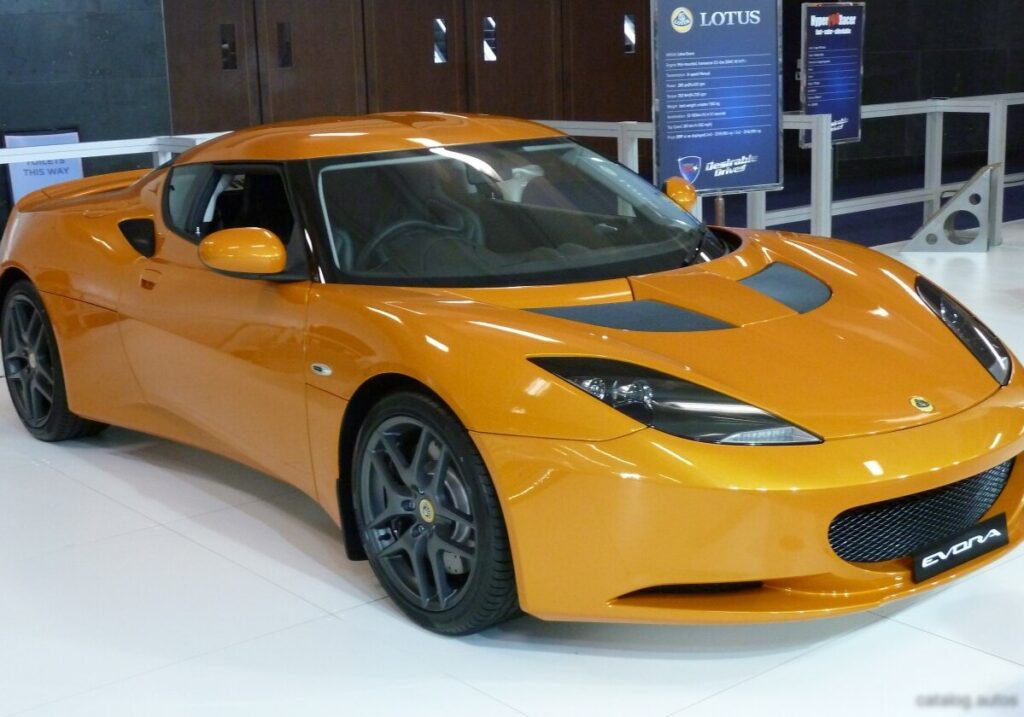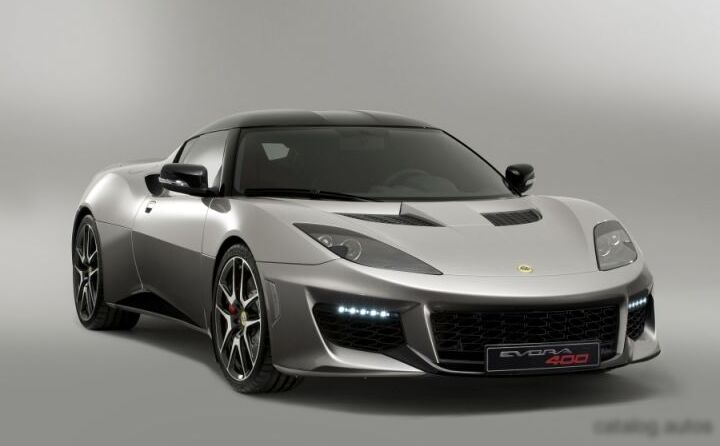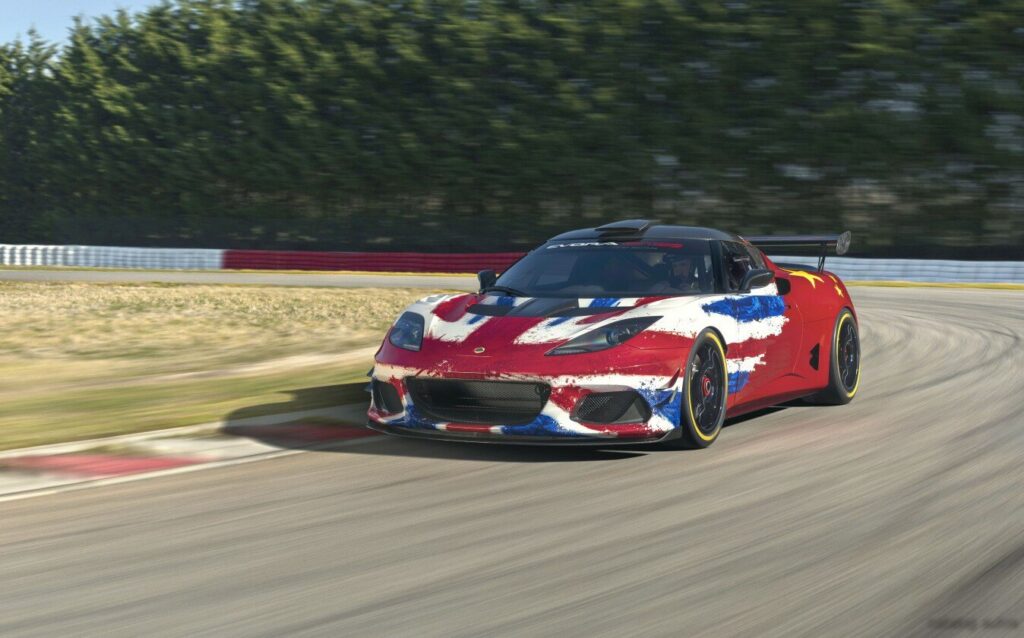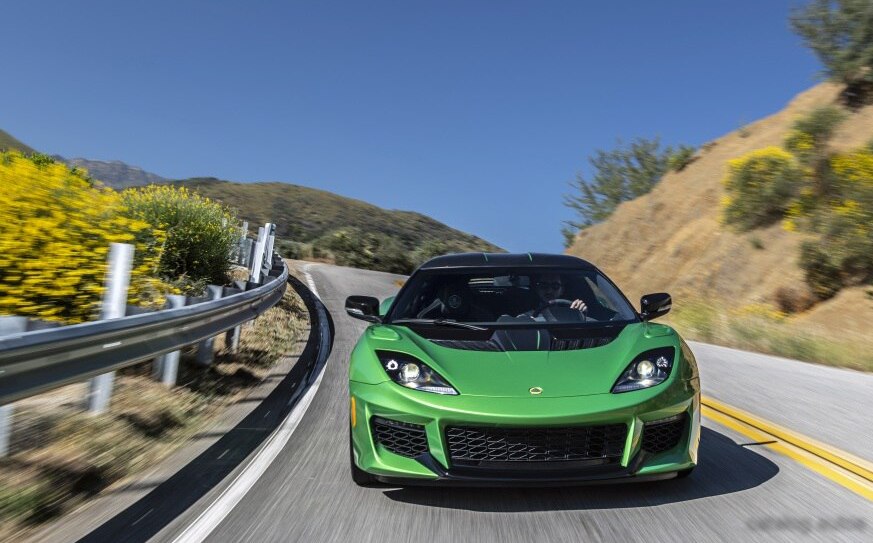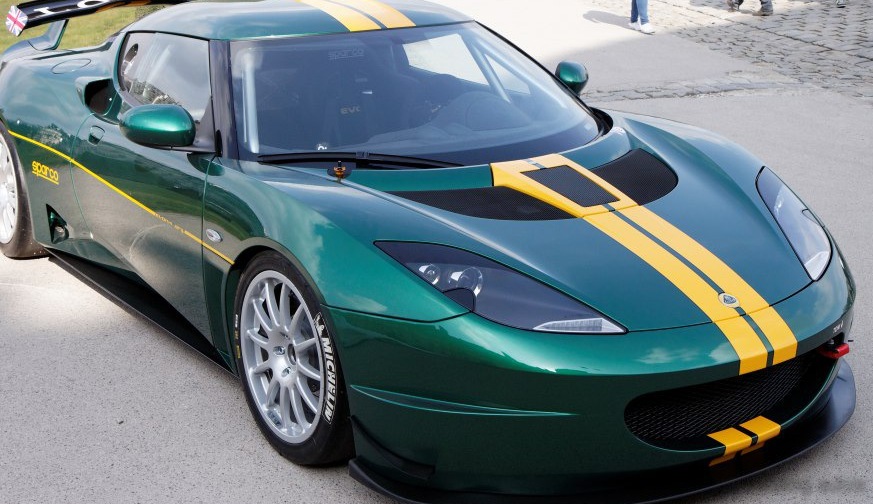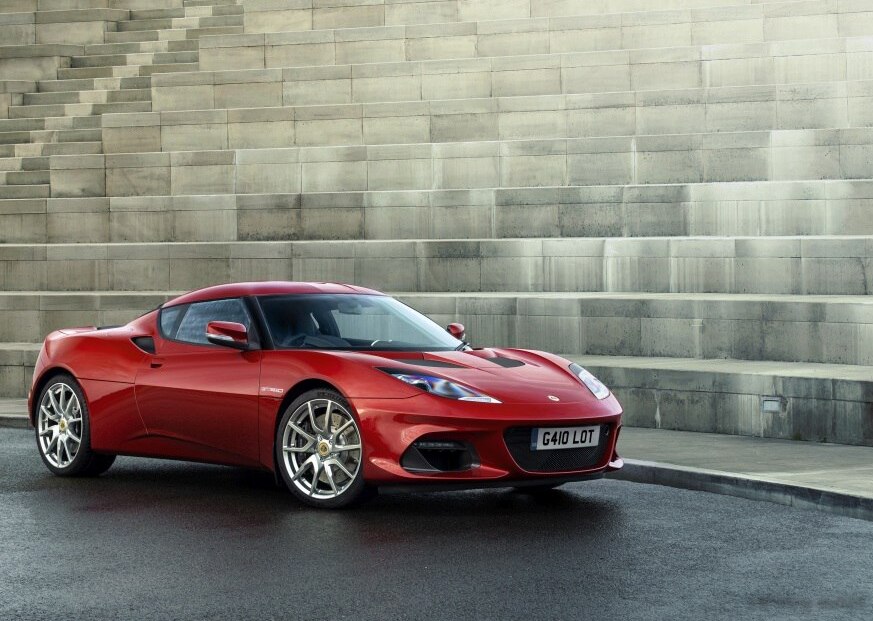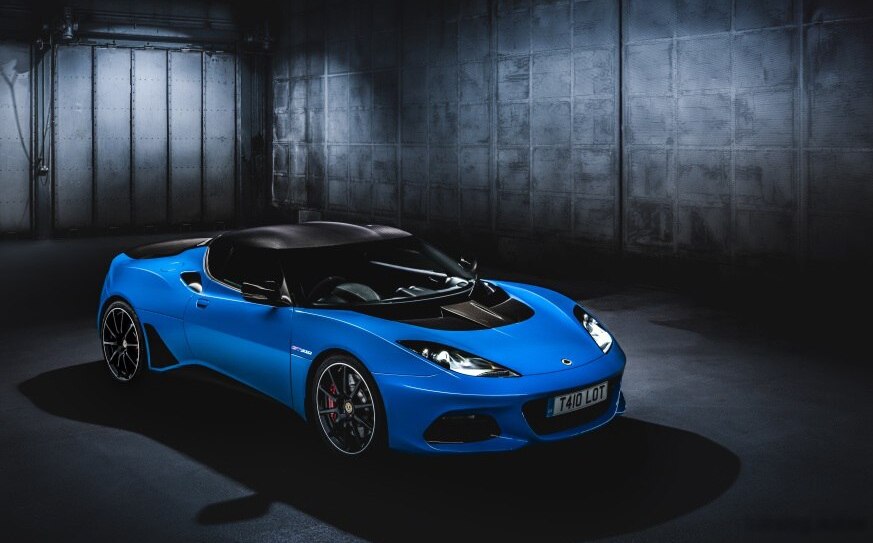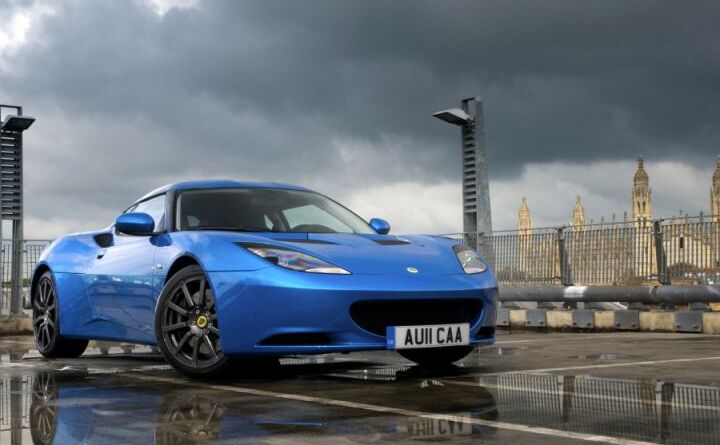
The Lotus Evora S 3.5 V6, produced from 2011 to July 2015, represented a significant step forward for the British sports car manufacturer. Positioned as the performance variant within the first generation Evora (code-named VX5), the ‘S’ model aimed to deliver a more engaging driving experience through increased power and enhanced chassis components. It occupied the middle ground of the Evora lineup, sitting above the standard Evora and below the even more focused Evora 400 introduced later. The Evora S was designed to compete with cars like the Porsche Cayman S and Audi TT RS, offering a unique blend of British engineering, lightweight construction, and a compelling driving dynamic.
Technical Specifications
| Brand | Lotus |
| Model | Evora |
| Generation | Evora S |
| Type (Engine) | 3.5 V6 (350 Hp) |
| Start of production | 2011 |
| End of production | July, 2015 |
| Powertrain Architecture | Internal Combustion engine |
| Body type | Coupe |
| Seats | 2-4 |
| Doors | 2 |
| Fuel consumption (economy) – urban | 14.2 l/100 km (16.6 US mpg, 19.9 UK mpg, 7 km/l) |
| Fuel consumption (economy) – extra urban | 7.4 l/100 km (31.8 US mpg, 38.2 UK mpg, 13.5 km/l) |
| Fuel consumption (economy) – combined | 9.9 l/100 km (23.8 US mpg, 28.5 UK mpg, 10.1 km/l) |
| CO2 emissions | 229 g/km |
| Fuel Type | Petrol (Gasoline) |
| Acceleration 0 – 100 km/h | 4.6 sec |
| Acceleration 0 – 62 mph | 4.6 sec |
| Acceleration 0 – 60 mph | 4.4 sec |
| Maximum speed | 286 km/h (177.71 mph) |
| Emission standard | Euro 5 |
| Weight-to-power ratio | 4.1 kg/Hp, 243.7 Hp/tonne |
| Weight-to-torque ratio | 3.6 kg/Nm, 278.6 Nm/tonne |
| Power | 350 Hp @ 7000 rpm |
| Power per litre | 101.3 Hp/l |
| Torque | 400 Nm @ 4500 rpm (295.02 lb.-ft. @ 4500 rpm) |
| Engine layout | Middle, Transverse |
| Engine Model/Code | 2GR-FE |
| Engine displacement | 3456 cm3 (210.9 cu. in.) |
| Number of cylinders | 6 |
| Engine configuration | V-engine |
| Cylinder Bore | 94 mm (3.7 in.) |
| Piston Stroke | 83 mm (3.27 in.) |
| Compression ratio | 10.8:1 |
| Number of valves per cylinder | 4 |
| Fuel injection system | Multi-port manifold injection |
| Engine aspiration | Supercharger, Intercooler |
| Valvetrain | DOHC – VVT-i |
| Engine oil capacity | 7.1 l (7.5 US qt | 6.25 UK qt) |
| Coolant | 17 l (17.96 US qt | 14.96 UK qt) |
| Kerb Weight | 1436 kg (3165.84 lbs.) |
| Max. weight | 1836 kg (4047.69 lbs.) |
| Max load | 400 kg (881.85 lbs.) |
| Trunk (boot) space – minimum | 160 l (5.65 cu. ft.) |
| Fuel tank capacity | 60 l (15.85 US gal | 13.2 UK gal) |
| Length | 4361 mm (171.69 in.) |
| Width including mirrors | 2047 mm (80.59 in.) |
| Height | 1229 mm (48.39 in.) |
| Wheelbase | 2575 mm (101.38 in.) |
| Front track | 1564 mm (61.57 in.) |
| Rear (Back) track | 1575 mm (62.01 in.) |
| Front overhang | 1000 mm (39.37 in.) |
| Rear overhang | 786 mm (30.94 in.) |
| Ride height (ground clearance) | 140 mm (5.51 in.) |
| Drag coefficient (Cd) | 0.33 |
| Minimum turning circle (turning diameter) | 10.7 m (35.1 ft.) |
| Approach angle | 11.5° |
| Departure angle | 18.5° |
| Drive wheel | Rear wheel drive |
| Number of gears and type of gearbox | 6 gears, manual transmission |
| Front suspension | Double wishbone |
| Rear suspension | Double wishbone |
| Front brakes | Ventilated discs |
| Rear brakes | Ventilated discs |
| Assisting systems | ABS (Anti-lock braking system) |
| Steering type | Steering rack and pinion |
| Tires size | 225/40 ZR18; 255/35 ZR19 |
| Wheel rims size | 18; 19 |
Powertrain & Engine Architecture
At the heart of the Evora S lies the Toyota-sourced 2GR-FE 3.5-liter V6 engine. This engine, also found in various Toyota and Lexus models, was chosen for its reliability and inherent balance. However, Lotus significantly modified it for use in the Evora. The key upgrade for the ‘S’ variant was the addition of a supercharger, boosting power output to 350 horsepower and 295 lb-ft of torque. This supercharger is a Roots-type unit, providing instant throttle response and a linear power delivery. The engine utilizes multi-port fuel injection and a double overhead camshaft (DOHC) valvetrain with variable valve timing (VVT-i) on both intake and exhaust camshafts. The engine is transversely mounted behind the driver, contributing to the car’s excellent weight distribution. The standard transmission for the Evora S was a six-speed manual, although a six-speed automatic transmission was also available, albeit less common. The automatic transmission, while offering convenience, slightly dulled the driving experience compared to the precise manual gearbox.
Driving Characteristics
The Evora S, particularly with the manual transmission, delivers a raw and engaging driving experience. The supercharged engine provides strong acceleration, with 0-60 mph times consistently in the low 4-second range. The chassis is well-balanced, offering excellent grip and predictable handling. The steering is communicative and provides good feedback, allowing the driver to feel connected to the road. Compared to the standard Evora, the ‘S’ model feels noticeably more responsive and eager to rev. The automatic transmission, while smooth, introduces a slight delay in shifts and diminishes the sense of control. The gear ratios are tuned for performance, but the manual gearbox allows for more precise control over power delivery. The relatively lightweight construction (around 3166 lbs) further enhances the car’s agility.
Equipment & Trim Levels
The Evora S came reasonably well-equipped, though options were plentiful. Standard features included leather upholstery, air conditioning, power windows and locks, and a basic audio system. The interior, while functional, was not overly luxurious, reflecting Lotus’s focus on performance over opulence. Optional extras included upgraded audio systems, navigation, heated seats, and various cosmetic enhancements. Trim levels were relatively simple, with most customization occurring through the options list. The interior design was minimalist, prioritizing driver focus and functionality.
Chassis & Braking
The Evora S utilizes a lightweight aluminum chassis, a hallmark of Lotus engineering. The suspension consists of double wishbones at all four corners, providing a firm but controlled ride. The ‘S’ model received slightly stiffer springs and dampers compared to the standard Evora, further enhancing handling performance. Braking duties are handled by ventilated discs at all four wheels, providing ample stopping power. Anti-lock braking system (ABS) was standard. The suspension geometry was carefully tuned to optimize weight transfer and minimize body roll during cornering.
Market Reception & Comparison
The Evora S was generally well-received by automotive critics, praised for its engaging driving dynamics and distinctive character. However, it was also criticized for its relatively high price and somewhat compromised practicality. Compared to the standard Evora, the ‘S’ model offered a significant performance upgrade, justifying the price premium for enthusiasts. Against competitors like the Porsche Cayman S, the Evora S offered a more raw and visceral driving experience, but lacked the refinement and brand prestige of the Porsche. Fuel economy, while not exceptional, was reasonable for a high-performance sports car, averaging around 24 mpg combined.
Legacy
The Lotus Evora S 3.5 V6 remains a desirable sports car for enthusiasts seeking a unique and engaging driving experience. The Toyota 2GR-FE engine, while modified by Lotus, has proven to be remarkably reliable. Maintenance costs can be moderate, although sourcing parts can sometimes be challenging. On the used car market, the Evora S commands a premium over the standard Evora, reflecting its increased performance and exclusivity. The Evora S represents a high point in Lotus’s modern history, showcasing the company’s commitment to lightweight construction, dynamic handling, and driver engagement.