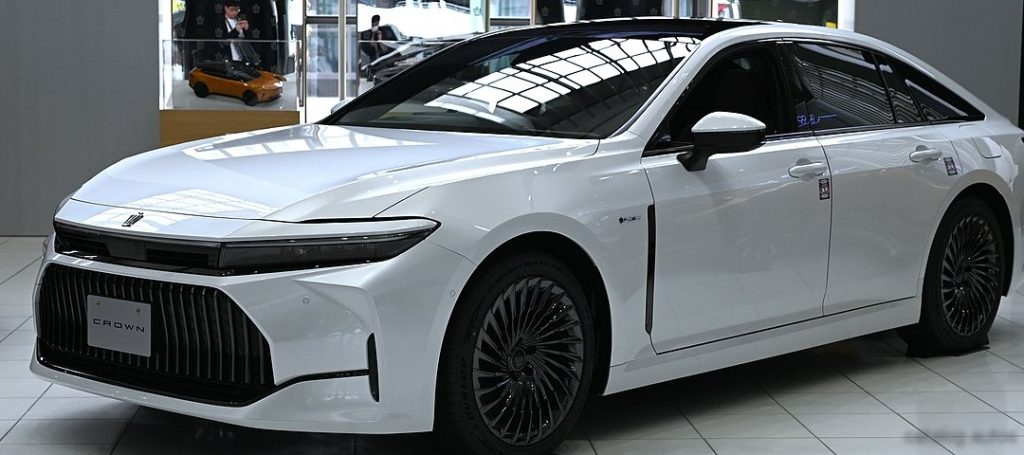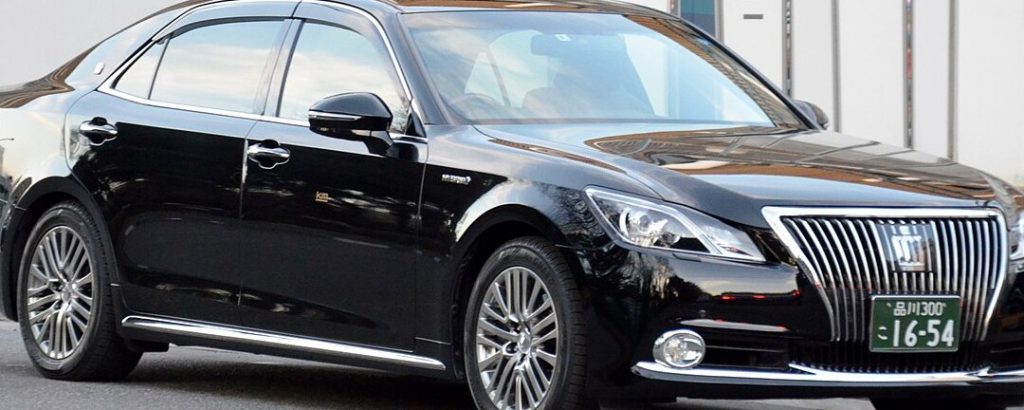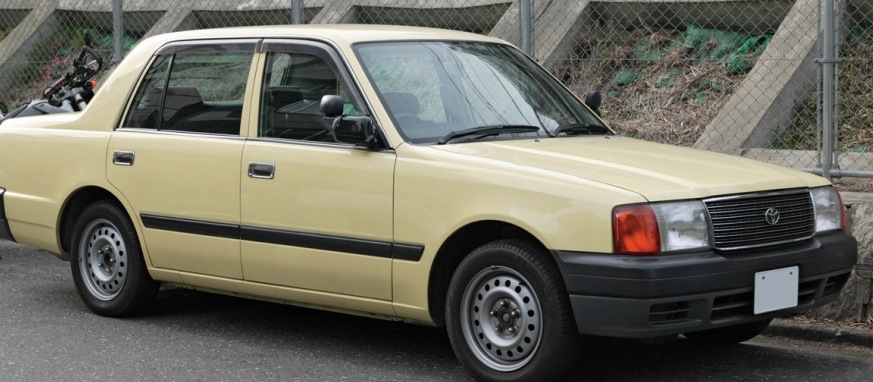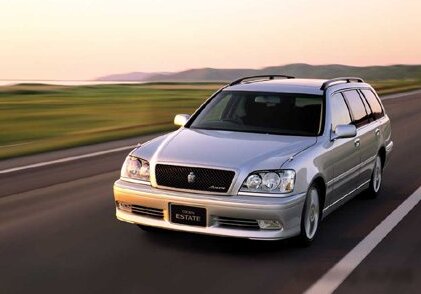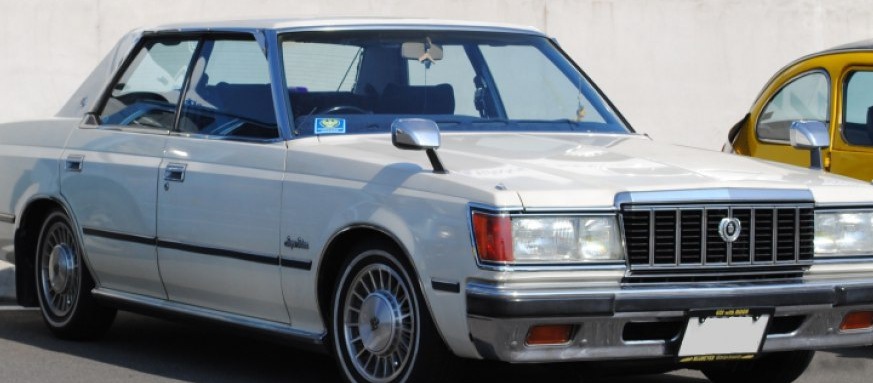
The Toyota Crown S1, specifically the 2.8 SI (MS112) variant produced between 1979 and 1983, represents a significant evolution in Toyota’s flagship sedan lineage. This generation, known internally as the S1, continued the Crown’s tradition of offering a comfortable, reliable, and well-equipped vehicle, but with a greater emphasis on refinement and modern features compared to its predecessors. The 2.8 SI trim occupied a mid-to-upper position within the S1 Crown lineup, offering a balance between performance, luxury, and fuel efficiency. It was aimed at buyers seeking a premium sedan experience without the outright cost of the top-tier trims.
Technical Specifications
| Brand | Toyota |
| Model | Crown |
| Generation | Crown (S1) |
| Type (Engine) | 2.8 SI (MS112) (146 Hp) |
| Start of production | 1979 |
| End of production | 1983 |
| Powertrain Architecture | Internal Combustion engine |
| Body type | Sedan |
| Seats | 5 |
| Doors | 4 |
| Fuel Type | Petrol (Gasoline) |
| Power | 146 Hp |
| Engine Model/Code | 5M-E |
| Engine aspiration | Naturally aspirated engine |
| Engine oil capacity | 4.7 l (4.97 US qt | 4.14 UK qt) |
| Coolant capacity | 9.1 l (9.62 US qt | 8.01 UK qt) |
Powertrain & Engine Architecture
The heart of the 2.8 SI was the 5M-E engine, a 2.8-liter (2759 cc) inline-six cylinder gasoline engine. This engine was a significant upgrade from the smaller displacement engines offered in earlier Crown models. The 5M-E featured a single overhead camshaft (SOHC) valvetrain, two valves per cylinder, and a cast iron block with an aluminum cylinder head. Fuel delivery was managed by a Bosch Jetronic electronic fuel injection (EFI) system, contributing to improved fuel efficiency and reduced emissions compared to carbureted engines. The engine produced 146 horsepower at 5,200 rpm and 198 lb-ft of torque at 3,200 rpm. The engine was known for its smooth operation and relatively quiet demeanor. The transmission paired with the 5M-E in the 2.8 SI was a four-speed automatic, designed to provide comfortable and effortless cruising. This automatic transmission was a common choice for Crown buyers prioritizing convenience over outright performance.
Driving Characteristics
The 2.8 SI offered a comfortable and refined driving experience. While not a sports sedan, the 146 horsepower and 198 lb-ft of torque provided adequate power for highway cruising and city driving. The four-speed automatic transmission was tuned for smooth shifts and relaxed acceleration. Compared to the base engine Crown models, the 2.8 SI offered noticeably improved acceleration and passing power. However, it didn’t possess the sporty feel of some of its competitors, or even the potential of the later, turbocharged Crown variants. The automatic transmission’s gear ratios were geared towards fuel economy and comfort, rather than maximizing performance. The Crown S1’s suspension, while comfortable, leaned towards a softer setup, prioritizing ride quality over sharp handling. This made it a pleasant long-distance cruiser, but less engaging on winding roads.
Equipment & Trim Levels
The 2.8 SI trim level came standard with a number of features designed to enhance comfort and convenience. These typically included power steering, power brakes, air conditioning, a high-quality audio system (often AM/FM stereo with cassette player), and cloth upholstery. The interior featured woodgrain accents on the dashboard and door panels, adding to the sense of luxury. Optional extras available for the 2.8 SI included power windows, power door locks, cruise control, and a sunroof. Higher-end Crown trims offered leather upholstery, upgraded audio systems, and more advanced features, but the 2.8 SI provided a well-equipped package for its price point. The dashboard layout was functional and straightforward, with clearly marked gauges and controls.
Chassis & Braking
The Toyota Crown S1 utilized a body-on-frame construction, a common practice for full-size sedans of the era. The suspension consisted of independent front suspension with MacPherson struts and a live rear axle with leaf springs. This setup provided a comfortable ride, but wasn’t particularly sporty. Braking duties were handled by disc brakes on the front wheels and drum brakes on the rear wheels. Power assist was standard. The braking system was adequate for the vehicle’s weight and performance, but lacked the stopping power of more modern braking systems. Stabilizer bars were fitted to both the front and rear suspension to reduce body roll during cornering, though the overall handling remained comfort-oriented.
Market Reception & Comparison
The Toyota Crown S1, and the 2.8 SI variant specifically, was generally well-received by automotive critics and consumers. It was praised for its comfortable ride, spacious interior, and reliable powertrain. The 2.8 SI offered a compelling alternative to American full-size sedans, providing comparable space and comfort with superior fuel efficiency and a reputation for long-term reliability. Compared to the base engine Crown models, the 2.8 SI was seen as a worthwhile upgrade for buyers who valued performance. However, some critics noted that the Crown lacked the sporty handling of some of its European competitors. Fuel economy was respectable for the time, averaging around 18-22 mpg in combined driving. Reliability was a key selling point, and the 5M-E engine proved to be a durable and long-lasting powerplant.
Legacy
The Toyota Crown S1 2.8 SI (MS112) has become a sought-after classic among enthusiasts. The 5M-E engine, while not particularly high-performance by modern standards, is known for its durability and relative simplicity, making it easier to maintain and repair. Parts availability is generally good, although some specific trim pieces can be difficult to find. Well-maintained examples of the 2.8 SI command a respectable price in the used car market. The S1 generation Crown played a crucial role in establishing Toyota’s reputation for quality and reliability in the North American market, paving the way for the brand’s future success. The combination of comfort, reliability, and a relatively modern powertrain continues to appeal to collectors and enthusiasts today, ensuring the Crown S1’s place in automotive history.