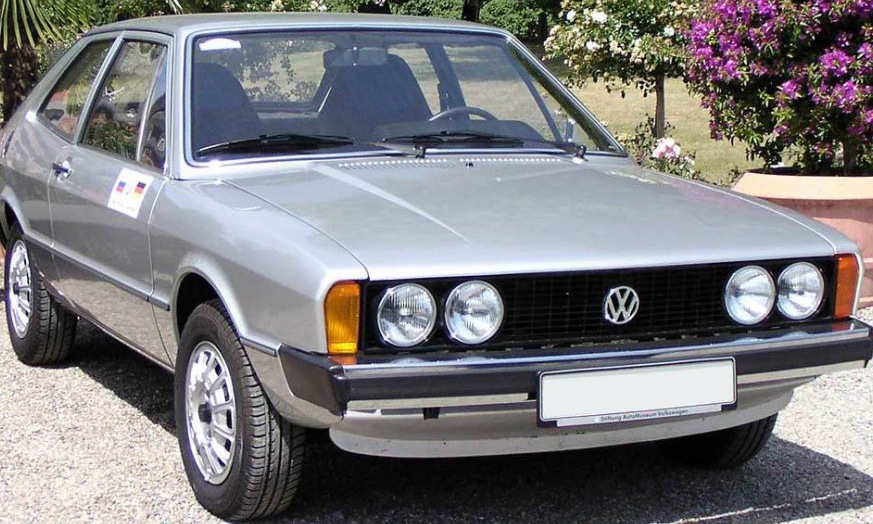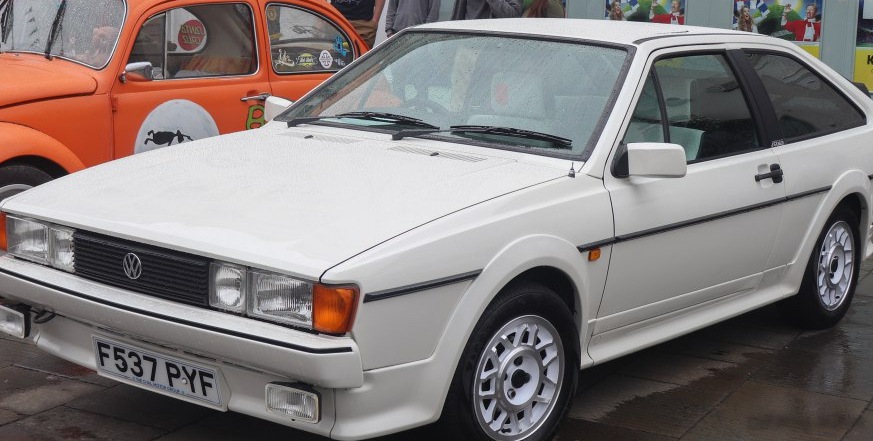
The Volkswagen Scirocco II 1.8, producing 90 horsepower, was a mainstay of the model range from 1983 to 1992. Positioned as an entry-level to mid-range offering within the second-generation Scirocco (chassis code 53B), it provided a more affordable and fuel-efficient alternative to the higher-performance GL and GTI variants. This model aimed to broaden the Scirocco’s appeal, attracting buyers who prioritized practicality and economy over outright speed. It was a key component of Volkswagen’s strategy to offer a diverse lineup within the popular compact coupe segment, competing with vehicles like the Opel Astra Coupe and Ford Escort. The Scirocco II itself was a significant evolution of the original, offering a more refined driving experience and a more modern aesthetic.
Technical Specifications
| Brand | Volkswagen |
| Model | Scirocco |
| Generation | Scirocco II (53B) |
| Type (Engine) | 1.8 (90 Hp) |
| Start of production | 1983 |
| End of production | 1992 |
| Powertrain Architecture | Internal Combustion engine |
| Body type | Coupe |
| Seats | 5 |
| Doors | 3 |
| Fuel consumption (urban) | 11.1 l/100 km (21.2 US mpg, 25.4 UK mpg, 9 km/l) |
| Fuel consumption (extra urban) | 6.6 l/100 km (35.6 US mpg, 42.8 UK mpg, 15.2 km/l) |
| Fuel consumption (combined) | 8.6 l/100 km (27.4 US mpg, 32.8 UK mpg, 11.6 km/l) |
| Fuel Type | Petrol (Gasoline) |
| Acceleration 0 – 100 km/h | 10.2 sec |
| Acceleration 0 – 62 mph | 10.2 sec |
| Acceleration 0 – 60 mph | 9.7 sec |
| Maximum speed | 181 km/h (112.47 mph) |
| Weight-to-power ratio | 10.6 kg/Hp, 94.7 Hp/tonne |
| Weight-to-torque ratio | 6.7 kg/Nm, 149.5 Nm/tonne |
| Power | 90 Hp @ 5500 rpm |
| Power per litre | 50.5 Hp/l |
| Torque | 142 Nm @ 3000 rpm (104.73 lb.-ft. @ 3000 rpm) |
| Engine layout | Front, Transverse |
| Engine Model/Code | EX |
| Engine displacement | 1781 cm3 (108.68 cu. in.) |
| Number of cylinders | 4 |
| Engine configuration | Inline |
| Cylinder Bore | 81 mm (3.19 in.) |
| Piston Stroke | 86.4 mm (3.4 in.) |
| Compression ratio | 9:1 |
| Number of valves per cylinder | 2 |
| Fuel injection system | Multi-port manifold injection |
| Engine aspiration | Naturally aspirated engine |
| Engine oil capacity | 4 l (4.23 US qt | 3.52 UK qt) |
| Kerb Weight | 950 kg (2094.39 lbs.) |
| Max. weight | 1320 kg (2910.1 lbs.) |
| Max load | 370 kg (815.71 lbs.) |
| Trunk (boot) space – minimum | 415 l (14.66 cu. ft.) |
| Trunk (boot) space – maximum | 1195 l (42.2 cu. ft.) |
| Fuel tank capacity | 55 l (14.53 US gal | 12.1 UK gal) |
| Length | 4050 mm (159.45 in.) |
| Width | 1645 mm (64.76 in.) |
| Height | 1280 mm (50.39 in.) |
| Wheelbase | 2400 mm (94.49 in.) |
| Front track | 1405 mm (55.31 in.) |
| Rear (Back) track | 1370 mm (53.94 in.) |
| Drivetrain Architecture | The Internal combustion engine (ICE) drives the front wheels of the vehicle. |
| Drive wheel | Front wheel drive |
| Number of gears and type of gearbox | 5 gears, manual transmission |
| Front suspension | Coil spring |
| Rear suspension | Coil spring |
| Front brakes | Disc |
| Rear brakes | Drum |
| Steering type | Steering rack and pinion |
| Tires size | 185/60 R14 |
| Wheel rims size | 14 |
Powertrain & Engine Architecture
The 1.8-liter inline-four engine, designated the EX code, was a naturally aspirated unit featuring multi-port fuel injection. This engine was a common sight in various Volkswagen and Audi models of the era. The EX engine utilized a relatively simple two-valve-per-cylinder configuration and a 9:1 compression ratio. The fuel injection system, while not as sophisticated as later iterations, provided adequate fuel delivery for the engine’s output. The engine’s design prioritized reliability and ease of maintenance over outright performance. The transmission paired with this engine was typically a four or five-speed manual, though a three-speed automatic transmission was also available, and it’s this automatic version that defines this specific variant. The automatic transmission, while offering convenience, did impact acceleration and fuel economy compared to the manual counterparts.
Driving Characteristics
The 1.8-liter, 90 hp Scirocco II with the automatic transmission offered a comfortable, if not particularly exhilarating, driving experience. Acceleration from 0-60 mph took around 9.7 seconds, which was noticeably slower than the manual versions or the GTI models. The automatic transmission’s gear ratios were geared towards fuel efficiency rather than performance, resulting in a somewhat sluggish response during overtaking maneuvers. However, the engine provided sufficient torque for everyday driving, and the car felt stable and predictable in corners. The automatic transmission smoothed out gear changes, making it a popular choice for drivers who preferred convenience over sporty handling.
Equipment & Trim Levels
The 1.8-liter automatic Scirocco II typically came equipped with basic features such as cloth upholstery, a simple dashboard layout, and manual windows and locks. Power steering was often an optional extra. The trim level was generally considered entry-level, focusing on providing a functional and affordable coupe. Optional extras included a sunroof, upgraded stereo systems, and alloy wheels. The interior was designed with practicality in mind, offering a reasonable amount of space for a coupe of its size. The overall aesthetic was functional and understated, reflecting the car’s position in the market.
Chassis & Braking
The Scirocco II utilized a MacPherson strut front suspension and a twist-beam rear suspension. The suspension setup provided a comfortable ride, although it wasn’t particularly sporty. The front brakes were disc brakes, while the rear brakes were drum brakes – a common configuration for vehicles in this price range during the 1980s. The braking system was adequate for everyday use, but lacked the stopping power of the larger brakes found on the GTI models. Stabilizer bars were typically smaller in diameter compared to the higher-performance variants, contributing to a slightly more pronounced body roll during cornering.
Market Reception & Comparison
The 1.8-liter automatic Scirocco II received mixed reviews. Critics generally praised its affordability and fuel efficiency, but criticized its lack of performance. Compared to the GTI and GL models, the 1.8 offered significantly less power and a less engaging driving experience. However, it was more economical to run and maintain, making it a popular choice for budget-conscious buyers. Fuel economy figures of around 27.4 US mpg combined were considered respectable for the time. Reliability was generally good, although the automatic transmission could be prone to issues if not properly maintained.
Legacy
The Volkswagen Scirocco II 1.8 (90 hp) automatic has become a relatively affordable classic car. The EX engine is known for its durability, and parts availability remains reasonably good. While not as sought after as the GTI models, the 1.8 offers a charming and practical entry point into the world of classic Volkswagen coupes. Today, these cars are often found in the hands of enthusiasts who appreciate their simplicity and affordability. The automatic transmission, while not ideal for performance enthusiasts, makes these cars accessible to a wider range of drivers. The Scirocco II 1.8 remains a testament to Volkswagen’s commitment to providing well-engineered and reliable vehicles.