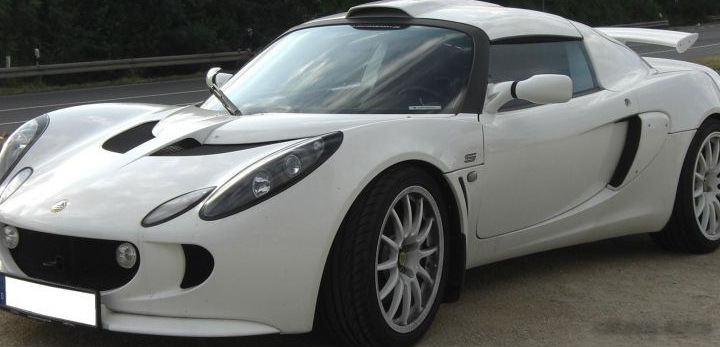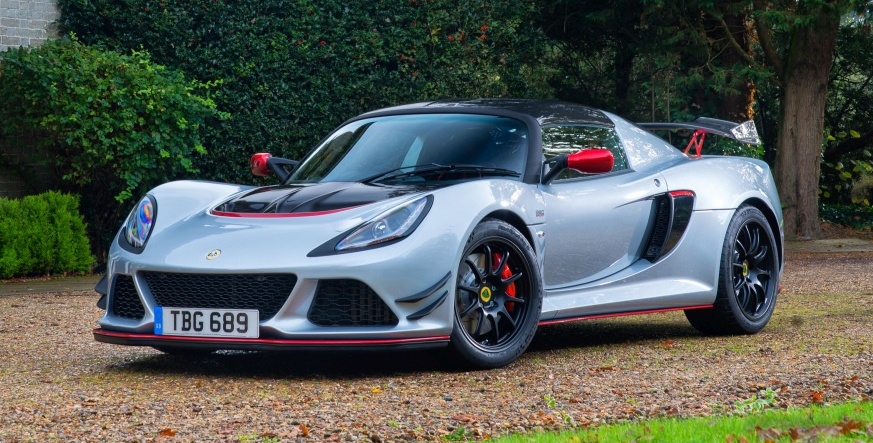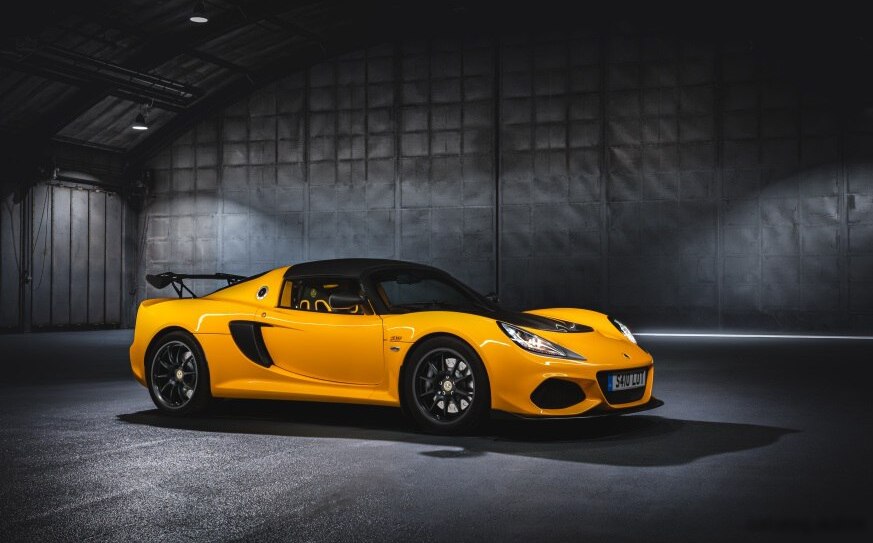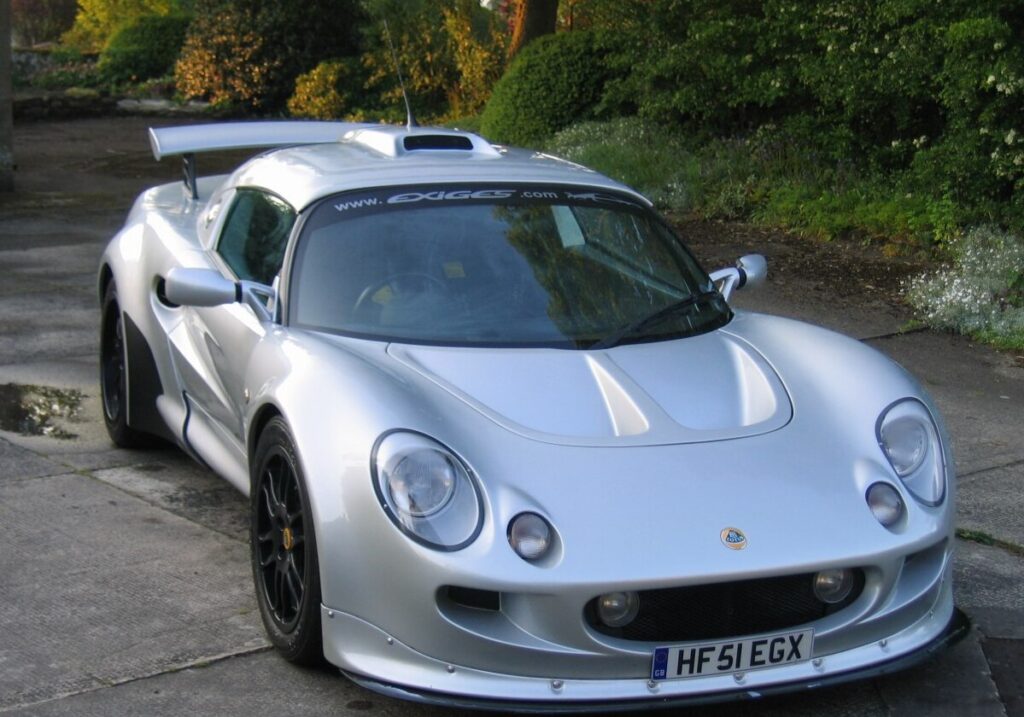
The Lotus Exige I 1.8 i 16V, produced from 2000 to 2002, represents a pivotal point in the evolution of the Exige model line. Positioned as the initial offering in the first generation (S1) of the Exige, it built upon the success of the Elise while offering a more focused, performance-oriented experience. The Exige I was designed as a road-legal version of Lotus’s highly successful race car, offering a raw and engaging driving experience. It was built on the Lotus chassis, renowned for its lightweight construction and exceptional handling characteristics. This initial variant served as the foundation for subsequent, more powerful Exige models.
Technical Specifications
| Brand | Lotus |
| Model | Exige |
| Generation | Exige I |
| Type (Engine) | 1.8 i 16V (179 Hp) |
| Start of production | 2000 year |
| End of production | 2002 year |
| Powertrain Architecture | Internal Combustion engine |
| Body type | Coupe |
| Seats | 2 |
| Doors | 2 |
| Fuel Type | Petrol (Gasoline) |
| Acceleration 0 – 100 km/h | 4.9 sec |
| Acceleration 0 – 62 mph | 4.9 sec |
| Acceleration 0 – 60 mph | 4.7 sec |
| Maximum speed | 219 km/h (136.08 mph) |
| Weight-to-power ratio | 4.4 kg/Hp, 229.5 Hp/tonne |
| Weight-to-torque ratio | 4.6 kg/Nm, 219.2 Nm/tonne |
| Power | 179 Hp @ 7800 rpm |
| Power per litre | 99.7 Hp/l |
| Torque | 171 Nm @ 5000 rpm (126.12 lb.-ft. @ 5000 rpm) |
| Engine layout | Middle, Longitudinal |
| Engine displacement | 1795 cm3 (109.54 cu. in.) |
| Number of cylinders | 4 |
| Engine configuration | Inline |
| Cylinder Bore | 80 mm (3.15 in.) |
| Piston Stroke | 89.3 mm (3.52 in.) |
| Compression ratio | 11.5:1 |
| Number of valves per cylinder | 4 |
| Fuel injection system | Multi-port manifold injection |
| Engine aspiration | Naturally aspirated engine |
| Kerb Weight | 780 kg (1719.61 lbs.) |
| Max. weight | 965 kg (2127.46 lbs.) |
| Max load | 185 kg (407.86 lbs.) |
| Trunk (boot) space – minimum | 115 l (4.06 cu. ft.) |
| Fuel tank capacity | 40 l (10.57 US gal | 8.8 UK gal) |
| Length | 3780 mm (148.82 in.) |
| Width | 1720 mm (67.72 in.) |
| Height | 1175 mm (46.26 in.) |
| Wheelbase | 2300 mm (90.55 in.) |
| Front track | 1454 mm (57.24 in.) |
| Rear (Back) track | 1489 mm (58.62 in.) |
| Drivetrain Architecture | The Internal combustion engine (ICE) drives the rear wheels of the vehicle. |
| Drive wheel | Rear wheel drive |
| Number of gears and type of gearbox | 5 gears, manual transmission |
| Front suspension | Coil spring |
| Rear suspension | Coil spring |
| Front brakes | Ventilated discs |
| Rear brakes | Ventilated discs |
| Assisting systems | ABS (Anti-lock braking system) |
| Steering type | Steering rack and pinion |
| Tires size | 215/40 R17; 245/40 R17 |
| Wheel rims size | 17 |
Powertrain & Engine Architecture
The heart of the Exige I 1.8 i 16V is the Rover K-Series engine, specifically the 1.8-liter (1795cc) inline-four cylinder variant. This engine, designated with various codes depending on the specific market, was known for its lightweight construction and high-revving nature. The engine featured a multi-port fuel injection system and a 11.5:1 compression ratio, contributing to its respectable power output of 179 horsepower at 7800 rpm and 171 Nm (126.12 lb-ft) of torque at 5000 rpm. The K-Series engine utilized a dual overhead camshaft (DOHC) design with four valves per cylinder, enhancing its breathing and overall efficiency. The engine is longitudinally mounted in the rear-mid engine configuration, driving the rear wheels. The transmission is a five-speed manual gearbox, chosen for its direct connection and driver engagement.
Driving Characteristics
The Exige I 1.8 i 16V delivers a distinctly raw and visceral driving experience. Its relatively low weight (approximately 780 kg or 1719.61 lbs) combined with the 179 hp engine results in a power-to-weight ratio of 4.4 kg/Hp. This translates to brisk acceleration – 0-60 mph in around 4.7 seconds and a top speed of 136.08 mph. Compared to later Exige models with more powerful engines (like the supercharged variants), the 1.8 i 16V requires more driver involvement to extract its performance potential. The gear ratios are well-matched for spirited driving, but the engine’s peak torque arriving at 5000 rpm means it needs to be kept within its powerband for optimal acceleration. The manual transmission provides precise shifts, further enhancing the connection between driver and machine. The Exige’s renowned handling characteristics are immediately apparent, with sharp steering response and minimal body roll.
Equipment & Trim Levels
The Exige I 1.8 i 16V was purposefully minimalist in its equipment levels, prioritizing weight reduction and driving purity. Standard features included lightweight composite body panels, a basic interior with supportive bucket seats, and a leather-wrapped steering wheel. Air conditioning and a radio were often optional extras. The interior was spartan, focusing on functionality rather than luxury. The dashboard layout was simple and driver-focused, with clearly visible gauges. Optional extras included upgraded suspension components, performance exhaust systems, and various cosmetic enhancements. The Exige I was not offered in multiple trim levels; it was essentially a single specification with a range of optional upgrades available.
Chassis & Braking
The Exige I utilizes a bonded aluminum chassis, a hallmark of Lotus engineering. This chassis provides exceptional rigidity and contributes significantly to the car’s low weight. The suspension consists of independent double wishbones at all four corners, with coil springs and adjustable dampers. This setup delivers precise handling and excellent road feel. Braking is provided by ventilated discs on all four wheels, coupled with an Anti-lock Braking System (ABS) for enhanced safety. The braking system is well-matched to the car’s performance, providing ample stopping power. The Exige I’s relatively low weight reduces the strain on the braking system, contributing to its longevity.
Market Reception & Comparison
The Exige I 1.8 i 16V was generally well-received by automotive critics, who praised its exceptional handling, lightweight construction, and engaging driving experience. However, some critics noted the engine’s lack of low-end torque compared to larger displacement engines. Compared to the Elise, the Exige offered a more focused and aggressive driving experience, with a more rigid chassis and a more powerful engine. Compared to later Exige models, the 1.8 i 16V was considered the entry-level option, offering a more accessible price point but sacrificing some outright performance. Fuel economy was reasonable for a sports car of its caliber, and the K-Series engine proved to be relatively reliable when properly maintained.
Legacy
The Exige I 1.8 i 16V laid the groundwork for the successful Exige model line. While the Rover K-Series engine has a reputation for requiring diligent maintenance (particularly regarding head gasket issues), it remains a capable and rewarding powerplant. Today, the Exige I is a sought-after vehicle among enthusiasts, appreciated for its raw driving experience and classic Lotus character. Well-maintained examples command a premium in the used car market. The Exige I represents a significant chapter in Lotus’s history, demonstrating the company’s commitment to lightweight engineering and driver-focused performance. Its influence can be seen in subsequent Exige models and continues to inspire sports car enthusiasts worldwide.