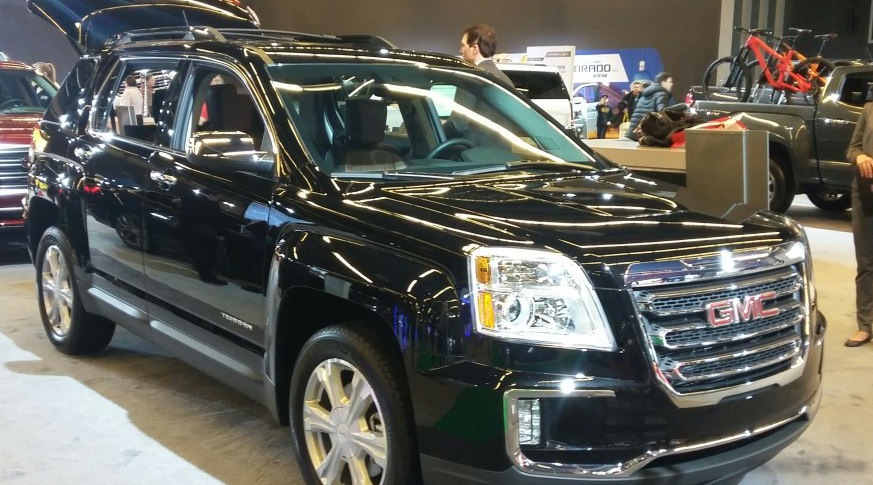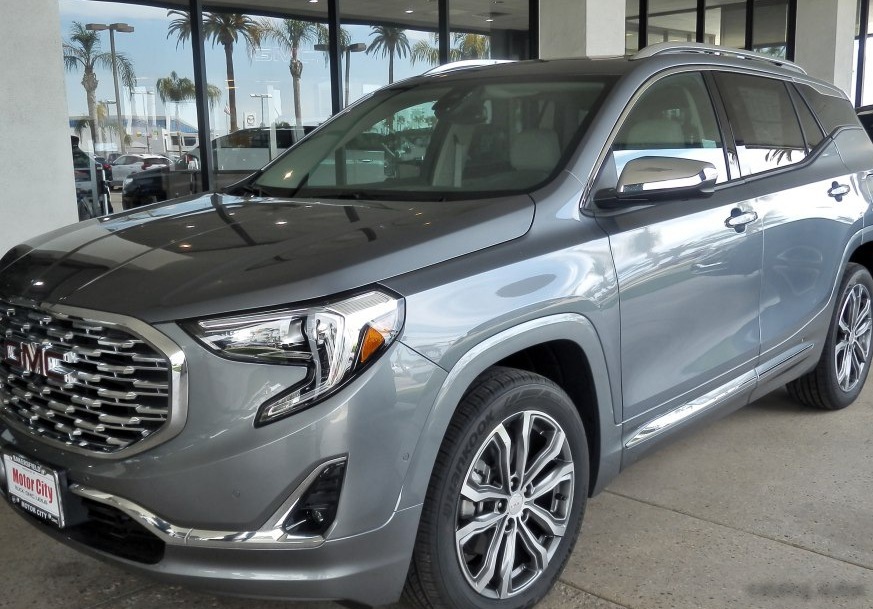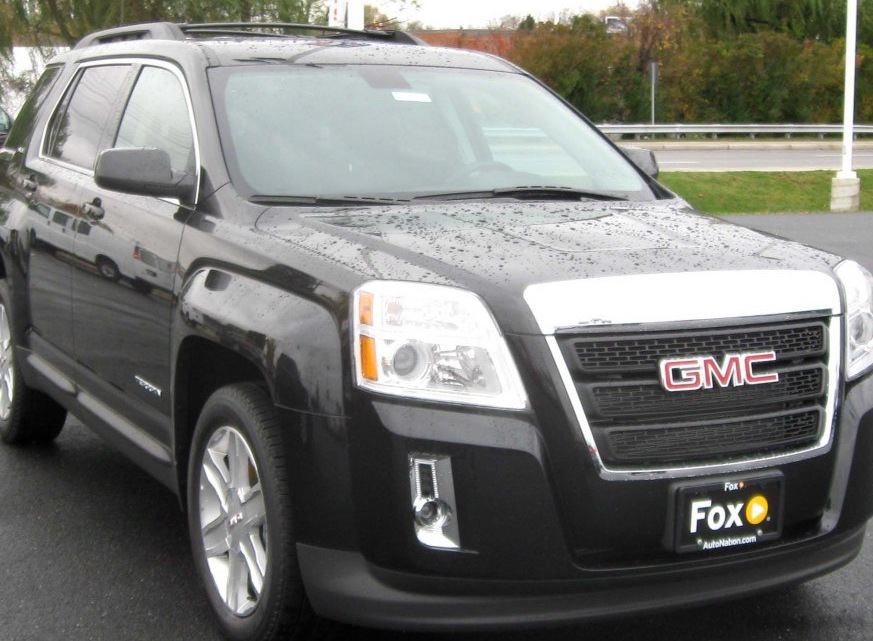
The GMC Terrain I, specifically the 3.6-liter V6 variant paired with an automatic transmission, represented GMC’s entry into the increasingly popular compact crossover SUV segment. Produced from 2010 to 2015, this version of the Terrain aimed to offer a more premium experience than its Chevrolet Equinox sibling, while still providing practical space and a comfortable ride. It was positioned as a mid-range offering within the Terrain lineup, slotting above the base 2.4-liter four-cylinder model and below any potential future higher-performance trims. The Terrain I shared its platform with the Buick LaCrosse and Chevrolet Equinox, utilizing GM’s Theta platform.
Technical Specifications
| Brand | GMC |
| Model | Terrain |
| Generation | Terrain I |
| Type (Engine) | 3.6 V6 (301 Hp) Automatic |
| Start of production | 2010 |
| End of production | 2015 |
| Powertrain Architecture | Internal Combustion engine |
| Body type | SUV |
| Seats | 5 |
| Doors | 5 |
| Fuel consumption (urban) | 12.4 l/100 km (19 US mpg) |
| Fuel consumption (extra urban) | 9.8 l/100 km (24 US mpg) |
| Fuel consumption (combined) | 11.8 l/100 km (19.9 US mpg) |
| Fuel Type | Petrol (Gasoline) |
| Weight-to-power ratio | 5.7 kg/Hp |
| Weight-to-torque ratio | 4.7 kg/Nm |
| Power | 301 Hp @ 6950 rpm |
| Power per litre | 84.5 Hp/l |
| Torque | 369 Nm @ 4800 rpm (272.16 lb.-ft. @ 4800 rpm) |
| Engine layout | Front, Transverse |
| Engine Model/Code | LFX |
| Engine displacement | 3564 cm3 (217.49 cu. in.) |
| Number of cylinders | 6 |
| Engine configuration | V-engine |
| Number of valves per cylinder | 4 |
| Fuel injection system | Direct injection |
| Engine aspiration | Naturally aspirated engine |
| Valvetrain | DOHC-VVT |
| Engine oil capacity | 5.7 l (6.02 US qt | 5.02 UK qt) |
| Coolant | 10.2 l (10.78 US qt | 8.97 UK qt) |
| Kerb Weight | 1723 kg (3798.56 lbs.) |
| Max. weight | 2359 kg (5200.7 lbs.) |
| Max load | 636 kg (1402.14 lbs.) |
| Trunk (boot) space – minimum | 895 l (31.61 cu. ft.) |
| Fuel tank capacity | 79 l (20.87 US gal | 17.38 UK gal) |
| Length | 4707 mm (185.31 in.) |
| Width | 1849 mm (72.8 in.) |
| Height | 1684 mm (66.3 in.) |
| Wheelbase | 2858 mm (112.52 in.) |
| Front track | 1598 mm (62.91 in.) |
| Rear (Back) track | 1578 mm (62.13 in.) |
| Ride height (ground clearance) | 175 mm (6.89 in.) |
| Drag coefficient (Cd) | 0.34 |
| Drivetrain Architecture | The Internal combustion engine (ICE) drives the front wheels of the vehicle. |
| Drive wheel | Front wheel drive |
| Number of gears and type of gearbox | 6 gears, automatic transmission |
| Front suspension | Independent coil spring |
| Rear suspension | Independent coil spring |
| Front brakes | Ventilated discs |
| Rear brakes | Disc |
| Assisting systems | ABS (Anti-lock braking system) |
| Steering type | Steering rack and pinion |
| Power steering | Electric Steering |
| Tires size | 225/65 R17 |
| Wheel rims size | 17 |
Powertrain & Engine Architecture
The heart of this Terrain variant is the GM LFX 3.6-liter V6 engine. This engine is a naturally aspirated, 24-valve DOHC (Double Overhead Camshaft) engine featuring variable valve timing (VVT). The LFX utilizes direct fuel injection, a technology that improves fuel efficiency and power output by injecting fuel directly into the combustion chamber. The engine produces 301 horsepower at 6950 rpm and 272 lb-ft of torque at 4800 rpm. It’s a relatively robust engine known for its smooth operation. The engine is transversely mounted in the front of the vehicle.
The engine is mated to a six-speed automatic transmission. This transmission was a common offering in GM vehicles of the era and is known for its relatively smooth shifts. The gear ratios are tuned for a balance of fuel economy and acceptable acceleration. While not a performance-oriented transmission, it provides adequate responsiveness for everyday driving.
Driving Characteristics
The 3.6L V6 automatic Terrain offers a noticeable step up in performance compared to the base 2.4-liter four-cylinder model. Acceleration is brisk, making merging onto highways and passing other vehicles relatively effortless. However, it doesn’t deliver the sporty feel of some competitors. The automatic transmission generally shifts smoothly, but can sometimes feel hesitant during quick acceleration. The front-wheel-drive configuration provides adequate traction in most conditions, but all-wheel drive was available as an option for improved stability in inclement weather. The Terrain’s suspension is tuned for comfort, resulting in a relatively soft ride, but this can also lead to some body roll during cornering.
Equipment & Trim Levels
The 3.6L V6 Terrain typically came standard with features such as air conditioning, power windows and locks, a CD player with auxiliary input, and cruise control. Higher trim levels, such as the SLT, added features like leather upholstery, a power driver’s seat, a premium sound system, and a rearview camera. Optional extras included a navigation system, a sunroof, and remote start. Interior upholstery was typically cloth on the base models, upgrading to leather on the SLT trim. The dashboard layout was functional and straightforward, with easy-to-read gauges and controls.
Chassis & Braking
The Terrain I utilizes an independent coil spring suspension on both the front and rear axles. This setup provides a comfortable ride, but isn’t particularly sporty. The front brakes are ventilated discs, while the rear brakes are solid discs. Anti-lock brakes (ABS) are standard. Steering is rack-and-pinion with electric power assist. The Terrain’s tires are typically 225/65R17 size, mounted on 17-inch alloy wheels. Stabilizer bars are present on both the front and rear axles to help reduce body roll.
Market Reception & Comparison
Critics generally praised the Terrain’s spacious interior and comfortable ride. However, some reviewers noted that the fuel economy was not particularly competitive compared to other vehicles in its class. The 3.6L V6 offered a significant power advantage over the base 2.4-liter engine, but at the cost of increased fuel consumption. Compared to the Chevrolet Equinox, the Terrain offered a slightly more upscale interior and exterior styling. The Equinox was often seen as the more value-oriented option, while the Terrain aimed for a more premium feel.
Legacy
The GMC Terrain I 3.6L V6 automatic powertrain has proven to be relatively reliable over the long term. The LFX engine is known for its durability, and the six-speed automatic transmission has generally held up well. Common issues include occasional oil leaks and sensor failures, but these are typically not major concerns. In the used car market, this Terrain variant remains a popular choice for buyers seeking a comfortable and spacious crossover SUV with adequate power. Its relatively affordable price and proven reliability make it a compelling option for those looking for a practical and dependable vehicle.