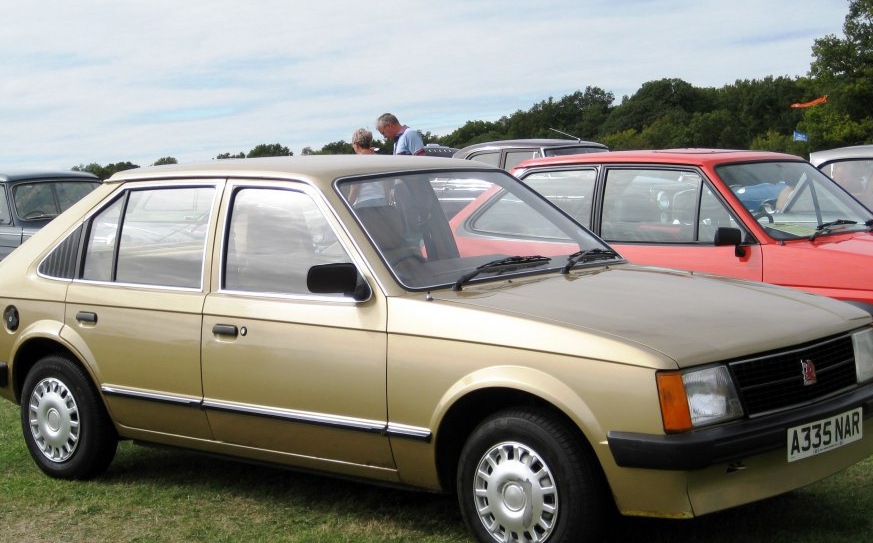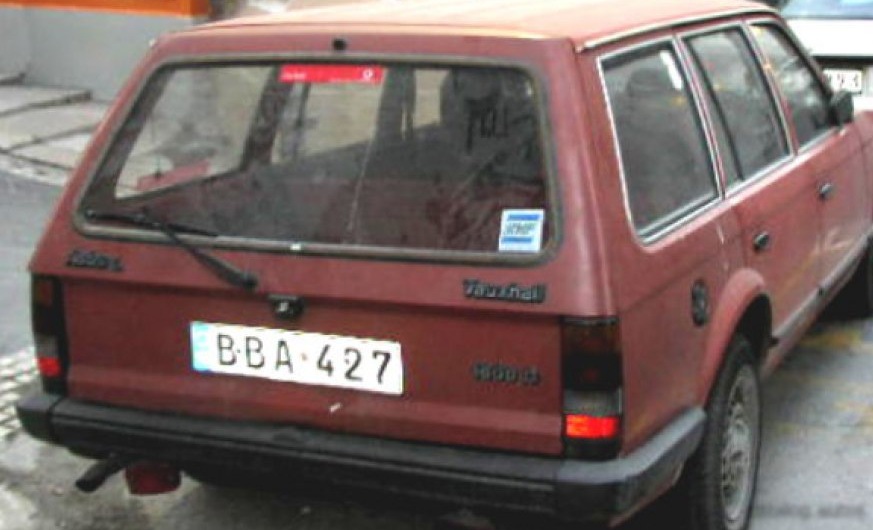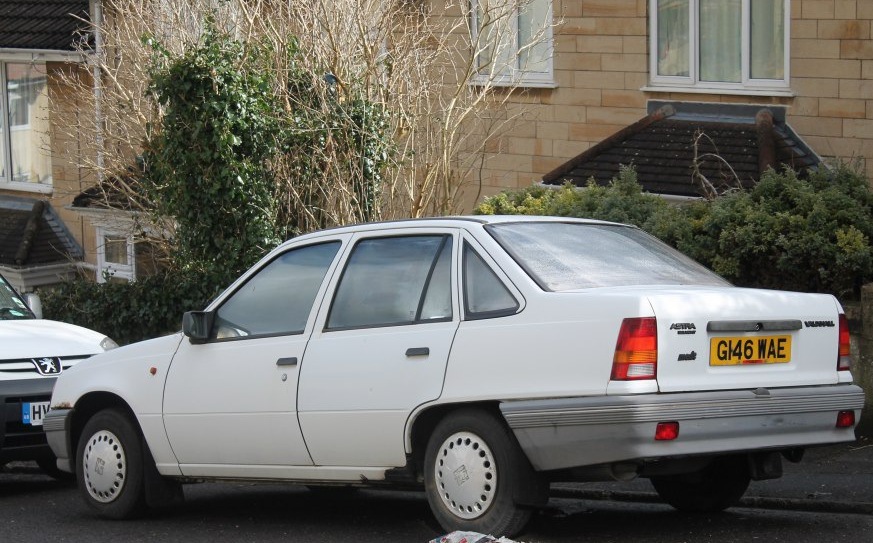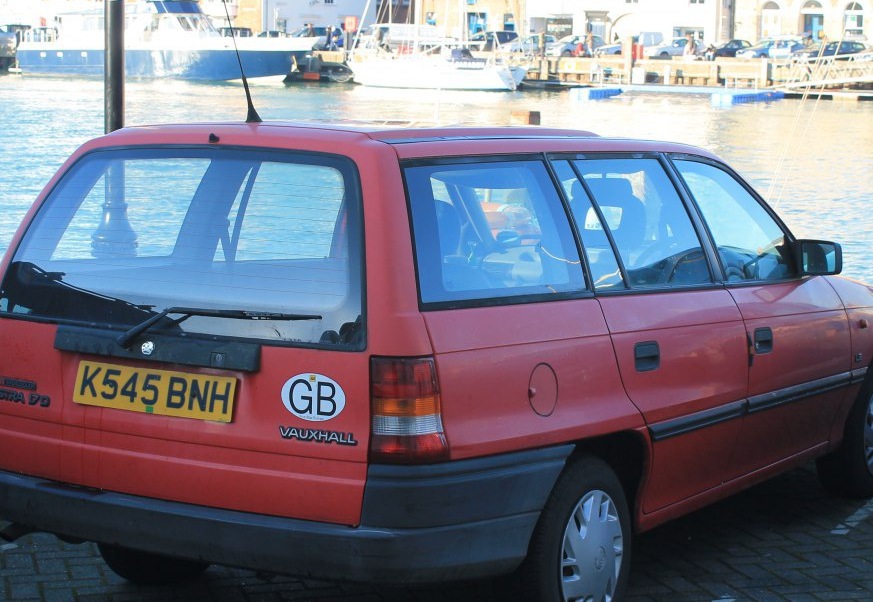
The Vauxhall Astra Mk III Estate 2.0i 16V Automatic, produced between 1994 and 1998, represented a refined offering within the broader Astra Mk III (H-series) range. This variant, built on the GM T-platform (internally known as the 1HX0 for the estate), aimed to provide a balance of practicality, comfort, and performance for family buyers. The estate body style, or station wagon as it’s known in the US, was a popular choice in Europe, offering increased cargo capacity compared to the hatchback. The 2.0i 16V Automatic trim sat towards the upper end of the Mk III Estate lineup, offering a more powerful engine option paired with the convenience of an automatic transmission.
Technical Specifications
| Brand | Vauxhall |
| Model | Astra |
| Generation | Astra Mk III Estate |
| Type (Engine) | 2.0i 16V (136 Hp) Automatic |
| Start of production | 1994 |
| End of production | 1998 |
| Powertrain Architecture | Internal Combustion engine |
| Body type | Station wagon (estate) |
| Seats | 5 |
| Doors | 5 |
| Fuel consumption (urban) | 13.8 l/100 km (17 US mpg, 20.5 UK mpg) |
| Fuel consumption (extra urban) | 7.3 l/100 km (32.2 US mpg, 38.7 UK mpg) |
| Fuel consumption (combined) | 9.7 l/100 km (24.2 US mpg, 29.1 UK mpg) |
| Fuel Type | Petrol (Gasoline) |
| Acceleration 0 – 100 km/h | 12 sec |
| Acceleration 0 – 62 mph | 12 sec |
| Acceleration 0 – 60 mph | 11.4 sec |
| Maximum speed | 195 km/h (121.17 mph) |
| Weight-to-power ratio | 9 kg/Hp, 111.5 Hp/tonne |
| Weight-to-torque ratio | 6.6 kg/Nm, 151.6 Nm/tonne |
| Power | 136 Hp @ 5600 rpm |
| Power per litre | 68.1 Hp/l |
| Torque | 185 Nm @ 4000 rpm (136.45 lb.-ft. @ 4000 rpm) |
| Engine layout | Front, Transverse |
| Engine Model/Code | X20XEV |
| Engine displacement | 1998 cm3 (121.93 cu. in.) |
| Number of cylinders | 4 |
| Engine configuration | Inline |
| Cylinder Bore | 86 mm (3.39 in.) |
| Piston Stroke | 86 mm (3.39 in.) |
| Compression ratio | 9.2:1 |
| Number of valves per cylinder | 2 |
| Fuel injection system | Multi-port manifold injection |
| Engine aspiration | Naturally aspirated engine |
| Engine oil capacity | 4 l (4.23 US qt | 3.52 UK qt) |
| Coolant capacity | 6.6 l (6.97 US qt | 5.81 UK qt) |
| Kerb Weight | 1220 kg (2689.64 lbs.) |
| Max. weight | 1690 kg (3725.81 lbs.) |
| Max load | 470 kg (1036.17 lbs.) |
| Trunk (boot) space – minimum | 500 l (17.66 cu. ft.) |
| Trunk (boot) space – maximum | 1650 l (58.27 cu. ft.) |
| Fuel tank capacity | 50 l (13.21 US gal | 11 UK gal) |
| Length | 4280 mm (168.5 in.) |
| Width | 1688 mm (66.46 in.) |
| Height | 1481 mm (58.31 in.) |
| Wheelbase | 2520 mm (99.21 in.) |
| Front track | 1420 mm (55.91 in.) |
| Rear track | 1420 mm (55.91 in.) |
| Ride height (ground clearance) | 140 mm (5.51 in.) |
| Drag coefficient (Cd) | 0.31 |
| Drivetrain Architecture | Front wheel drive |
| Number of gears | 4 |
| Gearbox type | Automatic transmission |
| Front brakes | Ventilated discs |
| Rear brakes | Disc |
| Steering type | Steering rack and pinion |
| Power steering | Hydraulic |
| Tires size | 195/55 R15 |
| Wheel rims size | 15 |
Powertrain & Engine Architecture
The heart of the Astra Mk III Estate 2.0i 16V Automatic was the X20XEV engine, a 1.998-liter inline-four cylinder powerplant. This engine was a member of Vauxhall/Opel’s ‘Ecotec’ family, known for its relatively lightweight construction and focus on efficiency. The ‘16V’ designation indicates a four-valve-per-cylinder configuration, enhancing breathing and contributing to increased power output. Fuel delivery was handled by a Bosch Motronic multi-port fuel injection system, optimizing the air-fuel mixture for improved combustion. The X20XEV featured a timing belt driven camshaft, and a compression ratio of 9.2:1. Paired with this engine was a four-speed automatic transmission, offering smooth gear changes but lacking the efficiency and driver engagement of a manual gearbox. This automatic transmission was a common GM unit, known for its reliability but not particularly sporty characteristics.
Driving Characteristics
The 136 horsepower and 136 lb-ft of torque produced by the 2.0i 16V engine provided adequate, though not exhilarating, performance. Acceleration from 0-60 mph took around 11.4 seconds, and top speed was approximately 121 mph. Compared to the manual transmission version of the same engine, the automatic suffered a slight performance penalty due to the inherent losses in the torque converter. The automatic transmission’s gear ratios were geared more towards comfort and fuel economy than outright acceleration. In real-world driving, the car felt comfortable and capable on the highway, but lacked the responsiveness of the manual or higher-output versions like the 2.0i 16V turbo. The automatic transmission did offer a more relaxed driving experience, particularly in urban traffic.
Equipment & Trim Levels
The 2.0i 16V Automatic trim typically included features such as central locking, electric front windows, power steering, and an adjustable steering column. Interior upholstery was usually cloth, with options for upgraded materials. Air conditioning was often an optional extra, as were features like alloy wheels and a sunroof. The dashboard layout was typical of the era, with a functional but somewhat dated design. Safety features were relatively basic by modern standards, including a driver’s airbag and seatbelts.
Chassis & Braking
The Astra Mk III Estate featured independent suspension at the front, utilizing MacPherson struts, and a semi-independent torsion beam suspension at the rear. The front brakes were ventilated discs, providing good stopping power, while the rear brakes were solid discs. The suspension setup was tuned for comfort, providing a relatively smooth ride, but it wasn’t particularly sporty. Stabilizer bars were fitted to both the front and rear axles to reduce body roll during cornering. The 195/55 R15 tires provided adequate grip for everyday driving.
Market Reception & Comparison
The Astra Mk III Estate 2.0i 16V Automatic was generally well-received by automotive critics as a practical and comfortable family car. However, the automatic transmission was often criticized for its lack of responsiveness and impact on fuel economy. Compared to the 1.8-liter versions, the 2.0i offered a noticeable performance improvement, but at a higher price point. The 2.0i diesel models offered superior fuel economy, but lacked the refinement of the petrol engine. Reliability was generally good, although the automatic transmission could be prone to issues if not properly maintained.
Legacy
The Astra Mk III Estate 2.0i 16V Automatic remains a relatively common sight on European roads today, testament to its durability and practicality. The X20XEV engine is known for its robustness, and with regular maintenance, can provide many years of reliable service. However, finding well-maintained examples is becoming increasingly difficult. The car represents a significant step forward in estate car design, offering a blend of practicality, comfort, and performance that appealed to a wide range of buyers. In the used car market, these models are generally affordable, making them a popular choice for those seeking a classic and reliable estate car.